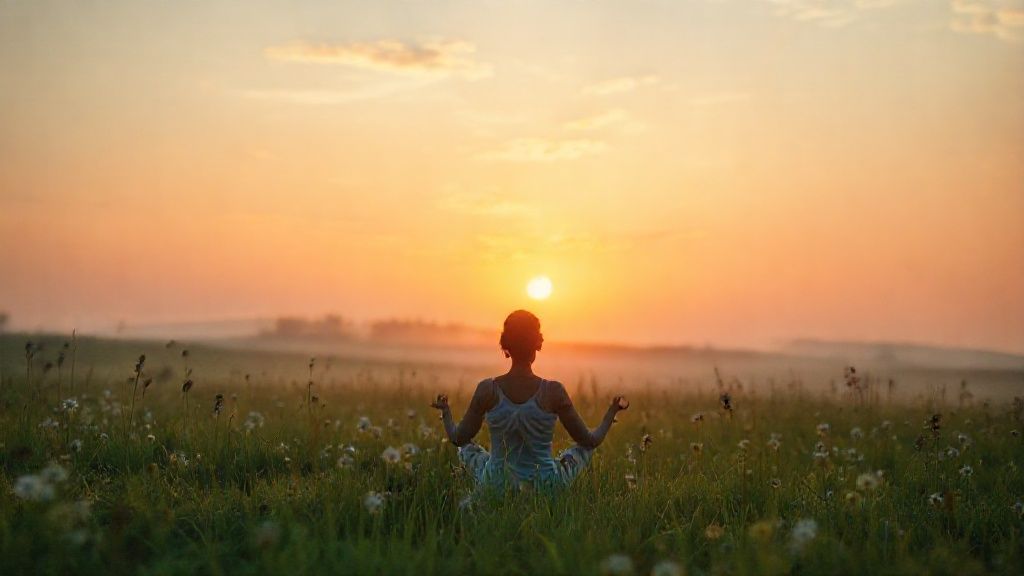
Finding Your Path to Peace: The Best Healing Meditation Practices for 2025
Have you ever lain awake at night, your body aching or your mind racing with anxious thoughts, desperately searching for a way to feel whole again? That deep-seated longing for restoration—whether from physical pain, emotional wounds, or the accumulated stress of daily life—is a universal human experience. You’re not just seeking relaxation; you’re seeking genuine healing.
So, what is the best healing meditation? The honest answer is that there isn’t a single “best” technique that works for everyone. The most effective practice is the one that resonates with 焦虑和抑郁缓解 and addresses your specific needs. It’s a personalized path to inner peace and restoration. This comprehensive guide will walk you through the most powerful healing meditation techniques, explain the science behind them, and help you build a sustainable practice that facilitates deep, lasting well-being.
What Is Healing Meditation? More Than Just Relaxation
At its core, healing meditation is an intentional practice that uses focused attention, mindfulness, and often guided imagery to facilitate the body’s and mind’s innate recovery processes. While general meditation aims for relaxation, healing meditation is targeted. It’s about actively engaging with your inner landscape to release deep-seated stress, process emotional trauma, soothe physical discomfort, and create the optimal conditions for your system to restore itself.
Think of it this way: if relaxation is like taking a day off, healing meditation is like undergoing physical therapy for your soul. It’s a proactive, structured approach to well-being. To understand the framework of this practice, it’s helpful to know 何为引导式冥想 at its foundation.
The Science of Healing: How Meditation Supports Your Well-Being
This isn’t just spiritual talk; it’s grounded in robust science. When you engage in a consistent healing meditation practice, you initiate profound physiological and psychological shifts:
- Reduces Cortisol: Meditation is proven to lower levels of cortisol, the body’s primary stress hormone. High cortisol is linked to inflammation, anxiety, and a weakened immune system.
- Regulates the Nervous System: It activates the parasympathetic nervous system—your “rest-and-digest” mode—counteracting the fight-or-flight response that keeps you in a state of high alert.
- Increases Beneficial Hormones: Practices like loving-kindness meditation can boost oxytocin and endorphins, the body’s natural feel-good chemicals.
- Changes Brain Structure: Neuroimaging studies show that meditation can increase gray matter density in areas associated with memory, empathy, and emotional regulation, while shrinking the amygdala, the brain’s fear center.
These mechanisms translate into tangible benefits: reduced chronic inflammation, improved sleep quality, enhanced emotional resilience, and a greater overall sense of peace.
Exploring the Best Healing Meditation Techniques for You
The journey to finding your ideal practice begins with exploration. Here are several powerful techniques, each addressing different aspects of healing.
Body Scan Meditation for Physical Awareness and Release
The body scan is a foundational practice for reconnecting with your physical self. It involves slowly and systematically bringing your awareness to each part of your body, from your toes to the crown of your head, noticing any sensations without judgment. This practice teaches you to identify areas of holding and tension and, through awareness alone, begin to release them. It’s exceptionally powerful for those dealing with physical pain, insomnia, or dissociation from the body.
For a practical introduction, you can try this 5-minute body scan meditation script. If your healing journey is specifically impacted by poor sleep, consider the body scan technique specifically for sleep to calm your nervous system before bed.
Guided Imagery for Emotional and Energetic Healing
This technique uses the power of your imagination to promote healing. A guide (either a person or a recording) leads you through visualizing specific scenes, scenarios, or sensations—such as walking through a peaceful forest, feeling healing light fill your body, or symbolically releasing emotional baggage. This process can create positive neural pathways, access subconscious emotions, and promote a profound sense of safety and well-being.
To experience this, you can access our free library of guided visualization scripts. Many find that combining healing with rest is powerful, so you might also want to use guided imagery to promote deeper sleep.
Loving-Kindness (Metta) Meditation for Inner Peace
If your wounds are emotional—stemming from self-criticism, past hurts, or difficulty connecting with others—Loving-Kindness meditation is a balm for the heart. This practice involves directing well-wishes and phrases of kindness toward yourself and then gradually expanding that circle to include loved ones, acquaintances, and even those with whom you have conflict. It systematically cultivates compassion, which is a critical component of emotional healing.
To start cultivating this compassion, begin with this 5-minute loving-kindness meditation script.
Mindfulness for Stress and Anxiety Relief
Often, the biggest obstacle to healing is a mind trapped in cycles of worry about the past or future. Mindfulness meditation anchors you in the present moment, teaching you to observe your thoughts and feelings without getting swept away by them. This creates a space between you and your reactions, reducing the power of anxiety and stress, which are major inhibitors of the healing process.
For immediate relief from the stress that hampers healing, try a dedicated guided meditation for stress and anxiety. To build a consistent habit, you can establish a practice with this 10-minute mindfulness meditation.

Building Your Personal Healing Meditation Practice
Knowing the techniques is one thing; integrating them into your life is another. Here’s how to build a sustainable practice:
- Create a Sacred Space: Find a quiet, comfortable spot where you won’t be interrupted. This signals to your brain that it’s time to shift gears.
- 微起步,稳坚持: Five minutes daily is far more powerful than an hour once a month. Consistency builds the “muscle” of mindfulness.
- Set a Schedule: Tie your practice to an existing habit, like after you brush your teeth in the morning or right before you get into bed.
- 善待自己: Your mind will wander. That’s normal and not a sign of failure. Gently guide your attention back without judgment.
If you’re new to all of this, start by exploring our recommended guided meditations for beginners. For those with busy mornings, a great way to set a healing tone for the day is with a simple 5-minute morning meditation.
Enhancing Your Healing Journey with Sleep Meditation
Never underestimate the healing power of deep, restorative sleep. It is during deep sleep that your body performs most of its physical repair work and your brain processes emotions and memories. A meditation practice specifically designed for sleep can be a game-changer, helping you transition into the deeply restorative states where profound healing occurs.
For a practice designed to synergize rest and recovery, we highly recommend a guided sleep meditation designed for physical healing. 如需更全面的睡眠支持,您可 探索我们最高效的睡眠冥想.

疗愈冥想常见问题(针对语音搜索优化)
问:哪种冥想最适合疗愈创伤?
答: 对于创伤,温和的、基于身体的练习通常最安全且最有效。身体扫描帮助您以无威胁的方式重新连接身体感受,而接地练习则有助于管理触发因素。关键在于循序渐进,并考虑与受过创伤培训的治疗师合作。若要培养安全感,请探索我们的 培养内心平静的冥想.
问:疗愈冥想应该持续多长时间?
答: 持续性比时长更重要。从每天仅5-10分钟开始最为理想。目标是建立一个可持续的习惯。您可以在我们的 5分钟冥想练习库 中找到简短课程, 或尝试.
针对焦虑的10分钟课程
答: 问:冥想能帮助缓解身体疼痛吗? 可以。虽然冥想可能无法消除疼痛根源,但它能改变您与疼痛的关系。它可以减少大脑对疼痛信号的放大,并帮助管理与慢性疼痛常伴随的压力和焦虑。一个很好的起点是.
释放身体紧张的身体扫描冥想
答: 问:疗愈冥想和睡眠冥想有什么区别?.

总结与行动号召
两者都能深度放松,但疗愈冥想通常更具目的性,旨在处理特定问题(情绪阻塞、身体疼痛)。睡眠冥想则主要旨在平静心绪和神经系统以诱导睡眠。然而,两者有美妙的交集,因为深度睡眠本身具有疗愈性。 best healing meditation 您对.
的探寻,证明了您对自身福祉的承诺。请记住,“最佳”练习并非一个终点,而是一个发现的过程——是找到一种让您感到支持、共鸣且可持续的技巧。疗愈是一段旅程,而非竞赛。在探索时,请对自己保持耐心与慈悲。. 准备好开始您的疗愈之旅了吗?请在我们丰富的资源库中找到最适合您的练习。 或 在此探索我们针对焦虑和抑郁的引导冥想 沉浸在我们的疗愈冥想音乐中.