H1: Unlock Deeper Sleep & Healing: The Ultimate Guide to Meditation Music
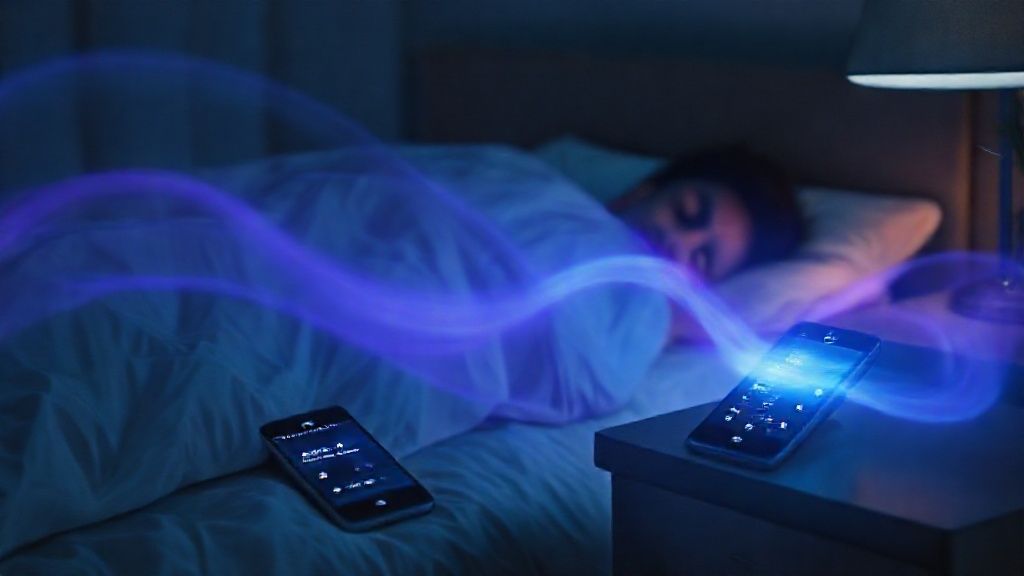
Tossing and turning, mind racing, body aching from the day’s stress—if this is your nightly reality, you’re not alone. The quest for truly restorative sleep can feel like a losing battle. But what if the key to unlocking deep, healing slumber was as simple as pressing play? Meditation music for sleep and healing is a powerful, scientifically-backed tool that can significantly improve your sleep quality and initiate your body’s natural repair processes. This isn’t just about masking noise; it’s about actively guiding your brain and nervous system into a state of profound rest. In this comprehensive guide, we’ll explore the science behind the sounds, from delta waves to Solfeggio frequencies, and provide a curated roadmap to finding the perfect audio companion for your journey to wellness.

Why Meditation Music Works for Sleep and Healing
Before diving into playlists and practices, it’s crucial to understand why certain sounds can have such a transformative effect on your well-being. This isn’t magic; it’s neuroscience and physiology working in harmony.
The Science of Sound: How Frequencies Affect Your Brainwaves
Your brain is an orchestra of electrical activity, operating at different frequencies known as brainwaves. The type of music you listen to can directly influence which “conductor” leads this orchestra.
- Beta Waves (14-30 Hz): Your waking, active mind. This is where you spend most of your day, thinking, analyzing, and problem-solving.
- Alpha Waves (8-13.9 Hz): The bridge to relaxation. This state is associated with calmness, creativity, and a quiet mind, often achieved during light meditation or daydreaming.
- Theta Waves (4-7.9 Hz): The realm of deep meditation and light sleep. This is where profound healing, memory consolidation, and intuition are accessed.
- Delta Waves (0.1-3.9 Hz): The state of dreamless, deep sleep. This is essential for physical restoration, healing, and boosting the immune system.
Meditation music for sleep and healing is specifically composed to encourage your brain to transition from the busy Beta state down through Alpha and Theta, finally settling into the restorative Delta state. By using specific tones and rhythms, this music acts as a gentle guide, telling your brain it’s safe to power down and repair.
Activating the Relaxation Response
When you’re stressed, your body is flooded with cortisol, the “stress hormone.” This keeps your heart rate elevated, your muscles tense, and your mind on high alert—the exact opposite of what you need for sleep. Calming meditation music directly counters this. Studies have shown that listening to slow-tempo, harmonic music can:
- Lower cortisol levels.
- Slow your heart rate and breathing.
- Reduce blood pressure.
- Activate the parasympathetic nervous system, which is responsible for “rest and digest.”
This shift is known as the “Relaxation Response,” a physical state of deep rest that changes your physical and emotional responses to stress. It’s the essential pre-cursor to both falling asleep and engaging the body’s self-healing mechanisms. For a more active approach to triggering this state, you can combine music with a https://mindfulnesspractices.life/guided-meditation-for-relaxation.
Key Elements of Effective Sleep & Healing Music
Not all calming music is created equal. The most effective tracks for sleep and healing often incorporate specific sonic elements designed to work on a subconscious level.
The Power of Binaural Beats and Isochronic Tones
These are two of the most powerful tools in the world of audio brainwave entrainment.
- Binaural Beats: This occurs when you listen to two slightly different tones in each ear through headphones. Your brain perceives a third, “phantom” beat at the difference between the two frequencies. For example, if you hear 300 Hz in one ear and 310 Hz in the other, your brain will entrain to a 10 Hz Alpha wave. This can gently guide your brain into a relaxed or sleepy state.
- Isochronic Tones: These are single tones that pulse on and off at a specific rhythm. They are considered by many to be a more potent and effective form of entrainment than binaural beats because the abrupt pulse is easier for the brain to follow, and they don’t require headphones.
Soothing Nature Sounds vs. Harmonic Instruments
The texture of the sound is also critical.
- Nature Sounds: The gentle patter of rain, the soft crash of ocean waves, or the whisper of wind through leaves are inherently non-threatening. These sounds, known as “pink noise,” can mask jarring environmental noises (like traffic or a snoring partner) that might otherwise disrupt your sleep. They tap into a primal sense of safety.
- Harmonic Instruments: Instruments like the piano, flute, cello, and harp, especially when playing slow, melodic phrases with plenty of space between notes, can directly soothe the emotional centers of the brain. Singing bowls (Tibetan or Crystal) are particularly prized for their resonant, vibrational qualities that are felt as much as they are heard.
The Role of Tempo and Rhythm
The rhythm of the music should mirror the physiological state you wish to achieve. The ideal tempo for sleep music is around 60-80 beats per minute (BPM) or slower, which is close to the average resting heart rate. This rhythmic similarity can help synchronize your heart rate to the slower, calmer pace of the music—a phenomenon known as “entrainment.”

Finding Your Perfect Sound: A Curated Guide
With so many options available, choosing the right soundscape can be overwhelming. Here’s a breakdown to help you find your perfect audio match based on your primary intention.
For Instant Sleep Induction
If your main goal is to fall asleep quickly and combat insomnia, look for music with these characteristics:
* Deep, Resonant Tones: Low-frequency sounds from instruments like a double bass or deep singing bowls.
* Delta Wave Dominance: Tracks that use binaural beats or isochronic tones in the 0.5-4 Hz range to directly promote deep sleep.
* Minimal Melody: Overly complex melodies can engage the cognitive brain. Opt for simple, repetitive patterns that allow the mind to disengage.
For a powerful one-two punch, pair this music with a https://mindfulnesspractices.life/deep-sleep-guided-meditation to verbally guide your body into total relaxation.
For Emotional Healing and Release
When you need to process stress, grief, or anxiety, the right music can create a safe container for emotional release.
* Heart-Opening Harmonics: Music that features strings (like cello or violin) and gentle choirs can evoke a sense of warmth and compassion.
* Gentle, Flowing Melodies: Unlike the minimalist sleep tracks, these may have a more discernible and uplifting melody that helps to move stagnant emotional energy.
* Theta Wave Focus: Theta state is where we access deeply buried emotions and memories, allowing for gentle processing and release.
Combining this with a dedicated https://mindfulnesspractices.life/guided-meditation-healing can profoundly accelerate your emotional recovery.
For Physical Restoration and Pain Relief
For those dealing with physical tension, chronic pain, or illness, the vibrational quality of sound can be incredibly therapeutic.
* Solfeggio Frequencies: These are an ancient scale of tones said to have specific healing properties. For example, 528 Hz is known as the “Miracle” tone for transformation and DNA repair, while 396 Hz is associated with liberating fear and guilt.
* Low, Vibrational Sounds: The deep, resonant hum of a didgeridoo or planetary gongs creates vibrations that can be felt throughout the body, helping to release physical tension and promote a sense of cellular ease.
How to Integrate Meditation Music into Your Nightly Routine
Knowing what to listen to is only half the battle. How you integrate it is what turns a good habit into a transformative ritual.
Step 1: Create a Sanctuary.
Your environment matters. Dim the lights an hour before bed. Ensure your room is cool, quiet, and clutter-free. Using an essential oil diffuser with lavender or chamomile can engage another sense to deepen the relaxation. This signals to your brain that it’s time to wind down.
Step 2: Timing is Everything.
Don’t wait until you’re in bed with your eyes wide open. Start your chosen music 30-60 minutes before you intend to sleep. This gives your nervous system ample time to transition from “doing” to “being.”
Step 3: Combine with a Mindfulness Practice.
Passively listening is good, but actively engaging your body magnifies the benefits. As the music plays, try a simple body scan to release physical tension. You can use our free https://mindfulnesspractices.life/5-minute-body-scan-script-pdf to guide you. If anxiety is your primary sleep thief, a dedicated https://mindfulnesspractices.life/free-guided-meditation-for-sleep-and-anxiety can be the perfect partner to your music, directly addressing the racing thoughts that keep you awake.

Top Picks: Meditation Music Tracks and Albums for 2025
To get you started, here is a curated list of highly effective music for various needs.
Best for Deep Sleep
- “Weightless” by Marconi Union: Often cited as the “most relaxing song in the world,” scientifically designed to reduce anxiety.
- “Delta Sleep System” by Binaural Beats Meditation: A dedicated album using delta waves to promote unconscious, dreamless sleep.
Best for Energetic Healing
- “528 Hz Miracle Tone” by Meditative Mind: A beautiful track centered on the transformative Solfeggio frequency.
- “Liquid Mind – Deep Sleep”: This entire artist’s discography is built on slow, ambient, and deeply soothing soundscapes ideal for emotional release.
Best Free Resources on YouTube & Spotify
- YouTube: Channels like “Soothing Relaxation,” “Meditative Mind,” and “PowerThoughts Meditation Club” offer thousands of hours of free, high-quality content.
- Spotify: Search for curated playlists like “Deep Sleep,” “Binaural Beats: Sleep,” or “Healing Frequencies” for endless streaming options.
Frequently Asked Questions (FAQ)
What is the best frequency for healing sleep music?
The best frequency depends on your goal. Delta waves (0.5 – 4 Hz) are most directly associated with deep, dreamless sleep and physical restoration. For the relaxation that precedes sleep and for emotional healing, Theta waves (4 – 8 Hz) are incredibly effective.
Can I listen to meditation music all night?
Yes, it is generally safe and can be beneficial. To ensure comfort and safety, use a sleep timer to turn the music off after 2-3 hours, or play it on a very low volume all night from a speaker (not headphones) so it acts as a subtle auditory backdrop that prevents you from being jarred awake by silence or sudden noises.
What’s the difference between meditation music and white noise?
White noise is a consistent, monotonous sound (like a static “shhh”) that works by masking or blocking out disruptive environmental noises. Meditation music for sleep and healing, however, is active rather than passive. It uses structured harmonies, rhythms, and specific frequencies to actively guide and entrain your brain into a relaxed or sleepy state, promoting physiological changes. To understand how this works in a guided context, you can learn more about https://mindfulnesspractices.life/what-is-guided-meditation.
Is it better to use headphones or a speaker for sleep music?
This depends on the type of music and your comfort. Headphones are essential for experiencing binaural beats,
as the effect requires isolated delivery to each ear. However, they can be uncomfortable for side-sleepers and pose a slight tangling risk. Speakers are the better choice for all-night use as they are safer and more comfortable, making them ideal for music with nature sounds, harmonics, or isochronic tones.
Conclusion & Call to Action (CTA)
The journey to restorative sleep and holistic healing doesn’t have to be complicated. Meditation music for sleep and healing is an accessible, evidence-backed, and profoundly effective tool that can help you quiet your mind, relax your body, and unlock your innate capacity for recovery. By understanding the science and exploring the different soundscapes available, you can curate a personal audio ritual that transforms your nights and revitalizes your days.
Ready to experience the profound benefits for yourself? Explore our extensive library of https://mindfulnesspractices.life/sleep-meditation and curated https://mindfulnesspractices.life/night-time-meditation-music to start your journey to restorative sleep tonight.