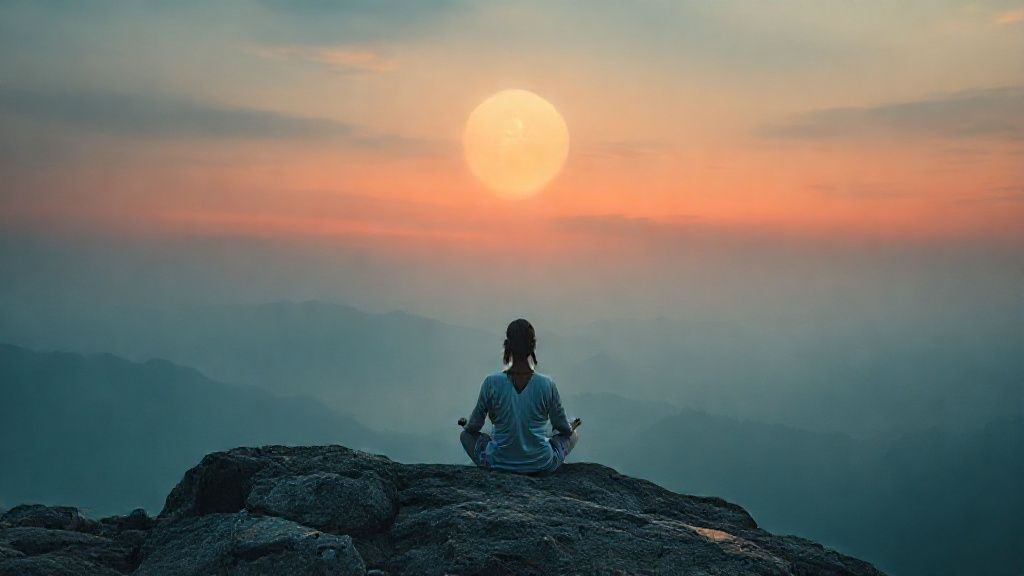
Where Can I Meditate? Your Ultimate Guide to Finding Peace Anywhere
You’ve decided to meditate, but the biggest question remains: where? The perfect location can be the difference between a distracted session and profound peace. Many beginners get stuck on this very question, delaying their practice before it even begins.
You can meditate virtually anywhere—from a dedicated corner in your home to public parks, meditation centers, or even your office desk. The “best” place is ultimately wherever you feel safe, comfortable, and free from interruptions. This comprehensive guide will walk you through finding your perfect meditation sanctuary, whether you’re at home, work, or out in the world.

The Foundation: What Makes a “Good” Meditation Spot?
Before we explore specific locations, let’s establish what qualities make a space conducive to meditation. The ideal meditation spot typically has three key characteristics:
Minimal Distractions: This is the most important factor. While you can’t eliminate all noise or activity, your meditation space should be relatively free from interruptions that might pull your attention away from your practice. This means turning off phone notifications, choosing a time when household activity is low, or finding a corner away from high-traffic areas.
A Sense of Safety: Your nervous system needs to feel secure to relax into meditation. This means both physical safety (you’re not in danger) and emotional safety (you won’t be suddenly interrupted or judged). This is why many people prefer private spaces, especially when beginning their practice.
Comfortable but Alert Posture: Your meditation spot should support a posture that is both relaxed and awake. This doesn’t require special equipment—a firm chair, cushion, or mat that allows your spine to be straight without straining is perfect. The goal is to be comfortable enough to stay still but alert enough not to fall asleep.
Consistency is Key: While you can meditate anywhere, having a dedicated space trains your mind to associate that location with meditation. Over time, simply sitting in your meditation spot will trigger a relaxation response, making it easier to settle into your practice.
Your Personal Sanctuaries: Meditating at Home
For most people, home is the most accessible and comfortable place to begin a meditation practice. You have control over your environment and can create a space that truly supports your practice.
Creating Your Dedicated Meditation Corner
You don’t need an entire room to create a meaningful meditation space. A small corner can become your personal sanctuary with a few simple considerations:
Choose Your Spot Wisely: Select a quiet area away from main household traffic. This might be a corner of your bedroom, a spare room, or even a large closet. The key is consistency—returning to the same spot reinforces the meditation habit.
Keep It Simple: Your setup doesn’t need to be elaborate. A meditation cushion (zafu), mat, or even a folded blanket can define your space. Some people like to add a small table with meaningful objects—a candle, a crystal, or a plant—to create a focal point.
Set the Ambiance: Consider lighting, temperature, and sound. Soft, natural light is ideal, but a dim lamp works well too. Ensure the temperature is comfortable—not too hot or cold. To set the mood, you might want to play some 10分钟冥想音乐.
Establish Boundaries: If you live with others, communicate about your meditation practice. A simple “I’ll be meditating for the next 20 minutes” helps establish boundaries. Some people use a sign on the door or wear headphones as visual cues that they shouldn’t be disturbed.
Quick Meditation Spots in a Busy Home
Not every meditation session needs to happen in your dedicated corner. Life gets busy, and sometimes you need to grab moments of mindfulness wherever you can:
The Kitchen Chair: Before the morning rush, your kitchen table can become a perfect meditation spot. The firm chair supports good posture, and the quiet of early morning provides a peaceful atmosphere.
The Edge of Your Bed: Your bedside is ideal for morning or evening practices. Before checking your phone or after turning off the light, take a few moments to sit and breathe.
The Bathroom (Really): When you need a moment alone, the bathroom can provide privacy and quiet. Even a few minutes of mindful breathing here can reset your nervous system.
If you only have a moment in the morning, a 5分钟晨间引导冥想 session can set a positive tone for your entire day.
Finding Peace in Public: Meditating Out and About
Once you’re comfortable meditating at home, you might want to expand your practice into the world around you. Public meditation can be deeply rewarding and helps integrate mindfulness into your daily life.
Nature’s Meditation Studios
Natural settings are inherently calming and can enhance your meditation practice significantly:
Parks and Gardens: Find a quiet bench away from playgrounds or sports fields. The gentle background sounds of nature—birds, rustling leaves—can actually enhance your meditation rather than distract from it.
Beaches and Shorelines: The rhythmic sound of waves provides a natural meditation focus. Early morning or weekdays are typically quieter times. Feel the sand beneath you and breathe with the ocean’s rhythm.
Forests and Quiet Trails: The Japanese practice of “forest bathing” (shinrin-yoku) highlights the therapeutic benefits of being among trees. Find a safe, off-the-beaten-path spot to sit and meditate.
Practicing mindfulness in nature is powerful. For a structured approach, try a 平静心绪引导冥想 while sitting under a tree.
Urban Oases for Mindfulness
Even in bustling cities, you can find pockets of peace perfect for meditation:
Libraries: Public libraries often have quiet reading rooms or secluded corners where you can meditate undisturbed. The hushed atmosphere is naturally conducive to introspection.
Places of Worship: Many churches, temples, and mosques welcome visitors for quiet contemplation, even outside of service times. The sacred atmosphere can deepen your practice.
Museums and Art Galleries: After paying admission, find a quiet bench in front of a calming artwork or in a less-visited gallery. The contemplative environment supports mindfulness.
Your Car: When you need a moment of privacy during a busy day, your parked car can become an instant meditation sanctuary. Ensure you’re parked safely and legally.
If city noise is a challenge, a 焦虑引导冥想 can help you acknowledge sounds without letting them disrupt your peace.

专家引领:冥想中心与课程
对于寻求社群与专业指导的人士,冥想中心和课程提供了结构化环境,可深化您的练习:
团体冥想的益处: 与他人共同冥想会产生一种独特的能量,许多人认为这种氛围具有支持性并能深化练习。集体的专注意向能帮助您度过烦躁或分心的时刻。.
教师指导: 经验丰富的导师可针对姿势、技巧以及应对冥想中出现的挑战提供个性化建议。此类指导能显著加速您的练习进程。.
结构化学习: 许多中心提供渐进式课程,系统性地构建您的冥想技能,类似于学习乐器或运动课程。.
若要寻找本地社群,可搜索 附近的冥想中心 以探索您所在地区的选择。许多机构也提供 免费的冥想课程 作为入门体验。.
数字静修所:应用程序与在线资源
在数字时代,您的冥想空间可以像智能手机一样便携。冥想应用程序和在线资源创造了可随时随地访问的虚拟静修所:
便携式冥想空间: 借助耳机,您的冥想应用程序能将任何场所转化为个人静修处——无论是在嘈杂的火车上、繁忙的机场里,还是在工作间隙休息时。.
多样性与引导: 数字平台提供满足各种需求的引导冥想——减压、专注、助眠,或仅仅是培养持续习惯。.
诸如 Headspace 和 Calm 等热门应用程序提供适用于任何地点或场景的引导课程。若需免费的高质量替代方案,可查阅我们精心整理的 最佳引导冥想 在线资源列表。.
根据目标选择冥想地点
不同的冥想意图可能需要不同的环境。请考虑根据目的匹配地点:
睡眠冥想的最佳场所
对于专门为促进安眠设计的冥想,环境应支持深度放松:
您的卧室: 这显然是最理想的场所。确保房间黑暗、安静且温度舒适。.
舒适度优于姿势: 进行睡眠冥想时,通常采用躺姿而非坐姿,因此舒适度至关重要。.
减少蓝光接触: 练习前至少30分钟避免使用电子屏幕,以促进天然褪黑激素分泌。.
若想达到极致的放松效果,可尝试专为深度休息设计的 20分钟女性声音睡眠冥想 。.
缓解焦虑冥想的最佳场所
当焦虑袭来时,您需要一个感觉安全私密的空间:
安全私密的角落: 这可以是家中专属的冥想角落、关闭的办公室,甚至是停好的车内。关键在于确保在这段脆弱练习期间不会被打扰或注视。.
最小化感官输入: 有时减少外部刺激有所帮助——光线柔和的房间、舒适的衣物,或许再加条毯子以获得身体上的舒适与包裹感。.
固定场所: 拥有固定的焦虑冥想地点,能随时间逐步建立条件反射式的放松反应。.
在您的安全空间里,像 5分钟缓解焦虑与助眠冥想 这样简短有效的练习会成为强大工具。.
晨间专注冥想的最佳场所
晨间冥想为全天定下基调,因此场所应支持清晰度与专注力:
任何能获得片刻宁静之处: 可以是家人醒来前的餐桌旁、伴着晨饮的露台上,甚至是查看邮件前的办公桌。.
良好照明: 清晨的自然光对晨间练习尤其具有振奋和提升效果。.
与当日生活的衔接: 晨间冥想地点应易于融入晨间惯例——不应过于隔离以致感觉像是绕道而行。.
无论是在办公桌还是露台,都可以通过 开启一天的引导冥想, 来有意识地开始新的一天。.

常见问题:关于冥想地点的解答
问:我能在嘈杂环境中冥想吗?
问:这些正念活动适合初学者吗? 可以,但这属于进阶练习。对初学者而言,建议选择更安静的环境,因其维持专注所需精力较少。随着水平提升,您可以练习将声音融入冥想而非抗拒它们。在嘈杂场所使用耳机进行引导冥想也有助于缓冲环境噪音。.
问:冥想必须坐在地板上吗?
问:这些正念活动适合初学者吗? 完全不必!椅子同样合适。关键在于保持舒适而警醒的姿势,脊柱能相对挺直且不费力。许多资深冥想者仅使用椅子。重要的是姿势应支持清醒状态而非助长睡意。若要进行优质的坐姿练习,可尝试 10分钟正念 session.
Q: 进行冥想的最佳地点究竟是哪里?
问:这些正念活动适合初学者吗? 最佳地点是您能真正坚持进行冥想的地方。与定期练习相比,精致的坐垫、绝对的安静和理想的环境都显得不那么重要。从简单的开始——卧室里的一把椅子就是完美的起点。随着练习的深入,您会发现自己最适合什么样的环境。.
Q: 初学者应该冥想多长时间?
问:这些正念活动适合初学者吗? 开始时,短时段的冥想效果最佳。即使是5-10分钟也非常有效,并且比尝试可能导致挫败感或逃避的长时间冥想更能持续地培养长久习惯。坚持短暂的练习远比偶尔进行马拉松式的冥想更有价值。 七分钟冥想 是一个极佳且易于操作的起点。.
Conclusion: 您的旅程,您的空间
完美的冥想地点极具个人色彩且适应性极强。它更关乎您投入其中的意愿,而非物理位置本身。您理想的冥想空间可能每天都在变化——有时您需要专用角落带来的仪式感,有时则需要公园长椅带来的灵感或办公椅带来的便利。.
不要让寻找完美地点成为您练习的障碍。最深刻的冥想可能发生在最普通的地点。重要的是,无论身在何处,都能以开放和好奇的心态开始练习。.
准备好开始了吗? 不必过度纠结地点。选择一个安静的角落,播放一段 简短的引导冥想, ,今天就迈出通往内心平静的第一步。.
元数据开始—
类别:初学者正念
DISPLAY_TITLE: 我可以在哪里冥想?寻找您的完美静修处
SEO_TITLE: 我可以在哪里冥想?15+个寻求宁静的完美地点 | 2025指南
META_DESC: 想知道我可以在哪里冥想吗?探索家中、大自然及公共场所的理想地点。寻找您完美冥想静修处的初学者友好指南。.
IMG_PROMPT: 一个人在不同环境中寻找宁静的冥想地点,包括舒适的家居角落、宁静的公园长椅和安静的办公空间
IMG_ALT: 用于冥想的各种宁静地点,展示在家中、大自然和公共场所可以在哪里冥想
IMG_TITLE: 我可以在哪里冥想 – 视觉图
IMG_CAPTION: 您的完美冥想地点正等待着您——无论是在家中、大自然中,还是介于两者之间的任何地方
IMG_DESC: 一幅合成图像,展示了可以进行冥想的多个宁静环境,包括家庭冥想角、公园场景和都市绿洲
—元数据结束—