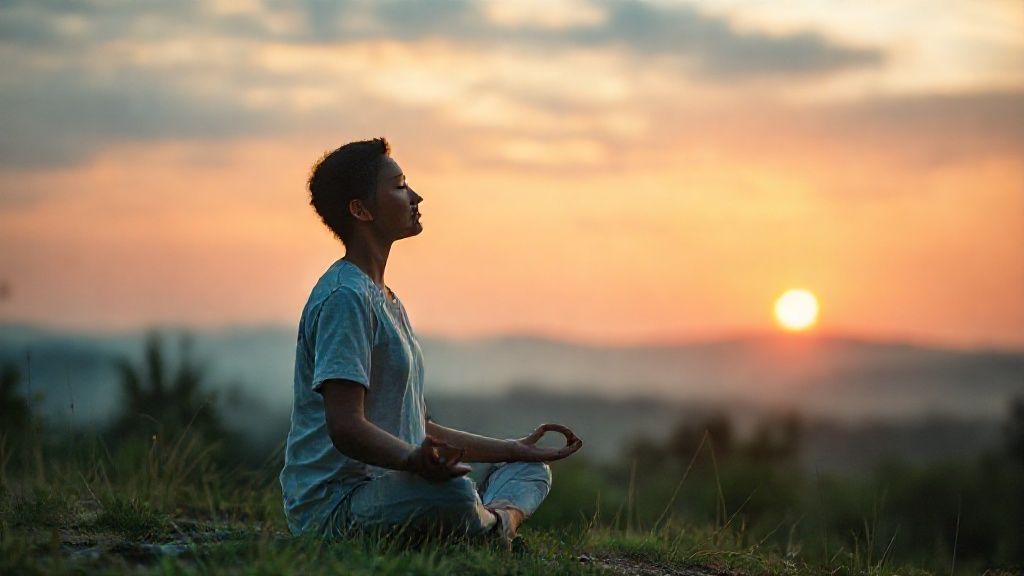
冥想的十大益处:科学佐证的指南,助您获得更平静、更健康的生活——生活
In our fast-paced, constantly connected world, do you ever find yourself overwhelmed by the relentless stream of notifications, deadlines, and responsibilities? That feeling of being perpetually “on” has become the new normal for millions. We’re all searching for that elusive state of calm—a way to quiet the mental chatter and find some peace amidst the chaos.
What if the solution wasn’t another productivity hack, a new supplement, or an expensive wellness retreat? What if it was a practice that’s been available to humanity for thousands of years, requires no special equipment, and is completely free? Meditation, the practice of training your awareness and attention, has been scientifically shown to reduce stress, improve focus, and even enhance physical health. Here are the 10 most impactful benefits you can experience by making meditation a regular part of your life.

Understanding the “Why”: More Than Just Sitting Quietly
Many people mistakenly believe meditation is about “emptying your mind” or adopting specific spiritual beliefs. In reality, meditation is simply exercise for your brain—a practical method for training awareness and gaining a healthier perspective on your thoughts and emotions. Think of it as mental fitness: just as you might lift weights to strengthen your muscles, you meditate to strengthen your mind.
The benefits aren’t magical; they’re neurological and physiological. Through consistent practice, you’re literally rewiring your brain’s neural pathways. These changes are cumulative, meaning the more consistently you practice, the more profound and lasting the benefits become. If you’re completely new to this practice and wondering where to begin, our guide on 什么是引导冥想? breaks down the fundamentals in an accessible way.
The Top 10 Science-Backed Benefits of a Regular Meditation Practice
1. Reduces Stress and Manages Anxiety
This is perhaps the most well-known benefit of meditation, and for good reason. When you experience stress, your body releases cortisol and adrenaline—hormones that trigger the “fight-or-flight” response. While helpful in genuine emergencies, chronic elevation of these hormones can wreak havoc on your health.
Research consistently shows that meditation reduces activity in the amygdala, the brain’s alarm system, while strengthening connections between the amygdala and prefrontal cortex, which helps regulate emotional responses. This means meditators become less reactive to stressors and recover from stressful events more quickly. The result? Lower blood pressure, reduced inflammation, and an overall sense of calm. If you’re feeling overwhelmed right now and need immediate relief, try our 10分钟焦虑引导冥想 designed specifically to calm your nervous system.
2. Improves Focus and Lengthens Attention Span
In an age of endless distractions, our ability to concentrate has become fragmented. Meditation is essentially practice for your attention muscle. Whether you’re focusing on your breath, a mantra, or bodily sensations, you’re continually training your mind to return to a chosen anchor each time it wanders.
Studies using fMRI scans reveal that regular meditators have increased gray matter density in brain regions associated with learning, memory, and emotional regulation. This neurological strengthening translates to real-world benefits: better concentration at work or school, reduced mind-wandering, and improved ability to complete tasks without succumbing to distraction.
3. Enhances Self-Awareness and Emotional Health
Many of us operate on autopilot, reacting to emotions and thoughts without conscious awareness. Meditation creates what psychologists call “decentering”—the ability to observe your thoughts and feelings as temporary mental events rather than absolute truths.
This observational stance creates space between you and your reactions, allowing for more thoughtful responses rather than impulsive reactions. You begin to recognize habitual thought patterns, understand your emotional triggers, and develop greater emotional intelligence. This enhanced self-awareness is the foundation for meaningful personal growth and healthier relationships.
4. Promotes Better Sleep and Fights Insomnia
The struggle to quiet a racing mind at bedtime is all too common for many adults. Meditation addresses insomnia at its root by activating the parasympathetic nervous system—the body’s “rest and digest” mode—and reducing the cortisol levels that keep you alert.
Mindfulness meditation, in particular, has been shown to be as effective as prescription sleep medication for some people with chronic insomnia. By practicing non-judgmental awareness of thoughts and bodily sensations, you can break the cycle of sleep anxiety and transition more peacefully into rest. For a dedicated practice to unwind at night, explore our 就寝睡眠冥想 collection designed to guide you into deep, restorative sleep.
5. Can Help Control Pain
The relationship between meditation and pain management represents one of the most fascinating areas of mindfulness research. While meditation doesn’t eliminate pain sensations, it fundamentally changes your relationship to them.
Studies show that meditation can reduce pain intensity by 10-40% by deactivating brain regions responsible for processing the sensory component of pain and activating regions involved in pain regulation. Regular practitioners develop the ability to observe discomfort without the additional layer of suffering created by resistance and catastrophic thinking. This doesn’t mean you should replace medical treatment with meditation, but it can be a powerful complementary approach for chronic pain conditions.

6. May Decrease Blood Pressure
High blood pressure contributes to atherosclerosis (hardening of the arteries), which can lead to heart attack, stroke, and other cardiovascular problems. Meditation appears to help lower blood pressure by relaxing the nerve signals that coordinate heart function, blood vessel tension, and the “fight-or-flight” response.
A Harvard Medical School study found that meditation techniques trigger the body’s relaxation response, helping blood vessels dilate and reducing blood pressure. While meditation shouldn’t replace prescribed blood pressure medications, it can be an effective complementary strategy that also addresses the stress components often underlying hypertension.
7. Cultivates Kindness and Compassion (Metta)
Certain meditation practices, particularly Loving-Kindness Meditation (Metta), are specifically designed to enhance feelings of kindness and connection toward yourself and others. This isn’t just touchy-feely idealism—it’s a practice with measurable psychological and social benefits.
Research shows that Loving-Kindness Meditation increases positive emotions, decreases negative ones, and enhances interpersonal connections. Regular practitioners show increased activity in brain regions associated with empathy and emotional processing. Perhaps most remarkably, these changes can be detected after just a few weeks of consistent practice. To begin cultivating this transformative quality, use our 5分钟慈心冥想引导词 to start sending kindness to yourself and others.
8. Helps Combat Depression and Low Mood
While meditation isn’t a cure for clinical depression, it can be an powerful component of a comprehensive treatment plan. Mindfulness-Based Cognitive Therapy (MBCT), which combines mindfulness practices with cognitive behavioral techniques, has been shown to reduce relapse rates in people with recurrent depression by nearly 50%.
Meditation helps by creating space to observe negative thought patterns without identifying with them. Instead of getting caught in rumination—the repetitive cycling of negative thoughts—you learn to see thoughts as mental events that come and go. This breaks the cycle of depressive thinking and provides tools to navigate low moods more skillfully. For those struggling with persistent low mood, this resource can help you understand the best types of meditation for depression.
9. Improves Memory and Cognitive Function
The cognitive benefits of meditation extend beyond attention to include memory and overall mental performance. The same prefrontal cortex regions that show increased activity during meditation are crucial for working memory—the ability to temporarily hold and manipulate information.
Studies suggest that regular meditation can slow age-related cognitive decline and even improve performance on standardized tests of information processing and executive function. By reducing stress (which impairs memory formation) and strengthening neural connections, meditation helps keep your mind sharp and responsive at any age.
10. Strengthens Resilience and Your Ability to “Bounce Back”
Resilience—the capacity to recover quickly from difficulties—isn’t an innate trait but a skill that can be developed. Meditation builds resilience by changing how you respond to challenges rather than eliminating challenges altogether.
Through regular practice, you develop what’s known as “response flexibility”—the ability to pause before reacting, consider options, and choose the most adaptive response. This mental space prevents you from being hijacked by emotions during difficult moments and enables you to navigate life’s inevitable ups and downs with greater grace and equilibrium.

How to Get Started: Making Meditation a Habit
If you’re feeling inspired but unsure where to begin, remember this: the perfect meditation practice is the one you actually do. You don’t need to sit for hours in lotus position or achieve a state of blissful emptiness. Starting small and being consistent is far more important than duration or perfection.
Start with Short, Guided Sessions
For beginners, guided meditations are invaluable because they provide structure and gentle instruction. Your mind will wander—that’s completely normal and expected. The practice isn’t about preventing thoughts but noticing when you’ve become distracted and gently returning your attention.
Perfect for fitting into even the busiest schedule, try our 5分钟引导冥想 to build consistency without overwhelm. When you’re ready for a slightly longer session, we recommend this 10-minute calming mindfulness practice to deepen your experience.
Use Tools and Resources to Support Your Journey
Many people find that using meditation apps, scripts, or calming music helps maintain their practice, especially in the beginning when establishing the habit.
Discover the best tools available in our review of the top meditation apps like Headspace that can guide your journey. If you prefer reading and following written guidance, browse our library of 免费的放松引导式冥想脚本 :若某天中断练习,请勿自责,次日重新开始即可。.
Frequently Asked Questions About Meditation (FAQ)
Q: I can’t clear my mind. Am I doing it wrong?
A: This is perhaps the most common meditation misconception. The goal is not to stop thoughts but to observe them without getting swept away. Every time you notice your mind has wandered and gently bring it back, you’re doing the practice correctly. That moment of awareness is the meditation.
Q: How long do I need to meditate to see the benefits?
A: Research shows that even 5-10 minutes daily can yield noticeable results. Consistency is far more important than duration. A daily 5-minute practice will benefit you more than an hour once a month. For the busiest schedules, try this 1分钟呼吸练习开始 to reset instantly during stressful moments.
问:最适合初学者的冥想类型是什么?
答:引导式冥想对初学者极为有益,其提供的指导和结构能使练习更易上手。您可以从我们精选的 最适合初学者的免费引导式冥想 开始您的旅程,这些内容专为冥想新手设计。.
问:冥想能帮助缓解严重的焦虑或抑郁吗?
答:冥想作为一种强大的辅助练习,能显著改善相关症状,但它不应替代针对临床病症的专业心理治疗或医学治疗。如果您正经历严重的焦虑或抑郁,请在将冥想作为支持性练习进行探索的同时,务必咨询专业医疗人员。.
总结与行动号召
科学证据明确表明:冥想的益处广泛、切实且人人可得。从减轻压力焦虑,到提升专注力、情绪健康乃至身体健康,这项古老的实践为现代问题提供了深刻的解决方案。.
最重要的步骤并非追求完美或开悟——而仅仅是开始。您不需要特殊技能、昂贵设备或大段的空闲时间。您只需要意愿和坚持。.
准备好亲身体验这些益处了吗?您无需数小时的静默。今天就从一次简短的引导练习开始您的旅程。. 立即尝试我们的10分钟呼吸冥想引导词 从第一次呼吸开始,培养那份等待着您的平静、专注与韧性。.