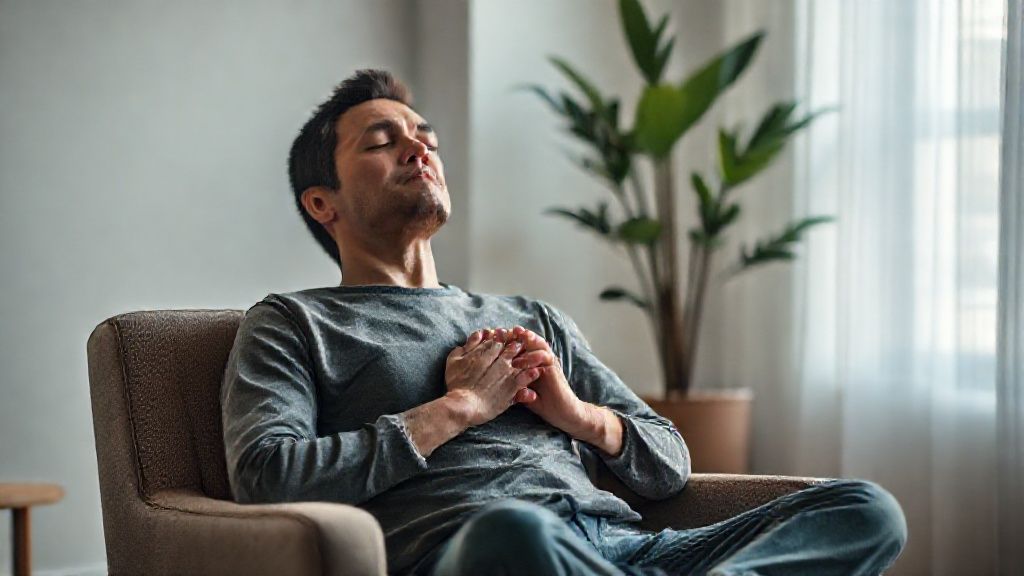
How Can I Relax Your Mind? 10 Science-Backed Techniques for Instant Calm
That feeling is all too familiar: your heart races, your thoughts spiral, and your shoulders creep up toward your ears. The noise in your head becomes so loud that finding a moment of peace feels impossible. In our constantly connected, high-pressure world, the question “How can I relax my mind?” isn’t just a casual query—it’s a desperate plea for mental respite.
To relax your mind, you need to engage the body’s natural relaxation response. The most effective ways include focused breathing exercises, guided meditations for calm, and simple mindfulness activities that ground you in the present moment. This guide will walk you through 10 accessible techniques you can start using today.
We’ll explore quick fixes you can use in a moment of panic, daily habits to build a more resilient nervous system, and resources to deepen your practice for lasting tranquility.

Understanding Your Mind’s Stress Response
Before we dive into the solutions, it helps to understand what’s happening inside you when you feel stressed. Your nervous system has two primary modes: the sympathetic (“fight or flight”) and the parasympathetic (“rest and digest”).
When you perceive a threat—whether it’s a looming deadline or a difficult conversation—your sympathetic nervous system kicks into high gear. It floods your body with cortisol and adrenaline, sharpening your focus, increasing your heart rate, and preparing you for action. This is incredibly useful when facing a real, physical danger. The problem is, our modern brains often interpret non-life-threatening situations as emergencies, keeping us locked in a state of chronic, low-grade stress.
The goal of all the techniques in this article is to consciously activate your parasympathetic nervous system—the “rest and digest” mode. This is your body’s built-in relaxation response. It slows your heart rate, lowers your blood pressure, and promotes a state of calm and recovery. By learning to trigger this response intentionally, you reclaim control over your mental state.
Quick & Easy Techniques for Instant Relief
These first few techniques are your emergency toolkit. They require no special equipment, can be done anywhere, and take less than two minutes to shift your state from frantic to focused.
The 1-Minute Breathing Reset
Your breath is the most powerful and readily available tool for calming your nervous system. By changing your breathing pattern, you can send a direct signal to your brain that it’s safe to relax.
Box Breathing Technique:
1. Inhale slowly through your nose for a count of 4.
2. Hold your breath at the top for a count of 4.
3. Exhale slowly through your mouth for a count of 4.
4. Hold the emptiness at the bottom for a count of 4.
5. Repeat this cycle 3-5 times.
This technique, used by Navy SEALs to stay calm under pressure, is highly effective because it imposes a rhythm that disrupts the shallow, panicked breathing of stress. To follow a structured exercise, use this 1-минутного дыхательного упражнения.
The 5-Senses Grounding Method
When anxiety pulls you into a vortex of worries about the future, grounding brings you back to the safety of the present moment. The 5-4-3-2-1 method uses your senses to anchor you in the “here and now.”
Take a deep breath and slowly identify:
* 5 things you can see (a pen, a light switch, a speck of dust on your desk).
* 4 things you can feel (the texture of your clothes, the chair beneath you, the air on your skin).
* 3 things you can hear (the hum of a computer, distant traffic, your own breath).
* 2 things you can smell (your coffee, the air in the room, your own skin).
* 1 thing you can taste (the lingering taste of a meal, or just the neutral taste in your mouth).
This is a powerful form of the 5 senses mindfulness practice, which you can explore further here.
The Power of a 60-Second Pause
Sometimes, you just need to stop everything and reset. This is a mini-meditation you can do at your desk, in your car, or in a bathroom stall.
- Close your eyes or soften your gaze.
- Take one deep, intentional breath in, and a long, slow breath out.
- Silently ask yourself, “What is my experience right now?” Acknowledge any feelings—stress, tension, worry—without judgment.
- Take one more deep breath, and as you exhale, imagine releasing that tension.
- Gently open your eyes and return to your day.
For a ready-to-use script, our 2-минутный сценарий заземляющей медитации is perfect for extending this practice.
Building a Daily Relaxation Practice with Meditation
While quick fixes are essential, building a consistent meditation practice is like installing a permanent stress-filter in your mind. It changes your baseline, making you less reactive and more resilient over time.
Starting with Short, Guided Sessions
The idea of “clearing your mind” can be intimidating. Guided meditation removes this pressure. A teacher’s voice leads you through the process, offering gentle reminders to return your focus when your mind wanders—which it will, for everyone.
The benefits are profound: reduced activity in the brain’s “me center” (the Default Mode Network), which is responsible for mind-wandering and self-referential thoughts, and increased gray matter in areas related to emotional regulation. If you’re new, start with the лучшей управляемой медитации для начинающих to build confidence.
5-Minute Meditations for a Busy Schedule
You don’t need an hour of silent sitting to reap the benefits. A daily 5-minute practice can create significant shifts in your mental landscape. The key is consistency.
Try attaching your meditation to an existing habit. Right after you brush your teeth in the morning or right before you get into bed at night, commit to 5 minutes. This “habit stacking” makes it much easier to maintain. A 5-минутной утренней управляемой медитации». routine can set a positive tone for your entire day. For targeted relief, try this 5-минутная медитация от тревоги и для сна.
Deeper Sessions for Lasting Calm
As you become more comfortable, extending your practice can lead to deeper states of relaxation and insight. Longer sessions allow you to move beyond the initial settling-in period and access a more profound sense of peace and stillness.
Think of a 20-minute meditation not as a longer version of your 5-minute one, but as a deeper dive. It provides the space to thoroughly explore bodily sensations, work with challenging emotions, and cultivate qualities like compassion and patience. When you have more time, a 20-минутная управляемая медитация для снятия тревоги и остановки навязчивых мыслей can help break persistent cycles of worry.

Relaxing the Mind by Calming the Body
The mind and body are inextricably linked. Mental stress creates physical tension, and physical tension reinforces mental stress. Breaking this cycle is a powerful path to peace.
Progressive Muscle Relaxation & Body Scans
This technique involves systematically tensing and then relaxing different muscle groups in your body. By first deliberately creating tension, you become more aware of what it feels like and can then release it more completely.
How to do it:
1. Start with your feet. Curl your toes tightly for 5 seconds, then release completely, noticing the sensation of relaxation.
2. Move to your calves and thighs, squeezing the muscles for 5 seconds before releasing.
3. Continue this process up through your body: glutes, abdomen, hands, arms, shoulders, and even your face (clench your jaw and squint your eyes, then release).
This practice teaches you to recognize the subtle signs of tension in your body before they escalate into full-blown stress. For a guided version, a медитации сканирования тела для сна is excellent, even when you’re not in bed.
Mindful Movement and Walking
Meditation doesn’t have to be still. For many, focusing on the body in motion is a more accessible entry point. Mindful walking simply means walking with awareness.
Feel the sensation of your feet making contact with the ground. Notice the rhythm of your stride and the movement of your arms. When your mind wanders, gently bring it back to the physical sensations of walking. This combines well with other коротких упражнений на осознанность you can do throughout your day.
Creating a Relaxing Environment
Your surroundings have a significant impact on your mental state. A chaotic, cluttered, or overstimulating environment can subconsciously keep your nervous system on high alert.
- Declutter Your Space: A tidy space can promote a tidy mind. You don’t need to be a minimalist, but clearing off a single surface (your desk, a nightstand) can create a visual oasis of calm.
- Engage Your Senses: Consider soft lighting instead of harsh overhead lights. Introduce calming scents like lavender or sandalwood with a diffuser or candle. The most powerful sensory tool for relaxation is often sound. Using 10-минутный музыкальный трек для медитации in the background can significantly enhance your environment’s calming effect.
Leveraging Tools and Resources
Having the right support can make your journey to a calmer mind much smoother and more enjoyable.
Top-Rated Meditation Apps
Apps provide structure, variety, and guidance. They offer hundreds of meditations on specific topics—from stress and sleep to focus and anxiety—all in your pocket. Apps like Headspace и Calm are popular choices; you can compare them to other приложения, похожие на headspace to find your perfect fit.
Finding Professional Guidance
While self-guided practices are powerful, sometimes personalized guidance is what you need to overcome a plateau or address deep-seated patterns. For a more structured approach, consider an online meditation course or working with a сертифицированного тренера по осознанности.

Часто задаваемые вопросы (ЧАВО)
What is the fastest way to relax your mind?
The 1-Minute Breathing Reset or the 5-Senses Grounding Method are the fastest ways to interrupt stress and bring immediate focus. They work by directly influencing the nervous system and pulling your attention away from anxious thoughts and into the present moment.
How can I relax my mind from overthinking?
Overthinking requires breaking the thought loop. Guided meditations that focus on acceptance and letting go are highly effective, as they teach you to observe your thoughts without getting entangled in them. Our управляемая медитация от тревоги и депрессии, is specifically designed to address persistent, intrusive thoughts.
How do you relax a stressed mind?
A stressed mind needs a systemic approach: combine daily meditation to lower your overall stress baseline, quick breathing exercises to manage acute tense moments, and physical relaxation techniques to release the tension that stress stores in the body. For a comprehensive guide on this, see our post on exercises to release stress and anxiety.
Can sleep meditation help relax my mind during the day?
Absolutely. Sleep meditations are designed for deep relaxation and can be used during the day to achieve a state of profound calm, especially during breaks or when feeling overwhelmed. They often include slower pacing and body-focused relaxation that is effective at any hour. Try a short session like our 10-минутной медитацией для сна «Спокойствие», to experience this.
Заключение и призыв к действию (CTA)
Relaxing your mind isn’t about achieving a state of perpetual bliss; it’s about building the skill to navigate life’s inevitable stresses with more grace and less suffering. It’s a muscle that gets stronger with consistent, small practices. You don’t need to master all 10 techniques today.
Your one task is to choose just one technique from this article and try it right now. Feel the difference it makes, however subtle. That small victory is the foundation of a calmer mind.
Ready to make a lasting change? Start your journey to a calmer mind by exploring our library of управляемая медитация для спокойствия ума sessions. Find the perfect practice for you and commit to 5 minutes today.