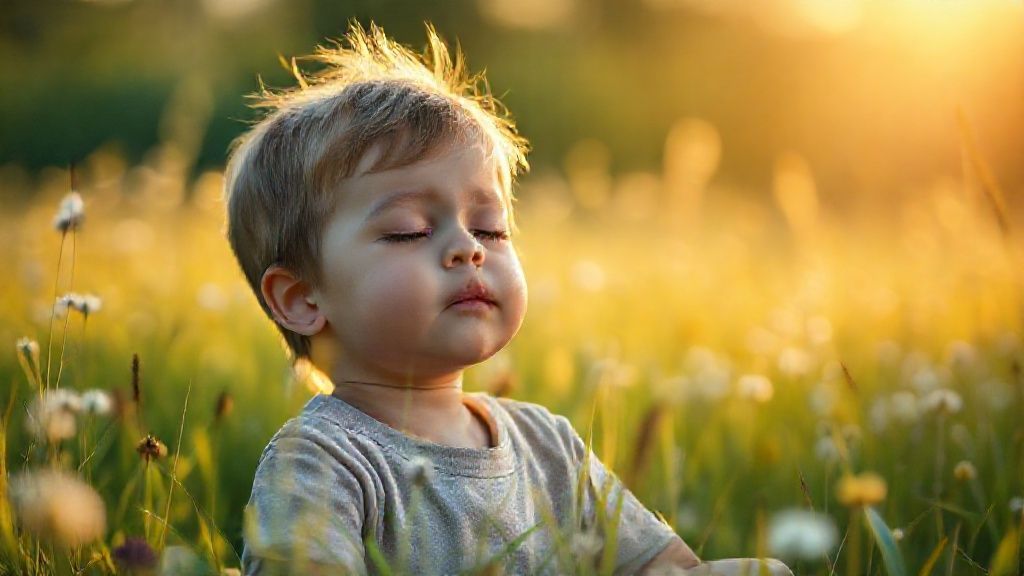
Медитация для детей: простое руководство к спокойствию, концентрации и счастью для детей
In today’s fast-paced, screen-filled world, children face more distractions and pressures than ever before. From academic demands to social challenges and constant digital stimulation, it’s no wonder many kids struggle with anxiety, focus issues, and emotional regulation. As parents, we watch our children navigate these turbulent waters and wonder: How can we give them tools to find their calm center?
Child meditation, or mindfulness for kids, is a powerful, evidence-based solution that helps children manage big emotions, improve concentration, and build lifelong resilience. This comprehensive guide will walk you through simple, effective techniques you can start using today to bring the transformative benefits of meditation into your child’s life.

Why Your Child Needs Meditation: The Science-Backed Benefits
The benefits of meditation for children extend far beyond momentary calm. Research from institutions like Harvard and UCLA demonstrates that regular mindfulness practice creates measurable changes in brain structure and function, particularly in areas responsible for emotional regulation, attention, and empathy.
Boosting Focus and Academic Performance
In an age of endless distractions, the ability to concentrate has become a superpower. Meditation trains the brain to notice distractions without getting swept away by them. Studies show that children who practice mindfulness demonstrate improved performance on attention-based tasks and academic tests. By strengthening their “attention muscle,” meditation helps children stay engaged in learning and complete tasks more efficiently.
Managing Anxiety and Big Emotions
Children experience the same spectrum of emotions as adults—frustration, disappointment, worry, anger—but lack the vocabulary and self-awareness to process these feelings constructively. Meditation teaches children to recognize emotions as temporary states rather than permanent realities. This emotional intelligence helps prevent meltdowns and builds resilience.
For techniques specifically designed to soothe anxiety, explore our управляемых медитаций от тревоги at по адресу https://mindfulnesspractices.life/guided-meditation-for-anxiety..
Improving Sleep Quality
A racing mind is the enemy of restful sleep, and many children struggle to quiet their thoughts at bedtime. Meditation creates a buffer between the stimulation of the day and the peace needed for sleep. Simple breathing exercises and visualization techniques signal to the nervous system that it’s safe to relax and unwind.
Establish a powerful bedtime routine with our dedicated медитаций для сна at https://mindfulnesspractices.life/sleep-meditation.
Getting Started: How to Teach Meditation to Your Child
Introducing meditation to children requires a different approach than adult practice. The goal isn’t perfection but familiarization with the process of noticing thoughts and feelings without judgment.
Keep it Short & Sweet: The Power of Mini-Meditations
Young minds aren’t built for extended periods of stillness. For preschoolers, start with 30-60 seconds. Elementary-aged children can typically handle 2-5 minutes, while preteens might enjoy 5-10 minute sessions. The key is ending while they’re still enjoying the experience, leaving them wanting more.
Try our 1-минутного дыхательного упражнения at https://mindfulnesspractices.life/1-minute-breathing-exercise as a perfect, no-fuss starting point.
Make it Fun, Not a Chore
Frame meditation as a special activity or game rather than a discipline. Use imaginative language—instead of “meditation,” try “mindful adventure” or “superpower training.” Incorporate props like breathing buddies (stuffed animals that rise and fall on their belly), chimes, or mindfulness jars with glitter. The more engaging you make the practice, the more likely your child will want to return to it.
Lead by Example
Children learn through observation. When they see you prioritizing your own mindfulness practice, they understand its value. You don’t need to be a meditation master—just authentic. Share when you’re feeling stressed and how a few mindful breaths help you. Practice together, making it a bonding experience rather than something you’re imposing on them.

5 Easy Child Meditation Techniques to Try Today
These simple exercises require no special equipment and can be adapted for children of different ages and temperaments.
The Balloon Breath (Belly Breathing for Kids)
This foundational technique teaches diaphragmatic breathing, which activates the parasympathetic nervous system and promotes calm.
How to practice: Have your child lie down and place a small stuffed animal on their belly. Instruct them to breathe in slowly through their nose, filling their belly with air like a balloon, making the animal rise. Then breathe out slowly through their mouth, deflating the balloon and lowering the animal. Repeat 5-10 times.
This is a foundational skill. Learn more about its importance for all ages in our guide to breathing for kids at https://mindfulnesspractices.life/breathing-for-kids.
The 5 Senses Scavenger Hunt
This grounding technique is perfect for anxious moments or transitions, helping children anchor themselves in the present.
How to practice: Guide your child to notice:
– 5 things they can see
– 4 things they can feel
– 3 things they can hear
– 2 things they can smell
– 1 thing they can taste
This exercise is based on the 5 senses mindfulness technique at https://mindfulnesspractices.life/5-senses-mindfulness, a proven way to anchor in the present.
The Kindness Wish (Loving-Kindness for Kids)
This practice cultivates empathy, compassion, and social connection—essential skills for navigating friendships and family relationships.
How to practice: Have your child repeat these phrases silently or aloud:
– “May I be happy and healthy”
– “May my family be happy and healthy”
– “May my friends be happy and healthy”
– “May all children everywhere be happy and healthy”
For a more structured script on this topic, our сценарий медитации Метта at https://mindfulnesspractices.life/metta-meditation-script offers a great framework.
Squish & Relax Muscle Relaxation
This body awareness practice helps children recognize and release physical tension that often accompanies emotional stress.
How to practice: Starting from toes to head, guide your child to tense each muscle group for 5 seconds (“squish”), then completely release (“relax”). Use playful imagery: “Squeeze your shoulders up to your ears like a turtle hiding in its shell, then let them drop down like melted butter.”
The Cloud Gazing Meditation (Guided Imagery)
This technique teaches children to observe thoughts without getting caught up in them—a fundamental mindfulness skill.
How to practice: Have your child imagine lying in a grassy field watching clouds drift by. Explain that thoughts are like clouds—they come, they go, and we don’t need to hold onto them. When a thought arises, they can mentally place it on a cloud and watch it float away.

Guided Meditations: Your Secret Weapon for Child Meditation
For many children (and parents!), guided meditations are the easiest entry point into practice. A calm, soothing voice provides direction that keeps wandering minds engaged and offers creative imagery that children might not generate on their own.
If you’re new to leading these practices, our article on как проводить управляемую медитацию at https://mindfulnesspractices.life/how-to-lead-a-guided-meditation provides excellent tips.
Finding the Right Guided Meditation for Your Child
Consider your child’s specific needs and interests when selecting guided meditations. For sleep issues, choose meditations with slower pacing and sleep-focused imagery. For anxiety, look for practices that emphasize grounding and safety. For focus challenges, select shorter, more engaging meditations that incorporate movement or sensory elements.
В качестве универсального варианта начните с одного из наших короткая управляемая медитация занятий в разделе https://mindfulnesspractices.life/short-guided-meditation.
Лучшие приложения и ресурсы для детской осознанности
Хотя экранное время часто является частью проблемы, технология при осознанном использовании также может стать частью решения. Несколько отличных приложений делают практику осознанности увлекательной и доступной для детей через истории, игры и понятные для ребенка инструкции.
Ознакомьтесь с нашей тщательно отобранной подборкой самых увлекательных и эффективных приложения для осознанности для детей at https://mindfulnesspractices.life/mindfulness-apps-for-kids.
Помимо приложений, рассмотрите книги, карточки и распечатываемые материалы, которые закрепляют концепции осознанности между формальными практиками.
Для офлайн-активностей наша коллекция распечатываемых рабочих листов по осознанности для детей в формате PDF at https://mindfulnesspractices.life/printable-mindfulness-worksheets-for-youth-pdf является бесценным ресурсом.
Часто задаваемые вопросы (ЧАВО) о детской медитации
С какого возраста лучше всего начинать детскую медитацию?
Практику осознанности можно адаптировать для любого возраста! Простые дыхательные упражнения и сенсорные активности можно начинать уже с 3-4 лет. Техники и продолжительность естественным образом будут развиваться по мере взросления вашего ребенка. Даже подростки могут получить огромную пользу от медитации, хотя подход, возможно, потребуется оформить иначе, чтобы он соответствовал их этапу развития.
Как долго должен медитировать ребенок?
Хорошее эмпирическое правило — примерно 1 минута на каждый год жизни. Для 5-летнего ребенка достаточно 5 минут. Для 10-летнего может быть уместно 10 минут. Однако качество важнее количества. Две минуты вовлеченной практики гораздо ценнее, чем десять минут сопротивления. Позвольте интересу и способностям вашего ребенка быть вашим ориентиром.
Мой ребенок не может сидеть спокойно во время медитации. Что мне делать?
Это совершенно нормально! Детская медитация не требует идеальной неподвижности. На самом деле, многие эффективные практики осознанности включают в себя движение. Попробуйте медитацию при ходьбе, когда вы замечаете каждый шаг, танцевальную осознанность, когда вы обращаете внимание на движения тела, или «Охоту на 5 чувств», упомянутую ранее. Цель — осознанность, а не физическая неподвижность.
В чем разница между осознанностью и медитацией для детей?
Медитация — это формальная практика тренировки внимания и осознанности, в то время как осознанность — это качество присутствия и внимательности, которое мы развиваем с помощью этой практики. Представьте это так: медитация — это упражнение, осознанность — это сила, которая в результате появляется. Вы можете практиковать осознанность в любое время и в любом месте — во время еды, ходьбы или даже во время разговоров. Для более глубокого погружения смотрите что такое управляемая медитация at https://mindfulnesspractices.life/what-is-guided-meditation.
Заключение
Детская медитация — это не о создании идеально спокойных детей, которые никогда не испытывают сильных эмоций. Скорее, это о том, чтобы дать им инструменты для навигации по всему спектру человеческого опыта с большей устойчивостью, самосознанием и состраданием. Преимущества выходят за рамки отдельного ребенка и создают более спокойную и близкую семейную динамику.
Помните, что постоянство гораздо важнее, чем идеальное исполнение. Несколько минут практики в большинство дней принесут больше результатов, чем редкие длительные сессии. Будьте терпеливы как со своим ребенком, так и с собой, исследуя эти практики вместе.
Готовы привнести больше спокойствия и близости в жизнь вашей семьи? Исследуйте нашу полную библиотеку управляемых медитаций и упражнений на осознанность, at https://mindfulnesspractices.life/mindfulness-activities-for-high-school-students чтобы найти идеальную практику для вашего ребенка уже сегодня вечером.