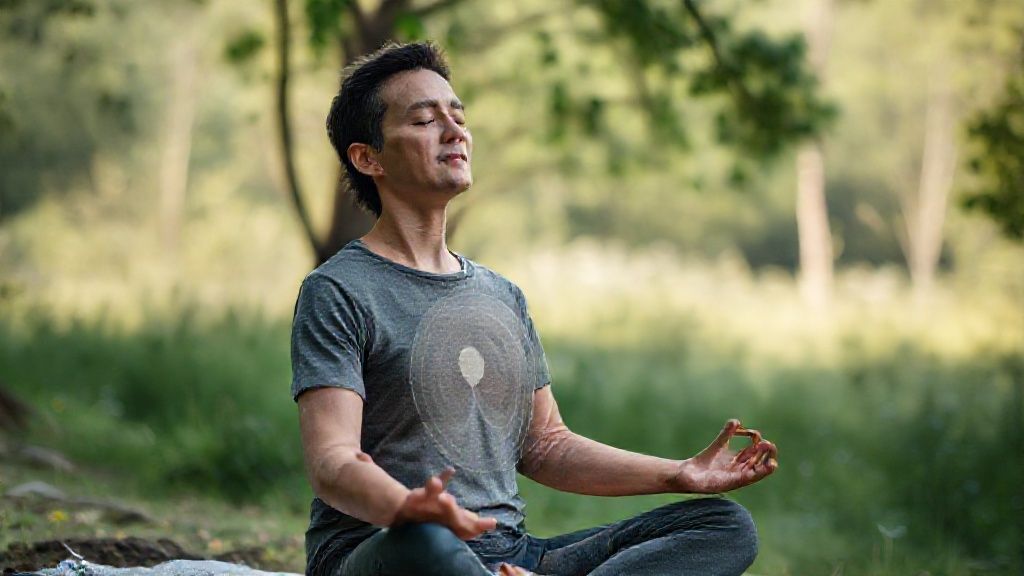
Регулирование дыхания: Полное руководство по контролю дыхания для мгновенного успокоения — Life

That moment when your heart starts racing, your thoughts spiral, and you notice your breathing has become shallow and rapid—we’ve all been there. Whether it’s a tight deadline, a difficult conversation, or just the cumulative stress of modern life, our bodies often signal distress through our breath before our minds even catch up.
Breath regulation is the conscious practice of controlling the pace, depth, and pattern of your breathing to directly influence your nervous system. It is a foundational tool used in meditation, yoga, and modern psychology to reduce stress, improve focus, and enhance overall well-being.
This comprehensive guide will demystify the science behind why something as simple as breathing differently can transform your mental and physical state. More importantly, we’ll provide practical, accessible techniques you can implement anywhere—from a 1-minute exercise at your desk to a dedicated 20-minute meditation session.
Why Breath Regulation Works: The Science of Breathing
To understand why breath regulation is so powerful, we need to explore the autonomic nervous system—the part of your body that controls automatic functions like heartbeat, digestion, and yes, breathing.
Your autonomic nervous system has two main components: the sympathetic nervous system (your “fight or flight” response) and the parasympathetic nervous system (your “rest and digest” mode). When you’re stressed, anxious, or in danger, your sympathetic nervous system kicks in, releasing cortisol and adrenaline, increasing your heart rate, and preparing your body for action. This is why stress makes your breathing rapid and shallow—your body thinks it needs extra oxygen for fighting or fleeing.
The remarkable thing about breathing is that it’s unique among autonomic functions: it happens automatically, but we can also control it consciously. This gives us a rare opportunity—we can use controlled breathing as a manual override to signal our brain to switch from sympathetic to parasympathetic dominance.
When you practice slow, deep, regulated breathing, you’re essentially sending a message to your brain: “Everything is safe. We can relax now.” This triggers a cascade of physiological changes:
- Lowered heart rate and blood pressure
- Reduced cortisol levels (the primary stress hormone)
- Increased oxygen delivery to your brain and tissues
- Improved heart rate variability (a key marker of resilience)
- Activation of the vagus nerve, which plays a crucial role in calming your entire system
The benefits extend beyond momentary relaxation. Regular practice can rewire your nervous system to be more resilient to stress, improve your focus and cognitive function, and even enhance emotional regulation.
Foundational Breath Regulation Techniques to Start With
Diaphragmatic Breathing (Belly Breathing)
Diaphragmatic breathing, often called “belly breathing,” is the cornerstone of most breath regulation practices. It ensures you’re breathing deeply and efficiently, engaging your diaphragm—the dome-shaped muscle at the base of your lungs.
Step-by-Step Instructions:
- Find a comfortable position, either sitting upright with your back straight or lying on your back.
- Place one hand on your chest and the other on your belly.
- Inhale slowly through your nose for about 4 seconds, focusing on expanding your belly rather than your chest. The hand on your belly should rise, while the hand on your chest remains relatively still.
- Exhale slowly through your mouth or nose for about 6 seconds, feeling your belly fall.
- Continue this pattern for 5-10 cycles, maintaining your focus on the rise and fall of your belly.
For those dealing with anxiety, this technique is a core component of диафрагмального дыхания для снижения тревоги.
The 4-7-8 Breathing Method for Sleep & Relaxation
Developed by Dr. Andrew Weil, the 4-7-8 technique is particularly effective for calming the nervous system and preparing for sleep. The extended exhalation is key to activating the parasympathetic response.
Step-by-Step Instructions:
- Sit with your back straight or lie down in bed.
- Place the tip of your tongue against the ridge of tissue behind your upper front teeth and keep it there throughout the exercise.
- Exhale completely through your mouth, making a whoosh sound.
- Close your mouth and inhale quietly through your nose for a count of 4.
- Hold your breath for a count of 7.
- Exhale completely through your mouth, making a whoosh sound, for a count of 8.
- This completes one cycle. Repeat for 3-4 cycles to start, gradually working up to 8 cycles.
This technique is perfect to incorporate into a nightly wind-down routine. Pair it with a dedicated управляемая медитация для сна for deeper rest.

Integrating Breath Regulation into Your Daily Life
The true power of breath regulation emerges when you move beyond occasional practice and integrate it into your daily routine. Here’s how to make breath work a natural part of your life.
For Instant Stress Relief (Under 5 Minutes)
When stress strikes unexpectedly, you don’t need a 30-minute meditation session to regain your equilibrium. Brief breath regulation practices can provide immediate relief.
The 1-Minute Reset: When you feel overwhelmed, pause and take just three deep, conscious breaths. Inhale for four counts, exhale for six counts. This simple practice can interrupt the stress response and give you a moment of clarity.
If you only have a moment, this 1-минутного дыхательного упражнения is perfect.
The 5-Minute Reset: Find a quiet space (even a bathroom stall will work), set a timer for five minutes, and practice diaphragmatic breathing or the 4-7-8 method. This gives your nervous system enough time to shift into a calmer state.
For a slightly longer reset, follow this 5-минутной управляемой медитации.
For a Focused Morning Routine
How you start your day often sets the tone for everything that follows. Incorporating breath regulation into your morning routine can help you approach the day with intention and calm clarity.
Try this: Before checking your phone or email, take five minutes for conscious breathing. Sit by a window if possible, and practice diaphragmatic breathing while setting an intention for your day. This simple practice can prevent you from being immediately reactive and instead help you approach your day proactively.
Start your day with clarity using a specific 5-минутной утренней управляемой медитации»..
For Managing Anxiety and Overthinking
When anxious thoughts begin to spiral, breath regulation serves as an anchor to the present moment. The physical sensation of breathing provides something tangible to focus on when your mind feels out of control.
The Anxiety Interruption Technique: When you notice anxiety building, immediately shift your attention to your breath. Don’t try to change it at first—just observe it. Then gradually begin to lengthen your exhalations. The extended exhalation is particularly effective for calming the nervous system.
Position breath work as a first-response tool for anxious thoughts. When feeling overwhelmed, a structured session can be incredibly helpful. Try this 20-минутная управляемая медитация для снятия тревоги и остановки навязчивых мыслей.
For Preparing for Sleep
Many people struggle with “monkey mind” at bedtime—when your thoughts won’t quiet down enough for sleep to come. Breath regulation is one of the most effective tools for transitioning from wakefulness to rest.
The Bedtime Breath Practice: Оказавшись в постели, выключите все экраны и свет. Начните с 5–10 циклов дыхания по методу 4-7-8. Если внимание рассеивается, мягко верните фокус на счет и ощущения от дыхания. Эта практика не только успокаивает нервную систему, но и дает занятому уму простое, повторяющееся задание для концентрации, вместо того чтобы погружаться в размышления.
Сочетайте эти дыхательные техники со сканированием тела, чтобы снять физическое напряжение. Узнайте как, в этом медитации сканирования тела для сна.

Углубление практики с помощью управляемой медитации
Хотя регуляцию дыхания можно практиковать самостоятельно, управляемые медитации могут значительно усилить вашу практику — особенно когда вы только начинаете или хотите углубить существующий опыт.
Управляемые медитации обеспечивают структуру и снимают умственную нагрузку от самостоятельного руководства, позволяя вам сосредоточиться исключительно на дыхании и текущем моменте. Опытный проводник может давать тонкие подсказки, которые помогут вам заметить аспекты вашего опыта, иначе упущенные.
Короткие сессии (5–10 минут)
Краткие управляемые сессии идеально подходят для выработки регулярности, особенно в напряженные дни. Они достаточно длинные, чтобы создать заметный сдвиг в вашем состоянии, но достаточно короткие, чтобы вписаться даже в самый насыщенный график.
Новы в практике? Краткая короткая управляемая медитация — отличный способ начать.
Для быстрого снятия тревоги эта 10-минутной медитации от тревожности очень эффективна.
Длинные сессии (15–20 минут)
Продолжительные управляемые сессии позволяют глубже исследовать регуляцию дыхания. Они дают вашей нервной системе достаточно времени, чтобы войти в состояние глубокого расслабления, и при регулярной практике могут быть особенно преображающими.
Чтобы повысить устойчивость и глубоко успокоить нервную систему, подойдет длинная сессия, например, эта 20-минутная медитация осознанности является идеальной.
Часто задаваемые вопросы по регуляции дыхания (оптимизировано для голосового поиска)
Какая дыхательная техника лучше всего подходит при тревоге?
Диафрагмальное дыхание и метод 4-7-8 высокоэффективны при тревоге. Ключ — медленные, глубокие выдохи, которые напрямую активируют реакцию расслабления организма. Для управляемой сессии, посвященной именно этому, попробуйте эту управляемых медитаций от тревоги.
Как мне регулировать дыхание для сна?
Сосредоточьтесь на техниках, удлиняющих выдох, таких как метод 4-7-8, и практикуйте их, лежа в постели, чтобы создать прочную ассоциацию со сном. Специальная медитация для сна может провести вас через этот процесс. Мы рекомендуем эту управляемую медитацию для глубокого сна.
Сколько времени нужно, чтобы регуляция дыхания подействовала?
Успокаивающий эффект можно почувствовать уже через 60–90 секунд. Ежедневная регулярная практика, даже всего по 5 минут, формирует долгосрочную устойчивость к стрессу. Чем регулярнее вы практикуете, тем быстрее и эффективнее ваше тело будет реагировать на техники регуляции дыхания.
Может ли регуляция дыхания помочь с концентрацией?
Безусловно. Успокаивая нервную систему, регуляция дыхания снижает внутренний диалог и настраивает мозг на устойчивое внимание, подобно упражнению на осознанность. Улучшите концентрацию с помощью специальных упражнений на фокусировку внимания.

Заключение и призыв к действию (CTA)
Регуляция дыхания, пожалуй, самый доступный, мощный и быстродействующий инструмент, который у нас есть для влияния на психическое и эмоциональное состояние. Он не требует специального оборудования, ничего не стоит и может практиковаться где угодно и когда угодно. Это больше, чем просто техника управления стрессом; это способ вернуть контроль над собственной нервной системой и cultivate основу спокойствия, которая поддерживает все аспекты вашей жизни.
Техники, изложенные в этом руководстве — от базовых практик, таких как диафрагмальное дыхание, до интегрированного применения в повседневной жизни — предлагают путь к большей устойчивости, концентрации и покою. Но чтение о регуляции дыхания — только первый шаг; истинное преображение происходит, когда вы делаете ее регулярной практикой.
Ваш призыв к действию прост: Выберите одну технику из этого руководства — возможно, метод 4-7-8 для сна или диафрагмальное дыхание для снятия стресса — и пообещайте себе практиковать ее сегодня. Для полноценного управляемого опыта, чтобы углубить практику, изучите нашу библиотеку управляемых медитаций на любой случай: от снятия стресса до сна.
Готовы испытать полную управляемую сессию? Начните с одного из наших самых популярных руководств для спокойствия ума с этой управляемой медитацией для спокойствия ума.