“`markdown
Plenitude Mental: O Que É e Como Alcançar uma Vida Presente e Engajada
Ever finished a task, a conversation, or even a meal and realized you were completely on autopilot? Your body was going through the motions while your mind was miles away—rehashing a past conversation, worrying about future deadlines, or lost in a stream of endless thoughts. That fragmented, distracted state is the exact opposite of full mindedness.
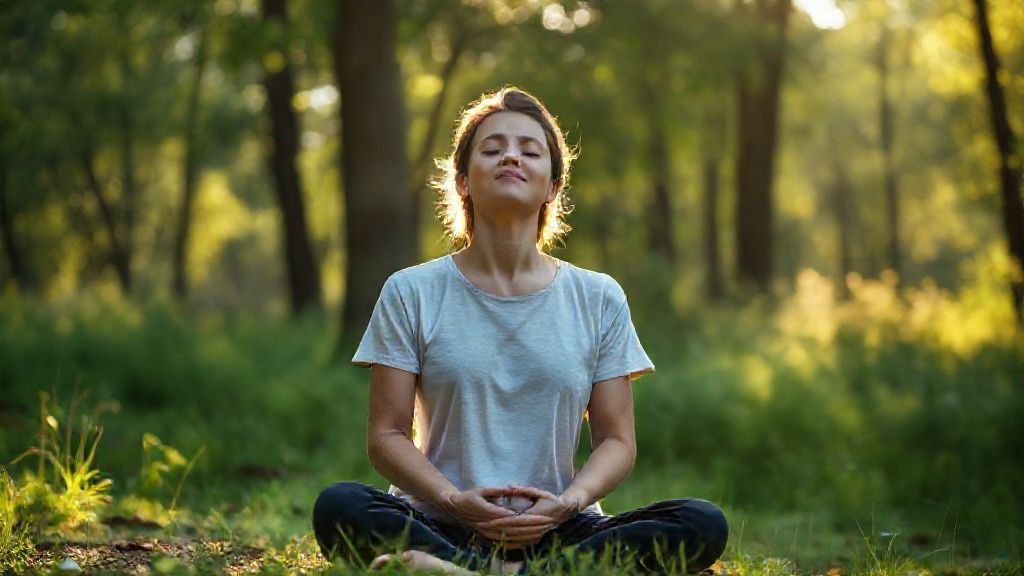
So, what is full mindedness? It’s the state of being fully present, aware, and engaged with the current moment, without judgment or distraction. It’s not about having a “full mind” of thoughts; it’s about bringing the full quality of your attention to whatever you’re doing, feeling, or experiencing right now. It’s the practical, accessible application of mindfulness in daily life. Cultivating this skill can dramatically reduce stress, sharpen your focus, and enhance your overall sense of well-being.

What Does “Full Mindedness” Actually Mean?
Many people hear “full mindedness” and mistakenly think it means having a head full of ideas or being stuck in overthinking. In reality, it’s the complete opposite. Full mindedness is a quality of attention and awareness. It’s the conscious choice to inhabit the present moment with your whole being.
Think of your attention as a spotlight. When you’re not fully minded, that spotlight is flickering wildly—jumping from a memory, to a worry, to a sound, to a task. Full mindedness is the practice of steadying that spotlight and intentionally directing it to one thing: the here and now. It means feeling the warmth of the sun on your skin as you walk, truly tasting the flavors of your food, or listening to a friend with your complete focus, without already formulating your response.
This foundational skill is often honed through practices like guided meditation, which provides a structured way to train your mind to return to the present.
The Surprising Benefits of Cultivating a Full Mind
Why make the effort to cultivate this skill? The benefits extend far beyond a few moments of peace; they can transform your relationship with your mind and your life.
Reduced Anxiety and Overthinking
Anxiety thrives in the past and future. It feeds on regrets about what has already happened and fears about what might happen. Full mindedness acts as a circuit breaker for this cycle. By anchoring your awareness in the present moment—a moment that is often perfectly manageable—you deprive anxiety of its fuel.
When you notice anxious thoughts arising, you learn to observe them without getting swept away by them. You recognize them as mere mental events, not absolute truths. This shift in perspective can be profoundly liberating. For immediate relief, a short, targeted practice like a meditação guiada para ansiedade can be incredibly effective. Even a short meditation for anxiety can reset your nervous system and bring you back to center.
Improved Focus and Mental Clarity
In a world of constant notifications and multitasking, our attention is perpetually fragmented. This “monkey mind” leads to mental fatigue, decreased productivity, and more mistakes. Full mindedness is the antidote. It is the practice of single-tasking—of doing one thing at a time with your full attention.
By regularly practicing full mindedness, you strengthen your brain’s ability to focus, much like lifting weights strengthens a muscle. This leads to greater mental clarity, improved problem-solving, and the ability to engage in deep work. If you want to specifically train this muscle, incorporating dedicated exercícios de foco de atenção into your routine can accelerate your progress.
Deeper Sleep and Relaxation
Have you ever lain in bed, exhausted but wide awake, because your mind won’t shut off? A busy, distracted mind is the enemy of restful sleep. Full mindedness helps you quiet the internal chatter. By learning to disengage from racing thoughts and anchor yourself in bodily sensations or the rhythm of your breath, you activate the body’s relaxation response.
This makes it much easier to transition into a peaceful sleep. Creating a pre-bed ritual with a bedtime sleep meditation can signal to your mind and body that it’s time to wind down. For a more profound rest, you might explore a longer meditação guiada para dormir e cura the body and mind.

How to Practice Full Mindedness in Daily Life
The beauty of full mindedness is that it doesn’t require you to overhaul your life. You can weave it into the fabric of your existing routine.
Start with Formal Meditation Practice
Think of meditation as the gym for your “full mindedness” muscle. A consistent formal practice gives you the strength and skill to be more mindful during the rest of your day. It’s a dedicated time to sit and practice anchoring your attention, often on your breath, and to gently guide it back when it wanders.
If you’re new to this, starting can be the biggest hurdle. The easiest way to begin is with a melhor meditação guiada para iniciantes, where a teacher’s voice leads you through the process. For those with a busy schedule, even a brief meditação guiada de 5 minutos mais popular each morning can set a powerful tone of presence for the entire day.
Simple Mindfulness Exercises for Anywhere
You don’t need to be on a cushion to practice. These mini-practices can be done anywhere, anytime.
- The 5 Senses Exercise: Take one minute to pause and notice:
- 5 things you can see.
- 4 things you can feel (your feet on the floor, the fabric of your shirt).
- 3 things you can hear.
- 2 things you can smell.
- 1 thing you can taste.
This practice violently pulls you out of your head and into your immediate sensory experience. You can learn more about this technique with a dedicated 5 senses mindfulness exercise.
- One-Minute Breathing: Simply focus your entire attention on the sensation of your breath for 60 seconds. Notice the cool air entering your nostrils and the warm air leaving. When your mind wanders, return to the breath. This is a perfect exercício de respiração de um minuto for a quick reset at your desk or in a stressful moment.
Bringing Full Mindedness to Routine Activities
Transform mundane tasks into opportunities for practice.
- Mindful Eating: Eat one meal a day without screens. Notice the colors, smells, textures, and flavors of your food. Chew slowly.
- Mindful Walking: As you walk, feel the ground beneath your feet. Notice the movement of your muscles and the air on your skin. Instead of thinking about your destination, just walk.
- Escuta Atenta: When someone is speaking, make a conscious effort to listen to understand, not to reply. Notice their tone, their expressions, and the meaning behind their words.
Superando Desafios Comuns na Sua Jornada
It’s normal to encounter obstacles. Recognizing them is the first step to moving past them.
“I Can’t Stop My Thoughts!”
This is the most common complaint, and it’s based on a misunderstanding. The goal of full mindedness is não to stop your thoughts. That would be like trying to stop the waves in the ocean. The goal is to learn to sit on the shore and watch them come and go without getting swept away.
Your job is not to clear your mind, but to observe your mind. When you notice you’ve been carried away by a thought, the simple act of noticing it and gently returning your attention to your anchor (like your breath) is the entire practice. That moment of awareness is a moment of full mindedness. Using a roteiro de meditação de desapego can provide you with the exact words to guide yourself through this process.
“I Don’t Have Time to Meditate”
This belief is a major barrier, but it’s often an illusion. You don’t need 30 minutes of silent meditation to benefit. Consistency is far more important than duration.
Start with literally one minute. Anyone can find one minute. The practice of a meditação de 3 minutos is a powerful testament to how much calm and clarity you can generate in a very short time. It’s about building the habit. Once you experience the benefits of those few minutes, you’ll likely find yourself wanting to make more time.

Ferramentas e Recursos para Aprofundar Sua Prática
You don’t have to do this alone. Many excellent resources can support your journey.
Top-Rated Meditation Apps
Apps provide structure, variety, and guidance, making it easier to build a consistent habit. They offer meditations for every possible need and timeframe. If you’re curious about the options beyond the most famous ones, you can explore a list of excellent aplicativos como o Headspace. For those struggling with rest, the best sleep apps often incorporate mindfulness principles directly into their programs.
Free Guided Meditations for Specific Needs
Sometimes you need a practice tailored to a specific moment or challenge.
- To set a positive tone, try a morning guided meditation as part of your waking-up routine.
- When stress feels overwhelming, a biblioteca de meditações guiadas calmantes can help soothe your nervous system.
- If you feel disconnected from your body, a meditação de varredura corporal is a profound way to bring loving awareness to physical sensations and release tension.
Frequently Asked Questions About Full Mindedness
What’s the difference between full mindedness and mindfulness?
They are essentially synonymous. “Mindfulness” is the more widely recognized term for the practice and the quality of awareness. “Full mindedness” is a more descriptive, plain-language term for the state that mindfulness aims to create—a mind that is fully present and engaged. You can think of mindfulness as the path, and full mindedness as the destination you experience along the way.
Quanto tempo demora a ver os benefícios?
Some benefits, like a sense of calm from a single breathing exercise, can be felt immediately. However, for lasting, transformative change in your default mental patterns, consistency is key. Many people report noticing significant shifts—like reduced reactivity and increased patience—within a few weeks of daily practice. It’s a cumulative effect.
Can full mindedness help with anxiety and depression?
Yes, absolutely. Full mindedness is a core component of evidence-based therapies like Mindfulness-Based Stress Reduction (MBSR) and Mindfulness-Based Cognitive Therapy (MBCT), which are specifically designed to prevent relapse in depression and manage anxiety. It helps by grounding you in the manageable present moment and changing your relationship with your thoughts. Learning specific técnicas de terapia de atenção plena can provide powerful tools for mental health.
I’m a skeptic. Is there science behind this?
Yes, and a growing body of it. Neuroscientific research has shown that consistent mindfulness practice can physically change the brain. It can:
* Increase gray matter density in areas associated with learning, memory, and emotion regulation.
* Decrease the size of the amygdala, the brain’s “fear center.”
* Strengthen the prefrontal cortex, which is responsible for executive functions like focus and decision-making.
Studies have consistently linked mindfulness to reduced levels of the stress hormone cortisol and improved immune response.
Conclusão e Chamada para Ação
Full mindedness is not a mysterious, elusive state reserved for monks on mountaintops. It is a simple, powerful, and profoundly accessible skill for improving your mental well-being. It’s the journey from living on autopilot to living with intention, from being lost in thought to being engaged in your life.
Remember, this is a journey of a thousand small steps, not a single leap. Every time you notice you’re distracted and gently guide yourself back to the present, you are succeeding. Every mindful breath, every conscious sip of tea, every moment of true listening is a victory.
Ready to move from autopilot to fully present? Begin your practice today and experience the difference for yourself. Start with a beginner-friendly guided meditation here.