
Mindful Meditation vs Transcendental: A Clear-Cut Guide to Choosing Your Path
If you’re comparing Transcendental Meditation (TM) and mindfulness meditation, you’re likely seeking a practice that fits your lifestyle and goals. The core difference is this: Mindfulness involves actively observing your present-moment thoughts and feelings without judgment, while TM uses a silent mantra to effortlessly transcend thought, promoting deep rest. Both practices offer profound benefits for mental wellbeing, but they approach meditation from fundamentally different angles. This comprehensive guide will break down exactly what sets them apart, their unique benefits, and how to determine which path aligns with your personality and objectives.

Understanding the Foundations: Two Philosophies, Two Approaches
Before diving into the comparison, it’s essential to understand the philosophical underpinnings of each practice. While both aim to cultivate mental peace and awareness, their approaches stem from different traditions and operate on distinct principles.
What Is Mindfulness Meditation?
Mindfulness meditation is the practice of purposefully paying attention to the present moment without judgment. It’s about cultivating awareness of what’s happening right here, right now—whether that’s your breath, bodily sensations, thoughts, or the environment around you.
Originating from Buddhist traditions dating back over 2,500 years, mindfulness has been widely secularized in contemporary practice. You don’t need to adopt any spiritual beliefs to benefit from mindfulness—it’s fundamentally a mental training technique.
The core principle of mindfulness is learning to observe your experience without getting caught up in it. When a thought arises, you acknowledge it without following it down a rabbit hole. When an emotion surfaces, you notice it without needing to suppress or express it. This creates a space between stimulus and response, giving you more choice in how you engage with your experience.
One of the most accessible mindfulness techniques is the meditação de varredura corporal, which you can explore through this 5 minute body scan script pdf.
What Is Transcendental Meditation (TM)?
Transcendental Meditation is a specific technique that involves silently repeating a personalized mantra to settle the mind into a state of restful alertness. Unlike mindfulness, TM doesn’t involve monitoring thoughts, controlling the mind, or concentrating. The practice is designed to be effortless—you simply think the mantra and allow your mind to naturally transcend toward quieter states of consciousness.
Developed by Maharishi Mahesh Yogi in the 1950s and derived from the ancient Vedic tradition of India, TM is taught through a standardized course by certified instructors. The technique gained popularity in the 1960s when The Beatles and other celebrities began practicing it.
The fundamental principle of TM is that by using a specific mantra assigned personally to you by a trained teacher, your mind can naturally settle inward, beyond the surface level of thinking, to experience what practitioners call “transcendental consciousness”—a state of pure awareness without content.
While TM traditionally involves a financial investment for proper instruction, you can learn about free TM resources to explore this practice further.
Head-to-Head Comparison: Key Differences Explained
Now that we understand the basic principles of each practice, let’s examine how they differ across several key dimensions. This comparison will help you identify which approach might better suit your temperament and goals.
Techniques & Mental Focus
The technical differences between these practices represent their most significant distinction:
Mindfulness Meditation typically involves:
– Anchoring attention on a specific object of focus (commonly the breath)
– Noticing when the mind has wandered
– Gently returning attention to the anchor without judgment
– Expanding awareness to include thoughts, emotions, and bodily sensations
– Developing a stance of curious observation toward all experience
Transcendental Meditation employs a different approach:
– Using a personalized mantra (a specific sound or vibration) provided by a teacher
– Allowing the mantra to repeat naturally in the mind without concentration or effort
– Settling inward as the mantra becomes increasingly subtle
– Eventually transcending the mantra itself to experience pure consciousness
– The practice is described as effortless and automatic
Goals & Primary Benefits
While both practices reduce stress and enhance wellbeing, they emphasize different outcomes:
Mindfulness Meditation aims to:
– Cultivate present-moment awareness in daily life
– Develop emotional regulation and resilience
– Reduce reactivity to challenging thoughts and feelings
– Enhance focus and concentration
– Foster acceptance and equanimity
Research has particularly supported mindfulness for managing anxiety, as it provides tools to work with anxious thoughts as they arise. If this is your primary concern, you might explore these meditação guiada para ansiedade .
Transcendental Meditation focuses on:
– Providing deep rest and dissolving accumulated stress
– Enhancing creativity and problem-solving abilities
– Promoting holistic brain development
– Increasing energy and vitality
– Accessing deeper states of consciousness
Studies on TM have shown significant reductions in cortisol (the stress hormone), lower blood pressure, and improved psychological wellbeing.
Learning & Accessibility
How you learn each practice differs considerably:
Mindfulness Meditation offers multiple entry points:
– Autodidata através de livros, aplicativos e recursos online
– Pode ser praticado em grupo ou individualmente
– Diversas tradições e abordagens disponíveis
– Altamente adaptável a diferentes horários e estilos de vida
– Muitos recursos gratuitos ou de baixo custo disponíveis
Se você é novo na prática, comece compreendendo a meditação guiada como um ponto de entrada acessível.
Transcendental Meditation segue um caminho mais estruturado:
– Tradicionalmente aprendido através de um curso padronizado de 7 etapas
– Requer instrução de um professor certificado de MT
– Envolve a atribuição de um mantra pessoal
– Inclui sessões de acompanhamento e suporte
– Normalmente envolve uma taxa única para acesso vitalício aos recursos
Tempo & Prática Diária
O comprometimento exigido para cada prática varia:
Mindfulness Meditation é notavelmente flexível:
– Pode ser praticada por qualquer duração—de um minuto a horas
– A prática formal sentada pode ser complementada com prática informal ao longo do dia
– Pode ser integrada em atividades diárias como caminhar, comer ou deslocamentos
– Sem regras rígidas sobre horário ou frequência
Para aqueles com tempo limitado, uma meditação de 5 minutos pode ser uma excelente maneira de estabelecer uma prática consistente.
Transcendental Meditation segue um protocolo específico:
– Praticada por 20 minutos, duas vezes ao dia
– Normalmente feita pela manhã antes do café e no final da tarde
– Requer sentar-se confortavelmente com os olhos fechados
– O tempo padronizado é considerado importante para resultados ideais
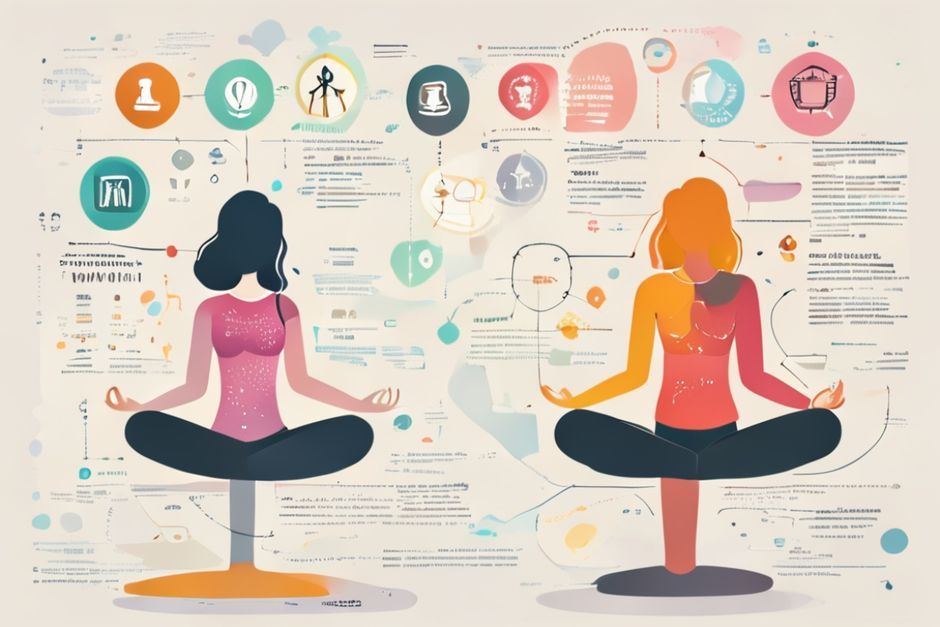
Qual Prática de Meditação é Certa para Você?
Agora que comparamos essas práticas em detalhe, como você determina qual se alinha com sua personalidade, objetivos e estilo de vida? Considere as seguintes diretrizes:
Escolha a Meditação da Atenção Plena Se Você…
- Quer entender e gerenciar seus padrões de pensamento: A atenção plena fornece excelentes ferramentas para trabalhar com pensamentos e emoções difíceis.
- Busca ferramentas para lidar com estresse e ansiedade em tempo real: As habilidades desenvolvidas na prática da atenção plena podem ser aplicadas ao longo do dia sempre que situações desafiadoras surgirem.
- Prefere uma prática flexível e autodirigida: A atenção plena pode ser adaptada para caber em qualquer agenda e não requer instrução formal ou investimento financeiro.
- Valoriza entender o “como” e o “porquê” por trás de sua prática: A atenção plena incentiva a investigação e a curiosidade sobre seus processos mentais.
- Quer melhorar sua presença nas atividades diárias: A atenção plena pode ser trazida para comer, conversar, trabalhar e virtualmente qualquer outra atividade.
Quando o estresse surge inesperadamente, ter uma ferramenta rápida pode ser inestimável—considere aprender este exercício de respiração de 1 minuto para calma instantânea.
Escolha a Meditação Transcendental Se Você…
- Está buscando relaxamento profundo e sistêmico e liberação do estresse: A MT é particularmente eficaz para acessar estados de descanso profundo.
- Prefere uma técnica estruturada e padronizada sem foco ativo: A natureza sem esforço da MT atrai aqueles que não querem “trabalhar” na meditação.
- Sente-se confortável com um processo de aprendizado formal e ensinado: A MT requer instrução inicial de um professor certificado.
- Valoriza a tradição e uma metodologia específica: A MT permaneceu praticamente inalterada em seu ensino por décadas.
- Quer uma prática que não requer monitoramento de pensamentos: A MT permite que você transcenda o pensamento em vez de observá-lo.
Começando Com Sua Prática
Qualquer caminho que você escolha, o passo mais importante é começar. Aqui estão maneiras práticas de começar a explorar cada prática:
Seus Primeiros Passos na Atenção Plena
- Comece pequeno: Comece com apenas 5-10 minutos diários em vez de tentar sessões mais longas que possam ser difíceis de manter.
- Use meditações guiadas: Aplicativos e recursos online podem fornecer estrutura e instrução úteis, especialmente no início.
- Estabeleça um horário consistente: Associar sua prática a um hábito existente (como depois de escovar os dentes) pode ajudar na consistência.
- Be patient and kind to yourself: It’s normal for the mind to wander—the practice is in gently returning, not in maintaining perfect focus.
A perfect starting point is this sessão de mindfulness de 10 minutos session designed specifically for beginners.
Exploring Transcendental Meditation Further
- Research official TM organizations: The Transcendental Meditation program has a structured teaching method with certified instructors worldwide.
- Attend a free introductory lecture: These sessions provide an overview of the technique and research behind it.
- Consider the investment: While TM involves financial commitment, many practitioners find the structured learning and ongoing support valuable.
- Connect with current practitioners: Speaking with people who practice TM can give you insight into the experience.
To find instruction near you, you can search for professores de meditação perto de mim who specialize in Transcendental Meditation.

Perguntas Frequentes (FAQ)
Q: Can I practice both TM and mindfulness?
A: Yes, many people do. They are complementary rather than contradictory. TM provides deep rest and stress release, while mindfulness cultivates daily awareness and presence. Some people practice TM twice daily and bring mindfulness to their activities throughout the day.
Q: Which is better for anxiety: mindfulness or TM?
A: Both are highly effective for anxiety, and research supports both approaches. Mindfulness gives you tools to manage anxious thoughts as they arise, developing a different relationship with worry. TM helps reduce the underlying physiological stress that contributes to anxiety. The “better” option depends on whether you prefer working directly with anxious thoughts (mindfulness) or accessing a state that naturally reduces anxiety (TM). For more options, you can explore these práticas de meditação específicas para ansiedade.
Q: Is TM really worth the cost?
A: This is subjective and depends on your resources and commitment. The cost covers personalized instruction from a certified teacher, follow-up sessions, and lifetime support. For many, the financial investment increases their commitment to the practice. Mindfulness has a much lower barrier to entry with many free resources available, though some people find the structure of TM helpful for consistency.
Q: How do I know if I’m meditating correctly?
A: In mindfulness, there’s no “wrong” way as long as you gently return your focus when you notice it has wandered. The attitude of kindness and curiosity is more important than perfect focus. In TM, correct practice is ensured through proper instruction from a qualified teacher. Generally, signs of effective practice in either method include increased calm, better stress management, improved sleep, and greater presence in daily life. For guidance on establishing consistency, these tips for establishing a consistent practice may be helpful.
Conclusão
Both mindfulness and Transcendental Meditation offer powerful pathways to greater peace, clarity, and wellbeing. The core distinction remains: mindfulness cultivates active awareness of the present moment, while TM uses a mantra to facilitate effortless transcending of thought.
Your choice ultimately depends on your personality, goals, and learning preferences. If you value flexibility, understanding your mind, and having tools for daily stress, mindfulness may be your ideal path. If you prefer a structured, effortless technique focused on deep rest and stress release, TM might better suit you.
Remember that the “best” meditation practice is the one you’ll actually do consistently. Both traditions have helped millions of people worldwide find greater peace and fulfillment.
Ready to experience the benefits for yourself? Regardless of the path you choose, the most important step is to begin. Explore our library of melhores sessões de meditação guiada sessions to start your journey today.
METADATA_START—
CATEGORIA: Mindfulness para Iniciantes
DISPLAY_TITLE: Mindful Meditation vs Transcendental: Choosing Your Practice
SEO_TITLE: Mindful vs Transcendental Meditation: Key Differences | 2025 Guide
META_DESC: Confused between mindful meditation vs transcendental? Our 2025 guide breaks down techniques, benefits & costs to help you choose the right practice.
IMG_PROMPT: A split scene showing two meditation approaches: left side shows mindfulness with person aware of surroundings, right side shows transcendental meditation with person in deep inner focus
IMG_ALT: Comparative visualization of mindful meditation vs transcendental meditation techniques and approaches
IMG_TITLE: mindful meditation vs transcendental – Visual Comparison
IMG_CAPTION: Two paths to peace: understanding the difference between mindful awareness and transcendental depth
IMG_DESC: This comparative illustration shows the distinct approaches of mindfulness meditation (observing present experience) and transcendental meditation (using a mantra to transcend thought)
—METADATA_END—