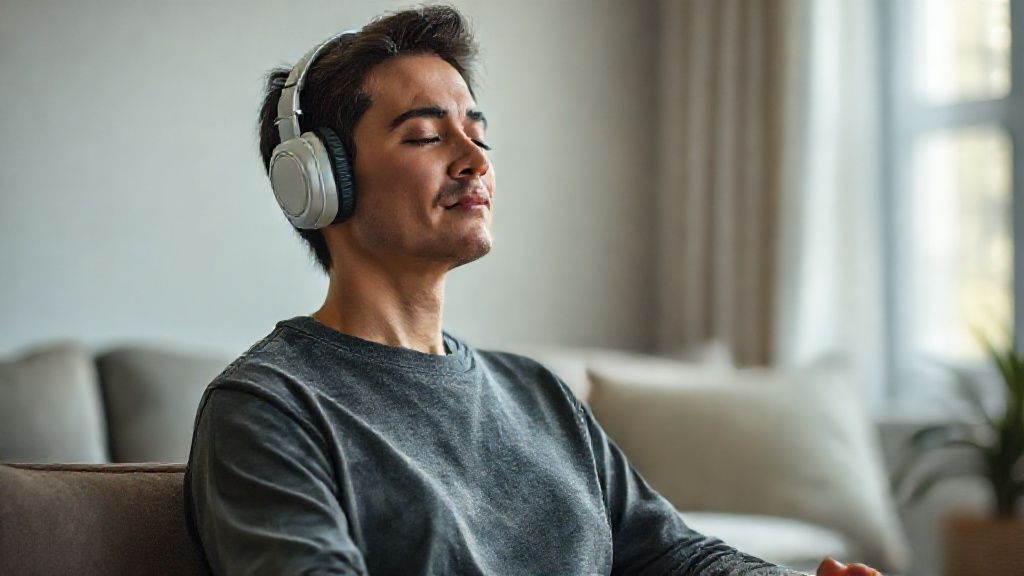
Encontrando Sua Calma: O Guia Definitivo para as Melhores Meditações Guiadas para Ansiedade e Depressão - Vida

If you’re reading this, you’re likely searching for relief from the heavy weight of anxiety or the draining fog of depression. You’re not alone, and there’s genuine hope. Guided meditation has emerged as one of the most powerful, evidence-based tools available to help manage these challenging conditions. But with countless options, how do you find what truly works?
The “best” guided meditation isn’t a one-size-fits-all solution. It’s the one that feels accessible to you, is led by a voice that resonates, and employs specific techniques proven to soothe your nervous system and quiet negative thought patterns. This comprehensive guide will walk you through our top recommendations across different durations, styles, and specific needs, helping you find your perfect match on the path to peace.
Understanding the Power of Meditation for Mental Wellness
Before diving into specific recommendations, it’s helpful to understand why guided meditation is so effective for anxiety and depression. These aren’t just vague relaxation techniques; they are practices that directly influence your brain and body’s stress response systems.
How Guided Meditation Soothes Anxiety
Anxiety is often characterized by a hyperactive nervous system—your body’s fight-or-flight response is constantly triggered, even when there’s no immediate danger. Guided meditation acts as a direct intervention. Scientifically, it helps calm the amygdala (the brain’s fear center), reduces cortisol (the stress hormone), and activates the parasympathetic nervous system, which is responsible for rest and digestion.
When you listen to a guide’s calming voice leading you through a meditation, you’re giving your overthinking mind a break. Instead of getting caught in spirals of “what if,” you’re gently guided to focus on your breath, body sensations, or a specific visualization. This shift in attention creates space from anxious thoughts and teaches your nervous system that it’s safe to relax. For a deeper look at the mechanics of calming the mind, explore our guide on calming guided meditation techniques.
How Guided Meditation Supports Depression Recovery
While anxiety is often about a future-oriented fear, depression can involve rumination on the past and feelings of worthlessness. Guided meditation supports depression recovery by helping to break these persistent negative thought cycles. Practices like mindfulness teach you to observe these thoughts without judgment, recognizing them as mental events rather than absolute truths.
Furthermore, specific meditations, such as Loving-Kindness (Metta), directly cultivate feelings of self-compassion and connection—antidotes to the isolation and self-criticism common in depression. By regularly practicing, you can begin to create new, more compassionate neural pathways. To explore a specific meditation style focused on emotional healing, learn about healing meditation practices.
What to Look For in a Top-Tier Guided Meditation
Not all guided meditations are created equal, especially when you’re dealing with anxiety and depression. Knowing what to look for can help you quickly identify sessions that will be most beneficial for you.
The Voice and Tone
The guide’s voice is arguably the most important element. It should be calm, reassuring, and non-judgmental. A voice that feels authentic and compassionate can make you feel supported and safe. If you find a voice grating, overly cheerful, or insincere, it’s perfectly okay to move on and find another guide. Your comfort is paramount.
Key Techniques for Anxiety and Depression
Look for meditations that incorporate these evidence-based techniques:
- Mindfulness of Breath: The foundation of most practices. Anchoring your attention to the breath provides a stable focus point when thoughts or feelings become overwhelming.
- Body Scan: This involves systematically bringing awareness to different parts of the body. It’s excellent for releasing physical tension held from anxiety and for reconnecting with your body if depression makes you feel numb or disconnected. To practice this core technique, you can use our body scan meditation script.
- Loving-Kindness (Metta): This practice involves directing well-wishes toward yourself and others. It directly counters the negative self-talk of depression and cultivates a sense of warmth and connection. For cultivating this kindness, try our roteiro de meditação da bondade amorosa.

Our Top Picks: The Best Guided Meditations for Anxiety & Depression
This is the core of your search—actionable recommendations tailored to different needs and time constraints. We’ve curated this list based on technique, guidance quality, and specific therapeutic benefits.
For Immediate Relief: Short & Powerful Sessions (5-10 Minutes)
When anxiety strikes or you’re feeling too low to focus for long, a short session can be a lifesaver. These are also perfect for building a consistent daily habit.
- The 5-Minute Reset: Ideal for a panic symptom or a stressful moment at work. These sessions typically focus on deep, calming breaths and a simple body check-in to ground you in the present moment. For a quick anxiety reset, try this meditação de 5 minutos para ansiedade.
- The 10-Minute Breathing Space: This duration allows for a slightly deeper dive. You can settle in, connect more fully with the breath, and observe the mind without getting swept away. To practice focused breathing, follow this roteiro de meditação respiratória de 10 minutos.
For Deep Work: Longer, Immersive Sessions (15-20 Minutes)
When you have the time and mental space, longer sessions allow you to work more deeply with the underlying patterns of anxiety and depression.
- The 15-Minute Mindfulness Anchor: A solid session for developing sustained focus and awareness. It often combines breath work with mindfulness of sounds, thoughts, and emotions, teaching you to relate to your inner experience differently. For a general longer session, explore this meditação guiada de 15 minutos.
- The 20-Minute Release: These are excellent for untangling persistent worry and overthinking. They may include longer body scans, guided visualizations for releasing tension, or specific inquiries into thought patterns. For a session specifically designed for this, use our meditação de 20 minutos para ansiedade e ruminação mental.
For Sleep and Night-Time Calm
Anxiety and depression are notorious for disrupting sleep, and poor sleep, in turn, worsens symptoms. Using guided meditation before bed can break this cycle by calming the mind and preparing the body for rest.
- Sleep-Specific Visualizations: These meditations use calming stories or imagery (like walking through a forest or floating on a cloud) to gently lure the mind away from worries and into a state conducive to sleep. For a dedicated sleep session, listen to this meditação guiada para sono e ansiedade.
- Body Scan for Sleep: A classic for a reason. Progressively relaxing each part of the body from head to toe is a powerful way to release the physical day’s tension and drift off naturally. For a body-focused sleep aid, try this **meditação de varredura corporal para dormir**.

Building Your Sustainable Meditation Practice
Finding the perfect meditation is one thing; making it a consistent part of your life is another. Consistency is far more important than duration.
Starting Small: The Key to Consistency
The biggest mistake beginners make is being overly ambitious. Committing to 20 minutes a day can feel daunting and lead to quitting. It is far better to meditate for 5 minutes every day than for 30 minutes once a week. The daily repetition is what rewires your brain. Set a small, achievable goal and stick to it. For absolute beginners, start your journey with our guided meditation for beginners.
Integrating Mindfulness into Your Daily Life
Your practice doesn’t have to be confined to the cushion. You can bring mindful awareness to everyday activities to support your mental health throughout the day.
- The One-Minute Breath: Before starting a new task or when feeling overwhelmed, simply stop and take three to five conscious, deep breaths. This acts as a “reset” button for your nervous system. For a super-short practice, learn this exercício de respiração de um minuto.
- Mindful Walking: Feel the sensation of your feet touching the ground with each step.
- The STOP Practice: Periodically throughout the day: Stop what you’re doing. TRespire fundo. OObserve seus pensamentos, emoções e sensações corporais. PProssiga com maior consciência. Para técnicas de aterramento, utilize estas breve roteiro de meditação de aterramento.
Ferramentas e Recursos Complementares
A meditação guiada é uma ferramenta poderosa por si só, mas pode ser ainda mais eficaz quando apoiada por outros recursos.
Aplicativos Úteis de Meditação
Os aplicativos oferecem estrutura, variedade e acompanhamento, o que pode ser incrivelmente motivador. Eles abrigam bibliotecas de meditações para todas as necessidades possíveis, frequentemente conduzidas por instrutores de classe mundial. Para comparar os principais aplicativos disponíveis, consulte nossa lista de aplicativos como o Headspace.
Aprendizado e Suporte Adicionais
- Terapia de Atenção Plena (Mindfulness): Modalidades como a Terapia Cognitiva Baseada em Mindfulness (MBCT) são especificamente projetadas para prevenir recaídas na depressão e são altamente eficazes para a ansiedade. Para aqueles que consideram orientação profissional, saiba mais sobre técnicas de terapia de atenção plena.
- Compreendendo os Fundamentos: Se você ainda está curioso sobre os fundamentos, uma explicação clara pode solidificar sua prática. Para entender a base, leia sobre o que é meditação guiada.
Perguntas Frequentes (FAQ)
A Meditação Guiada Pode Substituir a Terapia para Ansiedade e Depressão?
Resposta: A meditação guiada é uma ferramenta complementar poderosa e uma forma de autocuidado, mas não substitui o diagnóstico e tratamento profissional de um terapeuta ou médico qualificado, especialmente para ansiedade e depressão clínicas. Recomendamos fortemente usá-la em conjunto com a terapia, e não como substituto.
Quanto Tempo Leva para a Meditação Guiada Funcionar na Ansiedade?
Resposta: Muitas pessoas sentem uma calma imediata durante ou logo após uma sessão, devido à ativação da resposta de relaxamento. No entanto, para mudanças duradouras nos padrões cerebrais e uma mudança fundamental na sua relação com a ansiedade, geralmente é necessária uma prática diária consistente por várias semanas. Pense nisso como treinar um músculo — ele fica mais forte com exercício regular.
Não Consigo Ficar Parado e Minha Mente Não Para. A Meditação Ainda é para Mim?
Resposta: Absolutamente. Esta é talvez a experiência mais comum, especialmente no início. O objetivo da meditação não é parar seus pensamentos ou alcançar uma mente perfeitamente vazia. A prática está em perceber que sua mente divagou e, gentilmente, sem julgamento, trazer seu foco de volta à âncora (como a respiração ou a voz do guia). Cada vez que você faz isso, está fortalecendo seu “músculo” da atenção plena. Começar com sessões mais curtas pode tornar esse processo muito mais gerenciável. Para uma opção muito breve, comece com esta meditação guiada de 3 minutos.
Qual é o Melhor Horário do Dia para Meditar para a Depressão?
Resposta: Não há um único horário “melhor” para todos, e vale a pena experimentar. Uma sessão matinal pode ajudar a definir um tom positivo e aterrado para o dia, tornando-o mais resiliente a padrões de pensamento negativos. Uma sessão noturna pode ajudá-lo a processar os eventos do dia e acalmar a mente para um sono melhor. O fator mais importante é escolher um horário que você possa manter consistentemente.
Conclusão e Chamada para Ação
Encontrar a meditação guiada “ideal” para ansiedade e depressão é uma jornada pessoal de exploração. O que ressoa profundamente com uma pessoa pode não ressoar com outra. As recomendações e recursos fornecidos aqui foram projetados para ser seu ponto de partida perfeito, oferecendo vários caminhos para o mesmo destino: uma mente mais calma e equilibrada.
Lembre-se, a jornada de mil milhas começa com um único passo — ou, neste caso, com uma única respiração. Você não precisa ter uma mente quieta para começar; você só precisa começar para encontrar uma mente mais tranquila.
Pronto para encontrar sua paz? Explore nossa extensa biblioteca de meditações guiadas gratuitas e comece hoje mesmo sua jornada para um você mais calmo e resiliente.