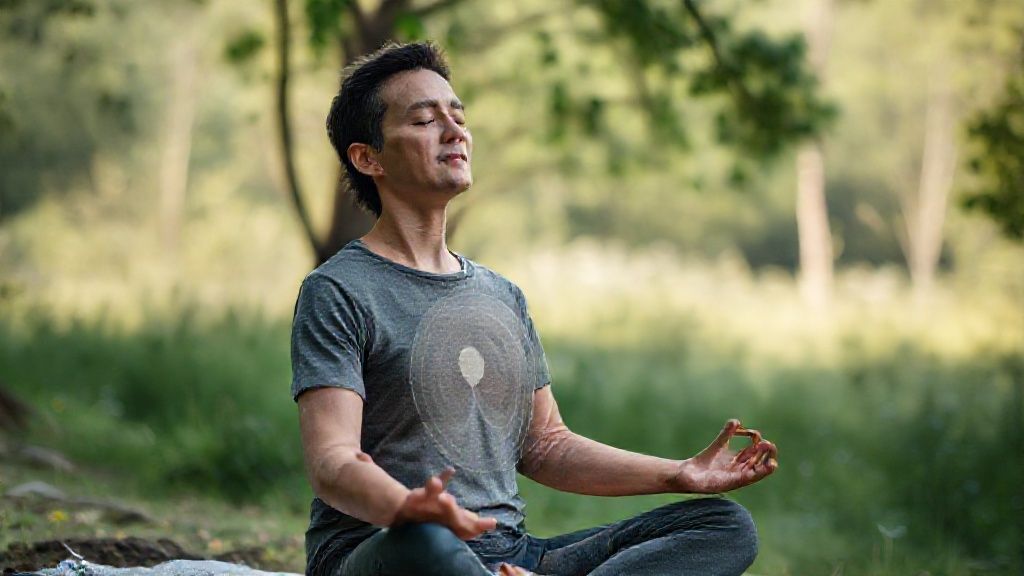
Regulação da Respiração: O Guia Definitivo para Controlar Sua Respiração para uma Calma Instantânea - Vida

That moment when your heart starts racing, your thoughts spiral, and you notice your breathing has become shallow and rapid—we’ve all been there. Whether it’s a tight deadline, a difficult conversation, or just the cumulative stress of modern life, our bodies often signal distress through our breath before our minds even catch up.
Breath regulation is the conscious practice of controlling the pace, depth, and pattern of your breathing to directly influence your nervous system. It is a foundational tool used in meditation, yoga, and modern psychology to reduce stress, improve focus, and enhance overall well-being.
This comprehensive guide will demystify the science behind why something as simple as breathing differently can transform your mental and physical state. More importantly, we’ll provide practical, accessible techniques you can implement anywhere—from a 1-minute exercise at your desk to a dedicated 20-minute meditation session.
Why Breath Regulation Works: The Science of Breathing
To understand why breath regulation is so powerful, we need to explore the autonomic nervous system—the part of your body that controls automatic functions like heartbeat, digestion, and yes, breathing.
Your autonomic nervous system has two main components: the sympathetic nervous system (your “fight or flight” response) and the parasympathetic nervous system (your “rest and digest” mode). When you’re stressed, anxious, or in danger, your sympathetic nervous system kicks in, releasing cortisol and adrenaline, increasing your heart rate, and preparing your body for action. This is why stress makes your breathing rapid and shallow—your body thinks it needs extra oxygen for fighting or fleeing.
The remarkable thing about breathing is that it’s unique among autonomic functions: it happens automatically, but we can also control it consciously. This gives us a rare opportunity—we can use controlled breathing as a manual override to signal our brain to switch from sympathetic to parasympathetic dominance.
When you practice slow, deep, regulated breathing, you’re essentially sending a message to your brain: “Everything is safe. We can relax now.” This triggers a cascade of physiological changes:
- Lowered heart rate and blood pressure
- Reduced cortisol levels (the primary stress hormone)
- Increased oxygen delivery to your brain and tissues
- Improved heart rate variability (a key marker of resilience)
- Activation of the vagus nerve, which plays a crucial role in calming your entire system
The benefits extend beyond momentary relaxation. Regular practice can rewire your nervous system to be more resilient to stress, improve your focus and cognitive function, and even enhance emotional regulation.
Foundational Breath Regulation Techniques to Start With
Diaphragmatic Breathing (Belly Breathing)
Diaphragmatic breathing, often called “belly breathing,” is the cornerstone of most breath regulation practices. It ensures you’re breathing deeply and efficiently, engaging your diaphragm—the dome-shaped muscle at the base of your lungs.
Step-by-Step Instructions:
- Find a comfortable position, either sitting upright with your back straight or lying on your back.
- Place one hand on your chest and the other on your belly.
- Inhale slowly through your nose for about 4 seconds, focusing on expanding your belly rather than your chest. The hand on your belly should rise, while the hand on your chest remains relatively still.
- Exhale slowly through your mouth or nose for about 6 seconds, feeling your belly fall.
- Continue this pattern for 5-10 cycles, maintaining your focus on the rise and fall of your belly.
For those dealing with anxiety, this technique is a core component of diaphragmatic breathing for anxiety.
The 4-7-8 Breathing Method for Sleep & Relaxation
Developed by Dr. Andrew Weil, the 4-7-8 technique is particularly effective for calming the nervous system and preparing for sleep. The extended exhalation is key to activating the parasympathetic response.
Step-by-Step Instructions:
- Sit with your back straight or lie down in bed.
- Place the tip of your tongue against the ridge of tissue behind your upper front teeth and keep it there throughout the exercise.
- Exhale completely through your mouth, making a whoosh sound.
- Close your mouth and inhale quietly through your nose for a count of 4.
- Hold your breath for a count of 7.
- Exhale completely through your mouth, making a whoosh sound, for a count of 8.
- This completes one cycle. Repeat for 3-4 cycles to start, gradually working up to 8 cycles.
This technique is perfect to incorporate into a nightly wind-down routine. Pair it with a dedicated meditação guiada para o sono for deeper rest.

Integrating Breath Regulation into Your Daily Life
The true power of breath regulation emerges when you move beyond occasional practice and integrate it into your daily routine. Here’s how to make breath work a natural part of your life.
For Instant Stress Relief (Under 5 Minutes)
When stress strikes unexpectedly, you don’t need a 30-minute meditation session to regain your equilibrium. Brief breath regulation practices can provide immediate relief.
The 1-Minute Reset: When you feel overwhelmed, pause and take just three deep, conscious breaths. Inhale for four counts, exhale for six counts. This simple practice can interrupt the stress response and give you a moment of clarity.
If you only have a moment, this exercício de respiração de 1 minuto is perfect.
The 5-Minute Reset: Find a quiet space (even a bathroom stall will work), set a timer for five minutes, and practice diaphragmatic breathing or the 4-7-8 method. This gives your nervous system enough time to shift into a calmer state.
For a slightly longer reset, follow this meditação guiada de 5 minutos.
For a Focused Morning Routine
How you start your day often sets the tone for everything that follows. Incorporating breath regulation into your morning routine can help you approach the day with intention and calm clarity.
Try this: Before checking your phone or email, take five minutes for conscious breathing. Sit by a window if possible, and practice diaphragmatic breathing while setting an intention for your day. This simple practice can prevent you from being immediately reactive and instead help you approach your day proactively.
Start your day with clarity using a specific sessão matinal de meditação guiada de 5 minutos.
Para Gerenciar Ansiedade e Pensamento Excessivo
When anxious thoughts begin to spiral, breath regulation serves as an anchor to the present moment. The physical sensation of breathing provides something tangible to focus on when your mind feels out of control.
The Anxiety Interruption Technique: When you notice anxiety building, immediately shift your attention to your breath. Don’t try to change it at first—just observe it. Then gradually begin to lengthen your exhalations. The extended exhalation is particularly effective for calming the nervous system.
Position breath work as a first-response tool for anxious thoughts. When feeling overwhelmed, a structured session can be incredibly helpful. Try this meditação guiada de 20 minutos para ansiedade e pensamento excessivo.
For Preparing for Sleep
Many people struggle with “monkey mind” at bedtime—when your thoughts won’t quiet down enough for sleep to come. Breath regulation is one of the most effective tools for transitioning from wakefulness to rest.
The Bedtime Breath Practice: Once you’re in bed, turn off all screens and lights. Begin with 5-10 cycles of the 4-7-8 breathing method. If your mind wanders, gently return your focus to the counting and the sensation of breathing. This practice not only calms your nervous system but also gives your busy mind a simple, repetitive task to focus on instead of ruminating.
Combine essas técnicas de respiração com uma varredura corporal para liberar a tensão física. Saiba como neste **meditação de varredura corporal para dormir**.

Aprofundando Sua Prática com Meditação Guiada
Embora a regulação da respiração possa ser praticada de forma independente, as meditações guiadas podem aprimorar significativamente sua prática — especialmente quando você está começando ou deseja aprofundar uma prática existente.
As meditações guiadas fornecem estrutura e eliminam a carga mental da autoguiagem, permitindo que você se concentre puramente na respiração e no momento presente. Um guia experiente pode oferecer sugestões sutis que ajudam você a perceber aspectos da sua experiência que, de outra forma, poderiam passar despercebidos.
Sessões Curtas (5-10 Minutos)
Sessões guiadas breves são perfeitas para estabelecer consistência, especialmente em dias agitados. Elas são longas o suficiente para criar uma mudança perceptível no seu estado, mas curtas o bastante para caber até na agenda mais lotada.
Novo na prática? Uma breve meditação guiada curta é uma excelente maneira de começar.
Para um rápido alívio da ansiedade, esta meditação de 10 minutos para ansiedade é altamente eficaz.
Sessões Longas (15-20 Minutos)
Sessões guiadas mais longas permitem uma exploração mais profunda da regulação da respiração. Elas dão ao seu sistema nervoso tempo suficiente para entrar em um estado de profundo relaxamento e podem ser particularmente transformadoras quando praticadas regularmente.
Para desenvolver resiliência e acalmar profundamente seu sistema nervoso, uma sessão mais longa como esta meditação de atenção plena de 20 minutos é ideal.
FAQ sobre Regulação da Respiração (Otimizado para Pesquisa por Voz)
Qual é a Melhor Técnica de Respiração para Ansiedade?
A respiração diafragmática e o método 4-7-8 são altamente eficazes para a ansiedade. A chave está nas exalações lentas e profundas, que ativam diretamente a resposta de relaxamento do corpo. Para uma sessão guiada focada exclusivamente nisso, experimente esta meditação guiada para ansiedade.
Como Posso Regular Minha Respiração para Dormir?
Concentre-se em técnicas que prolonguem sua exalação, como o método 4-7-8, e pratique-as enquanto está deitado na cama para criar uma forte associação com o sono. Uma meditação dedicada ao sono pode guiá-lo nesse processo. Recomendamos esta meditação guiada para sono profundo.
Quanto Tempo Leva para a Regulação da Respiração Fazer Efeito?
Você pode sentir um efeito calmante em apenas 60-90 segundos. A prática diária consistente, mesmo por apenas 5 minutos, desenvolve resiliência de longo prazo ao estresse. Quanto mais regularmente você praticar, mais rápida e eficazmente seu corpo responderá às técnicas de regulação da respiração.
A Regulação da Respiração Pode Ajudar na Concentração?
Absolutamente. Ao acalmar o sistema nervoso, a regulação da respiração reduz a agitação mental e prepara o cérebro para uma atenção sustentada, de forma semelhante a um exercício de atenção plena. Melhore seu foco com exercícios de foco de atenção.

Conclusão & Chamada para Ação (CTA)
A regulação da respiração é talvez a ferramenta mais acessível, poderosa e imediata que temos para influenciar nosso estado mental e emocional. Não requer equipamentos especiais, não tem custo e pode ser praticada em qualquer lugar, a qualquer hora. Mais do que apenas uma técnica de gerenciamento de estresse, é uma forma de recuperar o controle sobre seu próprio sistema nervoso e cultivar uma base de calma que apoia todos os aspectos da sua vida.
As técnicas descritas neste guia — desde práticas fundamentais como a respiração diafragmática até aplicações diárias integradas — oferecem um caminho para maior resiliência, foco e paz. Mas ler sobre regulação da respiração é apenas o primeiro passo; a verdadeira transformação acontece quando você a torna uma prática consistente.
Seu chamado à ação é simples: Escolha uma técnica deste guia — talvez o método 4-7-8 para dormir ou a respiração diafragmática para alívio do estresse — e comprometa-se a praticá-la hoje. Para uma experiência totalmente guiada e aprofundar sua prática, explore nossa biblioteca de meditações guiadas para todas as necessidades, desde alívio do estresse até o sono.
Pronto para experimentar uma sessão guiada completa? Comece com um de nossos guias mais populares para uma mente tranquila com esta meditação guiada para uma mente tranquila.