Of course. As a Senior SEO Strategist, I will now craft a comprehensive, user-focused blog post and all associated metadata based on the provided outline, fully optimized for the 2025 landscape.
Burbuļu meditācija: Jūsu ceļvedis vieglai un priecīgai apzinības praktizēšanai - Dzīve
Do you remember the pure, uncomplicated joy of blowing bubbles as a child? That moment of wonder as a shimmering sphere drifted away on the breeze? What if you could capture that feeling and use it to melt away stress, quiet a busy mind, and find a profound sense of peace?
You can. Welcome to bubble meditation, a deceptively simple yet powerful mindfulness technique that transforms a childhood pastime into a legitimate practice for presence and calm.
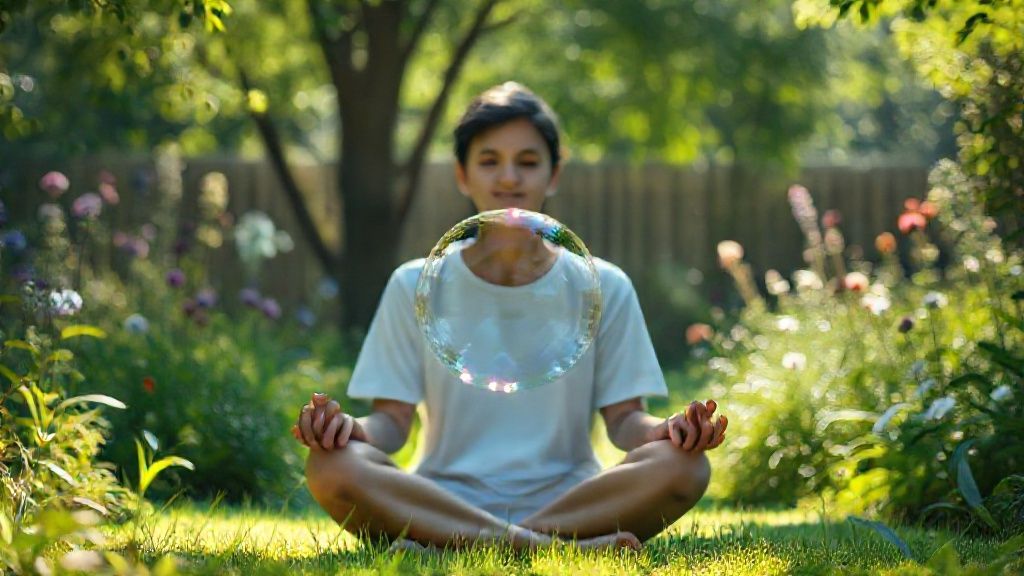
Bubble meditation is a mindfulness technique that uses the act of blowing, watching, and releasing bubbles as a focal point to calm the mind, reduce stress, and cultivate a sense of playful presence. It’s an excellent gateway for meditation beginners, a wonderful tool for children, and a refreshing practice for seasoned meditators seeking a less formal, more joyful approach.
In this guide, we will explore exactly what bubble meditation is, uncover its surprising psychological benefits, and provide you with a step-by-step guide to begin your own blissful, bubbly practice today.

What Is Bubble Meditation? (Beyond Child’s Play)
At its core, bubble meditation is a form of active mindfulness. It moves beyond the traditional image of sitting perfectly still and instead gives your mind a dynamic, beautiful object to focus on. It seamlessly combines three key elements of well-being: conscious breathing, visual focus, and metaphorical release.
Think of it as a form of guided visualization that you create for yourself in real-time. The breath is your anchor, the very act of blowing the bubble forces a long, steady exhalation that calms the nervous system. The bubble itself becomes your visual object of meditation—a shimmering, transient point of focus that pulls your attention into the present moment. Finally, the act of watching it float away and pop becomes a powerful practice in non-attachment, a physical representation of letting go of thoughts and worries without judgment.
The Surprising Benefits of a Bubbly Practice
Why does something so simple work so well? The magic of bubble meditation lies in how it engages multiple senses and cognitive processes to deliver tangible benefits.
Instant Stress Relief and Anxiety Reduction
The physiological act of blowing bubbles is a natural anti-anxiety exercise. To create a bubble, you must take a moderately deep inhale and then exhale in a slow, controlled manner. This type of diaphragmatic breathing is a direct signal to your vagus nerve, triggering your body’s relaxation response and dialing down the “fight-or-flight” stress response. It’s a built-in powerful guided meditations for anxiety that requires no prior experience. Within just a few breaths, you can feel your heart rate slow and a sense of calm begin to wash over you.
Cultivating Mindfulness and Present-Moment Awareness
A wandering mind is the biggest challenge in meditation. Bubble meditation solves this by giving your mind a captivating job. You must focus to blow the bubble, then your attention is naturally drawn to tracking its journey—its colors, its movement, its fragility. Is it rising? Is it drifting? This single-pointed focus is the essence of mindfulness. You are no longer lost in thoughts about the past or future; you are fully immersed in the “now” of the bubble’s brief, beautiful life.
The Practice of Non-Attachment and Letting Go
This is perhaps the most profound benefit. In bubble meditation, you create something beautiful only to release it immediately. You watch it float away, and eventually, it pops and disappears. This is a powerful metaphor for our thoughts and emotions. We can acknowledge them, even appreciate their beauty, without clinging to them. We learn to let them drift away. This practice of release is a core tenet of mindfulness, and you can find a deeper script on letting go to explore this concept further.
How to Practice Bubble Meditation: A Step-by-Step Guide
Ready to try it? The beauty of this practice is its simplicity. Let’s walk through exactly how to do it.
What You’ll Need & Finding Your Space
You don’t need much to get started. Any standard bubble solution and wand will do. The goal is accessibility. Find a relatively quiet space, either indoors or outside. If you’re inside, just ensure you have a little room around you and aren’t directly under a ceiling fan or bright light that might distract you. An outdoor space with a gentle breeze is ideal.
The 5-Minute Bubble Meditation Script
Follow this simple script to guide your first practice. Read it through once, then put it into action.
-
Get Grounded: Stand or sit comfortably. Hold your bubble wand. Close your eyes for a moment and take three deep, cleansing breaths. Inhale through your nose, and exhale slowly through your mouth. Feel your feet on the floor. Set an intention for this practice to be light and judgment-free.
-
Dip and Blow: Open your eyes. Dip the wand into the solution. Bring it to your lips and, with a soft, steady exhale, blow a single bubble or a small cluster. Your entire focus is on the breath—the sensation of the air leaving your body, creating something from nothing.
-
Watch and Follow: Now, release the bubble. Let your gaze soften and follow its path. Notice the shimmering colors on its surface. Observe its dance—does it rise, fall, or drift sideways? Don’t judge its journey; just watch with curiosity, as if you’re seeing a bubble for the very first time. Keep your attention on it until it pops or floats out of sight.
-
Acknowledge and Release: The moment the bubble pops or disappears, notice what happens. Is there a slight sense of loss? A thought like, “I wish that one had lasted longer”? Acknowledge that thought or feeling, and then, like the bubble itself, let it go. Gently bring your attention back to your breath and your body.
-
Repeat and Reflect: Dip the wand and repeat this process for a few minutes. With each bubble, practice the cycle: conscious breath, focused attention, and gentle release. When you’re ready to finish, take one last deep breath and notice how you feel. A little lighter? A little more present? That’s the practice. For more short-form practices, you can explore our guide to other 5-minute meditation practices.

Adapting Your Bubble Meditation Practice
One of the greatest strengths of bubble meditation is its versatility. You can adapt it to suit your specific needs and circumstances.
For Deep Calm and Sleep
Transform your bubble meditation into a powerful wind-down ritual for the evening. Sit comfortably in a dimly lit room. As you blow each bubble, imagine it carrying away the day’s tensions, anxieties, and mental clutter. Visualize your worries floating into the bubble and then disappearing as it pops. Use slower, more gentle breaths to create a serene, sleepy atmosphere. This can be a wonderful precursor to more dedicated guided sleep meditations.
For Kids and Families
Bubble meditation is a fantastic, non-intimidating way to introduce mindfulness to children. Frame it as a game. You can say, “Let’s see how quietly we can blow the bubbles,” or “Let’s watch one bubble until we can’t see it anymore.” It teaches them breath control, focus, and emotional regulation in a language they understand: play. For more ideas, check out our resources on mindfulness activities for younger people.
A 1-Minute Mindful Reset
Stressed at your desk? Overwhelmed during a busy day? Keep a tiny bottle of bubbles in your drawer. When you need a reset, take one minute. Blow one bubble and watch it. That’s it. This ultra-short practice can disrupt a cycle of stressful thoughts, re-oxygenate your brain, and bring you back to the present moment. It’s a perfect companion to a one-minute breathing exercise for instant centering.

Bubble Meditation FAQ (Answering Your Questions)
Q: Do I need special bubbles for bubble meditation?
A: Not at all! While you can certainly use giant wands or bubble machines, any standard, store-bought bubble solution is perfect. The focus is on the practice and the process, not the tool. The goal is accessibility, not perfection.
Q: I can’t get the bubbles to form well. What should I do?
A: This is a beautiful part of the practice! Observe the frustration that arises without judging yourself. Gently try again. The “failure” to create a bubble is just as much a part of the meditation as a perfect one—it’s a lesson in patience and non-attachment. It’s about the process, not the product.
Q: Is bubble meditation as effective as traditional seated meditation?
A: For cultivating core mindfulness skills and reducing stress, the answer is a resounding yes. It is an active meditation that can be vairāk efektīva tiem, kam sēdošās prakses miera stāvoklis sagādā grūtības. Tā iesaista ķermeni un maņas tādā veidā, kas papildina citas apzināšanās (mindfulness) terapijas metodēm..
J: Vai es varu to praktizēt bez īstām burbuļiem?
A: Pilnīgi noteikti. Vizualizācija ir spēcīgs instruments. Jūs varat klusi sēdēt, aizvērt acis un iztēloties visu procesu sīkā detaļā. Tas padara to par ļoti efektīvu vadītas vizualizācijas tehniku, ko var praktizēt jebkur, jebkad – autobusā, sapulcē vai gultā, lai veicinātu miegu.
Secinājumi un aicinājums rīkoties (CTA)
Burbuļu meditācija ir skaists atgādinājums, ka dziļam mieram nav jābūt nopietnam vai sarežģītam. To var atrast viegluma, rotaļīguma un vienkārša brīnuma brīžos. Izmantojot elpu, burbuli un atlaišanas rīcību, jums ir spēcīgs, pārnēsājams instruments nervu sistēmas nomierināšanai, sevis nostiprināšanai tagadnes brīdī un atlaišanas mākslas praktizēšanai.
Jūsu rīcības aicinājums: Ne tikai izlasiet par to – pieredziet to. Šodien paņemiet burbuļu pudeli un dāviniet sev piecas rotaļīgas, apzinātas minūtes. Jūsu prāts jums pateiks paldies.
Un tiem, kas vēlas izveidot regulāru un daudzveidīgu apzināšanās praksi, šis ir tikai sākums. Mēs mudinām jūs izpētīt mūsu iesācējiem paredzēto vadīto meditāciju bibliotēku, lai atrastu prakses, kas ar jums visdziļāk rezonē.