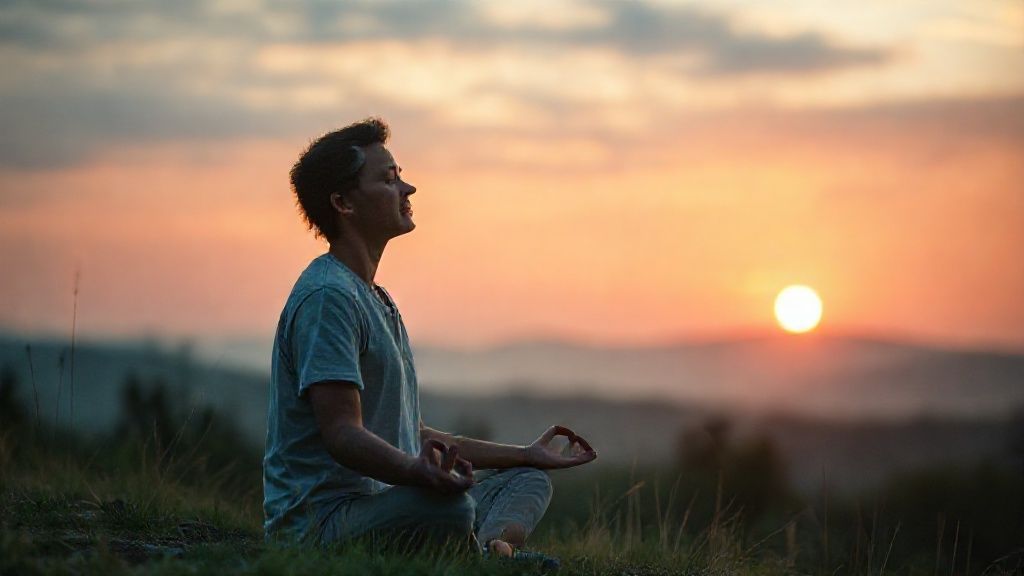
Calm of Mind: Your Ultimate Guide to Lasting Inner Peace
In our fast-paced, constantly connected world, the search for mental tranquility has become more urgent than ever. Between work deadlines, social obligations, and the endless stream of digital notifications, our minds are perpetually in motion. You might find yourself lying awake at night with racing thoughts, reacting impulsively to minor stressors, or feeling mentally exhausted despite physical rest. This state of chronic mental agitation isn’t just uncomfortable—it takes a real toll on our health, relationships, and quality of life.
But what if you could access a deeper sense of peace regardless of external circumstances? The good news is that “calm of mind” isn’t an elusive state reserved for monks on mountaintops or those with perfectly arranged lives. It’s an achievable, trainable skill that anyone can develop through specific, evidence-based practices. This comprehensive guide will walk you through exactly what a calm mind entails, why it matters, and—most importantly—how you can cultivate it through practical techniques you can start implementing today.

What Does “Calm of Mind” Truly Mean?
A calm mind is often misunderstood as simply the absence of stress or a temporary state of relaxation. In reality, it’s something far more profound and sustainable. A truly calm mind is characterized by mental clarity, emotional equilibrium, and the capacity to respond thoughtfully rather than react impulsively to life’s challenges. It’s not about eliminating all thoughts or emotions, but rather changing your relationship with them—observing them without being swept away.
When you cultivate a calm mind, you’re not withdrawing from life; you’re engaging with it more fully and effectively. Decisions become clearer, creativity flows more freely, and you’re better equipped to handle difficulties with grace. The benefits extend beyond mere feeling—research shows that regular practice of calm-inducing techniques can lower blood pressure, improve immune function, reduce inflammation, and even slow the aging process at a cellular level.
The Science Behind a Peaceful State
The physiological basis for a calm mind lies in our nervous system. When we perceive threat or stress, our sympathetic nervous system triggers the “fight-or-flight” response, flooding our body with cortisol and adrenaline. While this is useful in genuinely dangerous situations, many of us live in a state of chronic, low-grade activation that keeps us perpetually on edge.
Practices that cultivate calm work by activating the parasympathetic nervous system—our body’s natural “rest-and-digest” mode. This shift isn’t just psychological; it’s measurable through reduced heart rate, lowered blood pressure, and changes in brain wave patterns. Neuroimaging studies show that regular meditation and mindfulness practices can actually strengthen the prefrontal cortex (associated with executive function) while reducing activity in the amygdala (our fear center).
Calmness vs. Apathy: Why It’s About Engagement, Not Avoidance
One common misconception is that a calm person is passive or detached. Nothing could be further from the truth. True mental calmness isn’t indifference; it’s engaged presence. Where apathy represents a withdrawal from experience, calmness allows for full participation without being overwhelmed by it.
Think of it this way: A turbulent ocean makes it difficult to see what lies beneath the surface, while calm waters provide clarity and transparency. Similarly, a calm mind doesn’t ignore problems—it sees them more clearly and responds more effectively. You maintain your values, passions, and concerns, but you’re not controlled by turbulent emotions when facing challenges.
Foundational Practices for a Calmer You
Building a calm mind begins with establishing simple, accessible practices that you can incorporate into your daily life. These foundational techniques work directly with your body’s physiology to create immediate shifts in your mental state.
Breathing Your Way to Peace
Your breath is the most powerful and always-available tool for regulating your nervous system. The simple act of changing your breathing pattern sends immediate signals to your brain that it’s safe to relax. Diaphragmatic breathing—sometimes called “belly breathing”—is particularly effective because it fully engages the diaphragm, stimulating the vagus nerve and triggering the relaxation response.
To practice: Place one hand on your chest and the other on your belly. Take a slow breath in through your nose, allowing your belly to rise while keeping your chest relatively still. Exhale slowly through your mouth or nose. Aim for a longer exhalation than inhalation, as this specifically activates the parasympathetic nervous system.
For a quick and effective practice you can do anywhere, follow this 1 minutės kvėpavimo pratimo. If you have a bit more time, this 5-minute meditation is perfect for resetting your day.
The Power of a Mindful Minute
You don’t need hours of meditation to begin cultivating calm. Even a single minute of mindful awareness, practiced consistently throughout your day, can significantly shift your mental landscape. The “mindful minute” is about intentionally bringing your attention fully into the present moment, without judgment.
Try this: Set a reminder on your phone for several points during the day. When it chimes, pause whatever you’re doing and take 60 seconds to simply notice. Notice the sensations in your body, the sounds around you, the quality of your breath. No need to change anything—just observe.
Use this simple 1 minute grounding meditation script to anchor yourself during moments of stress.

Guided Meditations Tailored for Your Needs
While foundational practices are essential, sometimes we need more specific guidance, especially when dealing with particular challenges or looking to establish a consistent routine. Guided meditations provide that structure and support, making them an excellent tool for both beginners and experienced practitioners.
For Immediate Anxiety Relief
When anxiety strikes, it can feel overwhelming and all-consuming. The right guided meditation can provide an anchor point, helping you ride the wave of anxiety without being pulled under by it. These practices typically focus on grounding techniques, body awareness, and compassionate acceptance of your experience.
When anxiety strikes, this 10 minute guided meditation for anxiety can help you find your center quickly. For deeper-seated worries, a longer session like this 20 minučių vestoji meditacija nerimui ir perdidėliuojimui can be transformative.
For Cultivating Daily Calm
Consistency is key when building a calm mind, and incorporating short meditation sessions into your daily routine can create a foundation of tranquility that supports you throughout your day. Morning meditations set a positive tone, while evening practices help you release the day’s accumulated stress.
Incorporate tranquility into your morning routine with this 5 minučių vedama rytine meditacija, session. End your day by releasing tension with a priešmiegio meditaciją, designed for deep rest.
For Deep Relaxation and Sleep
Quality sleep is both a cause and effect of a calm mind. When your mind is agitated, sleep suffers; when sleep is insufficient, mental calm becomes more difficult to maintain. Guided sleep meditations help break this cycle by guiding your nervous system into the deeply relaxed state conducive to restful sleep.
Drift off peacefully with this guided sleep meditation for healing the body and mind. Sometimes, music alone can guide you to rest. Try this 10 minute meditation music to quiet your thoughts.
Beyond Meditation: Holistic Habits for Mental Calm
While formal meditation practices are powerful, a truly calm mind is supported by a holistic approach that includes how we move through our daily lives. These complementary practices help integrate the benefits of meditation into your everyday experience.
Mindfulness Exercises for Everyday Life
Mindfulness is the practice of paying attention to the present moment with openness and curiosity. Unlike formal meditation, mindfulness can be practiced anywhere, anytime—while washing dishes, walking to your car, or even during a difficult conversation.
Discover a variety of greitųjų dėmesingumo pratimų you can weave into a busy schedule. For a sensory-based grounding technique, practice the 5 senses mindfulness exercise.
Cultivating Self-Compassion
Many of us have an inner critic that constantly judges our performance, appearance, and worth. This internal voice is a major source of mental agitation. Self-compassion—treating yourself with the same kindness you would offer a good friend—is a powerful antidote.
When you notice self-critical thoughts, try placing a hand on your heart and offering yourself words of comfort. Remember that imperfection is part of the shared human experience, not evidence of personal failure.
A critical part of inner peace is learning how to self compassion. This guide walks you through the process.

Tools and Resources to Support Your Journey
Establishing and maintaining a practice that cultivates calm of mind is easier with the right support. These resources can help you deepen your practice and navigate challenges along the way.
Tinkamos Gairės Paieška
Kadangi yra daugybė meditacijos būdų, svarbiausia rasti tai, kas jums atrodo prasminga, norint ugdyti nuoseklų praktikavimą. Kai kurie žmonės teikia pirmenybę labai išsamiai nurodymus turinčioms gidų vedamoms meditacijoms, o kitiems labiau tinka minimalūs nurodymai ir daugiau tylos.
Jei esate pradedantysis, pradėkite nuo geriausių vadovaujamų meditacijų pradedantiesiems, kad sukurtumėte tvirtą pagrindą. Tiems, kurie teikia pirmenybę savarankiškai praktikuotis, rekomenduojame išmokti pagrindus, kaip vesti gidų vedamą meditaciją.
Savo Praktikos Gilinimas
Tobulėjant jūsų praktikai, galbūt norėsite išbandyti skirtingas technikas arba giliau suprasti pagrindinius principus. Struktūruotas mokymasis gali suteikti tiek įkvėpimo, tiek praktinių įgūdžių, kad jūsų praktika pakiltų į aukštesnį lygį.
Apsvarstykite galimybę išbandyti struktūruotą mokymąsi per geriausius internetinių meditacijos kursų. Norėdami geriau suprasti pagrindines sąvokas, pradėkite nuo šio straipsnio apie kas yra vestinė meditacija.
Dažniausiai Užduodami Klausimai Apie Ramų Protą
Koks yra greičiausias būdas nuraminti protą?
Nors technikos skiriasi, sutelktas kvėpavimas dažnai yra greičiausias. Išbandykite šį 1 minutės kvėpavimo pratimo norėdami greitai pajusti palengvėjimą. 4-7-8 technika (įkvėpkite 4 sekundes, laikykite 7, iškvėpkite 8) yra ypač veiksminga greitai aktyvuojant parasimpatinę nervų sistemą.
Ar meditacija gali padėti nuo perdėmų apmąstymų?
Neabejotinai. Meditacija treniruoja smegenis stebėti mintis, į jas neįsitraukiant. Ši 20 minučių vestoji meditacija nerimui ir perdidėliuojimui yra specialiai sukurta tam. Reguliari praktika stiprina jūsų gebėjimą pastebėti minčių raštus, nepriimant jų automatiškai kaip tiesos arba jomis nesekant.
Kaip aš galiu atpalaiduoti protą, kad užmigčiau?
Kūno apžvalgos (body scan) meditacija yra labai veiksminga. Rekomenduojame šią kūno apžvalgos meditaciją miegui , kuri padės jums pasinerti į gilų poilsį. Be to, nuoseklaus vakarinio ritualo sukūrimas, ekrano laiko prieš miegą apribojimas ir patogios miego aplinkos užtikrinimas gali žymiai pagerinti miego kokybę.
Kokie yra ramaus žmogaus požymiai?
Ramūs žmonės paprastai pasižymi emociniu atsparumu – jie patiria emocijas, bet nėra jų užvaldomi. Jie reaguoja apgalvotai, o ne impulsyviai, išlaiko perspektyvą iškilus sunkumams ir praktikuoja savo gailestingumą. Jų ramybė nėra jausmų nebuvimas, o buvimas su tuo, kas yra.
Išvada: Jūsų Kelionė Link Tvaraus Ramybės Prasideda Dabar
Ramaus proto ugdymas nėra nei greitas sprendimas, nei tikslas, kurį reikia pasiekti. Tai nuolatinė praktika – santykiai su savimi, kuriuos kuriate nuosekliu ir gailestingu pastangų dėjimu. Šiuolaikinio gyvenimo audros gali ir neišnykti, tačiau jūsų santykis su jomis gali labai pasikeisti.
Atminkite, kad pažanga ugdant proto ramybę nėra tiesinė. Kartais jūsų protas atrodys kaip ramus ežeras, kitą kartą – kaip audringa jūra. Svarbiausia nėra pasiekti tobulą ramybę kiekvieną akimirką, o vėl ir vėl grįžti prie praktikų, kurios suteikia jums pagrindą. Kiekvienas sąmoningas įkvėpimas, kiekviena budri minutė, kiekvienas savo gailestingumo momentas yra dygsnis ramesnio proto audinyje.
Pasiruošę pakeisti savo psichinę būseną? Pasirinkite vieną praktiką iš šio gido – galbūt 5 minučių budrumo sesiją– ir įsipareigokite jai šiandien. Jūsų ramesnis, labiau subalansuotas „aš“ laukia.