Jūsų 10 minučių kvėpavimo meditacijos scenarijus momentinei ramybei
Have you ever had one of those days where your to-do list seems to multiply by the minute, your inbox is overflowing, and your mind feels like a browser with too many tabs open? That overwhelming sensation where you just need to hit the pause button, but don’t have hours to spare? What if you could reset your entire nervous system and find profound calm in just the time it takes to brew a cup of tea?
A simple, 10-minute breathing meditation is one of the most accessible and powerful tools for finding immediate calm and mental clarity. This post provides a complete, easy-to-follow script you can use right now—no previous experience required. A breathing meditation script is a guided sequence that directs your attention to the natural rhythm of your breath, helping to reduce stress, improve focus, and regulate your nervous system in as little as ten minutes.
Why a 10-Minute Breathing Practice Is a Game-Changer
In our fast-paced world, the idea of sitting in silence for 30-60 minutes can feel intimidating or simply impossible. The beauty of a 10-minute practice lies in its accessibility and profound impact.
The Science of Breath and Your Nervous System
Your breath is uniquely connected to your autonomic nervous system, which controls involuntary bodily functions like heart rate, digestion, and—most importantly for stress—your fight-or-flight response. When you’re stressed or anxious, your sympathetic nervous system dominates, creating shallow, rapid breathing. Conversely, when you consciously slow and deepen your breath, you activate the parasympathetic nervous system, triggering what’s known as the “rest and digest” response.
This physiological shift decreases cortisol levels, lowers blood pressure, and slows your heart rate. Essentially, by changing how you breathe, you send a direct signal to your brain that you’re safe, allowing your body to move out of survival mode and into a state of calm.
The Power of a 10-Minute Commitment
Research consistently shows that consistency trumps duration when building sustainable meditation habits. A daily 10-minute practice is far more effective than an hour-long session once a month. This manageable time commitment:
- Fits seamlessly into even the busiest schedules
- Creates a sustainable routine that becomes automatic
- Provides enough time to genuinely settle your nervous system
- Builds the “muscle” of mindfulness without feeling overwhelming
How to Use This Meditation Script Effectively
Before we begin the meditation itself, let’s set the stage for a successful practice. Proper preparation maximizes the benefits of your 10-minute investment.
Finding Your Space and Posture
Choose a relatively quiet space where you’re unlikely to be interrupted for the next 10 minutes. You don’t need a dedicated meditation room—a corner of your bedroom, a comfortable chair, or even your office with the door closed will work perfectly.
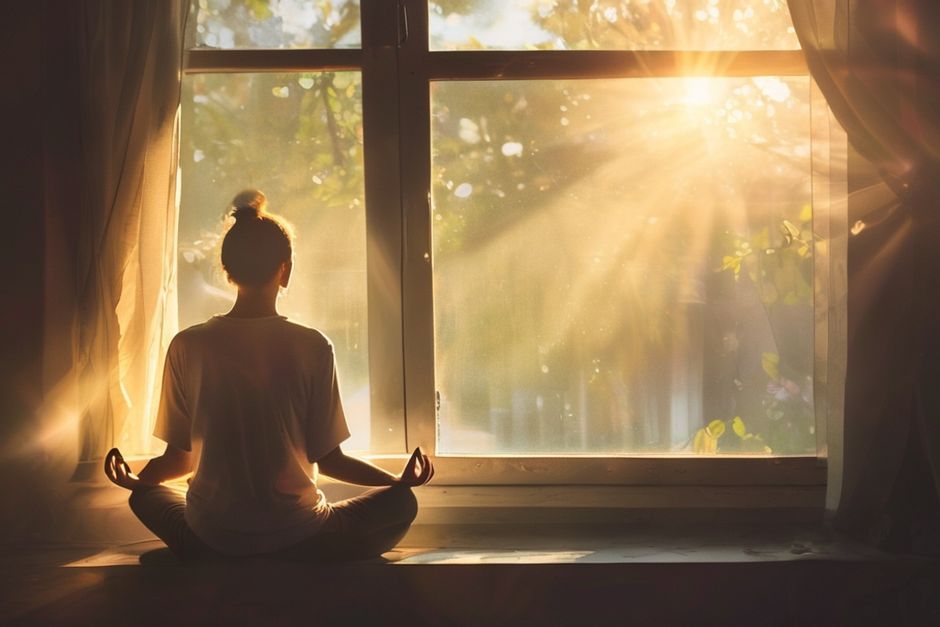
Sit in a comfortable position with your spine relatively straight. You can sit in a chair with your feet flat on the floor, cross-legged on a cushion, or even kneel using a meditation bench. The key is to find a position that’s alert yet relaxed—you shouldn’t be so comfortable that you’ll fall asleep, nor so rigid that you’re fighting discomfort throughout the practice.
Rest your hands comfortably on your knees or in your lap. Gently close your eyes or maintain a soft, downward gaze if that feels more comfortable.
A Note for Beginners
If this is your first time following a meditation script, welcome! It’s completely normal—and expected—for your mind to wander during practice. The goal isn’t to empty your mind or stop thinking altogether. Rather, the practice is in noticing when your attention has drifted and gently guiding it back to the anchor of your breath.
Each time you notice your mind has wandered, simply acknowledge where it went without judgment, and return your focus to your breathing. This act of noticing and returning is where the real magic happens—it’s like doing reps for your attention muscle.
If you’re completely new to the concept, you might want to sužinokite daugiau apie tai, kas yra vestoji meditacija to better understand the process.
Your 10 Minute Breathing Meditation Script
This script is designed to be read slowly, with pauses between sentences. If you’re guiding yourself, you might want to record yourself reading it aloud with generous pauses, or simply read one section at a time before closing your eyes to practice.
Take a moment to settle into your seated position. Gently close your eyes if you feel comfortable doing so.
Minute 0-1: Settling In
Begin by bringing awareness to your body. Notice the points of contact—your feet on the floor, your sitting bones on the chair or cushion, your hands resting. Without trying to change anything, simply observe the physical sensations of sitting here. Take three intentional breaths, breathing in through your nose and out through your mouth with a soft sigh. With the next exhale, let go of any tension you’re holding in your jaw, shoulders, and forehead.
Minute 1-3: Noticing the Natural Breath
Now allow your breathing to return to its natural rhythm. Bring your attention to the sensation of breathing. You might notice the cool air entering your nostrils and the slightly warmer air leaving. Perhaps you feel the rise and fall of your chest or the expansion and contraction of your belly. There’s no need to control or change your breath—simply observe it as it is. When your mind wanders—to thoughts, sounds, or bodily sensations—gently acknowledge this and guide your attention back to the breath, without criticism.
If you notice particular tension in your body as you breathe, you might find it helpful to practice this 1-minute breathing exercise afterward to release specific areas of holding.
Minute 3-7: Counting the Breath
To help maintain focus, we’ll now introduce a simple counting practice. On your next inhalation, silently count “one” in your mind. On the exhalation, count “one” again. On the following inhalation, count “two,” and on the exhalation, count “two.” Continue this pattern up to the count of five, then begin again at one. If you lose count, simply start again at one without judgment. If counting to five feels too short, you can extend to ten. Find the rhythm that best helps you maintain gentle focus on your breath.
Minute 7-9: Expanding Awareness
Now, release the counting practice. Allow your awareness to expand to include your entire body breathing. Feel the subtle movements throughout your torso, back, and sides with each breath. Imagine your whole body as a container for the breath—receiving the inhalation and releasing the exhalation. Continue to use the breath as your anchor, but with a wider, more spacious awareness.
Minute 9-10: Returning and Transitioning
Slowly begin to bring your awareness back to the room. Notice the sounds around you—both near and far. Gently wiggle your fingers and toes, bringing movement back into your body. When you feel ready, slowly open your eyes, maintaining that sense of calm awareness as you transition back into your day.
Take a moment to notice how you feel after this practice. There’s no right or wrong way to feel—simply observe.
Optional: If you prefer a guided audio experience, you can listen to our 10-minute meditation music track to accompany your practice in the future.
Deepening Your Meditation Practice
Once you’ve established a consistent 10-minute breathing practice, you might find yourself curious about exploring different approaches or extending your sessions. Here are some pathways for deepening your practice based on your evolving needs.
When You Need More Than 10 Minutes
While a 10-minute practice provides significant benefits, there are times when a longer session can facilitate deeper relaxation and insight. If you find yourself with extra time or want to explore a more immersive experience, consider exploring a longer session with our 15-minute guided meditation or a dedicated 20-minute mindfulness practice.
Tailoring Meditation to Your Specific Needs
Different moments call for different approaches to meditation. While breath awareness is a foundational practice that benefits everyone, you can customize your practice based on your current needs:
-
For Sleep: If you’re using this script before bed and want something specifically designed for rest, our 10 minučių miego meditacija incorporates calming visualizations and slower pacing to prepare your mind and body for sleep.
-
Nerimui: For days when anxiety feels particularly high, a practice focused specifically on calming the nervous system can be especially helpful. Try our 10-minute guided meditation for anxiety which includes additional techniques for working with anxious thoughts and physical sensations.
-
For Grounding: Jei jaučiatės išsibarsčius, per daug apkrauti ar atsieti nuo savo kūno, įžeminimo technikos gali padėti sugrįžti į dabarties akimirką. Praktikuokite su mūsų trumpu įžeminimo meditacijos scenarijumi kai reikia greitai atsistatyti ryšį.

Dažniausiai Užduodami Klausimai (DUK)
Ar 10 minučių meditacija tikrai gali sumažinti stresą?
Taip, be abejonės. Tyrimai rodo, kad net trumpi sutelktos kvėpavimo periodai gali žymiai sumažinti kortizolio lygį (pagrindinį streso hormoną), sumažinti širdies ritmą ir sumažinti kraujospūdį. Esmė – nuoseklumas – kasdienė 10 minučių praktika sukaupta nauda jūsų streso reakcijos sistemai, padarydama jus atsparesnius stresorių poveikiui per visą dieną.
Ką daryti, jei negaliu susikaupti visoms 10 minučių?
Tai viena dažniausių medituojančiųjų, ypač pradedančiųjų, rūpesčių. Tiesa ta, kad kiekvienas meditacijos metu patiria blaškomas mintis – tai natūrali žmogaus proto būsena. Praktika nėra siekis sustabdyti mintis, o ugdyti gebėjimą pastebėti, kai jūsų protas nuklydo, ir švelniai sugrįžti prie savo atramos (šiuo atveju – kvėpavimo).
Jei 10 minučių jums atrodo ypač sudėtinga, tai visiškai normalu. Jums gali būti lengviau pradėti su mūsų 5 minučių giduoja meditacija kad palaipsniui ugdytumėte susikaupimą. Atminkite, kiekvieną kartą, kai pastebite, kad jūsų mintys nuklydo, ir sugrąžinate jas atgal, jūs stiprinate savo dėmesio raumenį.
Kuo tai skiriasi nuo kūno apžvalgos meditacijos?
Kvėpavimo meditacija daugiausia sutelkia jūsų dėmesį į kvėpavimo pojūčius, naudodama juos kaip jūsų sąmonės atramos tašką. Kūno apžvalgos meditacija, priešingai, sistemingai perkelia jūsų dėmesį per skirtingas kūno sritis, stebint pojūčius kiekvienoje srityje be vertinimo.
Nors šis scenarijus sutelktas į kvėpavimą, kūno apžvalgos meditacija sistemingai atpalaiduoja visą kūną. Abi praktikos yra vertingos – galite išmokti vieną su mūsų nemokamu kūno apžvalgos meditacijos scenarijaus PDF kad pajustumėte skirtumą.
Kaip galiu vesti meditacijos sesiją kitiems?
Kitų vedimas meditacijoje reikalauja aiškumo, tempo ir ramios būsenos. Keletas pagrindinių patarimų: kalbėkite lėtai ir aiškiai, efektyviai naudokite pauzes, teikite švelnų vedimą, nepernelyg direktoriaudami, ir atminkite, kad jūsų paties rami būsena yra užkrečiama.
Norėdami gauti išsamų vadovą, apimantį viską nuo kalbos pasirinkimo iki tinkamos aplinkos sukūrimo, perskaitykite mūsų straipsnį apie tai, kaip vesti giduoja meditaciją.
Išvada ir veikmo raginimas
Per vos 10 minučių turite galimybę perkelti savo nervų sistemą iš streso į ramybę, iš per daug apkrovimo į aiškumą. Šis kvėpavimo meditacijos scenarijus siūlo jums prieinamą įrankį, prie kurio galite grįžti vėl ir visą dieną – nesvarbu, ar jums reikia ryto centro praktikos, popietės atstatymo, ar vakaro atsipalaidavimo ritualo.
Sveikiname, kad skyrėte šį laiką savo psichinei sveikatai. Šis paprastas savipriežiūros veiksmas išsilieja į visas jūsų gyvenimo sritis, sustiprindamas jūsų susikaupimą, emocinį reguliavimą ir bendrą ramybės pojūtį.
Pasižymėkite šį puslapį kad galėtumėte lengvai grįžti prie šio scenarijaus, kai tik prireiks greito atstatymo. Mums būtų malonu išgirsti apie jūsų patirtį – nedvejodami pasidalinkite, kaip ši praktika paveikė jūsų dieną, žemiau esančiuose komentaruose.
Pasiruošę išnagrinėti daugiau? Atraskite visus mūsų nemokamus giduoja meditacijos scenarijus nerimui, miegui ir susikaupimui, kad sukurtumėte asmeninį dėmesingumo įrankių rinkinį.