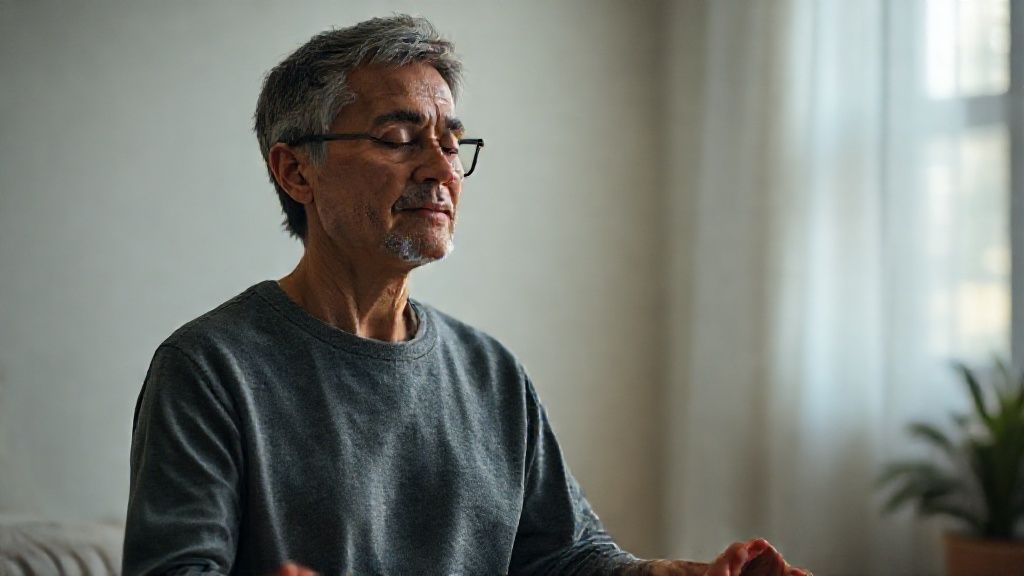
DBT的核心正念技能是什么?实用指南
Dialectical Behavior Therapy (DBT) has emerged as one of the most effective therapeutic approaches for managing overwhelming emotions, improving relationships, and building a life worth living. At the very heart of this transformative modality lies a set of foundational practices known as the core mindfulness skill in DBT. These skills form the essential bedrock upon which all other DBT techniques are built, teaching individuals how to live in the present moment, reduce emotional suffering, and increase genuine happiness.
The core mindfulness skills in DBT are specifically divided into two categories: the “What” skills (what you do) and the “How” skills (how you do it). The “What” skills include 观察 (noticing your experience without reaction), 描述 (labeling what you observe), and 参与 (fully engaging in the present moment). The “How” skills include One-Mindfully (focusing on one thing at a time), Non-Judgmentally (letting go of evaluations), and 有效地 (focusing on what works rather than what’s “right”).

Why Mindfulness Is the Heart of DBT
The term “dialectical” in Dialectical Behavior Therapy refers to the balance between two seemingly opposite concepts: acceptance and change. DBT teaches that we must fully accept our current reality exactly as it is while simultaneously working to change what isn’t working in our lives. This might sound contradictory, but it’s precisely this balance that makes DBT so powerful for those struggling with emotional dysregulation.
Mindfulness serves as the crucial bridge between these two poles. It provides the tools to observe and accept our present-moment experience without judgment, which paradoxically creates the mental space needed to make meaningful changes. When we’re caught in emotional storms, our natural tendency is either to avoid our feelings (non-acceptance) or become completely overwhelmed by them (unable to change). Mindfulness offers a middle path—a way to acknowledge difficult emotions without being controlled by them.
Dr. Marsha Linehan, the creator of DBT, intentionally placed mindfulness as the first module taught in standard DBT programs because she recognized that without this foundational capacity to be present with our experience, the other skills (emotion regulation, distress tolerance, and interpersonal effectiveness) would be far less effective. Mindfulness isn’t just one component of DBT—it’s the lens through which all other skills are practiced and applied.
The “What” Skills: What Do You Actually Do?
The “What” skills in DBT are the specific actions you take to practice mindfulness. Think of them as the verbs of mindfulness—the observable behaviors that cultivate present-moment awareness. These three skills work together sequentially, though you might find yourself using them in different orders depending on the situation.
Observe: Noticing Without Getting Caught Up
Observing is the most fundamental mindfulness skill—the simple act of noticing whatever is happening in the present moment, both internally and externally, without trying to change it. This might include noticing thoughts, physical sensations, emotions, or external events like sounds or sights. The key to observing is adopting the stance of a curious scientist or a detached witness.
When practicing observation, you’re not analyzing, interpreting, or evaluating—you’re simply noticing what is. For example, you might notice the sensation of your breath moving in and out of your body, the sound of birds chirping outside your window, or the feeling of anxiety in your chest. The challenge is to notice these experiences without getting “hooked” by them or carried away by the stories your mind might create about them.
A practical observing exercise: Sit comfortably and bring your attention to the physical sensations of breathing. Notice where you feel the breath most distinctly—perhaps at your nostrils, chest, or abdomen. Each time your mind wanders (which it will), gently note “wandering” and return to observing the breath. The practice isn’t about stopping thoughts, but about noticing when you’ve become distracted and returning to your point of focus.
To practice pure observation, a short, focused exercise is ideal. Practice with this 1-minute breathing exercise.
Describe: Putting Words on Your Experience
Once you’ve observed your experience, the next skill is to describe it by putting words on what you’ve noticed. Describing helps create a slight distance between you and your experience, allowing you to see that “you are not your thoughts” or “you are not your emotions.” This subtle shift can be incredibly liberating for people who tend to become overwhelmed by their internal experiences.
The key to effective describing is to stick to the facts rather than interpretations. Instead of saying “I’m a terrible public speaker,” you might describe “I’m noticing my heart racing, my palms sweating, and the thought ‘I’m going to mess this up.’” This factual description gives you more options for responding than the global, self-critical statement.
Language tips for describing: Use phrases like “I notice…,” “I observe…,” or “The thought is arising that…” This helps create that crucial separation between the observer and what’s being observed. For example, instead of “I am angry,” try “I am experiencing the emotion of anger” or “I notice anger arising in my body as tension in my jaw and shoulders.”
Describing internal experiences is a key part of many therapeutic scripts. See an example in this guided meditation script for anxiety.
Participate: Entering the Flow of Life
The third “What” skill is participation—fully engaging in whatever you’re doing in the present moment without self-consciousness. This is the state of “flow” that athletes describe as being “in the zone,” where action and awareness merge. When you’re fully participating, you’re not stepping outside the experience to observe or describe it—you’re completely immersed in it.
Participating might look like losing yourself in a conversation, a work project, a sport, or even washing dishes. The key is that you’re fully present with the activity rather than distracted by thoughts about the past or future. For individuals who struggle with feeling disconnected from themselves or others, participating can be a powerful way to reconnect with life.
Building participation skills: Start with activities you already enjoy and try to engage in them more mindfully. Notice when you become self-conscious or distracted, and gently return your attention to the activity itself. With practice, you can learn to bring this quality of participation to more challenging situations as well.

The “How” Skills: How Do You Do It Mindfully?
While the “What” skills tell you what to do, the “How” skills describe the quality you bring to those actions. These are the adverbs of mindfulness—they modify how you practice observing, describing, and participating. Mastering these qualities can transform your mindfulness practice from a mechanical exercise into a transformative way of being.
One-Mindfully: Doing One Thing at a Time
In our multitasking, distraction-filled world, the skill of doing one thing at a time has become both radical and therapeutic. One-mindfully means bringing your full attention to whatever you’re doing in the present moment, whether it’s eating, listening, working, or even resting.
The practice of one-mindfully is deceptively simple but profoundly challenging. It means when you’re eating, just eat. When you’re walking, just walk. When you’re listening to someone, just listen—without simultaneously planning what you’re going to say next or checking your phone. This singular focus conserves mental energy, reduces stress, and allows for deeper engagement with whatever you’re doing.
Practical application: Choose one routine activity each day to practice one-mindfully. This could be brushing your teeth, drinking your morning coffee, or walking to your car. Commit to doing just that one activity with your full attention, gently returning your focus when it wanders.
Training your attention is crucial for one-minded focus. Strengthen your focus with these specific exercises.
Non-Judgmentally: Letting Go of “Good” and “Bad”
The skill of being non-judgmental is perhaps the most misunderstood of the DBT mindfulness skills. Being non-judgmental doesn’t mean you don’t have preferences or can’t make evaluations—it means you describe the facts of a situation without adding evaluative labels like “good,” “bad,” “should,” or “shouldn’t.”
For example, instead of thinking “I shouldn’t feel so anxious about this presentation—what’s wrong with me?” you might non-judgmentally observe “I notice anxiety is present. My heart is beating faster, and I’m having thoughts about failing.” This factual description is far less likely to trigger secondary emotions (like shame about being anxious) that compound your suffering.
Common misconceptions: People often worry that being non-judgmental means becoming passive or indifferent. Actually, the opposite is true—when we stop wasting energy on judgmental thoughts, we have more resources available to respond effectively to situations. Non-judgmental stance also applies to judging yourself for being judgmental! When you notice judgment arising, you can simply note “judging” and return to describing the facts.
Cultivating a non-judgmental stance is closely linked to self-compassion. Learn more about cultivating self-compassion here.
Effectively: Focusing on What Works
The skill of being effective is about focusing on what works in a given situation rather than insisting on being “right” or following rigid rules. It’s the quality of practicality and willingness to do what’s needed to achieve your goals, even if it doesn’t feel fair or just.
Being effective requires letting go of righteousness and considering the specific context you’re in. For example, you might be technically “right” in an argument with your boss, but insisting on this could cost you your job. Being effective means asking yourself “What outcome do I want here?” and then choosing behaviors that are likely to achieve that outcome.
Developing effectiveness: Practice asking yourself “Is this working?” throughout your day. When you notice yourself engaging in behaviors that aren’t serving your goals, see if you can pivot to a more effective approach. Remember that being effective often requires flexibility and willingness to try new strategies when old ones aren’t working.

Putting DBT Mindfulness Into Daily Practice
Understanding the DBT mindfulness skills intellectually is one thing—integrating them into your daily life is another. The real transformation happens when these skills move from concepts in your head to lived experiences in your body and relationships. Here are practical ways to build these skills into the fabric of your everyday life.
A 5-Minute DBT Mindfulness Routine to Start Your Day
Creating a brief, consistent mindfulness practice can set a positive tone for your entire day. This simple routine incorporates all the “What” and “How” skills and can be done immediately upon waking:
-
Minute 1-2: Observe – Sit comfortably with your eyes closed. Bring your attention to your breath, simply observing the physical sensations of breathing without trying to change anything. Notice where you feel the movement—at your nostrils, chest, or abdomen. When your mind wanders, gently note “wandering” and return to observing the breath.
-
第2-3分钟:描述 ——开始用事实性语言默默地描述你的体验。例如:“我注意到凉爽的空气进入我的鼻孔”或“我感觉到我的腹部随着每次吸气而扩张”。如果出现评判性想法(“我做错了”),将其标记为“评判性想法”并回到描述上来。.
-
第3-4分钟:参与 ——想一件你今天将要进行的活动。想象自己完全投入、全神贯注地参与其中。设想完全专注于这项活动、放下自我意识会是怎样的感受。.
-
第4-5分钟:设定意图 ——为你的当天设定一个正念意图。例如:“今天,我将练习一次只做一件事”或“当评判出现时,我会注意到并回到描述事实上。”
如需一个结构化的音频指南来开启你的一天,这是一个极佳的资源。. 尝试这个5分钟清晨引导冥想.
在痛苦时刻运用正念
DBT正念技能最有价值的应用之一是在情绪痛苦或危机时刻。当情绪感觉难以承受时,尝试这个快速的“S.T.O.P.”技巧:
- S ——停下你正在做的事情。立刻停止行动。.
- T ——退后一步。如果可能,身体上离开当前情境。.
- O ——观察你内心及周围正在发生什么。不加评判地注意你的想法、情绪和身体感觉。.
- P ——有意识地继续,考虑你的目标以及在此情境下什么会是有效的。.
这个简单的练习可以在触发事件和你的反应之间创造出足够的空间,以防止那些冲动、情绪驱动的、日后可能后悔的行为。.
当焦虑高涨时,接地冥想可以非常有效。. 在危机中使用这个2分钟接地冥想脚本.
深化DBT技能的补充练习
虽然DBT的核心正念技能本身就很强大,但它们可以通过其他正念练习得到增强和支持。这些补充方法可以帮助你发展更强的觉知、情绪调节能力和临在感。.
针对特定挑战的引导冥想
当你初学正念或难以自行练习时,引导冥想尤其有帮助。不同类型的引导练习针对特定的挑战:
- 睡眠困难:专注于身体放松和放下当日忧虑的练习
- 焦虑:强调锚定当下、与困难情绪共处的冥想
- 自我批评:培养自我慈悲和更友善自我关系的练习
要将正念应用于睡眠(一个常见的挑战),请探索此资源。. 探索这个引导睡眠冥想.
对于管理难以承受的情绪,身体扫描会非常有帮助。. 练习身体扫描冥想以助睡眠和放松.
更多资源与工作表
结构化的资源可以帮助你跟踪练习、更深入地理解技能并解决常见挑战。专为DBT正念技能设计的工作表可以提供具体的方法,将这些概念应用于你独特的情境和挑战中。.
要动手实践这些概念,工作表是无价之宝。. 下载我们的免费正念工作表合集(PDF).

DBT正念常见问题解答(适用于语音搜索及“其他人还问”)
问:DBT中正念的主要目标是什么?
答:DBT中正念的主要目标是帮助个体通过培养一种不评判的、关注当下的觉知,来减少情绪痛苦并增强调节情绪的能力。这种基础能力使所有其他DBT技能更加有效,并帮助人们建立一个值得体验的生活。.
问:我可以自学DBT正念吗?
答:虽然DBT的核心正念技能当然可以独立练习并能带来显著益处,但建议与受过训练的DBT治疗师合作进行综合治疗——特别是如果你正在应对重大的心理健康挑战。治疗师可以提供个性化指导,帮助你解决障碍,并将正念与其他DBT模块相结合。.
问:DBT正念和常规冥想有什么区别?
答:虽然DBT正念与传统冥想实践有许多共同点,但它被特别设计为一套便携、实用的技能,用于应对日常生活——而不仅仅是坐姿的正式练习。DBT正念强调将正念觉知带入所有活动和情境中,尤其侧重于管理困难情绪和提高人际效能。.
问:我如何停止评判我的想法?
答:与其试图停止评判(这通常会产生更多评判),不如练习在评判出现时注意到它并温和地为其贴上标签。你可以对自己说“我产生了……的评判”或简单地标注“评判”。这会在你与评判性想法之间创造出一点距离。通过持续练习,评判往往会逐渐失去其力量和频率。.
结论与行动号召
掌握 core mindfulness skill in DBT DBT核心正念技能是一段旅程,需要带着开放、好奇和意愿,一次又一次地回到当下。这些技能不是为了达到完美的平静状态或清空头脑中的想法。相反,它们是实用的工具,用于更有意识地生活、更巧妙地应对生活挑战,并减少因抗拒现实或被自动反应控制而产生的痛苦。.
请记住,正念被称为“练习”是有原因的——它无关完美,而在于持续地回归。每一刻都提供了一个新的机会去观察、描述和有觉知地参与。每一次呼吸都提供了一个练习一次只做一件事、放下评判并专注于真正有效之事的机会。.
这些技能的美妙之处在于,它们随时可供你使用,就在此时此刻。你不需要特殊设备或完美条件——只需要愿意一次又一次地重新开始,活在每一个当下。.
准备好从理解转向实践了吗? 从这个平静的引导冥想开始你的旅程 ,从今天起积极培养更专注、更平和的状态。.