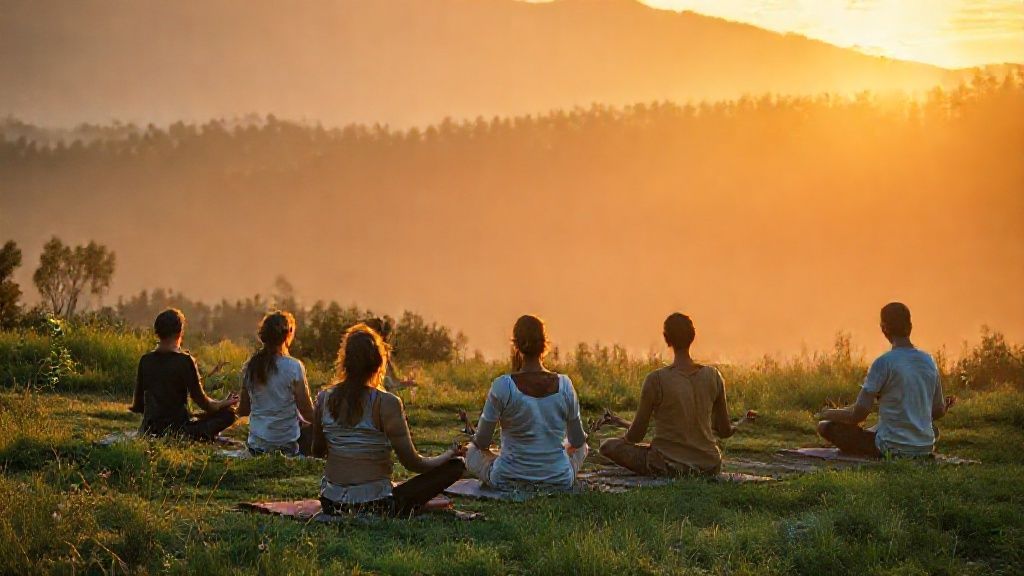
Finding Your Zen: The Ultimate Guide to the Best Meditation Types for You
In a world of constant noise, finding the best meditation practice can feel overwhelming. Is it mindfulness? Guided sessions? Or a silent retreat? The truth is, the “best” meditation is the one that fits your unique needs, lifestyle, and goals. This definitive guide will cut through the confusion, breaking down the most effective meditation types to help you build a sustainable practice that brings calm, focus, and peace into your daily life.

What Is Meditation, Really? Beyond the Stereotypes
Meditation isn’t about becoming a different person or emptying your mind completely. At its core, meditation is a practice for training attention and awareness. Think of it as mental fitness – just as you’d go to the gym to strengthen your body, meditation strengthens your mind’s ability to focus, remain present, and respond rather than react to life’s challenges.
Let’s debunk some common myths right away: You don’t need to sit in lotus position for hours, you don’t need to be spiritual or religious, and you certainly don’t need to stop your thoughts entirely. The goal is to notice your thoughts without getting swept away by them.
For readers completely new to the concept, we have a detailed explainer: Learn more about what guided meditation involves.
How to Choose the Best Meditation Practice for Your Goals
The most effective meditation practice is the one that addresses your specific needs. Here’s how to match your goals with the right technique:
缓解压力与焦虑
When you’re feeling overwhelmed, anxious, or stressed, you need practices that ground you in the present moment and calm your nervous system. Focused-attention and mindfulness meditations are particularly effective because they interrupt the cycle of anxious thoughts and bring your awareness back to your body and breath.
To get started with immediate relief, try this: 一次5分钟的快速焦虑冥想. For a longer session, explore this: guided meditation specifically for stress.
For Better Sleep
If you struggle with falling asleep or staying asleep, meditation can be a game-changer. Body scan and guided sleep meditations help transition your brain from active beta waves to relaxed alpha and theta waves, preparing your body and mind for restful sleep.
If sleepless nights are your main concern, this resource is perfect: 睡眠身体扫描冥想. Or, wind down with this: a healing sleep meditation.
For Focus and Mindfulness
In our distraction-filled world, the ability to focus is becoming increasingly rare and valuable. Mindfulness and breath-awareness practices train your “attention muscle,” helping you stay present and concentrated throughout your day.
Sharpen your focus with a short, effective practice: 一分钟呼吸练习. For a more structured approach, try this: ,通过视觉、听觉、嗅觉、味觉与触觉的即时体验锚定当下。.
For Personal Growth and Compassion
Meditation isn’t just about calming your mind – it’s also about transforming your relationship with yourself and others. Loving-Kindness (Metta) and visualization meditations can help cultivate compassion, boost self-esteem, and work through emotional blocks.
Cultivate kindness with a classic script: Loving-Kindness (Metta) meditation script. Or, explore guided imagery here: guided visualization meditation.

A Deep Dive Into the Most Popular Types of Meditation
Now that you understand how to match meditation to your goals, let’s explore the most popular and effective meditation types in detail.
正念冥想
Description: Mindfulness meditation involves anchoring your awareness in the present moment without judgment. You observe your thoughts, feelings, and bodily sensations as they arise, acknowledging them without getting caught up in them.
Best for: General stress reduction, emotional regulation, increasing self-awareness, and managing chronic pain.
How to start: Find a comfortable seated position, close your eyes or soften your gaze, and bring your attention to your breath. Notice the sensation of air entering and leaving your body. When your mind wanders (which it will), gently return your focus to your breath without criticizing yourself.
引导式冥想
Description: In guided meditation, you follow the voice of a teacher or narrator who leads you through a meditation experience. This might involve visualization, body scans, or specific mindfulness instructions.
Best for: Beginners who need structure, people who struggle with silent meditation, and those working toward specific goals like confidence building or healing.
How to start: Find a quiet space, use headphones for better immersion, and select a guided meditation that matches your current need (sleep, anxiety, energy, etc.).
We have a vast library of guided sessions. Start with this popular one: 最佳初学者冥想引导资源库,. Or, find a session for your morning here: guided meditation to start your day.
Transcendental Meditation (TM)
Description: Transcendental Meditation involves silently repeating a specific mantra assigned by a certified TM teacher. The practice aims to transcend thinking and access a state of pure awareness or restful alertness.
Best for: Deep relaxation, reducing high blood pressure, accessing a restful state that’s deeper than sleep, and overall well-being.
How to start: TM requires formal instruction from a certified teacher who provides you with a personalized mantra. While this traditional approach has costs, the technique itself is practiced for 20 minutes twice daily.
Curious about learning TM? Discover more here: 关于超觉静坐的免费资源.
Movement Meditation (Yoga, Walking)
Description: Movement meditation brings mindful awareness to physical activity. Rather than sitting still, you focus on the sensations of movement – the feeling of your feet touching the ground during walking meditation or the flow of breath and movement in yoga.
Best for: Those who find sitting still difficult, people who want to connect body and mind, and anyone looking to bring mindfulness into daily activities.
How to start: For walking meditation, find a quiet path and walk slowly, paying close attention to the sensation of each step. For yoga, begin with simple flows and focus on synchronizing your breath with movement.
身体扫描冥想
Description: In body scan meditation, you systematically bring attention to different parts of your body, typically starting from your toes and moving upward to the crown of your head. The practice involves noticing sensations without trying to change them.
Best for: Sleep issues, grounding during anxiety or panic attacks, releasing physical tension, and developing body awareness.
How to start: Lie down comfortably on your back with your arms at your sides. Bring your attention to your toes, noticing any sensations there, then gradually move your awareness up through each part of your body.
Experience a body scan with our ready-to-use script: 5分钟身体扫描指导稿(PDF).
Loving-Kindness Meditation (Metta)
Description: Loving-Kindness meditation involves directing well-wishes and compassion toward yourself and others. Typically, you repeat specific phrases (like “May I be happy, may I be healthy”) while visualizing different people in your life.
Best for: Reducing anger and resentment, improving relationships, increasing self-acceptance, and cultivating empathy.
How to start: Sit comfortably and begin by directing kind wishes toward yourself. Then extend these wishes to a loved one, a neutral person, someone you have difficulty with, and finally to all beings everywhere.

Building Your Sustainable Meditation Habit
了解不同的冥想类型是一回事——建立持续的练习则是另一回事。以下是如何让冥想成为你生活中可持续的一部分:
从小处着手:1-5分钟的力量
许多初学者常犯的错误是一开始就尝试长时间冥想,然后在无法坚持时感到气馁。建立持久习惯的秘诀在于从短到几乎感觉太容易的练习开始。.
没有太多时间?关键在于坚持。尝试: 一段简单的三分钟引导冥想.
创建你的专属空间
虽然你可以在任何地方冥想,但拥有一个专用空间会向大脑发出开始练习的信号。这并不需要专门的房间——只需一个固定的角落,放上坐垫或椅子。你可以添加一些支持练习的元素,比如植物、蜡烛或有意义的物品。.
利用应用程序和工具保持正轨
在数字时代,我们触手可及的资源令人惊叹。冥想应用程序提供了结构、多样性和社群支持——这些都是有助于坚持练习的因素。.
探索高评分工具以支持你的旅程: 尽管本指南提供了入门所需的一切,但冥想应用程序可提供额外的结构、多样性和追踪功能。请在我们的.
关于冥想的常见问题
缓解焦虑的最佳冥想类型是什么?
专注于呼吸和身体觉察的正念冥想及引导冥想对缓解焦虑非常有效。这些练习通过将你锚定在身体感受和当下时刻,帮助打破焦虑思维的循环——当下时刻本质上比焦虑常构建的未来场景威胁性更小。.
如需立即练习,请尝试: 一段10分钟缓解焦虑冥想.
我每天应该冥想多长时间?
即使每天5-10分钟也比每周一小时更有益。建立冥想习惯时,持续性比时长更重要。研究表明,定期的短时练习能产生持久的神经变化,而零散的长时练习效果反而较弱。从感觉可承受的时间开始,随着练习变得更自然逐渐增加时长。.
冥想时我无法停止思绪。我做错了吗?
没有!这可能是关于冥想最常见的误解。目标不是停止思绪,而是不加评判地觉察它们,并温和地将注意力带回。每次你注意到思绪游离并将其带回时,都是在强化你的正念“肌肉”。这正是练习本身——而非练习的失败。.
正念与冥想有何区别?
冥想是心智的正式练习/训练——是你专门留出时间培养特定心理技能的过程。正念是通过这种练习培养的觉察品质——一种能够保持临在、不评判且专注的能力,你可以将其带入日常活动,如进食、工作或交谈。.
通往最佳冥想的旅程始于此刻
现在你已掌握了探索冥想世界的地图。请记住,“最佳冥想”并非对所有人都有效的单一技巧——而是能与你个人产生共鸣、满足你特定需求并能持续融入生活方式的练习。冥想类型的多样性意味着每个人都能找到适合自己的方式,无论你寻求的是缓解压力、改善睡眠、提升专注力还是个人成长。.
最重要的一步是迈出第一步。从本指南中选择一种与你产生共鸣的类型,承诺尝试一周。留意每次练习前后的感受。对自己保持耐心,记住每位冥想者——从初学者到僧侣——都会经历思绪游离。重要的不是完美,而是坚持。.
准备好找到最适合你的练习了吗?探索我们丰富的引导冥想库、冥想脚本和正念资源,即刻开启你的旅程。通往更平静、更专注心智的道路,只需点击即可抵达。.