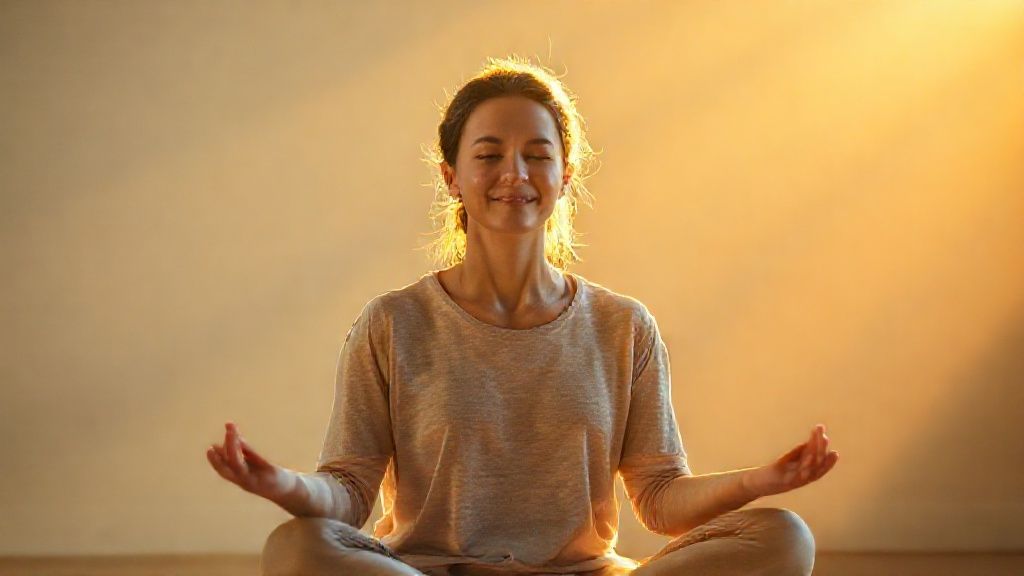
寻找您的平静:最佳焦虑引导冥想终极指南
That familiar tightness in your chest. The racing thoughts that won’t quiet down. The feeling of being constantly on edge, as if something bad is about to happen. If you’re living with anxiety, you know this state all too well. It’s more than just worry—it’s a physical and mental grip that can make everyday life feel overwhelming.
The best meditation for anxiety is one that is practiced consistently and focuses on grounding the mind in the present moment, such as Mindfulness Meditation, Body Scan, or Guided Meditation for anxiety. This guide will help you find the right technique for your specific needs.
We’ll explore the science behind why meditation works, break down the most effective techniques, provide practical scripts and guides, and show you how to build a sustainable practice that can transform your relationship with anxiety.

Why Meditation Is a Powerful Antidote to Anxiety
When anxiety strikes, your body’s alarm system—the sympathetic nervous system—kicks into high gear. This “fight-or-flight” response floods your system with stress hormones like cortisol and adrenaline. Your heart rate increases, muscles tense, and breathing becomes shallow. It’s your body’s ancient survival mechanism, but when triggered too often or for too long, it becomes debilitating.
Meditation works by activating the opposite system: the parasympathetic nervous system, often called the “rest-and-digest” response. Through consistent practice, meditation can:
- Lower cortisol levels by up to 30% according to some studies
- Calm the amygdala, the brain’s fear center that becomes overactive in anxiety
- Strengthen the prefrontal cortex, responsible for emotional regulation and rational thinking
- Improve heart rate variability, a key indicator of stress resilience
Think of meditation not as eliminating anxiety entirely, but as changing your relationship with it. Instead of being swept away by anxious thoughts and physical sensations, you learn to observe them with curiosity rather than fear.
Top 5 Meditation Techniques to Soothe an Anxious Mind
Not all meditation practices are created equal when it comes to anxiety relief. These five techniques have proven particularly effective for calming the nervous system and creating mental space.
1. Mindfulness Meditation (Present-Moment Awareness)
Mindfulness meditation is the foundation of most modern anxiety-reduction programs, including Mindfulness-Based Stress Reduction (MBSR). The practice involves intentionally paying attention to the present moment without judgment.
练习方法: Sit comfortably and bring your attention to your breath. When thoughts, emotions, or physical sensations arise (as they will), simply notice them without getting caught up in them. Gently return your focus to your breath each time you notice your mind has wandered.
Why it works for anxiety: Anxiety often involves worrying about the future or ruminating about the past. Mindfulness anchors you in the present, where anxiety cannot exist in the same way. It also teaches you to relate to anxious thoughts as passing mental events rather than absolute truths.
For a simple, structured way to start, try our 10分钟正念冥想引导.
2. Guided Meditation for Anxiety
Guided meditation uses a narrator’s voice to lead you through a relaxing process, making it ideal for beginners who find silent meditation challenging.
练习方法: Listen to a pre-recorded session where a guide leads you through visualization, breathing exercises, or body relaxation techniques specifically designed to reduce anxiety.
Why it works for anxiety: The external guidance provides structure that can prevent the mind from spiraling into anxious thoughts. The soothing voice and carefully crafted imagery can directly counter anxiety’s chaotic energy.
We offer a variety of guided sessions. Start with our popular – 培养接纳与平和 或选择较短时长的版本 5-minute meditation for anxiety.
3. Body Scan Meditation
Anxiety doesn’t just live in the mind—it manifests physically as muscle tension, stomach discomfort, and shallow breathing. The body scan meditation systematically addresses these physical symptoms.
练习方法: Lie down or sit comfortably and slowly bring your attention to different parts of your body, typically starting from the toes and moving upward. Notice sensations without trying to change them, simply bringing awareness to each area.
Why it works for anxiety: By directing attention to physical sensations rather than anxious thoughts, you interrupt the anxiety feedback loop. The practice also helps release the muscular tension that both results from and contributes to anxiety.
To experience a body scan, follow along with our 五分钟身体扫描冥想引导词(PDF).

4. Breathing Meditation (Pranayama)
Your breath is the most portable anxiety-relief tool you possess. Breathing meditation uses deliberate breath patterns to influence the nervous system directly.
练习方法: Focus your attention on the natural rhythm of your breath, or use specific breathing techniques like diaphragmatic breathing, 4-7-8 breathing, or alternate nostril breathing.
Why it works for anxiety: Slow, deep breathing stimulates the vagus nerve, which triggers the parasympathetic nervous system. This creates an almost immediate physiological shift away from the fight-or-flight response.
For an immediate calming effect, practice this 即使一分钟也能带来改变。从我们的. For a longer session, use our 十分钟呼吸冥想引导词.
5. Loving-Kindness Meditation (Metta)
While it might seem counterintuitive, cultivating feelings of kindness and compassion can be remarkably effective for anxiety, which often involves self-criticism and isolation.
练习方法: Silently repeat phrases of goodwill and kindness, first toward yourself, then toward loved ones, acquaintances, and eventually all beings. Common phrases include “May I be happy, may I be healthy, may I be safe, may I live with ease.”
Why it works for anxiety: Anxiety often involves harsh self-judgment about being anxious. Loving-kindness meditation counters this with self-compassion, reducing the secondary suffering that comes from fighting your anxiety. It also fosters connection, countering the isolation that anxiety can create.
To guide your practice, follow our 慈心冥想引导词.
Building Your Anti-Anxiety Meditation Routine
Knowing which techniques work is only half the battle—the real magic happens when you build a consistent practice.
Finding Time: Short Sessions vs. Long Sessions
The most common meditation mistake is aiming for perfection rather than consistency. Many beginners assume they need to meditate for 30-60 minutes daily to see benefits, but this isn’t true.
The consistency principle: Research shows that practicing for just 5-10 minutes daily is more beneficial than practicing for 30 minutes once a week. Regular practice creates new neural pathways that become stronger over time.
Short sessions (1-10 minutes): Ideal for busy days, anxiety flare-ups, and building the habit. Brief practices can reset your nervous system and interrupt anxiety patterns.
Longer sessions (15-30 minutes): Allow for deeper relaxation and more significant changes in brain structure over time.
Even one minute can reset your day. Try our 2分钟 grounding 冥想引导语. When you have more time, delve deeper with a 运动即良药:舒缓神经的温和锻炼.
The Best Time of Day to Meditate for Anxiety
While any meditation is better than none, timing your practice strategically can enhance its anxiety-reducing benefits.
Morning meditation: Sets a calm, centered tone for the day ahead. By starting your day with meditation, you build resilience before stressors arise.
Evening meditation: Helps process the day’s events and calm the nervous system before sleep, which is particularly important since anxiety often disrupts rest.
焦虑发作应对: 若感到焦虑情绪加剧,无需等待“既定”冥想时间。可根据需要全天使用简短练习。.
晨间练习能为即将开始的一天奠定平静基调。尝试我们的 5分钟晨间引导式冥想. 。针对影响睡眠的晚间焦虑,可使用我们的 助眠焦虑引导冥想.

辅助练习的工具与资源
合适的资源能使您的冥想之旅更顺畅高效。.
缓解焦虑最佳冥想应用
本指南虽提供入门所需全部内容,但应用程式能提供部分使用者认为有益的结构框架、练习多样性及进度追踪功能。.
核心功能筛选标准: 专项焦虑课程、多元导师音声、不同时长课程、进度追踪系统。.
查阅我们关于 Headspace等最佳冥想应用 及优质 缓解压力与焦虑的免费应用.
冥想脚本与音乐运用
书面指引或背景音乐有时能增强练习效果,对初学者尤为有益。.
冥想脚本: 为自主冥想提供结构化引导,当您希望脱离音频指引进行冥想却又需要方向时尤其适用。.
冥想音乐: 营造舒缓的声学环境,既能屏蔽干扰性噪音,亦可提示大脑进入放松状态。.
访问我们的 免费焦虑引导冥想脚本库. 。环境音效可使用我们的 10分钟冥想音乐 音轨。.
关于冥想缓解焦虑的常见问题
冥想缓解焦虑需要多长时间?
某些冥想益处可即时感知——单次呼吸练习或身体扫描带来的镇静效果。但大脑结构的长期改变与基础焦虑水平的显著降低,通常需要持续每日练习8周以上。可将其类比运动锻炼:单次训练带来暂时效益,规律练习方能建立持久适应力。.
冥想会加重焦虑吗?
对少数人群(特别是经历创伤或重度焦虑者),初期向内关注可能增强对焦虑思绪与身体感知的觉察。若出现此情况,通常具有暂时性,可通过以下方式调节:
- 转换至结构化引导冥想
- 聚焦外部锚点(如环境声响)替代内部感知
- 缩短单次练习时长
- 先尝试行走冥想等动态练习
若发生此状况, 一段平静的引导式冥想 可提供更强结构支撑。.
焦虑冥想与睡眠冥想的区别?
两者虽有重叠,但目标导向不同:
- 焦虑冥想 着重处理思绪、建立觉察、锚定当下
- 睡眠冥想 旨在完全静息心念、引导身体进入休眠模式
部分练习兼具双重功效,尤其侧重身体放松与呼吸觉察的实践。.
如需融合型练习,请尝试我们的 焦虑性失眠专项冥想.
焦虑初学者更适合引导式还是非引导式冥想?
引导式冥想通常更适合焦虑初学者,因为:
- 外部语音提供锚点,防止思维陷入漩涡
- 指导语减轻“必须做对”的心理压力”
- 舒缓旁白能直接安抚神经系统
- 结构化观想为心念提供积极聚焦点
随着冥想熟练度提升,可逐步融入静默时段或过渡至非引导练习。.
通往平静心境的旅程此刻启程
寻找最佳焦虑冥想方式的终极答案在于您自身——您的偏好、您的日程、您独特的焦虑体验。最重要的并非找到某种“完美”技巧,而是发现适合您的方法并持之以恒地实践。.
请谨记:某些练习日会比其他时候更轻松。有时您会感到心绪宁静专注,有时思绪却会不受控地奔腾。这均属正常过程。冥想实践不在于达成绝对静止,而在于学会以不同方式面对一切升起的体验——包括焦虑本身。.
准备迈出下一步?从本指南中选择一种技巧——或许是 10分钟焦虑引导冥想——并承诺今日实践。如需持续支持,请探索我们的 免费冥想课程 以建立持久习惯。.
平静正在等候——每一次呼吸都在接近。.