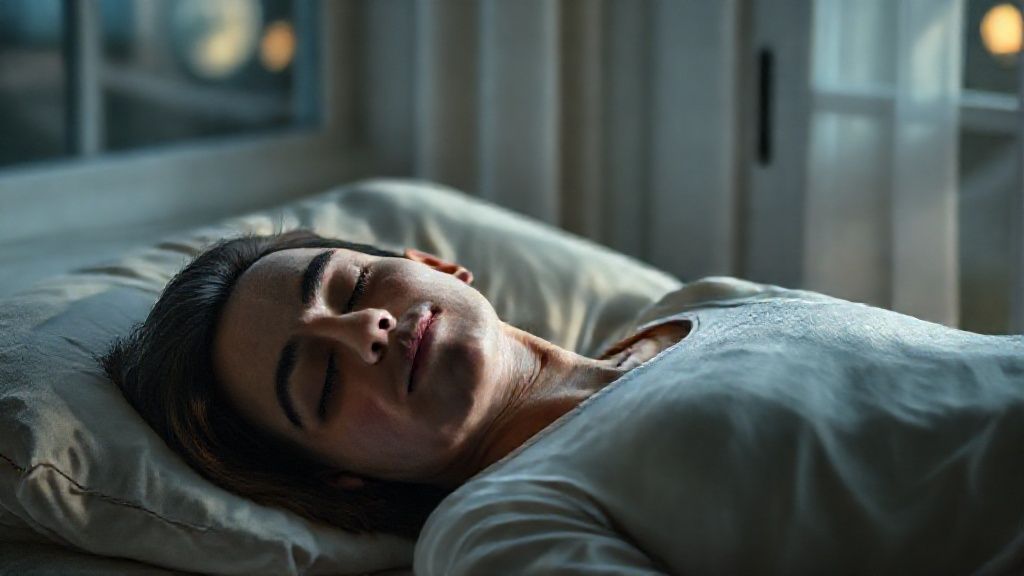
The Best Body Scan Meditation for Sleep: A Step-by-Step Guide to Deeper Rest
You’ve had a long, exhausting day. Your body aches for rest, but as soon as your head hits the pillow, your mind decides it’s the perfect time to replay every awkward conversation you’ve ever had, create tomorrow’s to-do list, and solve world hunger. Sound familiar? This frustrating experience of being physically drained but mentally wired affects millions of people nightly.
What if there was a simple, drug-free technique that could bridge this gap between physical exhaustion and mental alertness? Enter body scan meditation—a powerful, science-backed practice specifically designed to quiet your racing thoughts and relax your tense body, creating the ideal conditions for deep, restorative sleep.
A body scan meditation for sleep is a mindfulness practice where you systematically focus your attention on different parts of your body, releasing tension and preparing your nervous system for rest. This guide covers exactly how to do it, its proven benefits, and the best practices for beginners.
What Is Body Scan Meditation and Why Does It Work for Sleep?
Body scan meditation is a foundational mindfulness technique that involves mentally “scanning” through different regions of your body with gentle, non-judgmental awareness. Unlike counting sheep or trying to “force” yourself to sleep, the body scan works by changing your relationship to the present moment—acknowledging physical sensations and thoughts without getting caught up in them.
The magic happens in your nervous system. When you’re stressed or anxious (including about not sleeping), your sympathetic nervous system—the “fight-or-flight” response—is activated. This state is characterized by increased heart rate, muscle tension, and racing thoughts—the exact opposite of what you need for sleep.
By systematically directing your attention to physical sensations throughout your body, you activate your parasympathetic nervous system—the “rest-and-digest” response. This physiological shift slows your heart rate, relaxes your muscles, and calms your mind, creating the optimal state for sleep to occur naturally.
While general sleep meditation is helpful, the body scan’s systematic approach is uniquely effective for physical relaxation. Learn more about other effective methods on our 睡眠冥想 页面了解更多关于这款优秀免费资源的信息。.

The Proven Benefits of a Pre-Sleep Body Scan
The body scan isn’t just a relaxation technique—it’s a targeted intervention with multiple evidence-based benefits for sleep:
Reduces Physical Tension
Throughout the day, we accumulate micro-tensions in our muscles without even realizing it. The body scan brings awareness to these areas—commonly the jaw, shoulders, neck, and lower back—allowing you to consciously release them before sleep.
Quiets a Racing Mind
By anchoring your attention to physical sensations, you give your thinking mind a much-needed break. The simple act of noticing “my left foot is warm” or “my right shoulder feels tight” provides an alternative to ruminative thoughts that often prevent sleep.
Increases Body Awareness (Interoception)
Regular practice enhances your ability to notice subtle bodily sensations. This heightened awareness helps you recognize early signs of tension during the day, allowing you to address them before they escalate into sleep-disrupting discomfort at night.
Improves Sleep Onset Latency
Sleep onset latency is the technical term for how long it takes to fall asleep. Research shows that body scan meditation can significantly reduce this time by creating both the mental and physiological conditions conducive to sleep.
For those whose sleeplessness is fueled by worry, combining a body scan with a dedicated anxiety practice can be transformative. Explore our guided meditation for anxiety and overthinking for a comprehensive approach.
How to Practice Body Scan Meditation for Sleep: A Step-by-Step Script
Ready to try it for yourself? Follow this detailed script tonight. You can read through it first, then practice from memory, or have someone read it to you slowly.
Preparing Your Environment
Create the ideal setting for your practice:
– Dim the lights or turn them off completely
– Ensure your room is at a comfortable temperature
– Lie down in your bed or sit in a comfortable chair if you prefer not to practice in bed
– Wear comfortable, non-restrictive clothing
– Silence your phone and minimize other distractions
Setting the right auditory atmosphere can enhance your practice. For a soothing background, try our 10分钟冥想音乐.
The Body Scan Script (From Toes to Head)
Take a moment to settle into your position. Allow your eyes to close gently. Bring your awareness to your breath, not trying to change it, just noticing the natural rhythm of inhalation and exhalation.
Beginning with the feet:
Bring your awareness to the toes of your left foot. Notice any sensations—tingling, warmth, the feeling of socks or sheets against your skin. Without judgment, simply observe. On your next exhale, imagine releasing any tension in your toes, allowing them to feel heavy and relaxed.
Expand your awareness to include your entire left foot—the sole, the arch, the heel. Notice the points of contact with the surface beneath you. With each exhale, imagine your left foot sinking deeper into relaxation.
Move your awareness to your right foot, repeating the same process—noticing sensations in the toes, then the entire foot, and releasing tension with each exhalation.
Moving upward:
Now bring your awareness to both ankles. Acknowledge any sensations, then imagine them melting into complete relaxation.
Slowly move your attention up to your calves, shins, and knees. Notice the weight of your legs, the temperature, any subtle vibrations or pulses. With each exhale, release any holding or tension in these areas.
Continue to your thighs—front, back, and sides. These large muscle groups often carry significant tension. Visualize this tension dissolving with each breath out.
Torso and back:
Bring your awareness to your hips, pelvis, and buttocks. Feel the support from the surface beneath you. Allow these areas to feel heavy and grounded.
Move to your lower back—a common area for tension accumulation. Imagine breathing directly into this area, creating space and release with each exhalation.
Expand your awareness to include your entire back—middle back, upper back, and shoulder blades. Notice the contact points with the surface beneath you. Visualize your back spreading and sinking into complete support.
Now bring attention to your abdomen. Notice the gentle rise and fall with each breath. Allow any tightness to soften.
Move to your chest, feeling your heartbeat and breath. Imagine your rib cage expanding with ease with each inhalation.
Upper body:
Bring awareness to your shoulders. These areas often carry the weight of the day. Consciously allow them to drop away from your ears, releasing any residual tension.
Move down your arms—upper arms, elbows, forearms, wrists, hands, and finally each finger. Notice sensations of temperature, tingling, or contact. Release each area systematically.
Head and neck:
Now bring your attention to your neck—front, back, and sides. This crucial area connects your mind and body. With each exhale, imagine creating more space and ease in your neck.
Finally, bring awareness to your head—your jaw (allow it to unclench), your cheeks, your eyelids, your forehead, and the crown of your head. Notice any subtle sensations without trying to change them. Release any residual holding in your facial muscles.
Complete awareness:
Now expand your awareness to include your entire body simultaneously. Feel the wholeness of your body lying in complete relaxation. Bask in this state of deep calm for a few breaths.
Gently bring your awareness back to the rhythm of your breath. When you’re ready, you can slowly open your eyes or simply allow yourself to drift into sleep.
If you’re short on time, a condensed version can be just as effective. We have a 5分钟身体扫描指导文稿PDF available for a quick reset.

Tips for Beginners and Common Challenges
Starting any new practice comes with questions and potential obstacles. Here’s how to navigate them:
“What if I Keep Getting Distracted?”
This is perhaps the most common experience—and completely normal! The practice isn’t about preventing thoughts but about noticing when you’ve wandered and gently returning to the body scan. Each time you notice your mind has drifted and bring it back to bodily sensations, you’re strengthening your mindfulness “muscle.” This is the practice itself—not a sign of failure.
“What if I Fall Asleep Before Finishing?”
恭喜——这意味着该技巧正在发挥作用!身体扫描旨在帮助您入睡,因此如果您在完成整个序列前就已进入睡眠状态,请将其视为成功。通过定期练习,您可能会发现自己能够完成更多扫描步骤,同时仍能享受其促眠益处。.
“如果我感到不适或情绪波动怎么办?”
有时,将注意力集中在某些身体部位可能会引发不适或意外情绪。若发生这种情况,请尝试保持好奇、不加评判的态度。您可以在心中默念“此处有紧绷感”或“情绪正在浮现”,而无需陷入其背后的缘由。若感受过于强烈,您随时可以将注意力转移到身体中性或舒适的区域。.
“如何判断自己的练习方式是否正确?”
身体扫描不存在“完美”的练习方式。任何能帮助您以善意关注身体体验的方法都是正确的。如果您能觉察身体感受,并在分心时温和地回归关注,那么您的练习就是正确的。进步体现在觉察力的提升和睡眠困扰的逐渐减少,而非单次练习中达到某种特定状态。.
建立持续的冥想习惯至关重要。如需每日支持,请探索我们的 针对睡眠与焦虑的免费引导冥想。.
深化练习:辅助工具与技巧
虽然身体扫描本身效果显著,但与其他练习结合可增强其益处:
引导式身体扫描冥想
尤其在初学阶段,跟随引导音频有助于保持专注并提供结构框架。当思绪游离时,引导者的声音能帮助锚定注意力。.
如需更长久、更沉浸的体验,我们的 20分钟睡眠引导冥想 专为引导您进入深度睡眠而设计。.
结合呼吸练习
整合特定呼吸技巧可增强身体扫描过程中的放松反应。尝试此法:当您关注每个身体部位时,深吸气,呼气时想象紧张感正从该特定区域离开。.
将身体扫描与简易呼吸技巧结合。跟随我们的 10分钟呼吸冥想引导词 进一步安抚您的神经系统。.
建立稳定的睡前程序
将身体扫描纳入更广泛的放松仪式中,可包括调暗灯光、远离电子屏幕、饮用花草茶或阅读。规律性会向大脑传递睡眠即将来临的信号。.

助眠身体扫描冥想:常见问题解答(FAQ)
助眠身体扫描冥想应持续多长时间?
5至30分钟皆可。初学者可从5分钟短时扫描开始,而需要深度放松者可能更适合20分钟的练习。关键在于规律性而非时长。即使定期进行简短练习,长期来看也能显著改善睡眠质量。.
在床上练习还是上床前练习更好?
两种方式皆可!在床上练习有助于将床与放松感建立关联。若发现自己入睡过快,可先在地垫或椅子上练习,再移至床上。最重要的因素是舒适度与地点的稳定性。.
身体扫描冥想能否缓解焦虑性失眠?
当然可以。通过让您专注于身体感受并远离焦虑思绪,身体扫描冥想是高度推荐的焦虑性失眠应对方法。该技巧通过将注意力带回当下的身体感受,直接对抗焦虑那种脱离身体、“困于思绪”的体验。.
身体扫描与渐进式肌肉放松有何区别?
身体扫描涉及对感受的被动觉察,而渐进式肌肉放松则需要主动收紧再放松肌肉群。两者均有效,但身体扫描通常更适合已处于身体紧绷状态的人群,因为它不需要额外的肌肉收缩。.
睡前多久进行身体扫描冥想最合适?
理想时间是在睡前放松阶段,通常为计划入睡前30-60分钟。这使您能从容完成练习并平稳过渡到睡眠状态。当然,直接在床上尝试入睡时练习同样有效。.
夜间醒来时可以进行身体扫描冥想吗?
完全可以。身体扫描是夜间醒来后重新入睡的绝佳工具。与其烦躁不安或查看时间,不如温和地从脚趾开始向上扫描身体。通常您会在完成完整扫描前再次入睡。.

今夜改善您的睡眠
身体扫描冥想为众多睡眠不足者提供了迫切寻求的解决方案:一种自然、易行且有效的方法,弥合身体疲惫与精神警觉之间的鸿沟。与常伴副作用和依赖风险的助眠药物不同,身体扫描赋予您一种随练习而日益增强的技能——一种可随时随地、完全免费使用的能力。.
此技巧的精妙在于其简洁性。您不需要特殊设备、专业训练或完美环境。您只需要保持专注,并愿意温和地将注意力引导至全身。其累积益处——更深沉的睡眠、减轻的紧张感与提升的日间觉察力——使其成为您健康工具库中最有价值的练习之一。.
改善睡眠的旅程始于一次有意识的呼吸,以及以善意关注身体体验的意愿。何不今晚就尝试这份循序渐进的指南?您的身心灵正等待着重新发现深度恢复性休息的自然本能。.
准备好体验人生中最深沉的睡眠了吗?如需更多引导练习以支持心理健康,请探索我们完整的 当然有。通过生理性释放紧张,您能中断传递给大脑的压力反馈循环,降低皮质醇水平并促进平静状态。定期练习可改变基础压力水平,增强应对日常压力的韧性。更多技巧请参见我们的.