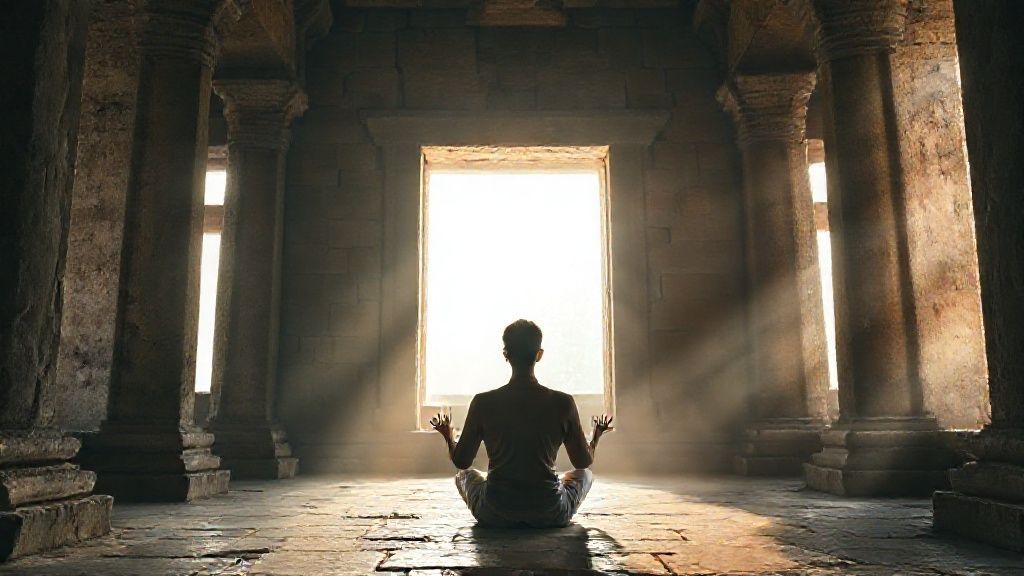
古老冥想方法:永恒实践的现代指南
In our fast-paced, digitally saturated world, the search for inner peace and mental clarity has become more urgent than ever. While modern solutions like meditation apps offer quick fixes, there’s a growing recognition that true, lasting transformation requires something deeper—something time-tested. Ancient meditation methods, developed and refined over thousands of years across diverse spiritual traditions, offer precisely that: profound pathways to stillness that have guided countless generations toward awakening.
Ancient meditation methods are time-tested practices originating from diverse cultures like India, China, and Tibet, designed to cultivate awareness, focus, and spiritual insight. This comprehensive guide will explore foundational techniques like Vipassana, Zazen, and Mantra meditation, explaining their rich history, unique benefits, and—most importantly—how you can integrate them into your modern life. We’ll also connect these timeless wisdom traditions to practical, contemporary applications, from reducing anxiety to improving sleep quality.

Why Explore Ancient Meditation Methods?
In an era of bite-sized mindfulness and 2-minute meditation apps, why look backward to these ancient systems? The answer lies in their depth, historical efficacy, and connection to comprehensive philosophical frameworks. Unlike many modern approaches that focus primarily on stress reduction, ancient methods were designed as complete paths to understanding the nature of mind and reality itself.
These practices have been tested not in laboratories (though science is now validating their benefits) but in the living laboratories of human experience across centuries. They come embedded within philosophical systems that address fundamental questions about suffering, purpose, and consciousness. When you practice Zazen or Vipassana, you’re not just practicing a technique—you’re connecting with a lineage of practitioners who have walked this path before you, discovering profound truths about human potential.
A Journey Through Time: Foundational Ancient Techniques
Vipassana: The Art of Insight Meditation
Originating from the Buddhist tradition over 2,500 years ago, Vipassana—which means “to see things as they really are”—is one of India’s most ancient meditation techniques. The practice involves observing the constantly changing nature of bodily sensations, thoughts, and emotions without reaction or judgment. Rather than concentrating on a single object, Vipassana cultivates moment-to-moment awareness of the entire field of experience.
The core principle is simple yet profound: by observing reality exactly as it manifests in our mind and body, we develop insight into the true nature of existence—impermanent, unsatisfactory, and without a solid, separate self. This direct understanding, rather than intellectual knowledge, leads to genuine freedom from suffering. To practice a foundational element of Vipassana, try our 5分钟身体扫描指导文稿PDF.
Zazen: The Heart of Zen Meditation
Zazen, meaning “seated meditation,” forms the core of Zen Buddhist practice, which traveled from India through China to Japan. Unlike techniques that involve visualization or mantras, Zazen emphasizes “just sitting” (shikantaza) with alert, open awareness. Practitioners typically sit facing a wall, focusing on the natural flow of breath while allowing thoughts to arise and pass without engagement.
The posture itself is considered essential in Zazen—an upright spine, relaxed shoulders, and a stable base symbolize the awakened mind: stable yet receptive. The practice isn’t about achieving special states but about realizing that enlightenment is already present in this very moment, exactly as we are. For those new to seated breath awareness, a short session can be a great start, like this 如果你时间紧迫,可以通过短时课程建立持续习惯。立即探索我们的.
Mantra Meditation: Power of Sacred Sound
With roots in the Hindu and Vedic traditions of ancient India, mantra meditation uses the repetition of sacred sounds, words, or phrases to focus the mind and connect with deeper aspects of consciousness. The most famous mantra, “Om,” is considered the primordial sound of the universe. The vibration of the mantra is believed to have transformative power, gradually purifying the mind and awakening spiritual energy.
The technique involves silently or audibly repeating the chosen mantra, returning to it whenever the mind wanders. This continuous repetition creates a rhythmic, absorbing focus that carries the practitioner beyond surface-level thoughts into deeper states of awareness and peace. Mantra meditation shares the goal of cultivating compassion with practices like Metta (Loving-Kindness) meditation.
Taoist Meditation: Aligning with the Natural Flow
Emerging from ancient China, Taoist meditation practices focus on harmonizing with the natural flow of the universe—the Tao. These methods often involve working with life energy (qi) through practices like Qigong and internal alchemy. Unlike some Buddhist approaches that emphasize observing phenomena, Taoist techniques frequently involve active imagination, breath control, and gentle movement to circulate and refine energy.
The ultimate goal is to achieve wu wei—effortless action—and longevity by aligning individual energy with cosmic rhythms. Practices might include focusing on the lower energy center (dantian), circulating energy through specific pathways, or visualizing the interaction of yin and yang forces within the body.

Integrating Ancient Wisdom into Modern Life
Using Ancient Methods for Modern Anxiety
The relentless pace and uncertainty of contemporary life have created an anxiety epidemic. Ancient meditation methods offer powerful antidotes precisely because they weren’t designed for minor stress relief but for confronting the fundamental roots of human suffering. Breath-focused techniques like Zazen teach us to sit with discomfort without resistance, while Vipassana helps us observe anxious thoughts as passing mental events rather than absolute truths.
The regularity of mantra repetition can create an anchor of stability amidst emotional turbulence, and Taoist energy practices can help release the physical tension that accompanies anxiety. By applying these ancient tools to modern psychological challenges, we discover that our ancestors understood the human mind in ways that remain profoundly relevant. If anxiety is a primary concern, our dedicated – 培养接纳与平和 简短冥想可提供即时缓解。.
Cultivating Deep, Restorative Sleep
In our hyper-connected world, quality sleep has become increasingly elusive. Ancient meditation methods address sleep problems not just as biological issues but as symptoms of a restless mind. The body awareness cultivated in Vipassana is particularly effective for insomnia, as it teaches systematic relaxation while quieting the mental chatter that often prevents sleep.
Similarly, the repetitive nature of mantra meditation can gently lull the mind into the theta brainwave states associated with deep relaxation and the threshold of sleep. These practices work by regulating the nervous system and creating the internal conditions necessary for natural, restorative sleep to occur. To directly apply this for better sleep, explore our 睡眠身体扫描冥想.
Starting Your Day with Intention
How we begin our morning often sets the tone for the entire day. Ancient traditions understood the importance of establishing conscious intention at the start of each day. A brief morning meditation practice—whether Zazen, mantra repetition, or mindful breathing—can create a reservoir of calm and clarity that sustains us through daily challenges.
This morning practice doesn’t need to be lengthy to be transformative. Just five to ten minutes of seated meditation upon waking can significantly impact our responsiveness (rather than reactivity) to whatever the day brings. This intentional start represents a radical shift from reaching for our phones to reaching for presence. A simple five-minute practice upon waking can be transformative. Try this 5分钟晨间引导冥想脚本 冥想。.

Your Path Forward: From Beginner to Practitioner
Finding Guidance and Community
While ancient meditation methods can be practiced individually, finding qualified guidance and community support can profoundly accelerate and deepen your practice. A skilled teacher can offer personalized instruction, help navigate challenges, and provide context for the experiences that arise during meditation. Meanwhile, practicing with others creates a collective energy that can inspire and sustain your commitment.
Many traditions emphasize the importance of sangha (community) as one of the three jewels of practice, alongside the Buddha (the ideal of enlightenment) and the Dharma (the teachings). This reflects the understanding that spiritual development flourishes in relationship, not in isolation. To find local support, you can search for 附近的冥想中心. For structured learning from home, consider our recommended 在线冥想课程。.
Deepening Your Practice
As your meditation practice matures, you may feel drawn to explore more intensive experiences that allow for deeper immersion. Silent retreats—ranging from a weekend to several months—provide the container for profound investigation by removing everyday distractions and responsibilities. In the sustained silence, layers of mental habit become visible, and deeper states of concentration and insight can develop.
For those who feel called to share these transformative practices with others, pursuing formal teacher training can be a natural next step. This path involves not just mastering techniques but embodying the teachings in a way that allows you to skillfully guide others on their journey. For an immersive experience, you might explore options for a 甚至当地的僧团。. For those interested in teaching, learn about becoming a 冥想指导师.
Frequently Asked Questions (FAQ) About Ancient Meditation
What is the simplest ancient meditation method for a beginner?
For absolute beginners, breath-focused meditation (such as Zazen or Anapanasati) is often the most accessible starting point. These practices require no special beliefs, complex visualizations, or unusual physical flexibility. Simply finding a comfortable seated position and bringing gentle attention to the natural flow of the breath provides an immediate anchor to the present moment. We recommend starting with this 简短的引导冥想 to build consistency.
Can ancient meditation techniques help with depression?
Yes, numerous studies have demonstrated that mindfulness-based practices (derived from Vipassana) can be as effective as antidepressant medication for preventing relapse in recurrent depression. These practices work by changing our relationship to negative thoughts and emotions—observing them as passing mental events rather than identifying with them as absolute truth. This creates psychological space and reduces the rumination that fuels depressive cycles. Explore specific 正念是促进整体心理健康的有效辅助练习,常被应用于治疗场景。它能帮助个体以不同方式面对自身思绪与情绪。如需具体技巧,可探索 techniques on our dedicated resource.
How is ancient meditation different from using an app like Headspace or Calm?
Meditation apps serve as excellent gateways to practice, offering structure, guidance, and convenience. However, ancient methods typically offer a less-guided, more self-directed path that encourages developing your own internal resources of awareness rather than constant dependence on external guidance. They’re also embedded within comprehensive philosophical systems that address life’s biggest questions, offering not just stress reduction but potential spiritual transformation. If you’re curious about apps, we’ve compared the top options like Headspace and others.
Do I need a teacher to learn these methods?
While many ancient meditation methods can be learned from books or online resources initially, most traditions strongly recommend finding a qualified teacher for proper guidance, especially as your practice deepens. A teacher can provide personalized instruction, help you navigate obstacles, ensure you’re practicing correctly, and offer transmissions that go beyond intellectual understanding. The student-teacher relationship has been central to these wisdom traditions for millennia. To understand what a guide does, read our article on 无论您是主导企业健康计划、教授课程还是协助社区团体,这些练习单都为共享正念体验提供了结构框架。.
总结与行动号召
Ancient meditation methods offer far more than temporary stress relief—they provide a profound and time-tested path to understanding the nature of our own minds and living with greater wisdom, compassion, and freedom. These practices have survived for millennia not as historical curiosities but because they effectively address the fundamental human condition in ways that remain powerfully relevant to our modern lives.
The true value of these methods isn’t in reading about them but in experiencing their transformative effects directly. Your journey with these practices begins not with perfection but with simple, consistent effort. Choose one technique that resonated with you—perhaps Vipassana’s insightful awareness or Mantra meditation’s rhythmic focus—and commit to a short, 5-minute practice today. Your journey inward is the most important one you can take.
Ready to start right now? Follow our 当然有。通过生理性释放紧张,您能中断传递给大脑的压力反馈循环,降低皮质醇水平并促进平静状态。定期练习可改变基础压力水平,增强应对日常压力的韧性。更多技巧请参见我们的 to immediately experience the benefits of a focused mind.