你的10分钟呼吸冥想脚本,即刻获得平静
Have you ever had one of those days where your to-do list seems to multiply by the minute, your inbox is overflowing, and your mind feels like a browser with too many tabs open? That overwhelming sensation where you just need to hit the pause button, but don’t have hours to spare? What if you could reset your entire nervous system and find profound calm in just the time it takes to brew a cup of tea?
A simple, 10-minute breathing meditation is one of the most accessible and powerful tools for finding immediate calm and mental clarity. This post provides a complete, easy-to-follow script you can use right now—no previous experience required. A breathing meditation script is a guided sequence that directs your attention to the natural rhythm of your breath, helping to reduce stress, improve focus, and regulate your nervous system in as little as ten minutes.
Why a 10-Minute Breathing Practice Is a Game-Changer
In our fast-paced world, the idea of sitting in silence for 30-60 minutes can feel intimidating or simply impossible. The beauty of a 10-minute practice lies in its accessibility and profound impact.
The Science of Breath and Your Nervous System
Your breath is uniquely connected to your autonomic nervous system, which controls involuntary bodily functions like heart rate, digestion, and—most importantly for stress—your fight-or-flight response. When you’re stressed or anxious, your sympathetic nervous system dominates, creating shallow, rapid breathing. Conversely, when you consciously slow and deepen your breath, you activate the parasympathetic nervous system, triggering what’s known as the “rest and digest” response.
This physiological shift decreases cortisol levels, lowers blood pressure, and slows your heart rate. Essentially, by changing how you breathe, you send a direct signal to your brain that you’re safe, allowing your body to move out of survival mode and into a state of calm.
The Power of a 10-Minute Commitment
Research consistently shows that consistency trumps duration when building sustainable meditation habits. A daily 10-minute practice is far more effective than an hour-long session once a month. This manageable time commitment:
- Fits seamlessly into even the busiest schedules
- Creates a sustainable routine that becomes automatic
- Provides enough time to genuinely settle your nervous system
- Builds the “muscle” of mindfulness without feeling overwhelming
How to Use This Meditation Script Effectively
Before we begin the meditation itself, let’s set the stage for a successful practice. Proper preparation maximizes the benefits of your 10-minute investment.
Finding Your Space and Posture
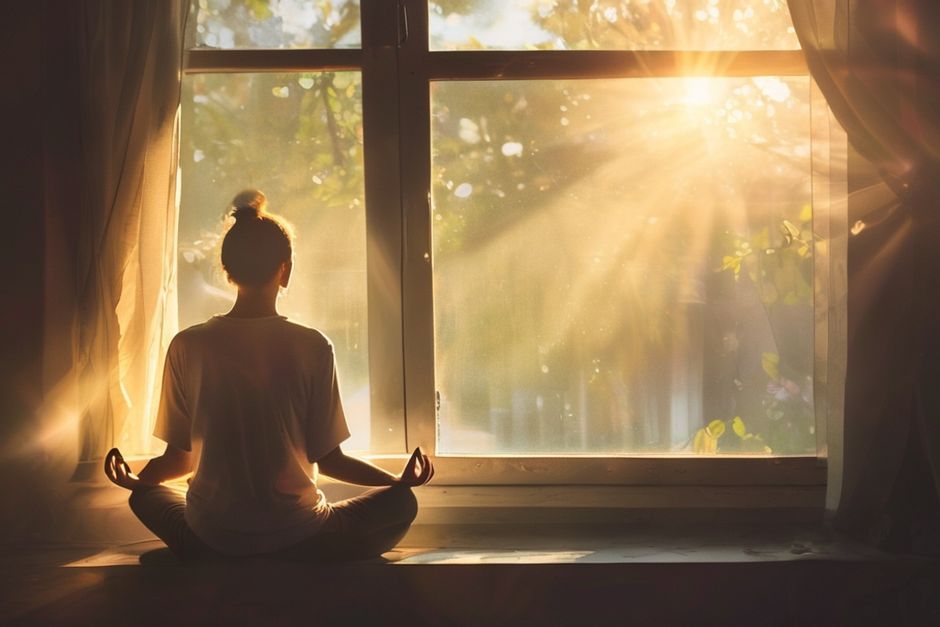
Choose a relatively quiet space where you’re unlikely to be interrupted for the next 10 minutes. You don’t need a dedicated meditation room—a corner of your bedroom, a comfortable chair, or even your office with the door closed will work perfectly.
Sit in a comfortable position with your spine relatively straight. You can sit in a chair with your feet flat on the floor, cross-legged on a cushion, or even kneel using a meditation bench. The key is to find a position that’s alert yet relaxed—you shouldn’t be so comfortable that you’ll fall asleep, nor so rigid that you’re fighting discomfort throughout the practice.
Rest your hands comfortably on your knees or in your lap. Gently close your eyes or maintain a soft, downward gaze if that feels more comfortable.
A Note for Beginners
If this is your first time following a meditation script, welcome! It’s completely normal—and expected—for your mind to wander during practice. The goal isn’t to empty your mind or stop thinking altogether. Rather, the practice is in noticing when your attention has drifted and gently guiding it back to the anchor of your breath.
Each time you notice your mind has wandered, simply acknowledge where it went without judgment, and return your focus to your breathing. This act of noticing and returning is where the real magic happens—it’s like doing reps for your attention muscle.
如果您对此概念完全陌生,您或许希望 进一步了解什么是引导式冥想 to better understand the process.
Your 10 Minute Breathing Meditation Script
This script is designed to be read slowly, with pauses between sentences. If you’re guiding yourself, you might want to record yourself reading it aloud with generous pauses, or simply read one section at a time before closing your eyes to practice.
Take a moment to settle into your seated position. Gently close your eyes if you feel comfortable doing so.
Minute 0-1: Settling In
Begin by bringing awareness to your body. Notice the points of contact—your feet on the floor, your sitting bones on the chair or cushion, your hands resting. Without trying to change anything, simply observe the physical sensations of sitting here. Take three intentional breaths, breathing in through your nose and out through your mouth with a soft sigh. With the next exhale, let go of any tension you’re holding in your jaw, shoulders, and forehead.
Minute 1-3: Noticing the Natural Breath
Now allow your breathing to return to its natural rhythm. Bring your attention to the sensation of breathing. You might notice the cool air entering your nostrils and the slightly warmer air leaving. Perhaps you feel the rise and fall of your chest or the expansion and contraction of your belly. There’s no need to control or change your breath—simply observe it as it is. When your mind wanders—to thoughts, sounds, or bodily sensations—gently acknowledge this and guide your attention back to the breath, without criticism.
If you notice particular tension in your body as you breathe, you might find it helpful to practice this 1-minute breathing exercise afterward to release specific areas of holding.
Minute 3-7: Counting the Breath
To help maintain focus, we’ll now introduce a simple counting practice. On your next inhalation, silently count “one” in your mind. On the exhalation, count “one” again. On the following inhalation, count “two,” and on the exhalation, count “two.” Continue this pattern up to the count of five, then begin again at one. If you lose count, simply start again at one without judgment. If counting to five feels too short, you can extend to ten. Find the rhythm that best helps you maintain gentle focus on your breath.
Minute 7-9: Expanding Awareness
Now, release the counting practice. Allow your awareness to expand to include your entire body breathing. Feel the subtle movements throughout your torso, back, and sides with each breath. Imagine your whole body as a container for the breath—receiving the inhalation and releasing the exhalation. Continue to use the breath as your anchor, but with a wider, more spacious awareness.
Minute 9-10: Returning and Transitioning
Slowly begin to bring your awareness back to the room. Notice the sounds around you—both near and far. Gently wiggle your fingers and toes, bringing movement back into your body. When you feel ready, slowly open your eyes, maintaining that sense of calm awareness as you transition back into your day.
Take a moment to notice how you feel after this practice. There’s no right or wrong way to feel—simply observe.
Optional: If you prefer a guided audio experience, you can listen to our 10分钟冥想音乐曲目 to accompany your practice in the future.
Deepening Your Meditation Practice
Once you’ve established a consistent 10-minute breathing practice, you might find yourself curious about exploring different approaches or extending your sessions. Here are some pathways for deepening your practice based on your evolving needs.
When You Need More Than 10 Minutes
While a 10-minute practice provides significant benefits, there are times when a longer session can facilitate deeper relaxation and insight. If you find yourself with extra time or want to explore a more immersive experience, consider exploring a longer session with our 15-minute guided meditation or a dedicated 20-minute mindfulness practice.
Tailoring Meditation to Your Specific Needs
Different moments call for different approaches to meditation. While breath awareness is a foundational practice that benefits everyone, you can customize your practice based on your current needs:
-
针对睡眠: If you’re using this script before bed and want something specifically designed for rest, our 10分钟睡眠冥想 incorporates calming visualizations and slower pacing to prepare your mind and body for sleep.
-
针对焦虑: For days when anxiety feels particularly high, a practice focused specifically on calming the nervous system can be especially helpful. Try our 10分钟焦虑引导冥想 which includes additional techniques for working with anxious thoughts and physical sensations.
-
For Grounding: If you feel scattered, overwhelmed, or disconnected from your body, grounding techniques can help bring you back to the present moment. Practice with our 简短的接地冥想引导词, when you need to reconnect quickly.

的评测文章
Can a 10-Minute Meditation Really Reduce Stress?
Yes, absolutely. Research shows that even brief periods of focused breathing can significantly lower cortisol levels (the primary stress hormone), reduce heart rate, and decrease blood pressure. The key is consistency—a daily 10-minute practice creates cumulative benefits for your stress response system, making you more resilient to stressors throughout your day.
What if I Can’t Focus for the Full 10 Minutes?
这是冥想者(尤其是初学者)最常见的困惑之一。事实上,每个人在冥想时都会出现思绪游离——这是人类心智的自然状态。练习的目的并非停止念头,而是培养觉察注意力游离的能力,并温和地回归锚点(在此指呼吸)。.
如果您觉得10分钟特别具有挑战性,这完全正常。您或许会发现从 我们的5分钟引导冥想开始 逐步建立专注力会更容易。请记住,每一次觉察到注意力游离并将其带回的过程,都是在强化您的专注力。.
问:一天中进行疗愈冥想的最佳时间是什么时候?
呼吸冥想主要将注意力锚定在呼吸的感受上,将其作为觉知的基础。与此不同,身体扫描冥想则有系统地将注意力在身体不同部位移动,以不带评判的态度观察每个区域的感受。.
虽然本文主要关注呼吸,但身体扫描冥想能有系统地放松全身。两者都是宝贵的练习——您可以通过 我们的免费身体扫描冥想文稿PDF 来亲身体验二者的差异。.
如何为他人引导冥想?
为他人引导冥想需要清晰的表达、恰当的节奏以及平静的临在感。基本要点包括:缓慢清晰地说话、有效运用停顿、提供温和引导而非过度指令,并记住您自身的平静状态具有感染力。.
如需获取涵盖从语言选择到营造适宜环境等全方位指导,, 请阅读我们关于如何引导冥想.
结论与行动号召
仅需10分钟,您就能让神经系统从压力转向平静,从混乱回归清明。这份呼吸冥想文稿为您提供了一个便捷工具,可随时随地进行练习——无论是晨间定心、午后重启,还是夜间放松仪式。.
祝贺您为心理健康投入这段时光。这个简单的自我关怀举动将涟漪般扩散到生活的各个领域,提升您的专注力、情绪调节能力及整体平和感。.
收藏本页 以便在需要快速调整时轻松返回查阅。我们期待听到您的体验——欢迎在下方评论区分享这项练习对您日常生活的影响。.
准备探索更多内容?发现我们所有 为了获得更多样化的方法和技巧,可以探索我们收集的 针对焦虑、睡眠和专注力的冥想资源,构建您专属的正念工具库。.