
Mindful Meditation vs Transcendental: A Clear-Cut Guide to Choosing Your Path
If you’re comparing Transcendental Meditation (TM) and mindfulness meditation, you’re likely seeking a practice that fits your lifestyle and goals. The core difference is this: Mindfulness involves actively observing your present-moment thoughts and feelings without judgment, while TM uses a silent mantra to effortlessly transcend thought, promoting deep rest. Both practices offer profound benefits for mental wellbeing, but they approach meditation from fundamentally different angles. This comprehensive guide will break down exactly what sets them apart, their unique benefits, and how to determine which path aligns with your personality and objectives.

Understanding the Foundations: Two Philosophies, Two Approaches
Before diving into the comparison, it’s essential to understand the philosophical underpinnings of each practice. While both aim to cultivate mental peace and awareness, their approaches stem from different traditions and operate on distinct principles.
What Is Mindfulness Meditation?
Mindfulness meditation is the practice of purposefully paying attention to the present moment without judgment. It’s about cultivating awareness of what’s happening right here, right now—whether that’s your breath, bodily sensations, thoughts, or the environment around you.
Originating from Buddhist traditions dating back over 2,500 years, mindfulness has been widely secularized in contemporary practice. You don’t need to adopt any spiritual beliefs to benefit from mindfulness—it’s fundamentally a mental training technique.
The core principle of mindfulness is learning to observe your experience without getting caught up in it. When a thought arises, you acknowledge it without following it down a rabbit hole. When an emotion surfaces, you notice it without needing to suppress or express it. This creates a space between stimulus and response, giving you more choice in how you engage with your experience.
One of the most accessible mindfulness techniques is the 바디 스캔 명상, which you can explore through this 5 minute body scan script pdf.
What Is Transcendental Meditation (TM)?
Transcendental Meditation is a specific technique that involves silently repeating a personalized mantra to settle the mind into a state of restful alertness. Unlike mindfulness, TM doesn’t involve monitoring thoughts, controlling the mind, or concentrating. The practice is designed to be effortless—you simply think the mantra and allow your mind to naturally transcend toward quieter states of consciousness.
Developed by Maharishi Mahesh Yogi in the 1950s and derived from the ancient Vedic tradition of India, TM is taught through a standardized course by certified instructors. The technique gained popularity in the 1960s when The Beatles and other celebrities began practicing it.
The fundamental principle of TM is that by using a specific mantra assigned personally to you by a trained teacher, your mind can naturally settle inward, beyond the surface level of thinking, to experience what practitioners call “transcendental consciousness”—a state of pure awareness without content.
While TM traditionally involves a financial investment for proper instruction, you can learn about free TM resources to explore this practice further.
Head-to-Head Comparison: Key Differences Explained
Now that we understand the basic principles of each practice, let’s examine how they differ across several key dimensions. This comparison will help you identify which approach might better suit your temperament and goals.
Techniques & Mental Focus
The technical differences between these practices represent their most significant distinction:
Mindfulness Meditation typically involves:
– Anchoring attention on a specific object of focus (commonly the breath)
– Noticing when the mind has wandered
– Gently returning attention to the anchor without judgment
– Expanding awareness to include thoughts, emotions, and bodily sensations
– Developing a stance of curious observation toward all experience
Transcendental Meditation employs a different approach:
– Using a personalized mantra (a specific sound or vibration) provided by a teacher
– Allowing the mantra to repeat naturally in the mind without concentration or effort
– Settling inward as the mantra becomes increasingly subtle
– Eventually transcending the mantra itself to experience pure consciousness
– The practice is described as effortless and automatic
Goals & Primary Benefits
While both practices reduce stress and enhance wellbeing, they emphasize different outcomes:
Mindfulness Meditation aims to:
– Cultivate present-moment awareness in daily life
– Develop emotional regulation and resilience
– Reduce reactivity to challenging thoughts and feelings
– Enhance focus and concentration
– Foster acceptance and equanimity
Research has particularly supported mindfulness for managing anxiety, as it provides tools to work with anxious thoughts as they arise. If this is your primary concern, you might explore these 불안을 위한 가이드 명상 자료를 탐색해 볼 수 있습니다.
Transcendental Meditation focuses on:
– Providing deep rest and dissolving accumulated stress
– Enhancing creativity and problem-solving abilities
– Promoting holistic brain development
– Increasing energy and vitality
– Accessing deeper states of consciousness
Studies on TM have shown significant reductions in cortisol (the stress hormone), lower blood pressure, and improved psychological wellbeing.
Learning & Accessibility
How you learn each practice differs considerably:
Mindfulness Meditation offers multiple entry points:
– 책, 앱, 온라인 자료를 통한 독학 가능
– 그룹 또는 개인적으로 실천 가능
– 다양한 전통과 접근법 존재
– 서로 다른 일정과 생활방식에 높은 적응성
– 무료 또는 저비용 자료 다수 제공
처음 시작하는 경우, 다음을 이해하며 가이드 명상 을 접근성 높은 시작점으로 삼으세요.
Transcendental Meditation 는 더 구조화된 길을 따릅니다:
– 전통적으로 표준화된 7단계 과정을 통해 학습
– 공인 TM 강사의 지도 필요
– 개인 만트라 부여 포함
– 사후 관리 세션 및 지원 포함
– 일반적으로 평생 자료 접근을 위한 일회성 수수료 발생
시간 & 일상 실천
각 실천법에 필요한 시간 약속은 다릅니다:
Mindfulness Meditation 는 매우 유연합니다:
– 1분부터 수 시간까지 어떤 지속 시간으로도 실천 가능
– 정식 좌식 명상은 하루 종일 비정식 실천으로 보완 가능
– 걷기, 식사, 출퇴근 같은 일상 활동에 통합 가능
– 시간이나 빈도에 대한 엄격한 규칙 없음
시간이 제한된 분들에게는, 5분 명상 이 꾸준한 실천을 확립하는 훌륭한 방법이 될 수 있습니다.
Transcendental Meditation 는 특정 프로토콜을 따릅니다:
– 하루 두 번, 각 20분간 실천
– 일반적으로 아침 식사 전과 오후 늦게 수행
– 편안하게 앉아 눈을 감고 실천 필요
– 표준화된 시간은 최적의 결과를 위해 중요하다고 간주됨
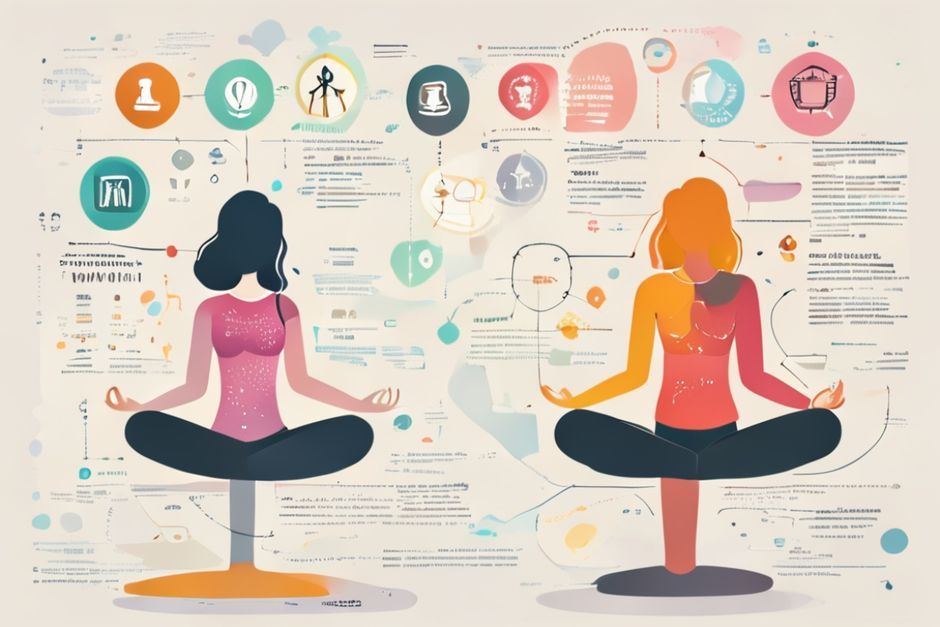
어떤 명상 실천법이 당신에게 맞을까요?
이제 이러한 실천법들을 자세히 비교해 보았으니, 어떤 것이 당신의 성격, 목표, 생활방식과 부합하는지 어떻게 결정할까요? 다음 지침을 고려해 보세요:
명상 명상을 선택하세요 만약 당신이…
- 자신의 사고 패턴을 이해하고 관리하고 싶다면: 명상은 어려운 생각과 감정을 다루는 데 탁월한 도구를 제공합니다.
- 스트레스와 불안을 실시간으로 처리할 도구를 원한다면: 명상 실천에서 개발된 기술은 도전적인 상황이 발생할 때 하루 종일 적용할 수 있습니다.
- 유연하고 자기 주도적인 실천을 선호한다면: 명상은 어떤 일정에도 맞게 조정될 수 있으며, 정식 지도나 금전적 투자를 필요로 하지 않습니다.
- 실천 배후의 “방법”과 “이유”를 이해하는 것을 소중히 여긴다면: 명상은 자신의 정신적 과정에 대한 탐구와 호기심을 장려합니다.
- 일상 활동에서의 현재성(臨在)을 강화하고 싶다면: 명상은 식사, 대화, 업무 및 사실상 모든 다른 활동에 도입될 수 있습니다.
스트레스가 예기치 않게 발생할 때, 빠른 도구를 갖는 것은 귀중할 수 있습니다—이것을 배워보세요 즉각적인 평온을 위한 1분 호흡 운동.
초월 명상을 선택하세요 만약 당신이…
- 깊고 체계적인 이완과 스트레스 해소를 추구한다면: TM은 심오한 휴식 상태에 도달하는 데 특히 효과적입니다.
- 능동적 집중 없이 구조화되고 표준화된 기법을 선호한다면: TM의 노력이 필요 없는 특성은 명상에 “일”하고 싶지 않은 사람들에게 매력적입니다.
- 가르침을 받는 정식 학습 과정에 편안함을 느낀다면: TM은 공인 강사의 초기 지도를 필요로 합니다.
- 전통과 특정 방법론을 소중히 여긴다면: TM은 수십 년 동안 가르침이 크게 변하지 않고 유지되어 왔습니다.
- 생각을 모니터링할 필요가 없는 실천을 원한다면: TM은 생각을 관찰하기보다는 초월할 수 있게 합니다.
실천 시작하기
어떤 길을 선택하든, 가장 중요한 단계는 시작하는 것입니다. 각 실천법을 탐색하기 시작하는 실용적인 방법은 다음과 같습니다:
명상으로의 첫걸음
- 작게 시작하세요: 유지하기 어려울 수 있는 긴 시간을 시도하기보다, 하루에 단 5-10분으로 시작하세요.
- 가이드 명상을 활용하세요: 앱과 온라인 자료는 특히 시작할 때 유용한 구조와 지도를 제공할 수 있습니다.
- 일관된 시간을 확립하세요: 기존 습관(양치 후와 같은)에 실천을 연결하면 일관성을 유지하는 데 도움이 될 수 있습니다.
- Be patient and kind to yourself: It’s normal for the mind to wander—the practice is in gently returning, not in maintaining perfect focus.
A perfect starting point is this 10분 마음챙김 session designed specifically for beginners.
Exploring Transcendental Meditation Further
- Research official TM organizations: The Transcendental Meditation program has a structured teaching method with certified instructors worldwide.
- Attend a free introductory lecture: These sessions provide an overview of the technique and research behind it.
- Consider the investment: While TM involves financial commitment, many practitioners find the structured learning and ongoing support valuable.
- Connect with current practitioners: Speaking with people who practice TM can give you insight into the experience.
To find instruction near you, you can search for 내 주변 명상 강사 who specialize in Transcendental Meditation.

1분 호흡 연습
Q: Can I practice both TM and mindfulness?
A: Yes, many people do. They are complementary rather than contradictory. TM provides deep rest and stress release, while mindfulness cultivates daily awareness and presence. Some people practice TM twice daily and bring mindfulness to their activities throughout the day.
Q: Which is better for anxiety: mindfulness or TM?
A: Both are highly effective for anxiety, and research supports both approaches. Mindfulness gives you tools to manage anxious thoughts as they arise, developing a different relationship with worry. TM helps reduce the underlying physiological stress that contributes to anxiety. The “better” option depends on whether you prefer working directly with anxious thoughts (mindfulness) or accessing a state that naturally reduces anxiety (TM). For more options, you can explore these 불안을 위한 명상 실천법.
Q: Is TM really worth the cost?
A: This is subjective and depends on your resources and commitment. The cost covers personalized instruction from a certified teacher, follow-up sessions, and lifetime support. For many, the financial investment increases their commitment to the practice. Mindfulness has a much lower barrier to entry with many free resources available, though some people find the structure of TM helpful for consistency.
Q: How do I know if I’m meditating correctly?
A: In mindfulness, there’s no “wrong” way as long as you gently return your focus when you notice it has wandered. The attitude of kindness and curiosity is more important than perfect focus. In TM, correct practice is ensured through proper instruction from a qualified teacher. Generally, signs of effective practice in either method include increased calm, better stress management, improved sleep, and greater presence in daily life. For guidance on establishing consistency, these tips for establishing a consistent practice may be helpful.
결론
Both mindfulness and Transcendental Meditation offer powerful pathways to greater peace, clarity, and wellbeing. The core distinction remains: mindfulness cultivates active awareness of the present moment, while TM uses a mantra to facilitate effortless transcending of thought.
Your choice ultimately depends on your personality, goals, and learning preferences. If you value flexibility, understanding your mind, and having tools for daily stress, mindfulness may be your ideal path. If you prefer a structured, effortless technique focused on deep rest and stress release, TM might better suit you.
Remember that the “best” meditation practice is the one you’ll actually do consistently. Both traditions have helped millions of people worldwide find greater peace and fulfillment.
Ready to experience the benefits for yourself? Regardless of the path you choose, the most important step is to begin. Explore our library of 최고의 길잡이 명상 sessions to start your journey today.
METADATA_START—
카테고리: 초보자를 위한 마음챙김
DISPLAY_TITLE: Mindful Meditation vs Transcendental: Choosing Your Practice
SEO_TITLE: Mindful vs Transcendental Meditation: Key Differences | 2025 Guide
META_DESC: Confused between mindful meditation vs transcendental? Our 2025 guide breaks down techniques, benefits & costs to help you choose the right practice.
IMG_PROMPT: A split scene showing two meditation approaches: left side shows mindfulness with person aware of surroundings, right side shows transcendental meditation with person in deep inner focus
IMG_ALT: Comparative visualization of mindful meditation vs transcendental meditation techniques and approaches
IMG_TITLE: mindful meditation vs transcendental – Visual Comparison
IMG_CAPTION: Two paths to peace: understanding the difference between mindful awareness and transcendental depth
IMG_DESC: This comparative illustration shows the distinct approaches of mindfulness meditation (observing present experience) and transcendental meditation (using a mantra to transcend thought)
—METADATA_END—