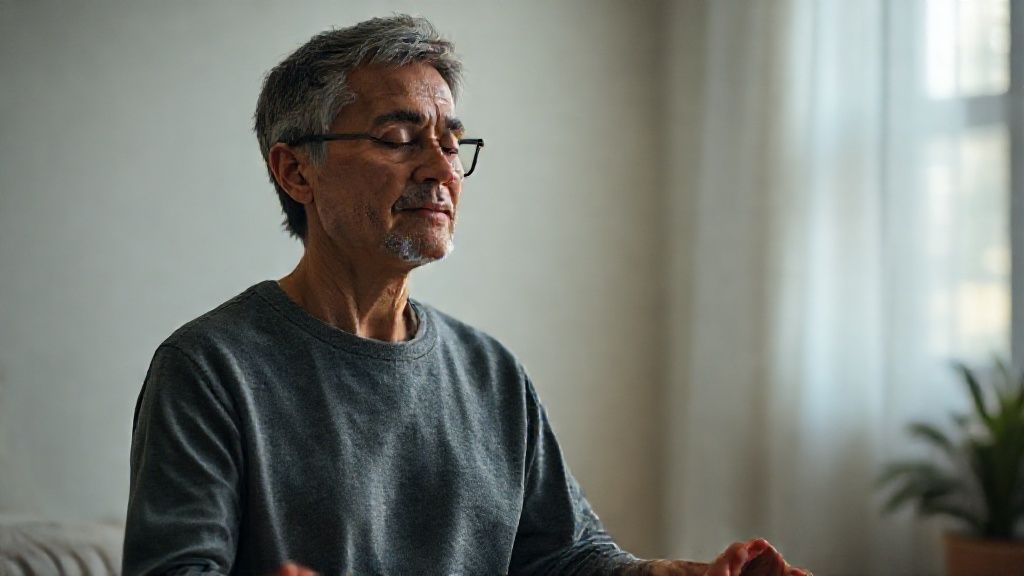
DBT의 핵심 마음챙김 기술은 무엇인가요? 실용 가이드
Dialectical Behavior Therapy (DBT) has emerged as one of the most effective therapeutic approaches for managing overwhelming emotions, improving relationships, and building a life worth living. At the very heart of this transformative modality lies a set of foundational practices known as the core mindfulness skill in DBT. These skills form the essential bedrock upon which all other DBT techniques are built, teaching individuals how to live in the present moment, reduce emotional suffering, and increase genuine happiness.
The core mindfulness skills in DBT are specifically divided into two categories: the “What” skills (what you do) and the “How” skills (how you do it). The “What” skills include Observe (noticing your experience without reaction), Describe (labeling what you observe), and Participate (fully engaging in the present moment). The “How” skills include One-Mindfully (focusing on one thing at a time), Non-Judgmentally (letting go of evaluations), and Effectively (focusing on what works rather than what’s “right”).

Why Mindfulness Is the Heart of DBT
The term “dialectical” in Dialectical Behavior Therapy refers to the balance between two seemingly opposite concepts: acceptance and change. DBT teaches that we must fully accept our current reality exactly as it is while simultaneously working to change what isn’t working in our lives. This might sound contradictory, but it’s precisely this balance that makes DBT so powerful for those struggling with emotional dysregulation.
Mindfulness serves as the crucial bridge between these two poles. It provides the tools to observe and accept our present-moment experience without judgment, which paradoxically creates the mental space needed to make meaningful changes. When we’re caught in emotional storms, our natural tendency is either to avoid our feelings (non-acceptance) or become completely overwhelmed by them (unable to change). Mindfulness offers a middle path—a way to acknowledge difficult emotions without being controlled by them.
Dr. Marsha Linehan, the creator of DBT, intentionally placed mindfulness as the first module taught in standard DBT programs because she recognized that without this foundational capacity to be present with our experience, the other skills (emotion regulation, distress tolerance, and interpersonal effectiveness) would be far less effective. Mindfulness isn’t just one component of DBT—it’s the lens through which all other skills are practiced and applied.
The “What” Skills: What Do You Actually Do?
The “What” skills in DBT are the specific actions you take to practice mindfulness. Think of them as the verbs of mindfulness—the observable behaviors that cultivate present-moment awareness. These three skills work together sequentially, though you might find yourself using them in different orders depending on the situation.
Observe: Noticing Without Getting Caught Up
Observing is the most fundamental mindfulness skill—the simple act of noticing whatever is happening in the present moment, both internally and externally, without trying to change it. This might include noticing thoughts, physical sensations, emotions, or external events like sounds or sights. The key to observing is adopting the stance of a curious scientist or a detached witness.
When practicing observation, you’re not analyzing, interpreting, or evaluating—you’re simply noticing what is. For example, you might notice the sensation of your breath moving in and out of your body, the sound of birds chirping outside your window, or the feeling of anxiety in your chest. The challenge is to notice these experiences without getting “hooked” by them or carried away by the stories your mind might create about them.
A practical observing exercise: Sit comfortably and bring your attention to the physical sensations of breathing. Notice where you feel the breath most distinctly—perhaps at your nostrils, chest, or abdomen. Each time your mind wanders (which it will), gently note “wandering” and return to observing the breath. The practice isn’t about stopping thoughts, but about noticing when you’ve become distracted and returning to your point of focus.
To practice pure observation, a short, focused exercise is ideal. Practice with this 1-minute breathing exercise.
Describe: Putting Words on Your Experience
Once you’ve observed your experience, the next skill is to describe it by putting words on what you’ve noticed. Describing helps create a slight distance between you and your experience, allowing you to see that “you are not your thoughts” or “you are not your emotions.” This subtle shift can be incredibly liberating for people who tend to become overwhelmed by their internal experiences.
The key to effective describing is to stick to the facts rather than interpretations. Instead of saying “I’m a terrible public speaker,” you might describe “I’m noticing my heart racing, my palms sweating, and the thought ‘I’m going to mess this up.’” This factual description gives you more options for responding than the global, self-critical statement.
Language tips for describing: Use phrases like “I notice…,” “I observe…,” or “The thought is arising that…” This helps create that crucial separation between the observer and what’s being observed. For example, instead of “I am angry,” try “I am experiencing the emotion of anger” or “I notice anger arising in my body as tension in my jaw and shoulders.”
Describing internal experiences is a key part of many therapeutic scripts. See an example in this guided meditation script for anxiety.
Participate: Entering the Flow of Life
The third “What” skill is participation—fully engaging in whatever you’re doing in the present moment without self-consciousness. This is the state of “flow” that athletes describe as being “in the zone,” where action and awareness merge. When you’re fully participating, you’re not stepping outside the experience to observe or describe it—you’re completely immersed in it.
Participating might look like losing yourself in a conversation, a work project, a sport, or even washing dishes. The key is that you’re fully present with the activity rather than distracted by thoughts about the past or future. For individuals who struggle with feeling disconnected from themselves or others, participating can be a powerful way to reconnect with life.
Building participation skills: Start with activities you already enjoy and try to engage in them more mindfully. Notice when you become self-conscious or distracted, and gently return your attention to the activity itself. With practice, you can learn to bring this quality of participation to more challenging situations as well.

The “How” Skills: How Do You Do It Mindfully?
While the “What” skills tell you what to do, the “How” skills describe the quality you bring to those actions. These are the adverbs of mindfulness—they modify how you practice observing, describing, and participating. Mastering these qualities can transform your mindfulness practice from a mechanical exercise into a transformative way of being.
One-Mindfully: Doing One Thing at a Time
In our multitasking, distraction-filled world, the skill of doing one thing at a time has become both radical and therapeutic. One-mindfully means bringing your full attention to whatever you’re doing in the present moment, whether it’s eating, listening, working, or even resting.
The practice of one-mindfully is deceptively simple but profoundly challenging. It means when you’re eating, just eat. When you’re walking, just walk. When you’re listening to someone, just listen—without simultaneously planning what you’re going to say next or checking your phone. This singular focus conserves mental energy, reduces stress, and allows for deeper engagement with whatever you’re doing.
Practical application: Choose one routine activity each day to practice one-mindfully. This could be brushing your teeth, drinking your morning coffee, or walking to your car. Commit to doing just that one activity with your full attention, gently returning your focus when it wanders.
Training your attention is crucial for one-minded focus. Strengthen your focus with these specific exercises.
Non-Judgmentally: Letting Go of “Good” and “Bad”
The skill of being non-judgmental is perhaps the most misunderstood of the DBT mindfulness skills. Being non-judgmental doesn’t mean you don’t have preferences or can’t make evaluations—it means you describe the facts of a situation without adding evaluative labels like “good,” “bad,” “should,” or “shouldn’t.”
For example, instead of thinking “I shouldn’t feel so anxious about this presentation—what’s wrong with me?” you might non-judgmentally observe “I notice anxiety is present. My heart is beating faster, and I’m having thoughts about failing.” This factual description is far less likely to trigger secondary emotions (like shame about being anxious) that compound your suffering.
Common misconceptions: People often worry that being non-judgmental means becoming passive or indifferent. Actually, the opposite is true—when we stop wasting energy on judgmental thoughts, we have more resources available to respond effectively to situations. Non-judgmental stance also applies to judging yourself for being judgmental! When you notice judgment arising, you can simply note “judging” and return to describing the facts.
Cultivating a non-judgmental stance is closely linked to self-compassion. Learn more about cultivating self-compassion here.
Effectively: Focusing on What Works
The skill of being effective is about focusing on what works in a given situation rather than insisting on being “right” or following rigid rules. It’s the quality of practicality and willingness to do what’s needed to achieve your goals, even if it doesn’t feel fair or just.
Being effective requires letting go of righteousness and considering the specific context you’re in. For example, you might be technically “right” in an argument with your boss, but insisting on this could cost you your job. Being effective means asking yourself “What outcome do I want here?” and then choosing behaviors that are likely to achieve that outcome.
Developing effectiveness: Practice asking yourself “Is this working?” throughout your day. When you notice yourself engaging in behaviors that aren’t serving your goals, see if you can pivot to a more effective approach. Remember that being effective often requires flexibility and willingness to try new strategies when old ones aren’t working.

Putting DBT Mindfulness Into Daily Practice
Understanding the DBT mindfulness skills intellectually is one thing—integrating them into your daily life is another. The real transformation happens when these skills move from concepts in your head to lived experiences in your body and relationships. Here are practical ways to build these skills into the fabric of your everyday life.
A 5-Minute DBT Mindfulness Routine to Start Your Day
Creating a brief, consistent mindfulness practice can set a positive tone for your entire day. This simple routine incorporates all the “What” and “How” skills and can be done immediately upon waking:
-
Minute 1-2: Observe – Sit comfortably with your eyes closed. Bring your attention to your breath, simply observing the physical sensations of breathing without trying to change anything. Notice where you feel the movement—at your nostrils, chest, or abdomen. When your mind wanders, gently note “wandering” and return to observing the breath.
-
Minute 2-3: Describe – Begin to silently describe your experience using factual language. For example: “I notice cool air entering my nostrils” or “I feel my abdomen expanding with each inhale.” If judgments arise (“I’m not doing this right”), note them as “judging thoughts” and return to describing.
-
Minute 3-4: Participate – Bring to mind one activity you’ll engage in today. Imagine yourself fully participating in this activity with complete engagement. Visualize what it would feel like to be completely present with this activity, letting go of self-consciousness.
-
Minute 4-5: Set an intention – Set a mindfulness intention for your day. For example: “Today, I will practice doing one thing at a time” or “I will notice when judgment arises and return to describing the facts.”
For a structured audio guide to start your day, this is an excellent resource. Try this 5-minute morning guided meditation.
Using Mindfulness in Moments of Distress
One of the most valuable applications of DBT mindfulness skills is during moments of emotional distress or crisis. When emotions feel overwhelming, try this quick “S.T.O.P.” skill:
- S – Stop whatever you’re doing. Freeze in your tracks.
- T – Take a step back. If possible, physically remove yourself from the situation.
- O – Observe what’s happening inside and around you. Notice your thoughts, emotions, and bodily sensations without judgment.
- P – Proceed mindfully, considering your goals and what would be effective in this situation.
This simple practice can create just enough space between a triggering event and your response to prevent impulsive, emotionally-driven behaviors that you might later regret.
When anxiety is high, a grounding meditation can be incredibly effective. Use this 2-minute grounding meditation script in a crisis.
Complementary Practices to Deepen Your DBT Skills
While the core mindfulness skills in DBT are powerful on their own, they can be enhanced and supported by other mindfulness practices. These complementary approaches can help you develop greater awareness, emotional regulation, and presence.
Guided Meditations for Specific Challenges
Guided meditations can be particularly helpful when you’re new to mindfulness or struggling to practice on your own. Different types of guided practices target specific challenges:
- Sleep difficulties: Practices that focus on body relaxation and letting go of the day’s concerns
- 불안: Meditations that emphasize anchoring in the present moment and working with difficult emotions
- Self-criticism: Practices that cultivate compassion and a kinder relationship with yourself
To apply mindfulness for sleep, which is a common challenge, explore this resource. Explore this guided sleep meditation.
For managing overwhelming emotions, a body scan can be very helpful. Practice a body scan meditation for sleep and relaxation.
Further Resources and Worksheets
Structured resources can help you track your practice, understand the skills more deeply, and troubleshoot common challenges. Worksheets specifically designed for DBT mindfulness skills can provide concrete ways to apply these concepts to your unique situations and challenges.
To get hands-on with these concepts, worksheets are invaluable. Download our collection of free mindfulness worksheets (PDF).

DBT Mindfulness FAQ (For Voice Search & “People Also Ask”)
Q: What is the main goal of mindfulness in DBT?
A: The primary goal of mindfulness in DBT is to help individuals reduce emotional suffering and increase their ability to regulate emotions by developing a non-judgmental, present-focused awareness. This foundational capacity makes all other DBT skills more effective and helps people build a life experienced as worth living.
Q: Can I learn DBT mindfulness on my own?
A: While the core mindfulness skills of DBT can certainly be practiced independently and offer significant benefits, working with a trained DBT therapist is recommended for comprehensive treatment—especially if you’re dealing with significant mental health challenges. A therapist can provide personalized guidance, help you troubleshoot obstacles, and integrate mindfulness with other DBT modules.
Q: What’s the difference between DBT mindfulness and regular meditation?
A: While DBT mindfulness shares much in common with traditional meditation practices, it’s specifically designed as a set of portable, practical skills for navigating everyday life—not just a seated formal practice. DBT mindfulness emphasizes bringing mindful awareness to all activities and situations, with a particular focus on managing difficult emotions and improving interpersonal effectiveness.
Q: How do I stop judging my thoughts?
A: Rather than trying to stop judgments (which typically creates more judgment), practice noticing when judgment arises and gently labeling it. You might say to yourself “I’m having the judgment that…” or simply note “judging.” This creates a slight distance from the judgmental thought. With consistent practice, judgments tend to lose their power and frequency over time.
결론 및 행동 유도문
Mastering the core mindfulness skill in DBT is a journey of returning—again and again—to the present moment with openness, curiosity, and willingness. These skills are not about achieving a perfect state of calm or emptying your mind of thoughts. Rather, they’re practical tools for living more consciously, responding more skillfully to life’s challenges, and reducing the suffering that comes from fighting reality or being controlled by automatic reactions.
Remember that mindfulness is called a “practice” for a reason—it’s not about perfection but about consistent return. Each moment offers a new opportunity to observe, describe, and participate with awareness. Each breath provides a chance to practice doing one thing at a time, letting go of judgments, and focusing on what truly works.
The beauty of these skills is that they’re always available to you, right here in the present moment. You don’t need special equipment or perfect conditions—just willingness to begin again, moment by moment.
Ready to move from understanding to practice? Begin your journey with this calming guided meditation to actively cultivate a more mindful and peaceful state today.