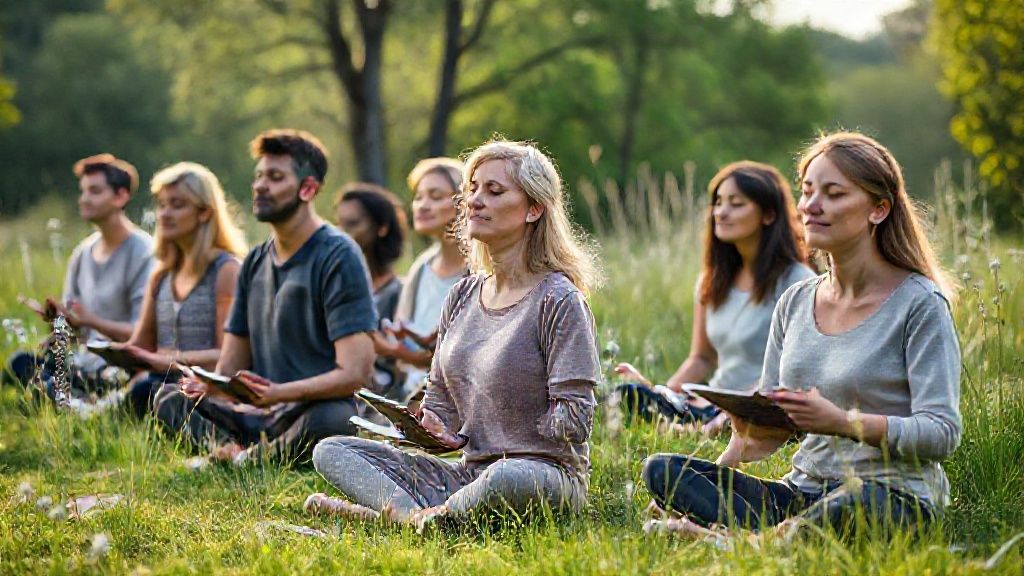
불안에 도움이 되는 25가지 강력한 활동 (과학적으로 입증됨)

That feeling is all too familiar: your heart races, your thoughts spiral, and your body tenses. Anxiety can feel like being trapped in a storm with no shelter in sight. But what if you had a toolkit of proven strategies to calm that storm? What if you could reclaim a sense of peace and control?
Anxiety is a natural response to stress, but when it becomes overwhelming, specific, actionable activities can provide immediate and long-term relief. These evidence-based techniques range from quick breathing exercises and mindfulness practices to physical movement and structured meditation, all designed to calm your nervous system and restore a sense of control.
In this comprehensive guide, we’ll explore 25 science-backed activities across multiple categories—from mindfulness and meditation to physical movement and creative expression—that can help you manage anxiety effectively.
Understanding Anxiety and How Activities Can Help
When you perceive a threat, your body activates its “fight or flight” response—an ancient survival mechanism that floods your system with stress hormones like cortisol and adrenaline. Your amygdala (the brain’s alarm system) sounds the alert, while your prefrontal cortex (responsible for rational thinking) takes a backseat.
The activities in this guide work by interrupting this anxiety cycle in several ways:
– They calm the overactive amygdala
– They engage the prefrontal cortex to restore rational thinking
– They regulate the nervous system through breath and movement
– They create new neural pathways that support calm instead of panic
Understanding this biological basis helps explain why these simple practices can be so profoundly effective.
Quick & Easy Mindfulness Activities for Instant Relief
When anxiety strikes suddenly, you need tools that work quickly. These mindfulness techniques can be done anywhere, in minutes, to bring you back to the present moment.
The 5-4-3-2-1 Grounding Technique
This powerful sensory exercise pulls you out of anxious thoughts and into your immediate environment. When you feel anxiety building:
- Name 5 things you can see (a lamp, a crack in the wall, your hands)
- Name 4 things you can feel (the chair beneath you, your clothing, the air on your skin)
- Name 3 things you can hear (the hum of a computer, distant traffic, your breath)
- Name 2 things you can smell (your shampoo, coffee, the air)
- Name 1 thing you can taste (the lingering flavor of your last meal, or simply the taste in your mouth)
This technique works by forcing your brain to focus on concrete sensory information rather than abstract worries. To practice a more structured version of this, use our 1 minute grounding meditation script.
One-Minute Breathing Space
Sometimes, all you need is sixty seconds of intentional breathing to reset your nervous system:
- Find a comfortable seated position or simply pause where you are
- Close your eyes if possible, or soften your gaze
- Bring your attention to your breath without trying to change it
- Notice the sensation of air entering and leaving your body
- If your mind wanders, gently return to the breath
- After one minute, slowly open your eyes and notice how you feel
For a slightly longer practice, try our guided 1분 호흡 운동.
The 5 Senses Mindfulness Exercise
Similar to grounding but more immersive, this practice helps you fully engage with your present-moment experience:
- Sight: Notice colors, shapes, light, and shadows without labeling
- Sound: Listen to nearby and distant sounds without judgment
- Smell: Bring awareness to any scents in your environment
- Touch: Notice textures, temperatures, and physical sensations
- Taste: Be aware of any tastes in your mouth or consider tasting something mindfully
Dive deeper into sensory awareness with these 5 senses mindfulness exercises.

Meditation Practices for Lasting Calm
While quick techniques provide immediate relief, regular meditation builds your resilience to anxiety over time. Think of it as strength training for your mind.
Short Meditations for a Busy Schedule
You don’t need hours of silent sitting to benefit from meditation. Research shows that even brief, consistent practice can significantly reduce anxiety.
Five-minute practice: Set a timer for five minutes. Sit comfortably, close your eyes, and focus on your natural breath. When thoughts arise (and they will), acknowledge them without judgment and return to your breath. Ease into your practice with this 불안과 수면을 위한 5분 명상.
Ten-minute practice: Extend your practice by incorporating a body awareness component. Spend the first five minutes focusing on breath, then gradually expand awareness to include physical sensations throughout your body. If you have 10 minutes, this 불안 완화를 위한 10분 명상 is perfectly tailored for relief.
Body Scan Meditations to Release Physical Tension
Anxiety doesn’t just live in your mind—it manifests as physical tension throughout your body. The body scan is a powerful technique for releasing this stored stress.
To practice:
1. Lie down or sit comfortably
2. Bring your attention to your feet, noticing any sensations
3. Slowly move your awareness up through your body—ankles, calves, knees, thighs
4. Continue scanning each body part with curious, non-judgmental awareness
5. When you notice tension, breathe into that area and imagine it releasing
Learn to release tension from head to toe with our 5 minute body scan script pdf.
Guided Meditations for Focused Support
Guided meditations provide structure and direction, which can be especially helpful when you’re new to meditation or dealing with intense anxiety. The narrator’s voice gives your mind something to anchor to, making it easier to stay present.
For persistent, racing thoughts, this 불안과 과도한 생각을 위한 20분 가이드 명상 can be profoundly helpful.
Physical Activities to Burn Off Nervous Energy
Physical movement is one of the most effective ways to metabolize stress hormones and calm your nervous system. When anxiety has your body buzzing with unused energy, these activities provide a healthy outlet.
Diaphragmatic Breathing (Belly Breathing)
This isn’t just “taking deep breaths”—it’s a specific technique that activates the parasympathetic nervous system (your “rest and digest” mode).
How to practice:
1. Lie on your back with knees bent or sit comfortably
2. Place one hand on your chest, the other on your belly
3. Breathe in slowly through your nose, feeling your belly rise
4. Exhale slowly through pursed lips, feeling your belly fall
5. The hand on your chest should remain relatively still
Master the most effective breathing technique for anxiety with our guide to diaphragmatic breathing for anxiety.
Yoga and Gentle Movement
Yoga combines physical postures, breathing techniques, and meditation—making it a triple threat against anxiety. The focus on linking breath with movement creates a meditative state that soothes the nervous system.
Even simple stretches can release muscle tension that accumulates during anxious moments. Try gentle forward folds, chest-opening poses, or restorative postures like legs-up-the-wall.
Walking in Nature
The combination of rhythmic movement, fresh air, and natural surroundings makes walking in nature particularly effective for anxiety. Studies show that forest bathing (shinrin-yoku) can lower cortisol levels, reduce blood pressure, and improve mood.
Discover how a simple walk can combat low mood and worry in our article on 걷기 우울증.

Creative and Sensory Activities for Distraction and Focus
When anxious thoughts loop endlessly, engaging in creative activities can break the cycle by occupying your mind in a positive, flow-inducing way.
Journaling
Writing about your anxiety can provide perspective and emotional release. Try these approaches:
Stream-of-consciousness writing: Set a timer for 10 minutes and write continuously without editing or judging.
Gratitude journaling: List three things you’re grateful for each day—this practice literally rewires your brain to notice the positive.
Worry postponement: Designate a specific “worry time” each day and jot down anxious thoughts as they arise, saving them for that time.
Coloring or Doodling
The repetitive, focused nature of coloring or doodling creates a meditative state that calms the amygdala. The simplicity of the activity gives your overthinking mind a rest.
Listening to Calming Music
Music has direct access to our emotional brain centers. Slow-tempo music (around 60 beats per minute) can synchronize with brain waves to produce a calm, meditative state.
Create a soothing background atmosphere with our 10 minute meditation music or this specially curated music for sleep and anxiety.
Building a Long-Term Anxiety Management Toolkit
While individual activities provide relief in the moment, the real transformation happens when you build a consistent practice that strengthens your resilience over time.
Developing a Consistent Meditation Habit
Consistency matters more than duration when building a meditation practice. Research shows that meditating for just 5-10 minutes daily is more beneficial than longer sessions done sporadically.
Tips for building consistency:
– Attach your practice to an existing habit (like after brushing your teeth)
– Start with just 2-5 minutes daily
– Use a meditation app for guidance and accountability
– Be compassionate with yourself when you miss a day
For beginners, finding the right guide is key. Start with the 불안에 가장 효과적인 가이드 명상.
Using Technology Wisely: The Best Apps for Anxiety
While technology can contribute to anxiety, it can also be part of the solution when used intentionally. Meditation apps, breathing coaches, and mood trackers can provide valuable support.
Explore a range of supportive tools with our list of the best 무료 스트레스 및 불안 앱들을 검토했습니다.. For those focusing on sleep, we’ve also reviewed the top 우수한 수면 앱은.
When to Seek Professional Help
While these activities are powerful tools for managing anxiety, they’re not a substitute for professional treatment when needed. Consider seeking help if:
- 불안이 일상 생활에 심각하게 방해가 됩니다
- 공황 발작을 경험합니다
- 대처 수단으로 물질(약물/알코올 등)을 사용하고 있습니다
- 자신을 해치려는 생각이 듭니다
불안이 통제 불가능하게 느껴진다면, 다음 내용을 알아보세요 불안 및 우울증 최고의 치료.

불안 완화 활동에 관한 자주 묻는 질문
불안을 가장 빠르게 줄일 수 있는 활동은 무엇인가요?
1분 호흡 운동 또는 5-4-3-2-1 접지법(grounding technique)입니다. 두 방법 모두 집중을 공황에서 벗어나게 하고 부교감신경계를 활성화하여 즉각적인 완화를 제공할 수 있습니다. 이 기법들은 수초에서 수분 내에 효과가 나타나며 어디서든 수행할 수 있어 급성 불안 순간에 이상적입니다.
어떤 종류의 명상이 불안에 가장 효과적인가요?
가이드 명상, 바디 스캔 및 마음챙김 명상은 구조를 제공하고 뇌가 판단 없이 생각을 관찰하도록 훈련시키기 때문에 매우 효과적입니다. 마음챙김 기반 스트레스 감소법(MBSR)은 특히 불안 감소에 대한 연구적 뒷받침이 강력합니다. 저희 스트레스와 불안을 위한 가이드 명상 컬렉션에서 한 차례 시도해 보세요.
운동이 정말 불안에 도움이 될까요?
물론입니다. 빠른 걷기, 요가 또는 춤과 같은 신체 활동은 코르티솔과 아드레날린 같은 스트레스 호르몬을 줄이고 체내 자연 기분 향상제인 엔도르핀을 자극합니다. 규칙적인 운동은 또한 수면의 질을 향상시키고 자기 효능감을 높이며 걱정으로부터 건강한 주의 전환을 제공합니다. 이 모든 것이 불안 감소에 기여합니다.
결과를 보려면 이 활동들을 얼마나 자주 실천해야 하나요?
지속성이 시간보다 더 중요합니다. 매일 5-10분이라도 일주일에 한 번 한 시간보다 더 유익합니다. 일상에 한두 가지 작은 실천을 포함시키는 것을 목표로 하세요. 연구에 따르면 불안 수준의 눈에 띄는 변화는 일반적으로 꾸준한 실천 4-8주 후에 발생하지만, 많은 사람들이 개별 세션에서 즉각적인 혜택을 경험합니다.
결론 및 실천 요청
불안 관리는 그것을 완전히 제거하는 것이 아닙니다. 불안은 중요한 보호 기능을 하기 때문에 그것은 불가능할 뿐만 아니라 바람직하지도 않습니다. 오히려 불안에 압도되기보다 숙련되게 대응하는 데 도움이 되는 전략 도구를 개발하는 것입니다.
본 가이드의 25가지 활동은 즉각적인 접지 기법부터 장기적인 명상 실천에 이르기까지 평온을 위한 다양한 경로를 제공합니다. 가장 중요한 것은 자신에게 공감되는 것을 찾고 꾸준함을 쌓는 것입니다.
다른 상황에는 다른 도구가 효과적이라는 것을 기억하세요. 갑작스러운 불안 급상승에는 호흡 운동을, 일상 유지에는 명상을, 그리고 반추에 갇힌 느낌이 들 때에는 창의적 활동을 사용할 수 있습니다.
개인 맞춤형 평온을 구축할 준비가 되셨나요? 가이드 명상 대본 및 마음챙김 운동의 완전한 라이브러리를 탐색해 보세요 컬렉션을 탐색하여 당신에게 딱 맞는 실천법을 찾아보세요.