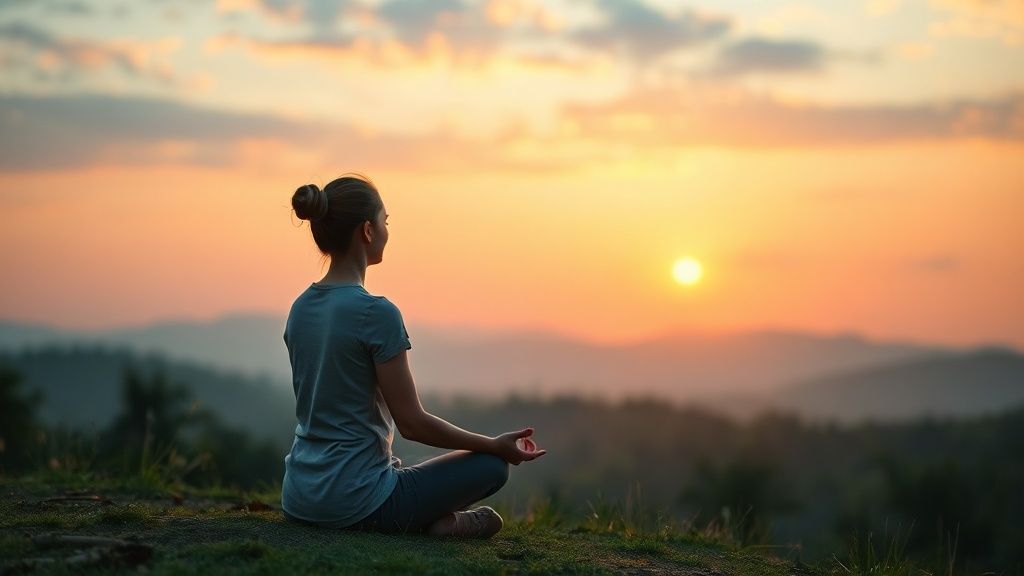
如何保持禅意:获得持久平静与清晰的实用指南
In a world of constant notifications, endless to-do lists, and overwhelming demands, the quest for inner peace has never felt more urgent. You’ve likely heard people say “just be zen about it” when facing stress, but what does that actually mean in practice? Is it possible to cultivate genuine calm when your inbox is overflowing, deadlines are looming, and life feels increasingly chaotic?
The truth is, being zen isn’t about escaping to a mountain monastery or achieving some perfect, unshakable state of bliss. It’s a practical, accessible skill that anyone can develop through consistent practice and intentional living. This comprehensive guide will demystify what it truly means to be zen and provide you with actionable strategies to integrate this transformative mindset into your daily routine.
To be zen is to cultivate a state of present-moment awareness and calm acceptance, regardless of external circumstances. It’s a practical skill built through consistent mindfulness, meditation, and intentional lifestyle choices, not a permanent personality trait. This guide will provide actionable steps to help you integrate zen principles into your routine.

What Does “Being Zen” Really Mean?
Beyond the trendy coffee mugs and inspirational posters, being zen represents a profound shift in how we relate to our experiences. The term originates from Zen Buddhism, but you don’t need to adopt any spiritual beliefs to benefit from its core principles. At its heart, being zen involves three fundamental qualities:
Presence – Rather than being lost in thoughts about the past or future, a zen mindset anchors you in the current moment. This means fully experiencing what’s happening right now, without mental commentary or distraction.
Acceptance – This isn’t passive resignation, but rather a conscious willingness to experience reality as it is, without immediately labeling it as “good” or “bad.” When you accept what is, you stop fighting reality and conserve enormous mental energy.
Non-Judgment – A zen approach involves observing thoughts, feelings, and sensations without getting caught in stories about them. You learn to notice “I’m having the thought that I’m anxious” rather than “I am anxious.”
Scientific research confirms what zen practitioners have known for centuries: cultivating this mindset significantly reduces stress, improves emotional regulation, enhances focus, and leads to better decision-making. When you’re not constantly reacting to every mental and emotional fluctuation, you gain access to a deeper wisdom and clarity that transforms how you navigate life’s challenges.
The Foundation: Cultivating Mindfulness in Everyday Life
Mindfulness forms the bedrock of a zen attitude. It’s the practice of paying deliberate, non-judgmental attention to your present-moment experience. The beautiful part? You don’t need to sit in meditation for hours to develop this skill—you can weave mindfulness into the fabric of your ordinary day.
Start by choosing one routine activity—like brushing your teeth, drinking your morning coffee, or walking to your car—and commit to doing it with full attention. Notice the sensations, sounds, and smells. When your mind wanders (which it will), gently guide it back without criticism. This simple practice strengthens your “attention muscle” and builds the foundation for more formal meditation.
Quick Mindfulness Exercises for Instant Calm
When stress strikes and you feel overwhelmed, these portable practices can help you return to center within minutes:
The “5-4-3-2-1” Grounding Technique to stop spiraling thoughts. This exercise engages all five senses to anchor you firmly in the present moment. Simply notice: 5 things you can see, 4 things you can feel, 3 things you can hear, 2 things you can smell, and 1 thing you can taste. This technique interrupts anxious thought patterns by forcing your brain to focus on sensory input. To practice the 5-4-3-2-1 grounding technique more effectively, visit our detailed guide at https://mindfulnesspractices.life/5-senses-mindfulness.
The One-Minute Breathing Reset for stressful moments. When tension arises, pause and bring your attention to your breath for just sixty seconds. Don’t try to change your breathing—simply observe the natural rhythm of inhalation and exhalation. Notice where you feel the breath in your body—the rising and falling of your chest, the air moving through your nostrils. This simple reset creates space between stimulus and response, allowing you to choose how to react rather than being hijacked by emotions. You can 尝试这个一分钟呼吸练习 by following our guided version at https://mindfulnesspractices.life/1-minute-breathing-exercise.

Your Daily Zen Toolkit: Building a Meditation Practice
Many people hesitate to begin meditating because they believe it requires emptying the mind or achieving perfect stillness. Nothing could be further from the truth. Meditation is simply the practice of returning—again and again—to your chosen anchor (often the breath), each return strengthening your capacity for presence.
Think of meditation as mental training. Just as you wouldn’t expect to run a marathon without building up your physical endurance, you can’t expect to maintain zen-like calm during life’s storms without developing your mental resilience through consistent practice.
Starting Your Day with Intention: Morning Meditations
How you begin your morning often sets the tone for your entire day. Instead of reaching for your phone and immediately flooding your nervous system with information, try dedicating just five minutes to meditation. This simple investment pays dividends throughout your day by establishing a foundation of calm and intention.
A short morning practice helps you approach the day’s challenges from a centered place rather than reacting from stress. Research shows that morning meditation improves focus, emotional regulation, and decision-making capabilities. To begin with a 5-minute morning meditation, explore our collection at https://mindfulnesspractices.life/5-minute-guided-meditation-morning. If you prefer more guidance, we offer a guided meditation to start your day at https://mindfulnesspractices.life/guided-meditation-to-start-day.
Finding Peace in the Chaos: Meditations for Anxiety and Stress
When anxiety strikes, meditation can feel like the last thing you want to do—yet it’s often exactly what you need. Meditation doesn’t eliminate difficult emotions, but it changes your relationship to them. Instead of being swept away by anxious thoughts, you learn to observe them with compassionate curiosity, recognizing that they are temporary mental events rather than absolute truths.
During particularly stressful moments, a brief meditation can serve as an anchor, reminding you that you have the resources to navigate whatever arises. For targeted support, try 专为焦虑设计的引导冥想 available at https://mindfulnesspractices.life/guided-meditation-for-anxiety. When you need immediate relief from acute stress, a quick 5-minute meditation for anxiety and sleep can be found at https://mindfulnesspractices.life/5-minute-meditation-for-anxiety-and-sleep.
Unwinding for Deep Rest: Evening and Sleep Meditations
Just as you bookend your day with a morning practice, creating an evening meditation ritual signals to your nervous system that it’s time to transition from doing to being. Evening meditation helps you process the day’s events, release accumulated tension, and prepare for restorative sleep.
Many people find that a consistent bedtime meditation practice not only improves sleep quality but also reduces nighttime worrying and racing thoughts. For a gentle transition into sleep, we recommend a calming bedtime meditation for sleep at https://mindfulnesspractices.life/sleep-meditation. Alternatively, you can try a body scan meditation to unwind your body and mind by visiting https://mindfulnesspractices.life/body-scan-meditation-for-sleep.

Beyond the Cushion: Zen Habits for a Balanced Life
While formal meditation is powerful, the true test of a zen mindset is how you apply it to your daily life. The goal isn’t to become peaceful only while meditating, but to bring that quality of presence into your relationships, work, and everyday activities.
Creating a Calming Environment
Your physical environment significantly influences your mental state. While you can’t always control external circumstances, you can create pockets of peace in your living and working spaces. Consider dedicating a specific area for quiet reflection—even if it’s just a comfortable chair with a simple plant nearby.
Sound can be particularly powerful for shifting your state. Gentle, ambient sounds can mask distracting noises and create an auditory sanctuary. To use 10-minute meditation music to create a serene atmosphere, explore our selection at https://mindfulnesspractices.life/10-minute-meditation-music.
Digital Tools to Support Your Journey
In our technology-saturated world, it’s wise to leverage digital tools that support rather than undermine your zen practice. Numerous apps provide guided meditations, mindfulness reminders, and sleep support that can enhance your journey.
If you’re looking for structured guidance, you might want to explore meditation apps similar to Headspace through our comprehensive review at https://mindfulnesspractices.life/apps-similar-to-headspace. For those struggling with sleep, you can discover apps designed to improve your sleep by visiting https://mindfulnesspractices.life/good-sleep-apps.
Deepening Your Practice: Next Steps on Your Zen Path
Once you’ve established a consistent mindfulness and meditation practice, you might feel called to explore more advanced techniques and understandings. The journey of cultivating zen is lifelong, with always deeper layers to discover.
要 deepen your understanding of what guided meditation is and how to make the most of it, visit https://mindfulnesspractices.life/what-is-guided-meditation. If you’re ready for more structured learning, you might consider a structured online meditation course from our curated list at https://mindfulnesspractices.life/online-meditation-courses. For those interested in therapeutic applications, you can explore advanced mindfulness therapy techniques at https://mindfulnesspractices.life/mindfulness-therapy-techniques.

Frequently Asked Questions About Being Zen
Q: What is the quickest way to feel zen?
A: The quickest way is to practice a one-minute grounding or breathing exercise to instantly reconnect with the present moment. This one-minute breathing exercise at https://mindfulnesspractices.life/1-minute-breathing-exercise can provide immediate relief.
Q: Can meditation help with anxiety?
A: Absolutely. Meditation is a proven technique for managing anxiety by training your mind to observe thoughts without being controlled by them. Explore these specific meditation practices for anxiety 可以。大量研究表明冥想是管理焦虑的有效工具。其原理在于帮助您与焦虑思绪之间创造空间,使您能以不同方式应对它们而非被其淹没。针对焦虑问题,我们推荐.
Q: How do I start meditating as a complete beginner?
A: Start with short, guided sessions to learn the basics without pressure. A 5 or 10-minute guided meditation is perfect. Check out our selection of the best guided meditations for beginners at https://mindfulnesspractices.life/best-guided-meditation.
Q: What are some free resources for learning mindfulness?
A: There are many free scripts, podcasts, and apps available. You can even start with a free mindfulness certification course at https://mindfulnesspractices.life/free-mindfulness-certification, or tune into a daily meditation podcast from our recommendations at https://mindfulnesspractices.life/daily-meditation-podcast.
Conclusion: Your Journey to a Zen State of Mind
Being zen isn’t about achieving perfection or never experiencing stress again. It’s about developing a new relationship with your inner world—one characterized by curiosity, compassion, and presence. This transformative journey unfolds one mindful moment at a time, through the consistent practice of returning to the here and now.
Some days your meditation will feel effortless and profound; other days it will feel like a struggle. This is completely normal. The key isn’t achieving perfect sessions but showing up consistently, regardless of how it feels. Each time you gently guide your attention back from distraction, you’re strengthening your capacity for presence.
Your path to a calmer, more centered life begins with a single, mindful step. Choose one technique from this guide—whether it’s the one-minute breathing exercise or a 5-minute morning meditation—and commit to practicing it for the next seven days. The cumulative effect of these small, consistent practices will gradually transform your relationship to stress, challenge, and life itself. Remember that being zen isn’t a destination to reach, but a way of traveling through each moment of your precious life.