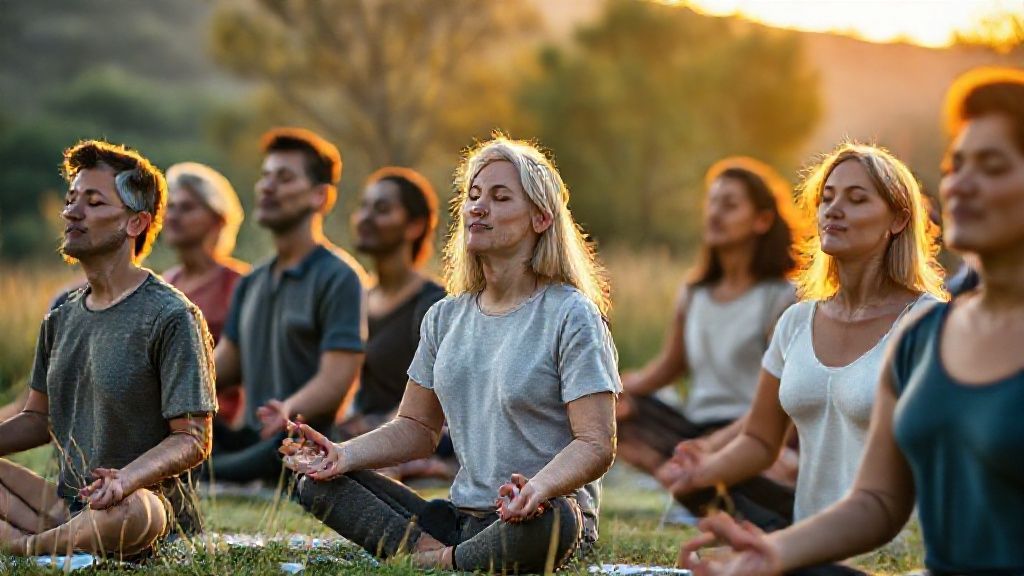
压力缓解冥想引导:通往即刻宁静与持久平和之路
Do you ever feel like you’re constantly juggling too many balls at once? The work deadlines pile up, your phone buzzes with endless notifications, and personal responsibilities create a relentless undercurrent of pressure. This state of chronic stress isn’t just uncomfortable—it takes a real toll on your physical health, mental clarity, and emotional wellbeing. What if there was a simple, accessible tool that could help you find moments of peace amidst the chaos?
Guided meditation for stress is an evidence-based technique that uses verbal guidance and calming visuals to quiet the mind and activate the body’s relaxation response. Unlike trying to meditate in silence, guided meditation provides a supportive framework that makes stress relief accessible to everyone, especially beginners. This comprehensive guide will explain the science behind why it works so effectively, show you exactly how to get started, and provide specific recommendations for different stress scenarios you might be facing.
Why Guided Meditation Is a Powerful Antidote to Stress
When stress hits, your body enters “fight-or-flight” mode—a primitive survival response that floods your system with cortisol and adrenaline. While helpful in genuine emergencies, chronic activation of this response wreaks havoc on your health, contributing to everything from high blood pressure and digestive issues to anxiety and insomnia.
Guided meditation directly counters this stress response by activating the parasympathetic nervous system—your body’s built-in “rest and digest” mode. Research shows that regular practice can:
- Lower cortisol levels by up to 30% after consistent practice
- Reduce inflammatory responses linked to chronic diseases
- Decrease blood pressure and heart rate
- Improve heart rate variability, a key marker of resilience to stress
What makes guided meditation particularly effective for stress management compared to silent meditation is the external guidance. When you’re stressed, your mind is likely racing with thoughts, making it difficult to focus. A guide’s voice gives your busy mind something to anchor to, preventing frustration and making the practice more accessible. The structured approach also means you don’t have to wonder if you’re “doing it right”—you simply follow along.

How to Choose the Right Guided Meditation for Your Stress
Not all guided meditations are created equal, especially when it comes to addressing different types and intensities of stress. Finding the right fit can make the difference between a frustrating experience and a transformative one. Consider these factors when selecting your meditation:
Duration: Match the length to your current capacity and schedule. If you’re overwhelmed, even 5-10 minutes can provide reset. For those with more time and looking to build resilience, longer sessions offer deeper benefits. To help users find the perfect length, try this 十分钟镇静冥想 or for those with more availability, this 20分钟引导式正念课程.
Voice and Guidance Style: The guide’s voice should feel comforting, not irritating. Some prefer gentle, soothing voices while others respond better to more direct, instructional tones. Sample different guides until you find one that resonates with you.
Meditation Style: Different techniques serve different purposes:
– 身体扫描 are excellent for physical tension and sleep preparation
– :跟随导师或应用程序的语音指引 helps counter stress related to interpersonal conflicts
– Visualization techniques are powerful for creating mental escape from stressful environments
– Breath-focused practices provide immediate anchoring during anxiety spikes
Background Elements: Pay attention to music, soundscapes, and pacing. Some meditations use nature sounds or gentle instrumentation, while others prioritize silence with only vocal guidance.
A Beginner’s Step-by-Step Guide to Your First Session
Starting a guided meditation practice is simpler than you might think. Follow these five steps to ensure a positive first experience:
-
Create Your Space: Find a relatively quiet place where you won’t be interrupted for the duration of your meditation. This doesn’t need to be perfectly silent—just minimize major distractions. You can sit in a chair, on a cushion, or even lie down if you’re using meditation for sleep preparation.
-
Get Comfortable: Adopt a posture that balances alertness with comfort. If sitting, keep your back relatively straight but not rigid. Rest your hands on your lap or knees. Close your eyes or maintain a soft downward gaze.
-
Set Your Intention: Before pressing play, take a moment to acknowledge why you’re doing this. You might silently say to yourself, “I’m giving myself this time to find calm,” or “I’m open to whatever this experience brings.”
-
Follow the Guide: Once you start the recording, simply allow the guide’s voice to lead you. Your only job is to listen and gently follow the instructions. When your mind wanders (which it will), note where it went without judgment, and gently return your attention to the guide’s voice.
-
Transition Gently: When the meditation ends, don’t jump immediately back into activity. Take a few moments to notice how you feel. Slowly wiggle your fingers and toes, and when you’re ready, gradually open your eyes. Carry this calm awareness with you as you return to your day.
For users completely new to the concept, learn more about 何为引导式冥想 in our detailed guide.

Top Guided Meditation Techniques for Specific Stressors
Stress manifests differently depending on its source. Targeted approaches can address your specific needs more effectively than a one-size-fits-all method.
用于即时缓解焦虑
When anxiety strikes suddenly—that heart-pounding, breath-catching feeling—you need tools that work quickly. Short, grounding practices that anchor you in the present moment are most effective during these episodes.
Breathing Space Meditation: This three-step practice takes just 3-5 minutes. First, acknowledge what you’re experiencing without judgment. Second, gather your attention on your breath. Third, expand your awareness to include your entire body and surroundings.
5-4-3-2-1 Grounding Technique: This guided practice directs you to notice five things you can see, four things you can feel, three things you can hear, two things you can smell, and one thing you can taste. This sensory anchoring quickly brings you out of anxious thoughts and into the present.
For immediate relief, try this 5分钟焦虑缓解冥想 or when you’re really pressed for time, this quick one-minute breathing exercise.
For Work-Related Stress and Overwhelm
Work stress often involves feeling overwhelmed, distracted, and mentally fragmented. Meditations that promote focus, perspective, and mental clarity are particularly helpful.
The STOP Method: This guided practice walks you through: Stop what you’re doing; Take a few breaths; Observe your experience (thoughts, emotions, bodily sensations); Proceed with more awareness.
Mountain Meditation: This visualization practice guides you to imagine yourself as a mountain—stable, grounded, and unaffected by the changing weather (representing your stressful thoughts and circumstances). It’s particularly effective for maintaining perspective during workplace challenges.
在繁忙的日常中重新集中注意力时,这 一段平静的引导冥想 会有所帮助,而这些 提升专注力的练习 能逐步增强你的专注度。.
针对压力导致的睡眠问题
日常压力与夜间辗转难眠之间的联系已得到充分证实。当你的神经系统持续处于“战斗或逃跑”模式时,高质量的睡眠便难以企及。专为睡眠设计的引导式冥想有助于打破这一循环。.
睡眠身体扫描: 这种练习需要系统性地将你的意识转移到身体的不同部位,释放紧张感并引导放松。这种渐进的过程会自然地导向睡眠。.
睡眠故事冥想: 这类冥想将温和的引导与舒缓的叙事相结合,适度地调动你的想象力以分散奔涌思绪的注意力,但又不会过度刺激以致让你保持清醒。.
对于那些正与压力相关睡眠问题作斗争的人,这 助眠睡前冥想 可能会带来转变,或者尝试这个 促进深度睡眠的身体扫描冥想.

提升你的练习:工具与资源
尽管引导式冥想本身很简单,但一些资源可以支持和深化你的练习:
冥想应用程序: 许多优秀的应用程序提供了针对压力的引导式冥想库,通常按特定需求和时间限制进行分类。这使得练习方便且随时随地都可进行。.
优质耳机: 好的耳机可以通过屏蔽外界干扰并清晰地传递引导者的声音来增强沉浸感。.
冥想坐垫或长凳: 虽然不是必需品,但提供支撑的座位可以让更长时间的练习更舒适,并有助于保持警觉的姿势。.
日志: 保持一份简短的冥想日志,记录练习前后的体验,可以帮助你追踪益处并保持动力。.
要探索工具选项,请查看我们的 最佳减压应用, 指南,或者对于更喜欢阅读的人,这份 免费的放松引导冥想脚本 允许你引导自己或他人。.
关于缓解压力的冥想的常见问题
引导式冥想需要多长时间才能减轻压力?
许多人在单次练习后就能体验到一些镇静效果,因为引导式冥想直接激活了副交感神经系统。然而,若要持久改变你的压力反应和恢复力,坚持比时长更重要。每天仅练习 5分钟引导冥想 在2-4周内就能产生明显的益处,包括基线焦虑水平降低和压力恢复能力提高。.
一些益处——如即时的放松和压力减轻——在一次练习后就能感受到。然而,对您基础平静水平的持久改变,通常需要数周持续练习才能形成。可以将其比作体育锻炼:虽然一次锻炼后您可能感觉良好,但真正的转变来自于规律训练。
这是最常见的担忧之一,而答案是令人安心的:在冥想过程中产生思绪是完全正常的,并不意味着你做错了。练习的目的不是停止思考,而是改变你与思绪的关系。每当你注意到思绪飘散并温和地回到引导者的声音时,你实际上正在强化你的正念“肌肉”。要获取更多应对繁忙思绪的策略,请探索这些 有效的正念技巧.
缓解压力的冥想与缓解焦虑的冥想有何不同?
尽管两者有显著重叠,但压力通常是对外部压力(工作截止日期、人际关系冲突、财务忧虑)的反应,而焦虑则常常在没有即时压力源的情况下持续存在。缓解压力的冥想通常侧重于放松和视角转换,而缓解焦虑的冥想可能包含额外的技巧来处理恐惧性思维和恐慌的身体感受。对于专门应对焦虑的人,这份关于 研究特别证实正念对焦虑管理的有效性,因其提供了应对焦虑思绪的工具。若这是您的主要关切,可探索这些 的资源提供了更具针对性的方法。.
通往更平静生活的旅程,现在开始
引导式冥想为我们许多人在充满压力的生活中迫切需要的提供了一种可靠的、随时随地可及的宁静庇护所。这种练习的美妙之处在于,它完全契合你当下的状态——无论你是在应对短暂的挫折还是长期的过度压力——并为你提供了一条回归内心稳定的途径。.
引导式冥想对于缓解压力的最深刻益处,并非源于完美的练习,而是源于持续的练习。你不需要清空思绪或达到任何特殊状态。你只需要开始练习并跟随引导。.
通往持久平静的道路始于一次练习。. 从上方链接的冥想中选择一个,在今天找一个安静的时刻,赠予自己一份宁静的礼物。你的身心会感谢你。.