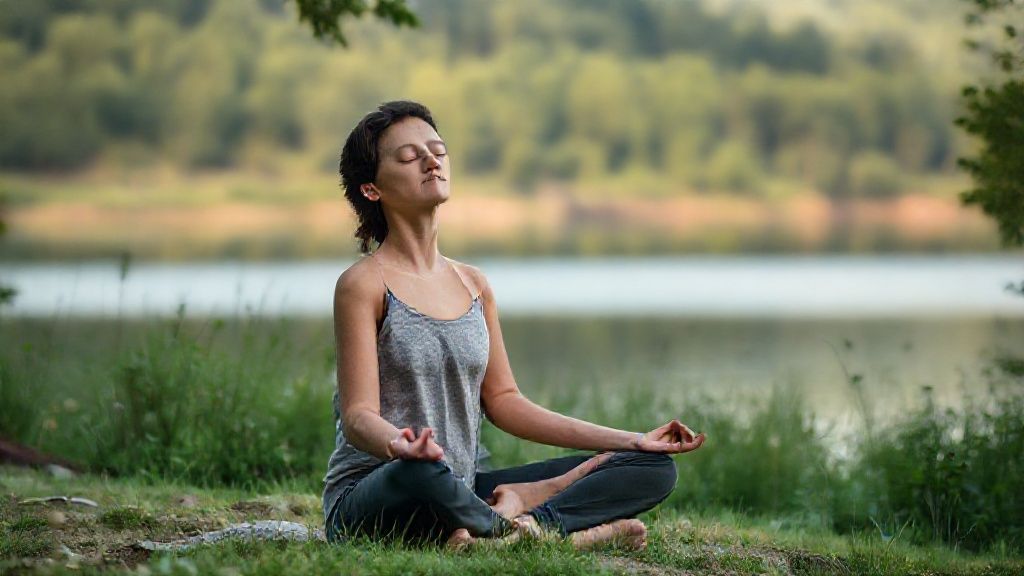
Find Your Calm: A Free Guide to Mindfulness & Grounding Techniques (PDF)

Have you ever found yourself stuck in a spiral of anxious thoughts, feeling completely disconnected from the present moment? Your heart races, your mind replays worst-case scenarios, and the world seems to be moving too fast. If this sounds familiar, you’re not alone—and there’s a powerful solution available to you right now.
This comprehensive guide provides exactly what you need: a downloadable PDF filled with science-backed mindfulness and grounding techniques to help you regain control, find peace in the present moment, and navigate life’s challenges with greater ease. Our free guide includes practical scripts, easy-to-follow exercises, and step-by-step instructions you can use in various situations—whether you’re dealing with everyday stress or more intense moments of anxiety.
What Are Mindfulness and Grounding Techniques?
Defining Mindfulness
Mindfulness is the basic human ability to be fully present and aware of where we are and what we’re doing, without being overly reactive or overwhelmed by what’s going on around us. It’s about paying attention to the present moment intentionally and without judgment. Think of it as training your brain to focus on the “right now” rather than getting lost in regrets about the past or worries about the future.
When you practice mindfulness, you’re essentially exercising your attention muscle. Just as regular physical exercise strengthens your body, regular mindfulness practice strengthens your ability to direct and maintain your attention where you want it to be.
The Power of Grounding
Grounding is a specific type of mindfulness technique used to anchor yourself during moments of high anxiety, panic, or emotional overwhelm by connecting with the physical world. These techniques work by shifting your attention away from distressing thoughts and toward your immediate sensory experience.
The beauty of grounding techniques lies in their simplicity and accessibility. They don’t require special equipment or extensive training—just a willingness to redirect your attention to what’s happening in your body and your immediate environment. Grounding helps you “come back to earth” when you feel like you’re floating away on a wave of anxiety or dissociation.
To build a strong foundation for your practice, consider exploring the basics through https://mindfulnesspractices.life/what-is-guided-meditation.
Why You Need These Techniques in Your Life
The benefits of mindfulness and grounding techniques extend far beyond temporary stress relief. Scientific research has consistently demonstrated their profound impact on both mental and physical wellbeing.
Regular practice can significantly reduce anxiety levels by calming the nervous system and interrupting the cycle of worry. Studies show that mindfulness practice decreases activity in the amygdala (the brain’s fear center) while strengthening connections to the prefrontal cortex (responsible for rational thinking and emotional regulation).
Beyond anxiety reduction, these practices offer multiple evidence-based benefits:
– Stress Management: Lowers cortisol levels and improves resilience to life’s challenges
– Improved Focus: Enhances attention span and reduces mind-wandering
– Emotional Regulation: Helps you respond to emotions rather than react impulsively
– より良い睡眠: Quiets racing thoughts that interfere with rest
– Increased Self-Awareness: Develops deeper understanding of your thought patterns and triggers
For those dealing with specific anxiety challenges, targeted practices like https://mindfulnesspractices.life/guided-meditation-for-anxiety can provide immediate relief and long-term coping strategies.
Your Toolkit of Grounding Techniques
The 5-4-3-2-1 Sensory Grounding Exercise
This popular technique engages all five senses to quickly bring you into the present moment. When you feel anxiety rising, follow these steps:
-
Acknowledge 5 things you can see: Look around and name five objects you can see. They can be ordinary—a pen, a light switch, a speck on the wall. Notice details like colors, textures, and shadows.
-
Acknowledge 4 things you can feel: Pay attention to four physical sensations. This might be the texture of your clothing, the surface of the chair beneath you, the temperature of the air on your skin, or your feet firmly planted on the floor.
-
Acknowledge 3 things you can hear: Listen carefully to three distinct sounds. These might be distant traffic, the hum of a computer, birds outside, or your own breathing.
-
Acknowledge 2 things you can smell: Notice two scents in your environment. If you can’t immediately detect two smells, you might recall a favorite scent or find something nearby with a distinct aroma.
-
Acknowledge 1 thing you can taste: Focus on one taste in your mouth. This might be the aftertaste of coffee, toothpaste, or simply the neutral taste of your mouth.
This exercise works by forcing your brain to redirect resources from anxious thoughts to sensory processing, effectively breaking the cycle of panic.
Anchoring Through Breath
Your breath is always with you, making it the most accessible grounding tool available. When you feel overwhelmed, try this simple breathing technique:
- Sit comfortably with your back straight or lie down.
- Place one hand on your chest and the other on your abdomen.
- Breathe in slowly through your nose for a count of four, feeling your abdomen expand.
- Hold your breath for a count of four.
- Exhale slowly through your mouth for a count of six, feeling your abdomen fall.
- Repeat this cycle 5-10 times.
This practice activates the parasympathetic nervous system, signaling your body to shift from “fight or flight” to “rest and digest” mode. For those moments when you need immediate calm but are short on time, try this https://mindfulnesspractices.life/1-minute-breathing-exercise that you can practice anywhere.
Body Scan for Present-Moment Awareness
The body scan is a powerful grounding meditation that cultivates deep awareness of physical sensations. Here’s how to practice:
- Find a comfortable position, either sitting or lying down.
- Close your eyes and take three deep breaths.
- Bring your attention to the toes of your left foot. Notice any sensations—tingling, warmth, pressure, or even the absence of sensation.
- Slowly move your attention up through your left foot, ankle, calf, knee, and thigh, noticing each area without judgment.
- Repeat this process with your right leg.
- Continue moving your attention systematically through your torso, back, chest, shoulders, arms, hands, neck, and head.
- If your mind wanders, gently guide it back to the body part you were focusing on.

For a structured approach to this practice, download our https://mindfulnesspractices.life/5-minute-body-scan-script-pdf that guides you through the entire process in just five minutes.
Guided Meditations for Deep Grounding
Once you’ve familiarized yourself with basic mindfulness and grounding techniques, guided meditations can help you deepen your practice. These audio or scripted sessions provide verbal guidance that keeps you anchored in the present moment.
Short Sessions for a Quick Reset
Even brief meditation sessions can significantly impact your mental state. Short practices are perfect for:
– A midday mental reset
– Preparing for a challenging task
– Transitioning between work and home life
– Managing sudden waves of anxiety
For those moments when you need immediate grounding but have limited time, our https://mindfulnesspractices.life/2-minute-grounding-meditation-script provides a quick yet effective way to center yourself. If you can spare a bit more time, this https://mindfulnesspractices.life/10-minute-mindfulness offers a more substantial practice while still fitting into a busy schedule.
Longer Sessions for Deeper Work
Longer meditation sessions allow you to explore deeper states of relaxation and awareness. These extended practices are ideal for:
– Starting or ending your day
– Dedicated self-care time
– Processing complex emotions
– Developing sustained focus
For those ready to commit to a more substantial practice, our https://mindfulnesspractices.life/20-minute-mindfulness-meditation provides a comprehensive experience that can significantly enhance your grounding skills over time.
Download Your Free Mindfulness & Grounding Techniques PDF
This is where your journey toward lasting calm transforms from concept to daily practice. We’ve compiled all the essential mindfulness and grounding techniques into a comprehensive, downloadable PDF that serves as your personal toolkit for managing stress and anxiety.
Your free PDF includes:
– Printable scripts for the 5-4-3-2-1 grounding method
– Step-by-step body scan guides
– Breathing exercise quick-reference sheets
– Guided meditation transcripts
– Practice tracking pages
– Tips for integrating mindfulness into busy schedules
The value of having these resources in PDF format cannot be overstated. You can access them anywhere—on your commute, during work breaks, or at home—even without an internet connection. Print your favorite techniques and place them where you’ll see them regularly: on your refrigerator, bathroom mirror, or workspace.
To further expand your practice, complement your PDF with our https://mindfulnesspractices.life/300-mindfulness-worksheets-pdf that cover various aspects of mindfulness and personal growth.
マインドフルネスを日常生活に統合する
The true power of mindfulness and grounding techniques emerges when they become integrated into your daily life rather than remaining as isolated exercises. Here’s how to weave these practices into your routine:
Morning Mindfulness Practices
Starting your day with mindfulness sets a positive tone and builds resilience for whatever challenges may arise. Try these simple practices:
– Spend the first five minutes after waking focusing on your breath
– Practice mindfulness while brushing your teeth or showering
– Set an intention for the day during breakfast
– Take a few mindful moments before checking your phone or email
For a structured approach to morning practice, https://mindfulnesspractices.life/5-minute-guided-meditation-morning that gently transitions you from sleep to wakefulness with intention and awareness.
Mindfulness for Stressful Moments
The middle of a stressful situation is precisely when mindfulness and grounding techniques become most valuable. Instead of reacting automatically, you can create space to respond consciously. Try these approaches:
– Use the “STOP” acronym: Stop, Take a breath, Observe, Proceed
– Practice micro-meditations of 30-60 seconds throughout the day
– Notice physical sensations of stress without judgment
– Employ grounding techniques before difficult conversations
For immediate stress relief in challenging moments, these https://mindfulnesspractices.life/quick-mindfulness-exercises can be your go-to resource.
Evening Wind-Down Techniques
Transitioning from daytime activities to restful evenings is crucial for quality sleep and overall wellbeing. Consider these practices:
– Create a technology-free buffer zone before bed
– Practice a body scan to release physical tension
– Journal about the day’s experiences without judgment
– Use gentle breathing exercises to signal your nervous system that it’s safe to relax
To support this wind-down process, https://mindfulnesspractices.life/sleep-meditation can help quiet your mind and prepare your body for restorative rest.

よくある質問(FAQ)
What is the fastest grounding technique for a panic attack?
The 5-4-3-2-1 method and focused diaphragmatic breathing are among the most rapid and effective grounding techniques during a panic attack. Both work by immediately engaging your senses or regulating your nervous system, pulling your attention away from catastrophic thoughts and into the present moment. For a deeper understanding of breath work, explore https://mindfulnesspractices.life/diaphragmatic-breathing-for-anxiety to master this essential skill.
マインドフルネスは睡眠に役立ちますか?
Absolutely. Mindfulness helps with sleep in multiple ways: by quieting the “monkey mind” that replays the day’s events or worries about tomorrow, by reducing overall anxiety levels that interfere with sleep onset, and by helping you develop a more relaxed relationship with sleep itself. Research shows that mindfulness meditation can improve sleep quality comparable to sleep hygiene education. For targeted practice, try a https://mindfulnesspractices.life/free-guided-meditation-for-sleep-and-anxiety designed specifically for this purpose.
I’m a beginner. Where should I start?
If you’re new to mindfulness, start with short, guided sessions and simple breathing exercises to build the habit without feeling overwhelmed. Begin with just 2-5 minutes daily, perhaps anchoring your practice to an existing habit like morning coffee or brushing your teeth. Be patient with yourself—it’s normal for the mind to wander frequently when you’re beginning. For guidance on building a sustainable practice, explore the https://mindfulnesspractices.life/best-guided-meditation that match your needs and preferences.
Conclusion & Final Call-to-Action
The power of mindfulness and grounding techniques lies in their accessibility and profound impact on your quality of life. These practices offer a way to navigate life’s challenges with greater resilience, presence, and peace. Whether you’re dealing with everyday stress or more significant anxiety, these tools can help you find your center regardless of external circumstances.
Remember that consistency matters more than duration when building your mindfulness practice. Even a few minutes daily can create meaningful changes in how you relate to your thoughts, emotions, and experiences over time.
Your free PDF guide consolidates everything you need to begin or deepen your practice in one convenient, printable resource. This toolkit is designed to grow with you—from basic techniques for immediate relief to more advanced practices for deeper work.
Download your free Mindfulness & Grounding Techniques PDF now and take the first step toward a calmer, more centered you.
As you continue your mindfulness journey, consider exploring https://mindfulnesspractices.life/mindfulness-therapy-techniques that can further support your mental and emotional wellbeing.