
Mindful Meditation vs Transcendental: A Clear-Cut Guide to Choosing Your Path
If you’re comparing Transcendental Meditation (TM) and mindfulness meditation, you’re likely seeking a practice that fits your lifestyle and goals. The core difference is this: Mindfulness involves actively observing your present-moment thoughts and feelings without judgment, while TM uses a silent mantra to effortlessly transcend thought, promoting deep rest. Both practices offer profound benefits for mental wellbeing, but they approach meditation from fundamentally different angles. This comprehensive guide will break down exactly what sets them apart, their unique benefits, and how to determine which path aligns with your personality and objectives.

Understanding the Foundations: Two Philosophies, Two Approaches
Before diving into the comparison, it’s essential to understand the philosophical underpinnings of each practice. While both aim to cultivate mental peace and awareness, their approaches stem from different traditions and operate on distinct principles.
What Is Mindfulness Meditation?
Mindfulness meditation is the practice of purposefully paying attention to the present moment without judgment. It’s about cultivating awareness of what’s happening right here, right now—whether that’s your breath, bodily sensations, thoughts, or the environment around you.
Originating from Buddhist traditions dating back over 2,500 years, mindfulness has been widely secularized in contemporary practice. You don’t need to adopt any spiritual beliefs to benefit from mindfulness—it’s fundamentally a mental training technique.
The core principle of mindfulness is learning to observe your experience without getting caught up in it. When a thought arises, you acknowledge it without following it down a rabbit hole. When an emotion surfaces, you notice it without needing to suppress or express it. This creates a space between stimulus and response, giving you more choice in how you engage with your experience.
One of the most accessible mindfulness techniques is the ボディスキャン瞑想, which you can explore through this 5 minute body scan script pdf.
What Is Transcendental Meditation (TM)?
Transcendental Meditation is a specific technique that involves silently repeating a personalized mantra to settle the mind into a state of restful alertness. Unlike mindfulness, TM doesn’t involve monitoring thoughts, controlling the mind, or concentrating. The practice is designed to be effortless—you simply think the mantra and allow your mind to naturally transcend toward quieter states of consciousness.
Developed by Maharishi Mahesh Yogi in the 1950s and derived from the ancient Vedic tradition of India, TM is taught through a standardized course by certified instructors. The technique gained popularity in the 1960s when The Beatles and other celebrities began practicing it.
The fundamental principle of TM is that by using a specific mantra assigned personally to you by a trained teacher, your mind can naturally settle inward, beyond the surface level of thinking, to experience what practitioners call “transcendental consciousness”—a state of pure awareness without content.
While TM traditionally involves a financial investment for proper instruction, you can learn about free TM resources to explore this practice further.
Head-to-Head Comparison: Key Differences Explained
Now that we understand the basic principles of each practice, let’s examine how they differ across several key dimensions. This comparison will help you identify which approach might better suit your temperament and goals.
Techniques & Mental Focus
The technical differences between these practices represent their most significant distinction:
Mindfulness Meditation typically involves:
– Anchoring attention on a specific object of focus (commonly the breath)
– Noticing when the mind has wandered
– Gently returning attention to the anchor without judgment
– Expanding awareness to include thoughts, emotions, and bodily sensations
– Developing a stance of curious observation toward all experience
Transcendental Meditation employs a different approach:
– Using a personalized mantra (a specific sound or vibration) provided by a teacher
– Allowing the mantra to repeat naturally in the mind without concentration or effort
– Settling inward as the mantra becomes increasingly subtle
– Eventually transcending the mantra itself to experience pure consciousness
– The practice is described as effortless and automatic
Goals & Primary Benefits
While both practices reduce stress and enhance wellbeing, they emphasize different outcomes:
Mindfulness Meditation aims to:
– Cultivate present-moment awareness in daily life
– Develop emotional regulation and resilience
– Reduce reactivity to challenging thoughts and feelings
– Enhance focus and concentration
– Foster acceptance and equanimity
Research has particularly supported mindfulness for managing anxiety, as it provides tools to work with anxious thoughts as they arise. If this is your primary concern, you might explore these 不安のためのガイド付き瞑想 。.
Transcendental Meditation focuses on:
– Providing deep rest and dissolving accumulated stress
– Enhancing creativity and problem-solving abilities
– Promoting holistic brain development
– Increasing energy and vitality
– Accessing deeper states of consciousness
Studies on TM have shown significant reductions in cortisol (the stress hormone), lower blood pressure, and improved psychological wellbeing.
Learning & Accessibility
How you learn each practice differs considerably:
Mindfulness Meditation offers multiple entry points:
– 書籍、アプリ、オンラインリソースによる独学が可能
– グループまたは個人で実践可能
– 様々な伝統とアプローチが存在
– 異なるスケジュールやライフスタイルへの適応性が非常に高い
– 無料または低コストのリソースが豊富
実践が初めての場合は、 ガイド付き瞑想を理解することから始め、 それを手軽な入門点としてください。.
Transcendental Meditation はより体系化された道筋を辿ります:
– 伝統的に標準化された7ステップのコースで学習
– 認定TM教師による指導が必要
– 個人に合わせたマントラの授与を含む
– フォローアップセッションとサポートを含む
– 通常、リソースへの生涯アクセスに対する一時金が必要
時間と日常的な実践
各実践に必要な取り組みは異なります:
Mindfulness Meditation は非常に柔軟です:
– 1分から数時間まで、任意の時間で実践可能
– 正式な座行は、一日を通した非公式な実践で補完できる
– 歩行、食事、通勤などの日常活動に統合可能
– 時間や頻度に関する厳格な規則はない
時間が限られている方には、 5分間の瞑想 が継続的な実践を確立する優れた方法となります。.
Transcendental Meditation は特定のプロトコルに従います:
– 1日2回、各20分間の実践
– 通常、朝食前の午前中と夕方に行う
– 楽な姿勢で目を閉じて行う必要がある
– 最適な結果を得るため、標準化された時間設定が重要とされる
どの瞑想法があなたに適しているか?
これらの実践を詳細に比較した今、あなたの性格、目標、ライフスタイルにどれが合致するかをどのように判断しますか?以下の指針を考慮してください:
マインドフルネス瞑想を選ぶ場合…
- 自分の思考パターンを理解し、管理したい:マインドフルネスは、困難な思考や感情に対処する優れた手法を提供します。.
- ストレスや不安にその場で対処する手法を求めている:マインドフルネスの実践で培われるスキルは、困難な状況が生じた時に一日を通して応用できます。.
- 柔軟で自己主導型の実践を好む:マインドフルネスはあらゆるスケジュールに適応でき、正式な指導や金銭的投資を必要としません。.
- 実践の背後にある「方法」と「理由」を理解することを重視する:マインドフルネスは、自身の精神的プロセスに対する探求と好奇心を促します。.
- 日常活動における存在感を高めたい:マインドフルネスは、食事、会話、仕事、そして事実上あらゆる活動に取り入れることができます。.
ストレスが予期せず生じた時、即座に使える手法は非常に貴重です。この 1分呼吸法で即座に冷静さを.
を学ぶことを検討してください。
- 超越瞑想を選ぶ場合…深い、体系的なリラクゼーションとストレス解放を求めている.
- :TMは深い休息状態に到達するのに特に効果的です。能動的集中を必要としない、体系化され標準化された技法を好む.
- :TMの努力を要しない性質は、瞑想に「取り組む」ことを望まない人々に訴えかけます。教授される正式な学習プロセスに抵抗がない.
- :TMは認定教師による初期指導が必要です。伝統と特定の方法論を重視する.
- :TMはその教授法が何十年も大きく変わっていません。思考の観察を必要としない実践を望む.
:TMは思考を観察するのではなく、超越することを可能にします。
実践を始めるにあたって
どちらの道を選ぶにせよ、最も重要な一歩は始めることです。各実践を探求し始める実用的な方法を以下に示します:
- マインドフルネスへの最初の一歩小さく始める.
- :維持が難しい長いセッションを試みるより、まずは1日たった5〜10分から始めましょう。ガイド付き瞑想を利用する.
- :アプリやオンラインリソースは、特に初心者期に、有益な構造と指導を提供できます。一貫した時間を確立する.
- Be patient and kind to yourself: It’s normal for the mind to wander—the practice is in gently returning, not in maintaining perfect focus.
A perfect starting point is this 10分間のマインドフルネス session designed specifically for beginners.
Exploring Transcendental Meditation Further
- Research official TM organizations: The Transcendental Meditation program has a structured teaching method with certified instructors worldwide.
- Attend a free introductory lecture: These sessions provide an overview of the technique and research behind it.
- Consider the investment: While TM involves financial commitment, many practitioners find the structured learning and ongoing support valuable.
- Connect with current practitioners: Speaking with people who practice TM can give you insight into the experience.
To find instruction near you, you can search for meditation teachers near me who specialize in Transcendental Meditation.

から始めてみてください。
Q: Can I practice both TM and mindfulness?
A: Yes, many people do. They are complementary rather than contradictory. TM provides deep rest and stress release, while mindfulness cultivates daily awareness and presence. Some people practice TM twice daily and bring mindfulness to their activities throughout the day.
Q: Which is better for anxiety: mindfulness or TM?
A: Both are highly effective for anxiety, and research supports both approaches. Mindfulness gives you tools to manage anxious thoughts as they arise, developing a different relationship with worry. TM helps reduce the underlying physiological stress that contributes to anxiety. The “better” option depends on whether you prefer working directly with anxious thoughts (mindfulness) or accessing a state that naturally reduces anxiety (TM). For more options, you can explore these 不安に対する瞑想法.
Q: Is TM really worth the cost?
A: This is subjective and depends on your resources and commitment. The cost covers personalized instruction from a certified teacher, follow-up sessions, and lifetime support. For many, the financial investment increases their commitment to the practice. Mindfulness has a much lower barrier to entry with many free resources available, though some people find the structure of TM helpful for consistency.
Q: How do I know if I’m meditating correctly?
A: In mindfulness, there’s no “wrong” way as long as you gently return your focus when you notice it has wandered. The attitude of kindness and curiosity is more important than perfect focus. In TM, correct practice is ensured through proper instruction from a qualified teacher. Generally, signs of effective practice in either method include increased calm, better stress management, improved sleep, and greater presence in daily life. For guidance on establishing consistency, these tips for establishing a consistent practice may be helpful.
結論
Both mindfulness and Transcendental Meditation offer powerful pathways to greater peace, clarity, and wellbeing. The core distinction remains: mindfulness cultivates active awareness of the present moment, while TM uses a mantra to facilitate effortless transcending of thought.
Your choice ultimately depends on your personality, goals, and learning preferences. If you value flexibility, understanding your mind, and having tools for daily stress, mindfulness may be your ideal path. If you prefer a structured, effortless technique focused on deep rest and stress release, TM might better suit you.
Remember that the “best” meditation practice is the one you’ll actually do consistently. Both traditions have helped millions of people worldwide find greater peace and fulfillment.
Ready to experience the benefits for yourself? Regardless of the path you choose, the most important step is to begin. Explore our library of 最高のガイド付き瞑想 sessions to start your journey today.
METADATA_START—
表示タイトル: 内なる平安を発見:禅クラス完全ガイド
DISPLAY_TITLE: Mindful Meditation vs Transcendental: Choosing Your Practice
SEO_TITLE: Mindful vs Transcendental Meditation: Key Differences | 2025 Guide
META_DESC: Confused between mindful meditation vs transcendental? Our 2025 guide breaks down techniques, benefits & costs to help you choose the right practice.
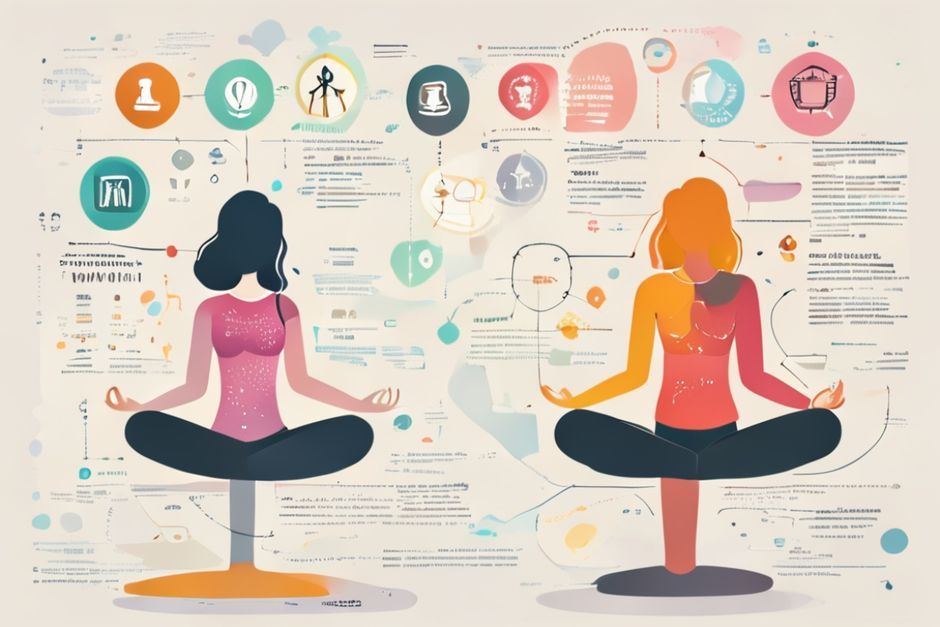
IMG_PROMPT: A split scene showing two meditation approaches: left side shows mindfulness with person aware of surroundings, right side shows transcendental meditation with person in deep inner focus
IMG_ALT: Comparative visualization of mindful meditation vs transcendental meditation techniques and approaches
IMG_TITLE: mindful meditation vs transcendental – Visual Comparison
IMG_CAPTION: Two paths to peace: understanding the difference between mindful awareness and transcendental depth
IMG_DESC: This comparative illustration shows the distinct approaches of mindfulness meditation (observing present experience) and transcendental meditation (using a mantra to transcend thought)
—METADATA_END—