呼吸調節:即座の落ち着きを得るための究極の呼吸制御ガイド - ライフ

That moment when your heart starts racing, your thoughts spiral, and you notice your breathing has become shallow and rapid—we’ve all been there. Whether it’s a tight deadline, a difficult conversation, or just the cumulative stress of modern life, our bodies often signal distress through our breath before our minds even catch up.
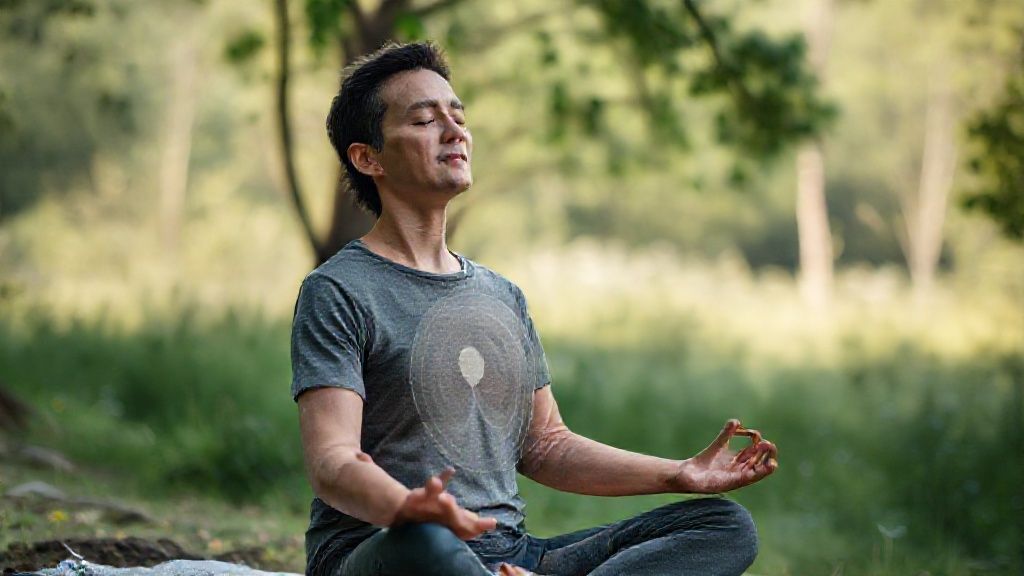
Breath regulation is the conscious practice of controlling the pace, depth, and pattern of your breathing to directly influence your nervous system. It is a foundational tool used in meditation, yoga, and modern psychology to reduce stress, improve focus, and enhance overall well-being.
This comprehensive guide will demystify the science behind why something as simple as breathing differently can transform your mental and physical state. More importantly, we’ll provide practical, accessible techniques you can implement anywhere—from a 1-minute exercise at your desk to a dedicated 20-minute meditation session.
Why Breath Regulation Works: The Science of Breathing
To understand why breath regulation is so powerful, we need to explore the autonomic nervous system—the part of your body that controls automatic functions like heartbeat, digestion, and yes, breathing.
Your autonomic nervous system has two main components: the sympathetic nervous system (your “fight or flight” response) and the parasympathetic nervous system (your “rest and digest” mode). When you’re stressed, anxious, or in danger, your sympathetic nervous system kicks in, releasing cortisol and adrenaline, increasing your heart rate, and preparing your body for action. This is why stress makes your breathing rapid and shallow—your body thinks it needs extra oxygen for fighting or fleeing.
The remarkable thing about breathing is that it’s unique among autonomic functions: it happens automatically, but we can also control it consciously. This gives us a rare opportunity—we can use controlled breathing as a manual override to signal our brain to switch from sympathetic to parasympathetic dominance.
When you practice slow, deep, regulated breathing, you’re essentially sending a message to your brain: “Everything is safe. We can relax now.” This triggers a cascade of physiological changes:
- Lowered heart rate and blood pressure
- Reduced cortisol levels (the primary stress hormone)
- Increased oxygen delivery to your brain and tissues
- Improved heart rate variability (a key marker of resilience)
- Activation of the vagus nerve, which plays a crucial role in calming your entire system
The benefits extend beyond momentary relaxation. Regular practice can rewire your nervous system to be more resilient to stress, improve your focus and cognitive function, and even enhance emotional regulation.
Foundational Breath Regulation Techniques to Start With
Diaphragmatic Breathing (Belly Breathing)
Diaphragmatic breathing, often called “belly breathing,” is the cornerstone of most breath regulation practices. It ensures you’re breathing deeply and efficiently, engaging your diaphragm—the dome-shaped muscle at the base of your lungs.
Step-by-Step Instructions:
- Find a comfortable position, either sitting upright with your back straight or lying on your back.
- Place one hand on your chest and the other on your belly.
- Inhale slowly through your nose for about 4 seconds, focusing on expanding your belly rather than your chest. The hand on your belly should rise, while the hand on your chest remains relatively still.
- Exhale slowly through your mouth or nose for about 6 seconds, feeling your belly fall.
- Continue this pattern for 5-10 cycles, maintaining your focus on the rise and fall of your belly.
For those dealing with anxiety, this technique is a core component of diaphragmatic breathing for anxiety.
The 4-7-8 Breathing Method for Sleep & Relaxation
Developed by Dr. Andrew Weil, the 4-7-8 technique is particularly effective for calming the nervous system and preparing for sleep. The extended exhalation is key to activating the parasympathetic response.
Step-by-Step Instructions:
- Sit with your back straight or lie down in bed.
- Place the tip of your tongue against the ridge of tissue behind your upper front teeth and keep it there throughout the exercise.
- Exhale completely through your mouth, making a whoosh sound.
- Close your mouth and inhale quietly through your nose for a count of 4.
- Hold your breath for a count of 7.
- Exhale completely through your mouth, making a whoosh sound, for a count of 8.
- This completes one cycle. Repeat for 3-4 cycles to start, gradually working up to 8 cycles.
This technique is perfect to incorporate into a nightly wind-down routine. Pair it with a dedicated 不安のための5分間瞑想 for deeper rest.

Integrating Breath Regulation into Your Daily Life
The true power of breath regulation emerges when you move beyond occasional practice and integrate it into your daily routine. Here’s how to make breath work a natural part of your life.
For Instant Stress Relief (Under 5 Minutes)
When stress strikes unexpectedly, you don’t need a 30-minute meditation session to regain your equilibrium. Brief breath regulation practices can provide immediate relief.
The 1-Minute Reset: When you feel overwhelmed, pause and take just three deep, conscious breaths. Inhale for four counts, exhale for six counts. This simple practice can interrupt the stress response and give you a moment of clarity.
If you only have a moment, this 1分間呼吸法 is perfect.
The 5-Minute Reset: Find a quiet space (even a bathroom stall will work), set a timer for five minutes, and practice diaphragmatic breathing or the 4-7-8 method. This gives your nervous system enough time to shift into a calmer state.
For a slightly longer reset, follow this 5分ガイド瞑想.
For a Focused Morning Routine
How you start your day often sets the tone for everything that follows. Incorporating breath regulation into your morning routine can help you approach the day with intention and calm clarity.
Try this: Before checking your phone or email, take five minutes for conscious breathing. Sit by a window if possible, and practice diaphragmatic breathing while setting an intention for your day. This simple practice can prevent you from being immediately reactive and instead help you approach your day proactively.
Start your day with clarity using a specific 5分間ガイド付き朝の瞑想.
For Managing Anxiety and Overthinking
When anxious thoughts begin to spiral, breath regulation serves as an anchor to the present moment. The physical sensation of breathing provides something tangible to focus on when your mind feels out of control.
The Anxiety Interruption Technique: When you notice anxiety building, immediately shift your attention to your breath. Don’t try to change it at first—just observe it. Then gradually begin to lengthen your exhalations. The extended exhalation is particularly effective for calming the nervous system.
Position breath work as a first-response tool for anxious thoughts. When feeling overwhelmed, a structured session can be incredibly helpful. Try this 不安と過剰思考のための20分ガイド瞑想.
For Preparing for Sleep
Many people struggle with “monkey mind” at bedtime—when your thoughts won’t quiet down enough for sleep to come. Breath regulation is one of the most effective tools for transitioning from wakefulness to rest.
The Bedtime Breath Practice: ベッドに入ったら、すべての画面と照明を消してください。まず4-7-8呼吸法を5~10サイクル行います。思考がさまよい始めたら、優しく意識をカウントと呼吸の感覚へ戻しましょう。この実践は神経系を落ち着かせるだけでなく、忙しい心に反復的な単純作業を与え、反芻思考から解放します。.
これらの呼吸法にボディスキャンを組み合わせ、身体の緊張を解放しましょう。詳細はこちらでご覧ください 睡眠のためのボディスキャン瞑想.

ガイド付き瞑想で実践を深める
呼吸調節は独習可能ですが、ガイド付き瞑想は実践を大幅に向上させます——特に初心者の方や既存の実践を深化させたい方に有効です。.
ガイド付き瞑想は体系的な枠組みを提供し、自己誘導の精神的負担を取り除くため、呼吸と現在の瞬間に純粋に集中できます。熟練したガイドは、自身では気づきにくい体験の側面に注意を向けさせる微妙な合図を与えてくれます。.
短時間セッション(5~10分)
短いガイド付きセッションは、特に多忙な日に継続性を確立するのに最適です。心身の状態に明確な変化を生み出すのに十分な長さでありながら、最も詰まったスケジュールにも組み込める短さです。.
初心者の方には、短い 短いガイド付き瞑想 から始めるのが最良の方法です。.
不安を素早くリセットするには、この 不安のための10分間瞑想 が極めて効果的です。.
長時間セッション(15~20分)
長時間のガイド付きセッションでは、呼吸調節をより深く探求できます。神経系が深くリラックスした状態に落ち着く十分な時間を与え、定期的に実践することで特に変容的な効果が得られます。.
レジリエンスを構築し神経系を深く鎮めたい方には、このような長時間セッション 20分マインドフルネス瞑想 が理想的です。.
呼吸調節FAQ(音声検索最適化)
不安に最適な呼吸法は何ですか?
腹式呼吸と4-7-8呼吸法は不安に極めて有効です。カギはゆっくりとした深い呼気であり、これが直接身体のリラックス反応を活性化させます。これに特化したガイド付きセッションはこちら 不安のためのガイド付き瞑想.
睡眠のための呼吸調節はどうすればよいですか?
4-7-8呼吸法など呼気を延長する技法に集中し、ベッドで横になりながら実践することで強力な睡眠関連付けを作りましょう。専用の睡眠瞑想がこのプロセスを導きます。おすすめはこの 深い眠りのガイド付き瞑想.
呼吸調節の効果が現れるまでどれくらいかかりますか?
60~90秒という短時間で鎮静効果を実感できます。たとえ1日5分でも継続的な日々の実践が、長期的なストレス耐性を構築します。実践を重ねるほど、身体は呼吸調節技法により速やかかつ効果的に反応するようになります。.
呼吸調節は集中力に役立ちますか?
もちろんです。呼吸調節は神経系を鎮め、心のおしゃべりを減らし、マインドフルネスエクササイズと同様に持続的注意力のための脳の準備状態を作ります。特定の 注意力集中エクササイズ.

結論 & 行動喚起(CTA)
呼吸調節は、私たちの精神的・感情的状態に影響を与える最も手軽で強力、即効性のあるツールと言えるでしょう。特別な器具も費用も必要なく、いつでもどこでも実践可能です。単なるストレス管理技法を超え、自身の神経系に対する主体性を取り戻し、人生のあらゆる側面を支える穏やかさの基盤を育む方法です。.
本ガイドで概説した技法——腹式呼吸のような基礎的実践から統合された日常応用まで——は、より高いレジリエンス、集中力、平安への道筋を提供します。ただし呼吸調節について読むことは第一歩に過ぎず、真の変容は継続的実践によってもたらされます。.
あなたの行動喚起はシンプルです: 本ガイドから一つの技法——睡眠のための4-7-8呼吸法やストレス緩和のための腹式呼吸など——を選び、今日実践することを決意してください。実践を深化させる完全ガイド付き体験には、ストレス緩和から睡眠まであらゆるニーズに対応するガイド付き瞑想ライブラリをご活用ください。.
完全なガイド付きセッションを体験する準備はできていますか?人気のガイドから始めて、平静な心を育みましょう 平静な心のためのガイド付き瞑想.