不安と呼吸:悪循環を断ち切り、平静を見出す方法
That tightness in your chest. The feeling that you can’t get a full breath. If you’ve ever felt this during a panic attack or a moment of high stress, you’ve experienced the powerful, and often frightening, link between anxiety and breathing.
The connection is a two-way street: anxiety disrupts your breathing patterns, and dysfunctional breathing can, in turn, fuel anxiety. The good news is that by consciously changing how you breathe, you can directly calm your nervous system and reduce anxiety symptoms.
In this guide, we will explore the science behind this link and provide practical, actionable breathing techniques and meditations you can use to reclaim a sense of calm and control.

The Science Behind Anxiety and Your Breath
To understand why breathing is so crucial for managing anxiety, we need to look at the body’s built-in alarm system: the autonomic nervous system. This system has two main branches: the sympathetic nervous system (SNS), which triggers the “fight or flight” response, and the parasympathetic nervous system (PNS), which promotes “rest and digest.”
When anxiety strikes, your SNS kicks into high gear. Your body prepares for perceived danger by releasing stress hormones like adrenaline and cortisol. One of the most immediate physical manifestations of this is a change in your breathing. It becomes rapid and shallow, moving from the diaphragm to the upper chest. This is known as thoracic or chest breathing.
This shift serves a biological purpose—to take in more oxygen quickly for a potential physical struggle. However, when the threat isn’t physical (like a work deadline or social situation), this type of breathing becomes problematic. It can lead to hyperventilation, where you exhale too much carbon dioxide too quickly. This upsets the delicate oxygen-CO2 balance in your blood, leading to physical symptoms like:
- Dizziness or lightheadedness
- Tingling in the hands and feet
- A racing heart
- Chest tightness or pain
Crucially, these physical sensations are frightening. Your brain interprets them as further evidence of danger, which fuels more anxiety, creating a vicious cycle: Anxiety → Rapid, Shallow Breathing → Physical Symptoms → More Anxiety.
Breaking this cycle requires consciously activating the parasympathetic nervous system. The most direct way to do this? Through deliberate, slow, diaphragmatic breathing. This is why learning guided meditations specifically designed for stress relief is so powerful.
How to Spot Anxiety-Driven Breathing Patterns
Becoming aware of your breathing patterns is the first step toward changing them. Many people with anxiety breathe dysfunctionally without even realizing it. Here are some common signs of anxiety-driven breathing:
- Chest Breathing: Your shoulders and chest move noticeably up and down with each breath, rather than your belly expanding.
- Holding Your Breath: You frequently catch yourself holding your breath or taking very shallow, tentative breaths, especially when focused or stressed.
- Frequent Sighing or Yawning: This can be your body’s attempt to compensate for not getting enough air through regular, shallow breaths.
- Breathlessness at Rest: Feeling like you can’t catch your breath even when you’re sitting still or not exerting yourself.
- Rapid, Irregular Rhythm: Your breath lacks a slow, steady, rhythmic pattern.
3 Breathing Techniques to Calm Anxiety Instantly
The following techniques are evidence-based tools to short-circuit the anxiety cycle. They work by slowing the breath, increasing carbon dioxide levels back to normal, and signaling the brain that it’s safe to relax.
1. Diaphragmatic Breathing (Belly Breathing)
This is the foundation of all calming breathwork. It retrains your body to breathe efficiently and activates the vagus nerve, a key component of the parasympathetic nervous system.
Step-by-Step Instructions:
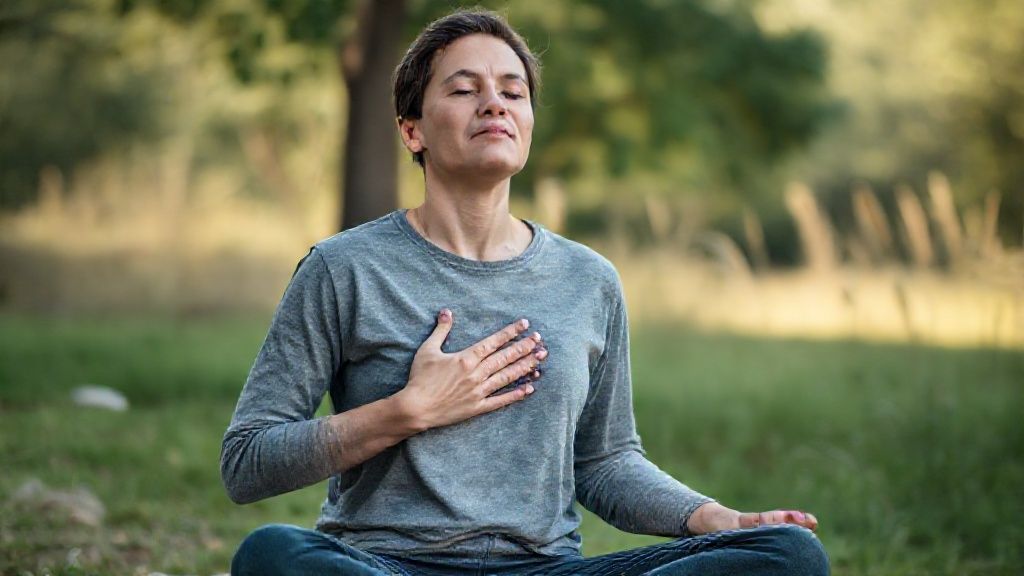
- Sit comfortably in a chair or lie on your back with your knees bent. Place one hand on your upper chest and the other on your belly, just below your rib cage.
- Breathe in slowly and deeply through your nose. As you inhale, focus on allowing your belly to expand and push your hand outward. The hand on your chest should remain as still as possible.
- Exhale slowly through your mouth (or nose, if preferred), feeling the hand on your belly fall inward. You can gently contract your abdominal muscles to help push all the air out.
- Continue for 5-10 cycles, focusing on the rise and fall of your belly.
For beginners, it can help to start with a simple one-minute breathing exercise to get started. If you want to learn more about the science of diaphragmatic breathing for anxiety, we have a dedicated resource for you.
2. The 4-7-8 Breathing Method (Relaxing Breath)
Developed by Dr. Andrew Weil, this technique is exceptionally effective for reducing anxiety and quieting a racing mind, especially before sleep.
Step-by-Step Instructions:
- Place the tip of your tongue against the ridge of tissue behind your upper front teeth and keep it there for the entire exercise.
- Exhale completely through your mouth, making a whoosh sound.
- Close your mouth and inhale quietly through your nose for a mental count of 4.
- Hold your breath for a count of 7.
- Exhale completely through your mouth, making a whoosh sound, for a count of 8.
- This completes one cycle. Repeat the cycle three to four times.
3. Box Breathing (Square Breathing)
This technique, used by Navy SEALs to stay calm under pressure, is excellent for managing panic and improving focus. Its equal parts make it easy to remember.
Step-by-Step Instructions:
- Sit upright and exhale all the air from your lungs.
- Inhale slowly and deeply through your nose for a count of 4.
- Hold your breath at the top of the inhalation for a count of 4.
- Exhale slowly and completely through your mouth for a count of 4.
- Hold your breath at the bottom of the exhalation for a count of 4.
- Repeat the pattern for 4-6 rounds or until you feel a sense of calm.

Integrating Breathing into a Mindful Meditation Practice
While discrete breathing exercises are powerful, integrating breath awareness into a formal meditation practice can build long-term resilience to anxiety. Meditation takes the principle of conscious breathing and expands it into a sustained practice of observing your present-moment experience without judgment.
When you meditate, the breath serves as an “anchor” to the present. Each time your mind wanders to an anxious thought about the future or a regret about the past, you gently guide your attention back to the physical sensation of your breath. This process strengthens your ability to disengage from anxious thought patterns. If you’re new to this, it’s helpful to understand what guided meditation is and how it works.
Guided Meditations for Anxiety and Breathwork
Guided meditations provide verbal instructions and a supportive structure, making them ideal for beginners and those struggling with high anxiety. Here are some recommendations based on the time you have available.
For Immediate Relief (5-10 Minutes)
When anxiety feels overwhelming, a short, focused session can provide rapid relief.
- 試してみてください a quick five-minute meditation for anxiety to reset your nervous system during a busy day.
- If you have a bit more time, this 10-minute guided meditation for anxiety can guide you into a deeper state of relaxation.
For Deeper Practice (15-20 Minutes)
Building a consistent, longer practice can rewire your brain’s response to stress over time, making you less reactive to anxiety triggers.
- For those persistent, looping thoughts, we recommend an extended 20-minute session for anxiety and overthinking.
For Calm and Sleep
Anxiety doesn’t always switch off at bedtime. Using breath-focused meditations in the evening can calm the mind and prepare the body for restful sleep.
- To settle a busy mind after a long day, listen to a calming guided meditation to settle your mind.
- If anxiety is keeping you up at night, end your day with a free guided sleep meditation for anxiety.

Building a Long-Term Toolkit for Anxiety Management
Breathing is a profoundly powerful tool, but it’s most effective as part of a holistic approach to mental wellness. Think of it as the foundational skill in your anxiety management toolkit.
- Expand Your Mindfulness Practice: Beyond breathing, there are many other quick mindfulness exercises you can try to stay grounded throughout the day.
- Leverage Technology: For on-the-go support, explore the best deep breathing apps to guide your practice right from your phone.
- Deepen Your Understanding: If you’re ready to take your practice further, you can explore advanced mindfulness therapy techniques used by professionals.
FAQ: Anxiety and Breathing (Optimized for Voice Search)
Q: What is the best breathing exercise for anxiety?
A: While individual preferences vary, diaphragmatic breathing is often considered the most foundational and effective for immediately calming the nervous system during an anxiety episode.
Q: Why does anxiety make it hard to breathe?
A: Anxiety activates the sympathetic nervous system, causing rapid, shallow chest breathing. This can lead to hyperventilation, making you feel like you’re not getting enough air, even though you are over-breathing.
Q: How can I stop anxiety breathing?
A: The key is to consciously shift from chest breathing to slow, deep belly breathing. Techniques like the 4-7-8 method or box breathing can help you regain control and signal your body to relax.
Q: Can breathing exercises cure anxiety?
A: They are a powerful management tool, not a cure. They can significantly reduce symptoms and increase your sense of control. For a comprehensive approach, they are best used alongside therapy, lifestyle changes, and other coping strategies. If you’re considering professional support, you can explore the best therapies for anxiety and depression.
結論 + CTA
The connection between your mind and your breath is one of the most accessible and powerful tools you possess for managing anxiety. By understanding this link and practicing the techniques outlined here, you have the ability to directly influence your nervous system and break the cycle of anxiety and dysfunctional breathing.
Don’t just read about it—experience it. Close your eyes and try the 4-7-8 breathing technique right now for three cycles. For more guided support on your journey to calm, discover more meditation practices for anxiety in our dedicated guide.