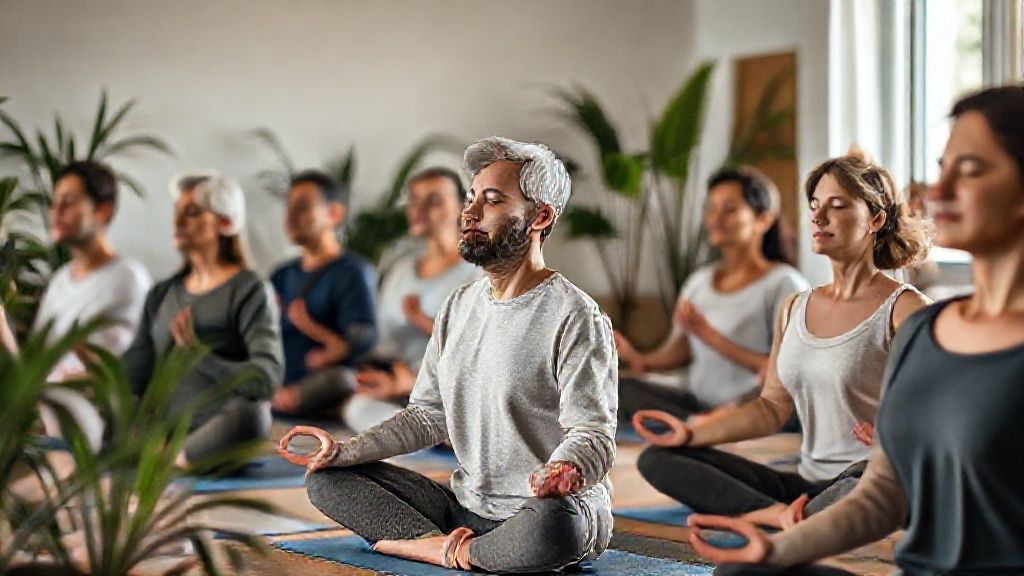
Your First Step to Inner Peace: A Beginner’s Guide to Meditation Classes
Feeling overwhelmed, stressed, or just looking for a way to quiet your mind? You’re not alone. In our fast-paced world, finding moments of stillness can feel like a luxury we can’t afford. Yet, the ancient practice of meditation offers a scientifically-backed path to calm, clarity, and resilience. Meditation classes for beginners are structured sessions specifically designed to gently introduce you to this practice, teaching you the foundational techniques to reduce stress and improve focus from day one. If you’ve ever thought, “I can’t meditate because I can’t stop thinking,” this guide is for you. We’ll demystify the entire process and help you find the perfect starting point for your meditation journey, removing the guesswork and intimidation factor that often keeps people from beginning.

Why Start with a Guided Meditation Class?
Many people attempt meditation on their own, only to become frustrated and give up. A structured class provides the support system and expert guidance that can make the difference between a fleeting attempt and a lasting practice.
Overcoming the “I Can’t Meditate” Myth
Let’s address the elephant in the room: nearly every beginner believes they’re “bad” at meditation. The truth is, meditation isn’t about stopping your thoughts—it’s about changing your relationship with them. Common fears include:
- “My mind won’t stop racing”: This is completely normal. The practice isn’t to empty your mind, but to notice when it wanders and gently bring it back—an exercise that strengthens your focus muscle.
- “I can’t sit still”: Physical discomfort is common, especially when you’re new. A good instructor will teach you how to sit comfortably and offer alternatives like chair meditation.
- “I don’t have time”: This is precisely why you’re stressed! Even 5-10 minutes daily can create significant changes in your stress levels and focus.
The Benefits of a Structured Approach
While you can certainly learn meditation from books or apps, a structured course offers distinct advantages:
- Progressive Learning: Unlike one-off sessions, a course builds skills progressively, starting with basics and gradually introducing more advanced techniques.
- Habit Formation: Committing to a series of classes helps establish meditation as a regular habit rather than a sporadic activity.
- Expert Guidance: An experienced teacher can offer personalized tips, answer your specific questions, and help you navigate common challenges.
- Accountability: Showing up to class—whether online or in-person—creates a sense of commitment that strengthens your practice.
For those seeking immediate, practical support to experience these benefits firsthand, we offer a specially designed feeling free meditation that gently introduces the practice.
What to Look For in a Beginner Meditation Course
Not all meditation classes are created equal, especially when you’re just starting out. Here are the key elements to consider when selecting your first course.
Foundational Techniques Covered
A quality beginner course should introduce several core techniques that form the foundation of most meditation practices:
- Breathwork (Pranayama): Learning to use the breath as an anchor to the present moment.
- Body Scan Meditation: Systematically bringing awareness to different parts of the body to release tension and cultivate presence.
- Mindfulness Meditation: Practicing open awareness of thoughts, feelings, and sensations without judgment.
To understand one of these core techniques better, you can explore our detailed 10 minute body scan meditation pdf that walks you through this foundational practice.
Duration and Pacing
When beginning, shorter and more frequent sessions are far more beneficial than occasional marathon sits. Look for:
- Short Sessions: Classes or guided meditations of 5-15 minutes are ideal for beginners.
- Gradual Progression: A good course will gradually increase session length as your practice develops.
- Sustainable Pacing: Avoid programs that promise advanced results in unrealistically short timeframes.
If you’re skeptical about finding time to meditate, try our perfectly paced 5 min guided meditation designed specifically for busy beginners.
The Style of the Instructor
The instructor’s approach can make or break your meditation experience. Consider:
- Voice Quality: Do you find their voice calming and easy to listen to?
- Teaching Philosophy: Does their approach resonate with you (secular vs. spiritual, etc.)?
- Communication Style: Are instructions clear and accessible rather than esoteric or confusing?
- Credentials: While certification isn’t everything, look for teachers with recognized training and substantial experience.
Exploring Different Types of Meditation for Beginners
Meditation isn’t a one-size-fits-all practice. Understanding the different styles can help you find an approach that resonates with you.
Mindfulness Meditation
Often considered the foundation of modern secular meditation, mindfulness involves paying attention to the present moment with openness, curiosity, and without judgment. You simply observe whatever arises—thoughts, feelings, bodily sensations—without getting caught up in them. This practice is excellent for developing greater emotional regulation and reducing reactivity.
Guided Meditation
In guided meditation, you follow verbal instructions from a teacher, either in person or via recording. The guide might lead you through visualizations, body scans, or breathing exercises. This approach is particularly helpful for beginners because it gives your mind a specific focus, making it less likely to wander. If you’re wondering exactly ガイド付き瞑想を定義する means and how it differs from other forms, we have a comprehensive guide that breaks it down.
Loving-Kindness (Metta) Meditation
This beautiful practice involves directing well-wishes toward yourself and others. Typically, you start by generating feelings of kindness toward yourself, then progressively extend these wishes to loved ones, acquaintances, difficult people, and eventually all beings. Metta meditation is powerful for reducing self-criticism and increasing feelings of connection and compassion. To try this practice, we offer a gentle introduction with our 5 minute loving kindness meditation script.

Finding Your Perfect Beginner’s Course: Online vs. In-Person
Today’s meditators have more options than ever. Both online and in-person formats offer distinct advantages depending on your lifestyle, personality, and goals.
The Convenience of Online Meditation Courses
The digital revolution has made high-quality meditation instruction accessible to everyone, regardless of location. Benefits include:
- 柔軟性: Practice anytime that fits your schedule, not when a class is scheduled.
- 多様性: Access to dozens of teachers and styles without geographical limitations.
- Cost-Effectiveness: Online courses are often more affordable than in-person classes.
- Privacy: Learn in the comfort of your own home without self-consciousness.
If the convenience of online learning appeals to you, explore our curated list of the best online meditation classes available today.
The Community of In-Person Classes
While online options abound, traditional in-person classes offer unique benefits:
- Direct Feedback: A teacher can physically adjust your posture and offer personalized guidance.
- Immersive Environment: Dedicated meditation spaces are designed to minimize distractions.
- Group Energy: There’s a powerful collective energy that emerges when people meditate together.
- Accountability: The commitment of traveling to a specific location at a set time strengthens dedication.
For those interested in the community aspect, our guide to finding local centre meditation options can help you locate nearby studios and groups.
Free Resources to Get You Started Today
You don’t need to invest money to begin your meditation journey. These high-quality free resources can help you get started immediately.
Top Meditation Apps for Beginners
While many apps require subscriptions for full access, their free content often provides excellent starting points:
- Headspace: Offers a free Basics course that beautifully introduces fundamental concepts.
- Calm: Includes several free guided sessions focusing on anxiety reduction and sleep.
- Insight Timer: Features thousands of free meditations from teachers worldwide.
If you’re exploring different applications, our comparison of apps like calm can help you find the perfect fit for your needs and budget.
Free Guided Sessions on Our Site
We believe meditation should be accessible to everyone, which is why we offer an extensive library of free content:
- For an ideal starting point, try our specially designed 「初心者向けベスト無料ガイド付き瞑想」 that introduces core concepts gently.
- When you’re pressed for time, our simple 1分間呼吸法 can center you quickly amidst a busy day.

Building a Sustainable Meditation Habit
The greatest meditation technique is useless if you don’t practice it regularly. Here’s how to transform meditation from a one-off activity into a sustainable habit.
Starting with Just 5 Minutes a Day
Many beginners make the mistake of starting with sessions that are too long, leading to frustration and abandonment of the practice. Instead:
- Prioritize Consistency: Five minutes daily is far more powerful than thirty minutes once a week.
- Use Triggers: Link your practice to an existing habit, like after brushing your teeth or before your morning coffee.
- Be Compassionate: If you miss a day, simply begin again without self-criticism.
To support your daily practice, we offer a simple 1 minute meditation script that you can use anytime, anywhere.
マインドフルネスを日常生活に統合する
正式な瞑想セッションは重要ですが、本当の変容はマインドフルな気づきを日常生活に取り入れたときに起こります:
- マインドフルイーティングを実践する:食べ物の味、食感、感覚に注意を向けましょう。.
- 呼吸ブレイクを取る:タスクや会議の合間に、意識的な呼吸を3回行うために一時停止しましょう。.
- Use Triggers:日常的な出来事(赤信号、電話の通知)を、現在の瞬間の経験を確認するきっかけにしましょう。.
から始めてみてください。
全くの初心者にとって最適な瞑想は何ですか?
全くの初心者には、ガイド付き瞑想が構造と方向性を提供するため、強くお勧めします。呼吸への気づきやボディスキャンに焦点を当てた短時間のセッション(5〜10分)から始めましょう。これらは心に具体的な拠り所を与えます。理想的な出発点として、当社が特別に設計した 短いガイド付き瞑想 実践が初めての方々のために特別に作成された.
不安があります。瞑想は役立ちますか?
はい、瞑想は神経系を落ち着かせ、不安な思考との関係を変えることで、不安を管理するための強力なエビデンスに基づくツールです。多くのコースには、呼吸に焦点を当てた実践や、体のストレス反応を調整するのに役立つボディスキャンなど、不安に対する特定のテクニックが含まれています。的を絞ったサポートとして、当社は不安を抱える心特有の課題に対処する、特別に設計された 不安に最適なガイド付き瞑想 を提供しています。.
瞑想講師が資格を有しているかどうかは、どのように判断すればよいですか?
瞑想分野には統一された認定基準はありませんが、認知されたトレーニングプログラム(通常200時間以上)からの認定資格、明確な指導経験、生徒からの肯定的な評価を有する指導者を探しましょう。講師のアプローチは個人的に共感でき、威圧的ではなく安心感を与えるものであるべきです。専門的な基準について詳しく知るには、当社のガイド 認定瞑想資格オンライン が講師トレーニングで何を重視すべきかを概説しています。.
結論 & 行動喚起(CTA)
より落ち着き、集中力のある心への旅は、ただ始めようという決断という一歩から始まります。瞑想の道は、あなたのウェルビーイングに対して行う最も報いのある投資の一つであり、その恩恵は人生のあらゆる領域に波及します。構造化されたオンラインコース、地元の対面クラス、または当社の無料ガイド付きセッションから始めるかを選択するかに関わらず、最も重要なのは、開かれた心と好奇心を持ってその最初の一歩を踏み出すことです。.
ご自身でその恩恵を体験する準備はできていますか?今すぐ当社の 初心者向け最高の無料ガイド付き瞑想 で実践を始め、より平和な自分への第一歩を踏み出しましょう。.