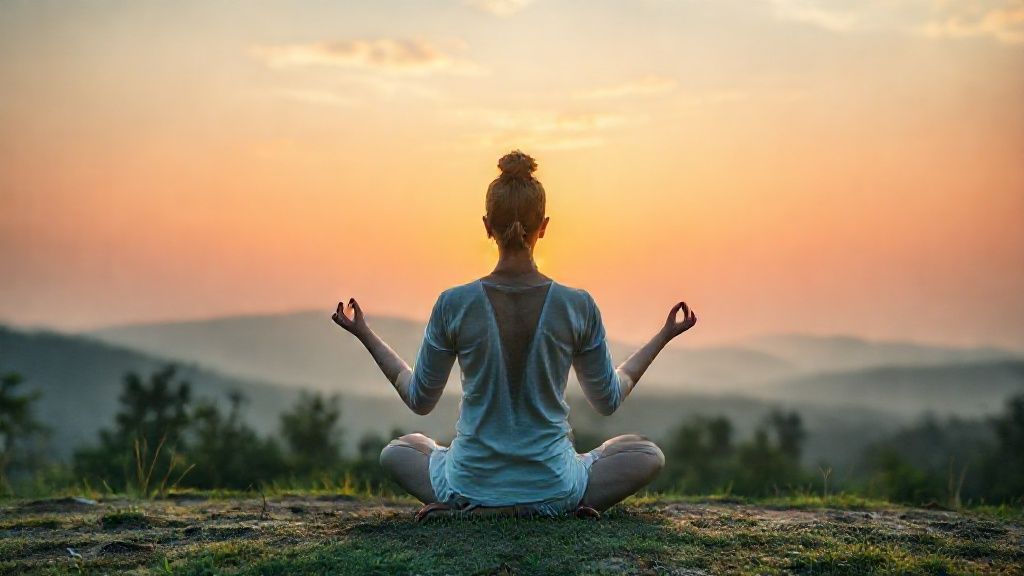
Finding Your Foundation: The Ultimate Guide to Buddhist Meditation Posture
Have you ever tried to meditate but found your mind racing, your back aching, or your legs falling asleep? You’re not alone. Many practitioners struggle with physical discomfort that distracts from their mental practice. The secret to a deeper, more comfortable meditation might not be in your mind, but in your posture.
A Buddhist meditation posture is a specific alignment of the body designed to promote alertness, stability, and mental clarity. The most recognized postures include the full lotus, half-lotus, Burmese, and Seiza, all of which prioritize a straight, relaxed spine to facilitate the free flow of energy and awareness.

Why Posture Is the Cornerstone of Buddhist Meditation
In Buddhist tradition, the body and mind are not separate entities but interconnected aspects of our experience. The physical container we create through posture directly influences the quality of our mental state. Think of your posture as the foundation of a house—without a stable base, the entire structure becomes shaky and unstable.
The Link Between Spine and Mind
Your spinal alignment serves as the central channel connecting physical stability to mental clarity. When you sit with a slumped back, your breathing becomes constricted and your mind tends toward drowsiness or distraction. An upright spine supports an alert, attentive mind by allowing your diaphragm to move freely and your nervous system to remain balanced between relaxation and vigilance.
Stability for Inner Exploration
Physical stability creates a container for emotional and mental stability. When your body feels grounded and secure, your mind can more easily settle into the present moment. This external steadiness provides the confidence to explore internal landscapes—thoughts, emotions, and sensations—without being swept away by them.
Facilitating the Flow of Energy (Prana)
In many Eastern traditions, the body contains subtle energy channels through which life force (known as prana or chi) flows. A proper meditation posture helps keep these channels open and aligned, allowing energy to circulate freely rather than becoming blocked or stagnant. This energetic balance supports deeper states of concentration and insight.
The 7 Essential Points of Posture: A Traditional Framework
The Buddha himself provided guidance on meditation posture, and these seven points have been refined over centuries by meditation masters across Buddhist traditions. Together, they create an integrated system that supports both physical comfort and mental awakening.
1. The Foundation: Seat & Legs (The Asana)
Your sitting base determines everything that follows. The ideal position provides three points of contact with the ground, creating a stable triangular foundation. Here are the primary positions, from most to least traditional:
- Full Lotus (Padmasana): Each foot rests on the opposite thigh, soles facing upward. This creates an extremely stable base but requires significant hip flexibility.
- Half-Lotus (Ardha Padmasana): One foot rests on the opposite thigh, while the other foot rests beneath the opposite knee. This offers similar stability with less flexibility required.
- Burmese Position: Both legs are folded in front of you with feet resting on the floor. This is often the most accessible cross-legged position for Western practitioners.
- Seiza (Kneeling): Kneeling with a meditation bench or cushion between your legs. Excellent for those with hip issues.
- Using a Chair: Sitting forward on a chair with feet flat on the floor and spine unsupported. Perfect for those with physical limitations.
Remember: comfort and a stable base are more important than achieving a “perfect” pose.
2. The Pillar: A Straight, Relaxed Spine
This is arguably the most crucial element. Your spine should be upright but not rigid, maintaining its natural S-curves. Imagine your vertebrae stacking gently one upon another, with the crown of your head reaching toward the sky. To find this alignment, gently rock forward and backward until you find the point where your body naturally balances with minimal muscular effort.
If you’re struggling with physical tension, our guided meditation for releasing physical tension can help you develop greater body awareness.
3. The Gateway: Hand Position (Mudra)
The classic Cosmic Mudra involves resting your hands in your lap, right palm cradled in left palm, with thumbs lightly touching to form an oval. This position symbolizes the integration of wisdom (right hand) and method (left hand), with the thumb connection maintaining just enough tension to keep you alert. Your hands should rest comfortably against your lower abdomen, about two finger-widths below your navel.
4. The Window: Softly Gazing Eyes
In most Buddhist traditions, eyes remain partially open, gazing softly downward at a 45-degree angle about three to four feet in front of you. This prevents drowsiness and maintains connection with your environment while minimizing visual distraction. If keeping eyes open feels too stimulating, you can begin with closed eyes and gradually work toward this practice.
5. The Alignment: Chin Slightly Tucked
Gently tucking your chin aligns your cervical spine and supports alertness. Imagine you’re holding a peach between your chin and your throat—enough space to breathe, but not so much that your head juts forward. This subtle adjustment prevents neck strain and supports the natural curvature of your spine.
6. The Anchor: Relaxed Shoulders
Many of us carry tension in our shoulders. Roll your shoulders up toward your ears, then back and down, settling into a natural, relaxed position. Your shoulder blades should gently draw toward each other, opening your chest slightly. This position allows for full, unrestricted breathing.
7. The Lock: Tongue on the Roof of the Mouth
Place the tip of your tongue lightly against the roof of your mouth, just behind your front teeth. This subtle energetic seal helps prevent excessive salivation and connects the central energy channels in your body. In some traditions, this is believed to prevent the dissipation of subtle energies during meditation.

Choosing Your Perfect Posture: A Practical Guide
With so many options, how do you choose what’s right for your body? Let’s explore which positions work best for different needs and body types.
For the Flexible Practitioner: Lotus & Half-Lotus
If you have open hips and flexible joints, the lotus positions offer exceptional stability. The locked leg position creates an immovable base that can support long meditation sessions. However, never force these positions—the goal is comfort, not achievement. If you feel any sharp pain in your knees or hips, immediately switch to a gentler position.
For Most Meditators: The Burmese Position
The Burmese position offers the stability of cross-legged sitting without requiring extreme flexibility. Both knees can comfortably reach the ground, creating a solid triangular base. This is often the ideal starting point for those new to floor sitting and remains the preferred position for many experienced practitioners.
For Those with Knee or Hip Issues: Seiza (Kneeling)
The Seiza position removes pressure from the hips and knees by directing your weight downward through your shins. Using a meditation bench elevates your seat, preventing compression in your ankles and feet. This position naturally encourages an upright spine and is excellent for those with physical limitations.
To complement your posture practice, try our 5-minute body scan meditation to develop greater awareness of physical sensations.
Accessible to All: Meditation on a Chair
Chair meditation is a completely valid approach that anyone can practice. Choose a straight-backed chair and sit forward so your spine supports itself. Keep your feet flat on the floor, hip-width apart, with knees directly above ankles. You may place a cushion behind your lower back for support, but avoid leaning heavily against the chair back.
Common Posture Mistakes and How to Fix Them
Even with the best intentions, it’s easy to develop habits that undermine your meditation practice. Here are the most common posture mistakes and how to correct them.
Slouching vs. a Relaxed Spine
The Problem: Collapsing forward, rounding the shoulders, and tucking the pelvis under. This compresses the diaphragm and encourages mental dullness.
The Fix: Imagine a string attached to the crown of your head, gently pulling upward. Rock your pelvis slightly forward until you find the natural balance point where your spine supports itself with minimal effort.
無理な蓮華座(と怪我のリスク)
The Problem: 「正しい」瞑想姿勢に見えるように痛みを我慢して座り、膝や股関節を損傷する可能性がある。.
The Fix: 身体の限界を尊重しましょう。意図した瞑想時間、快適に座っていられる姿勢を選んでください。安定性と快適さは、見た目よりも常に優先されます。.
顎と肩の緊張
The Problem: 無意識に顎の筋肉を噛みしめたり、肩を耳の方に上げたりすることで、不必要な緊張が生まれ、瞑想の妨げとなる。.
The Fix: 瞑想中、定期的に身体の緊張をスキャンしましょう。意識的に顎を緩め、上下の歯の間に小さな隙間を作ります。肩を耳から離すように下ろしましょう。.
身体の緊張が精神的な不安から来ている場合は、当社の 不安のためのガイド付き瞑想 が両方に同時に対処するのに役立ちます。.
実践を支える:補助具と準備
適切な補助具は、あなたの瞑想体験を苦行から喜びへと変えることができます。適切なアライメントを保つのに役立つ必須の補助具をご紹介します。.
瞑想クッション(座蒲): これらの硬めの丸いクッションは、腰を膝よりも高くし、骨盤が自然に前方に傾くようにします。これにより、筋肉の努力なしに脊柱の自然なカーブを保つのに役立ちます。.
瞑想ベンチ: 正座の姿勢には、瞑想ベンチが優れたサポートを提供し、正しい脊柱のアライメントを促します。角度のついた座面が自動的に骨盤を前方に傾けます。.
ブランケットとマット: 足首や膝の下にヨガマットやカーペットを敷くことでクッション性を高め、折りたたんだブランケットで高さを調整したり追加のサポートを得たりできます。.
姿勢と技法に関する個別のガイダンスについては、お近くの当社おすすめの 瞑想センター.

を訪れてみることを検討してください。
クッションを超えて:姿勢への気づきを日常に統合する.
適切な瞑想姿勢の利点は、正式な実践をはるかに超えて広がります。クッションの上で培った気づきは、一日中あなたが自分自身をどう保つかを変えることができます。.
コンピューターで作業している時、列に並んでいる時、道を歩いている時の自分の姿勢に気づいてみましょう。同じ原則が当てはまります:直立しているがリラックスした背骨、耳から離れた肩、わずかに引かれた顎。この継続的な姿勢への気づきは、一日全体を実践の機会に変えます。 ガイド付き瞑想とは マインドフルネスを生活のあらゆる側面に取り入れる方法について詳しくは、当社のガイド.
から始めてみてください。
を探索し、それがどのようにあなたの実践を支えるかをご覧ください。
A: Q: 仏教瞑想の姿勢で最も重要な部分は何ですか?.
A: 真っ直ぐでありながらリラックスした背骨が最も重要です。それは覚醒とリラックスをバランスさせ、より深い集中を可能にします。他のすべての要素は、この中心的なアライメントを支えるものです。
A: Q: あぐらが組めません。椅子で瞑想してもいいですか?.
A: もちろんです。姿勢の本質は脚の位置ではなく、背骨のアライメントにあります。椅子を使うことは完全に有効で効果的な実践方法です。多くの著名な瞑想教師が定期的に椅子瞑想を教えています。
A: Q: 瞑想姿勢をどれくらいの時間保つようにすればいいですか? A: 小さく始めましょう。20分間痛みを伴う姿勢を保つよりも、5分間正しい姿勢を保つ方が良いです。身体が順応するにつれて、座る時間を徐々に延ばしていきます。快適に姿勢保持力を養うために、 短い5分間のガイド付き瞑想から始める.
ことができます。
A: Q: 姿勢は本当に瞑想の質に影響しますか? A: はい、大きく影響します。安定した快適な姿勢は身体的な気晴らしを減らし、意識を内側に向けて集中させることを可能にし、より落ち着き、集中した心へと導きます。身体という器は、あなたの精神的・感情的体験に直接影響を与えます。このつながりを直接体験するには、これらの姿勢の原則を取り入れた 平和のための瞑想.
結論と行動喚起
をお試しください。.
あなたの瞑想姿勢は、単なる座り方以上のものです—それはあなたの実践全体が築かれる土台です。姿勢の七つの要点は、覚醒、安定性、精神的な明晰さを支える統合されたシステムを作り出します。持続可能で快適な姿勢を見つけることは、理想化された形を達成することではなく、個人的な旅であることを忘れないでください。, あなたの姿勢は実践の基礎です。ただ読むだけでなく、体験してください。今日、あなたの座席を整えることをお勧めします。これらの姿勢の原則を取り入れた体系的な実践のために、 初心者向けに特別に設計されたセッションで.