
Mindful Meditation vs Transcendental: A Clear-Cut Guide to Choosing Your Path
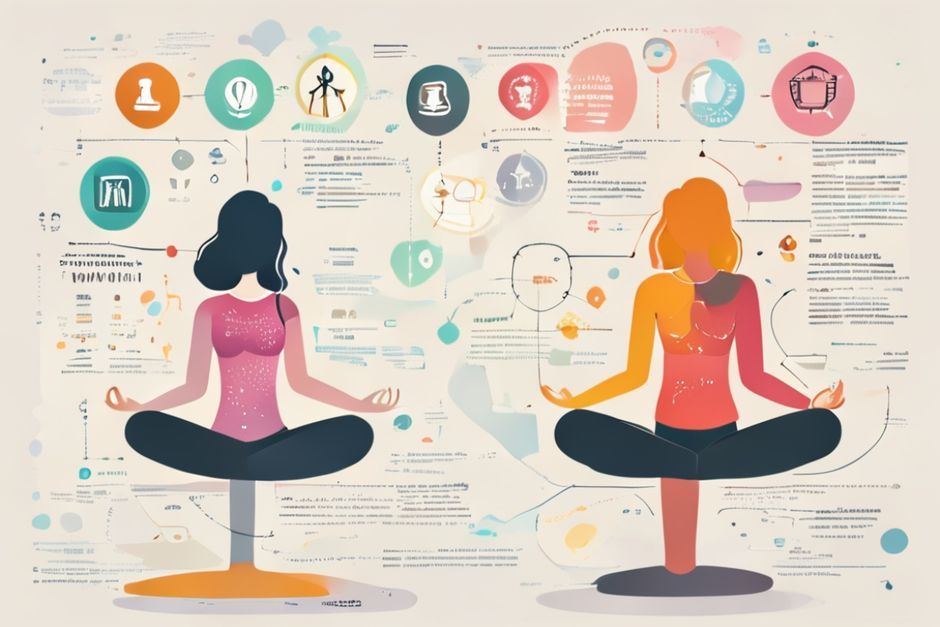
If you’re comparing Transcendental Meditation (TM) and mindfulness meditation, you’re likely seeking a practice that fits your lifestyle and goals. The core difference is this: Mindfulness involves actively observing your present-moment thoughts and feelings without judgment, while TM uses a silent mantra to effortlessly transcend thought, promoting deep rest. Both practices offer profound benefits for mental wellbeing, but they approach meditation from fundamentally different angles. This comprehensive guide will break down exactly what sets them apart, their unique benefits, and how to determine which path aligns with your personality and objectives.

Understanding the Foundations: Two Philosophies, Two Approaches
Before diving into the comparison, it’s essential to understand the philosophical underpinnings of each practice. While both aim to cultivate mental peace and awareness, their approaches stem from different traditions and operate on distinct principles.
What Is Mindfulness Meditation?
Mindfulness meditation is the practice of purposefully paying attention to the present moment without judgment. It’s about cultivating awareness of what’s happening right here, right now—whether that’s your breath, bodily sensations, thoughts, or the environment around you.
Originating from Buddhist traditions dating back over 2,500 years, mindfulness has been widely secularized in contemporary practice. You don’t need to adopt any spiritual beliefs to benefit from mindfulness—it’s fundamentally a mental training technique.
The core principle of mindfulness is learning to observe your experience without getting caught up in it. When a thought arises, you acknowledge it without following it down a rabbit hole. When an emotion surfaces, you notice it without needing to suppress or express it. This creates a space between stimulus and response, giving you more choice in how you engage with your experience.
One of the most accessible mindfulness techniques is the meditazione di scansione corporea, which you can explore through this pdf dello script per la scansione corporea di 5 minuti.
What Is Transcendental Meditation (TM)?
Transcendental Meditation is a specific technique that involves silently repeating a personalized mantra to settle the mind into a state of restful alertness. Unlike mindfulness, TM doesn’t involve monitoring thoughts, controlling the mind, or concentrating. The practice is designed to be effortless—you simply think the mantra and allow your mind to naturally transcend toward quieter states of consciousness.
Developed by Maharishi Mahesh Yogi in the 1950s and derived from the ancient Vedic tradition of India, TM is taught through a standardized course by certified instructors. The technique gained popularity in the 1960s when The Beatles and other celebrities began practicing it.
The fundamental principle of TM is that by using a specific mantra assigned personally to you by a trained teacher, your mind can naturally settle inward, beyond the surface level of thinking, to experience what practitioners call “transcendental consciousness”—a state of pure awareness without content.
While TM traditionally involves a financial investment for proper instruction, you can learn about free TM resources to explore this practice further.
Head-to-Head Comparison: Key Differences Explained
Now that we understand the basic principles of each practice, let’s examine how they differ across several key dimensions. This comparison will help you identify which approach might better suit your temperament and goals.
Techniques & Mental Focus
The technical differences between these practices represent their most significant distinction:
Mindfulness Meditation typically involves:
– Anchoring attention on a specific object of focus (commonly the breath)
– Noticing when the mind has wandered
– Gently returning attention to the anchor without judgment
– Expanding awareness to include thoughts, emotions, and bodily sensations
– Developing a stance of curious observation toward all experience
Transcendental Meditation employs a different approach:
– Using a personalized mantra (a specific sound or vibration) provided by a teacher
– Allowing the mantra to repeat naturally in the mind without concentration or effort
– Settling inward as the mantra becomes increasingly subtle
– Eventually transcending the mantra itself to experience pure consciousness
– The practice is described as effortless and automatic
Goals & Primary Benefits
While both practices reduce stress and enhance wellbeing, they emphasize different outcomes:
Mindfulness Meditation aims to:
– Cultivate present-moment awareness in daily life
– Develop emotional regulation and resilience
– Reduce reactivity to challenging thoughts and feelings
– Enhance focus and concentration
– Foster acceptance and equanimity
Research has particularly supported mindfulness for managing anxiety, as it provides tools to work with anxious thoughts as they arise. If this is your primary concern, you might explore these meditazione guidata per l'ansia .
Transcendental Meditation focuses on:
– Providing deep rest and dissolving accumulated stress
– Potenziare la creatività e le capacità di problem-solving
– Promuovere uno sviluppo cerebrale olistico
– Aumentare l'energia e la vitalità
– Accedere a stati di coscienza più profondi
Gli studi sulla MT hanno dimostrato riduzioni significative del cortisolo (l'ormone dello stress), una pressione sanguigna più bassa e un miglioramento del benessere psicologico.
Apprendimento e Accessibilità
Il modo in cui si apprende ciascuna pratica differisce considerevolmente:
Mindfulness Meditation offre molteplici punti di ingresso:
– Autoapprendimento tramite libri, app e risorse online
– Può essere praticata in gruppo o individualmente
– Sono disponibili varie tradizioni e approcci
– Altamente adattabile a diversi programmi e stili di vita
– Sono disponibili molte risorse gratuite o a basso costo
Se sei nuovo alla pratica, inizia comprendendo la meditazione guidata come punto di accesso accessibile.
Transcendental Meditation segue un percorso più strutturato:
– Tradizionalmente appresa attraverso un corso standardizzato in 7 fasi
– Richiede l'istruzione da parte di un insegnante certificato di MT
– Comprende l'assegnazione di un mantra personale
– Include sessioni di follow-up e supporto
– Tipicamente comporta un pagamento una tantum per l'accesso a vita alle risorse
Tempo e Pratica Quotidiana
L'impegno richiesto per ciascuna pratica varia:
Mindfulness Meditation è notevolmente flessibile:
– Può essere praticata per qualsiasi durata—da un minuto a diverse ore
– La pratica formale da seduti può essere integrata da pratica informale durante la giornata
– Può essere integrata in attività quotidiane come camminare, mangiare o spostarsi
– Nessuna regola rigida riguardo a tempistiche o frequenza
Per chi ha tempo limitato, una meditazione di 5 minuti può essere un modo eccellente per stabilire una pratica costante.
Transcendental Meditation segue un protocollo specifico:
– Praticata per 20 minuti, due volte al giorno
– Tipicamente eseguita al mattino prima della colazione e nel tardo pomeriggio
– Richiede di sedersi comodamente con gli occhi chiusi
– La tempistica standardizzata è considerata importante per risultati ottimali
Quale Pratica di Meditazione è Giusta per Te?
Ora che abbiamo confrontato queste pratiche in dettaglio, come si determina quale sia in linea con la tua personalità, obiettivi e stile di vita? Considera le seguenti linee guida:
Scegli la Meditazione di Consapevolezza Se...
- Vuoi comprendere e gestire i tuoi schemi di pensiero: La consapevolezza fornisce strumenti eccellenti per lavorare con pensieri ed emozioni difficili.
- Cerchi strumenti per gestire lo stress e l'ansia in tempo reale: Le abilità sviluppate nella pratica della consapevolezza possono essere applicate durante tutta la giornata ogni volta che si presentano situazioni impegnative.
- Preferisci una pratica flessibile e autogestita: La consapevolezza può essere adattata a qualsiasi programma e non richiede istruzione formale o investimenti finanziari.
- Dài valore alla comprensione del “come” e del “perché” dietro la tua pratica: La consapevolezza incoraggia l'indagine e la curiosità riguardo ai tuoi processi mentali.
- Vuoi potenziare la tua presenza nelle attività quotidiane: La consapevolezza può essere portata nel mangiare, nella conversazione, nel lavoro e praticamente in qualsiasi altra attività.
Quando lo stress sorge inaspettatamente, avere uno strumento rapido può essere inestimabile—considera di imparare questo esercizio di respirazione di 1 minuto per una calma immediata.
Scegli la Meditazione Trascendentale Se...
- Cerchi un rilassamento profondo e sistemico e un rilascio dello stress: La MT è particolarmente efficace per accedere a stati di riposo profondo.
- Preferisci una tecnica strutturata e standardizzata senza concentrazione attiva: La natura senza sforzo della MT attrae chi non vuole “lavorare” durante la meditazione.
- Ti trovi a tuo agio con un processo di apprendimento formale e guidato: La MT richiede un'istruzione iniziale da parte di un insegnante certificato.
- Dài valore alla tradizione e a una metodologia specifica: La MT è rimasta largamente invariata nel suo insegnamento per decenni.
- Vuoi una pratica che non richieda di monitorare i pensieri: La MT ti permette di trascendere il pensiero piuttosto che osservarlo.
Iniziare con la Tua Pratica
Whichever path you choose, the most important step is to begin. Here are practical ways to start exploring each practice:
Your First Steps Into Mindfulness
- Inizia in piccolo: Begin with just 5-10 minutes daily rather than attempting longer sessions that might be difficult to maintain.
- Use guided meditations: Apps and online resources can provide helpful structure and instruction, especially when beginning.
- Establish a consistent time: Linking your practice to an existing habit (like after brushing your teeth) can help with consistency.
- Be patient and kind to yourself: It’s normal for the mind to wander—the practice is in gently returning, not in maintaining perfect focus.
A perfect starting point is this sessione di mindfulness di 10 minuti session designed specifically for beginners.
Exploring Transcendental Meditation Further
- Research official TM organizations: The Transcendental Meditation program has a structured teaching method with certified instructors worldwide.
- Attend a free introductory lecture: These sessions provide an overview of the technique and research behind it.
- Consider the investment: While TM involves financial commitment, many practitioners find the structured learning and ongoing support valuable.
- Connect with current practitioners: Speaking with people who practice TM can give you insight into the experience.
To find instruction near you, you can search for meditation teachers near me who specialize in Transcendental Meditation.

Domande Frequenti (FAQ)
Q: Can I practice both TM and mindfulness?
A: Yes, many people do. They are complementary rather than contradictory. TM provides deep rest and stress release, while mindfulness cultivates daily awareness and presence. Some people practice TM twice daily and bring mindfulness to their activities throughout the day.
Q: Which is better for anxiety: mindfulness or TM?
A: Both are highly effective for anxiety, and research supports both approaches. Mindfulness gives you tools to manage anxious thoughts as they arise, developing a different relationship with worry. TM helps reduce the underlying physiological stress that contributes to anxiety. The “better” option depends on whether you prefer working directly with anxious thoughts (mindfulness) or accessing a state that naturally reduces anxiety (TM). For more options, you can explore these pratiche di meditazione per l'ansia.
Q: Is TM really worth the cost?
A: This is subjective and depends on your resources and commitment. The cost covers personalized instruction from a certified teacher, follow-up sessions, and lifetime support. For many, the financial investment increases their commitment to the practice. Mindfulness has a much lower barrier to entry with many free resources available, though some people find the structure of TM helpful for consistency.
Q: How do I know if I’m meditating correctly?
A: In mindfulness, there’s no “wrong” way as long as you gently return your focus when you notice it has wandered. The attitude of kindness and curiosity is more important than perfect focus. In TM, correct practice is ensured through proper instruction from a qualified teacher. Generally, signs of effective practice in either method include increased calm, better stress management, improved sleep, and greater presence in daily life. For guidance on establishing consistency, these tips for establishing a consistent practice may be helpful.
Conclusione
Both mindfulness and Transcendental Meditation offer powerful pathways to greater peace, clarity, and wellbeing. The core distinction remains: mindfulness cultivates active awareness of the present moment, while TM uses a mantra to facilitate effortless transcending of thought.
Your choice ultimately depends on your personality, goals, and learning preferences. If you value flexibility, understanding your mind, and having tools for daily stress, mindfulness may be your ideal path. If you prefer a structured, effortless technique focused on deep rest and stress release, TM might better suit you.
Remember that the “best” meditation practice is the one you’ll actually do consistently. Both traditions have helped millions of people worldwide find greater peace and fulfillment.
Ready to experience the benefits for yourself? Regardless of the path you choose, the most important step is to begin. Explore our library of migliori meditazioni guidate sessions to start your journey today.
METADATA_START—
CATEGORIA: Mindfulness per Principianti
DISPLAY_TITLE: Mindful Meditation vs Transcendental: Choosing Your Practice
SEO_TITLE: Mindful vs Transcendental Meditation: Key Differences | 2025 Guide
META_DESC: Confused between mindful meditation vs transcendental? Our 2025 guide breaks down techniques, benefits & costs to help you choose the right practice.
IMG_PROMPT: A split scene showing two meditation approaches: left side shows mindfulness with person aware of surroundings, right side shows transcendental meditation with person in deep inner focus
IMG_ALT: Comparative visualization of mindful meditation vs transcendental meditation techniques and approaches
IMG_TITLE: mindful meditation vs transcendental – Visual Comparison
IMG_CAPTION: Two paths to peace: understanding the difference between mindful awareness and transcendental depth
IMG_DESC: This comparative illustration shows the distinct approaches of mindfulness meditation (observing present experience) and transcendental meditation (using a mantra to transcend thought)
—METADATA_END—