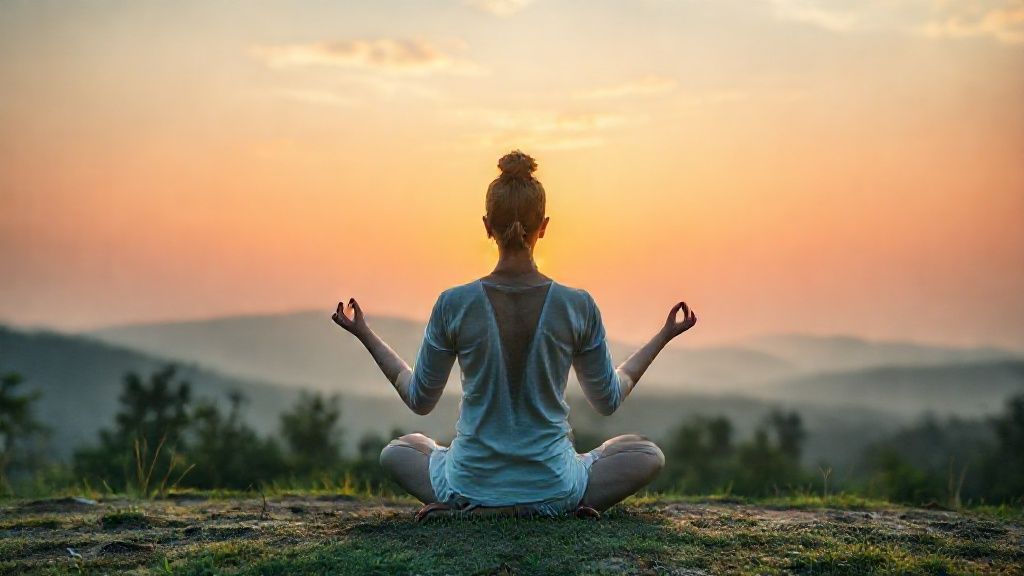
Finding Your Foundation: The Ultimate Guide to Buddhist Meditation Posture
Have you ever tried to meditate but found your mind racing, your back aching, or your legs falling asleep? You’re not alone. Many practitioners struggle with physical discomfort that distracts from their mental practice. The secret to a deeper, more comfortable meditation might not be in your mind, but in your posture.
A Buddhist meditation posture is a specific alignment of the body designed to promote alertness, stability, and mental clarity. The most recognized postures include the full lotus, half-lotus, Burmese, and Seiza, all of which prioritize a straight, relaxed spine to facilitate the free flow of energy and awareness.

Why Posture Is the Cornerstone of Buddhist Meditation
In Buddhist tradition, the body and mind are not separate entities but interconnected aspects of our experience. The physical container we create through posture directly influences the quality of our mental state. Think of your posture as the foundation of a house—without a stable base, the entire structure becomes shaky and unstable.
The Link Between Spine and Mind
Your spinal alignment serves as the central channel connecting physical stability to mental clarity. When you sit with a slumped back, your breathing becomes constricted and your mind tends toward drowsiness or distraction. An upright spine supports an alert, attentive mind by allowing your diaphragm to move freely and your nervous system to remain balanced between relaxation and vigilance.
Stability for Inner Exploration
Physical stability creates a container for emotional and mental stability. When your body feels grounded and secure, your mind can more easily settle into the present moment. This external steadiness provides the confidence to explore internal landscapes—thoughts, emotions, and sensations—without being swept away by them.
Facilitating the Flow of Energy (Prana)
In many Eastern traditions, the body contains subtle energy channels through which life force (known as prana or chi) flows. A proper meditation posture helps keep these channels open and aligned, allowing energy to circulate freely rather than becoming blocked or stagnant. This energetic balance supports deeper states of concentration and insight.
The 7 Essential Points of Posture: A Traditional Framework
The Buddha himself provided guidance on meditation posture, and these seven points have been refined over centuries by meditation masters across Buddhist traditions. Together, they create an integrated system that supports both physical comfort and mental awakening.
1. The Foundation: Seat & Legs (The Asana)
Your sitting base determines everything that follows. The ideal position provides three points of contact with the ground, creating a stable triangular foundation. Here are the primary positions, from most to least traditional:
- Full Lotus (Padmasana): Each foot rests on the opposite thigh, soles facing upward. This creates an extremely stable base but requires significant hip flexibility.
- Half-Lotus (Ardha Padmasana): One foot rests on the opposite thigh, while the other foot rests beneath the opposite knee. This offers similar stability with less flexibility required.
- Burmese Position: Both legs are folded in front of you with feet resting on the floor. This is often the most accessible cross-legged position for Western practitioners.
- Seiza (Kneeling): Kneeling with a meditation bench or cushion between your legs. Excellent for those with hip issues.
- Using a Chair: Sitting forward on a chair with feet flat on the floor and spine unsupported. Perfect for those with physical limitations.
Remember: comfort and a stable base are more important than achieving a “perfect” pose.
2. The Pillar: A Straight, Relaxed Spine
This is arguably the most crucial element. Your spine should be upright but not rigid, maintaining its natural S-curves. Imagine your vertebrae stacking gently one upon another, with the crown of your head reaching toward the sky. To find this alignment, gently rock forward and backward until you find the point where your body naturally balances with minimal muscular effort.
If you’re struggling with physical tension, our guided meditation for releasing physical tension can help you develop greater body awareness.
3. The Gateway: Hand Position (Mudra)
The classic Cosmic Mudra involves resting your hands in your lap, right palm cradled in left palm, with thumbs lightly touching to form an oval. This position symbolizes the integration of wisdom (right hand) and method (left hand), with the thumb connection maintaining just enough tension to keep you alert. Your hands should rest comfortably against your lower abdomen, about two finger-widths below your navel.
4. The Window: Softly Gazing Eyes
In most Buddhist traditions, eyes remain partially open, gazing softly downward at a 45-degree angle about three to four feet in front of you. This prevents drowsiness and maintains connection with your environment while minimizing visual distraction. If keeping eyes open feels too stimulating, you can begin with closed eyes and gradually work toward this practice.
5. The Alignment: Chin Slightly Tucked
Gently tucking your chin aligns your cervical spine and supports alertness. Imagine you’re holding a peach between your chin and your throat—enough space to breathe, but not so much that your head juts forward. This subtle adjustment prevents neck strain and supports the natural curvature of your spine.
6. The Anchor: Relaxed Shoulders
Many of us carry tension in our shoulders. Roll your shoulders up toward your ears, then back and down, settling into a natural, relaxed position. Your shoulder blades should gently draw toward each other, opening your chest slightly. This position allows for full, unrestricted breathing.
7. The Lock: Tongue on the Roof of the Mouth
Place the tip of your tongue lightly against the roof of your mouth, just behind your front teeth. This subtle energetic seal helps prevent excessive salivation and connects the central energy channels in your body. In some traditions, this is believed to prevent the dissipation of subtle energies during meditation.

Choosing Your Perfect Posture: A Practical Guide
With so many options, how do you choose what’s right for your body? Let’s explore which positions work best for different needs and body types.
For the Flexible Practitioner: Lotus & Half-Lotus
If you have open hips and flexible joints, the lotus positions offer exceptional stability. The locked leg position creates an immovable base that can support long meditation sessions. However, never force these positions—the goal is comfort, not achievement. If you feel any sharp pain in your knees or hips, immediately switch to a gentler position.
For Most Meditators: The Burmese Position
The Burmese position offers the stability of cross-legged sitting without requiring extreme flexibility. Both knees can comfortably reach the ground, creating a solid triangular base. This is often the ideal starting point for those new to floor sitting and remains the preferred position for many experienced practitioners.
For Those with Knee or Hip Issues: Seiza (Kneeling)
The Seiza position removes pressure from the hips and knees by directing your weight downward through your shins. Using a meditation bench elevates your seat, preventing compression in your ankles and feet. This position naturally encourages an upright spine and is excellent for those with physical limitations.
To complement your posture practice, try our 5-minute body scan meditation to develop greater awareness of physical sensations.
Accessible to All: Meditation on a Chair
Chair meditation is a completely valid approach that anyone can practice. Choose a straight-backed chair and sit forward so your spine supports itself. Keep your feet flat on the floor, hip-width apart, with knees directly above ankles. You may place a cushion behind your lower back for support, but avoid leaning heavily against the chair back.
Common Posture Mistakes and How to Fix Them
Even with the best intentions, it’s easy to develop habits that undermine your meditation practice. Here are the most common posture mistakes and how to correct them.
Slouching vs. a Relaxed Spine
The Problem: Collapsing forward, rounding the shoulders, and tucking the pelvis under. This compresses the diaphragm and encourages mental dullness.
The Fix: Imagine a string attached to the crown of your head, gently pulling upward. Rock your pelvis slightly forward until you find the natural balance point where your spine supports itself with minimal effort.
Forzare la Posizione del Loto (e Rischio di Infortunio)
The Problem: Spingersi oltre il dolore per raggiungere quella che sembra una postura di meditazione “corretta”, rischiando potenzialmente danni alle ginocchia o all'anca.
The Fix: Rispetta i limiti del tuo corpo. Scegli una posizione che ti permetta di sederti comodamente per il tempo di meditazione previsto. Ricorda che stabilità e comfort sono sempre più importanti dell'apparenza.
Contrarre la Mascella e le Spalle
The Problem: Serrare inconsciamente i muscoli della mascella o sollevare le spalle verso le orecchie, creando tensioni inutili che distraggono dalla meditazione.
The Fix: Scandisci periodicamente il tuo corpo alla ricerca di tensioni durante la meditazione. Rilassa consapevolmente la mascella, lasciando un piccolo spazio tra i denti superiori e inferiori. Lascia che le spalle cadano lontano dalle orecchie.
Se la tensione fisica deriva da ansia mentale, la nostra meditazione guidata per l'ansia può aiutare ad affrontare entrambe simultaneamente.
Sostenere la Tua Pratica: Supporti e Preparazione
I giusti supporti possono trasformare la tua esperienza di meditazione da una fatica a un piacere. Ecco i supporti essenziali che possono aiutarti a mantenere un corretto allineamento.
Cuscini per Meditazione (Zafu): Questi cuscini rotondi e rigidi elevano i fianchi sopra le ginocchia, permettendo al bacino di inclinarsi in avanti naturalmente. Ciò aiuta a mantenere la curva naturale della colonna vertebrale senza sforzo muscolare.
Panche per Meditazione: Per le posizioni in ginocchio, una panca da meditazione offre un eccellente supporto incoraggiando al contempo il corretto allineamento spinale. La seduta inclinata fa inclinare automaticamente il bacino in avanti.
Coperte e Tappetini: Un tappetino da yoga o un tappeto sotto caviglie e ginocchia fornisce imbottitura, mentre coperte piegate possono regolare l'altezza o offrire supporto aggiuntivo.
Per una guida personalizzata su postura e tecnica, considera di visitare uno dei nostri consigliati centri di meditazione vicini a te.

Oltre il Cuscino: Integrare la Consapevolezza Posturale
I benefici di una corretta postura di meditazione si estendono ben oltre la tua pratica formale. La consapevolezza che coltivi sul cuscino può trasformare il modo in cui ti porti durante tutta la giornata.
Nota la tua postura mentre lavori al computer, fai la fila o cammini per strada. Valgono gli stessi principi: una colonna vertebrale eretta ma rilassata, spalle rilasciate lontano dalle orecchie, mento leggermente rientrato. Questa continua consapevolezza posturale trasforma l'intera tua giornata in un'opportunità di pratica.
Per saperne di più su come portare la consapevolezza in tutti gli aspetti della tua vita, esplora la nostra guida su cos'è la meditazione guidata e su come può sostenere la tua pratica.
Domande Frequenti (FAQ)
D: Qual è la parte più importante di una postura di meditazione buddista?
R: Una colonna vertebrale dritta ma rilassata è fondamentale, poiché bilancia vigilanza e rilassamento, permettendo una concentrazione più profonda. Tutti gli altri elementi supportano questo allineamento centrale.
D: Non riesco a sedermi a gambe incrociate. Va bene meditare su una sedia?
R: Assolutamente sì. L'essenza della postura è l'allineamento della colonna vertebrale, non la posizione delle gambe. Usare una sedia è un modo completamente valido ed efficace per praticare. Molti rinomati insegnanti di meditazione insegnano regolarmente la meditazione sulla sedia.
D: Per quanto tempo dovrei cercare di mantenere una postura di meditazione?
R: Inizia in piccolo. È meglio mantenere una postura corretta per 5 minuti che una dolorosa per 20. Man mano che il tuo corpo si adatta, estendi gradualmente il tempo di seduta. Puoi iniziare con una breve meditazione guidata di 5 minuti per costruire comodamente la tua resistenza posturale.
D: La postura influisce davvero sulla qualità della mia meditazione?
R: Sì, in modo significativo. Una postura stabile e comoda riduce le distrazioni fisiche, permettendoti di focalizzare la consapevolezza verso l'interno, portando a una mente più calma e concentrata. Il contenitore fisico influenza direttamente la tua esperienza mentale ed emotiva. Per sperimentare direttamente questa connessione, prova una meditazione per la pace che incorpora questi principi posturali.
Conclusione e Invito all'Azione
La tua postura di meditazione è molto più di come ti siedi: è il fondamento su cui è costruita tutta la tua pratica. I sette punti della postura creano un sistema integrato che supporta vigilanza, stabilità e chiarezza mentale. Ricorda che trovare una posizione sostenibile e comoda è un viaggio personale, non si tratta di raggiungere una forma idealizzata.
La tua postura è il fondamento della tua pratica. Non limitarti a leggerne: vivila. Ti incoraggiamo a preparare il tuo posto di seduta oggi. Per una pratica strutturata che incorpora questi principi posturali, inizia il tuo viaggio di meditazione guidata qui con le nostre sessioni appositamente progettate per principianti.