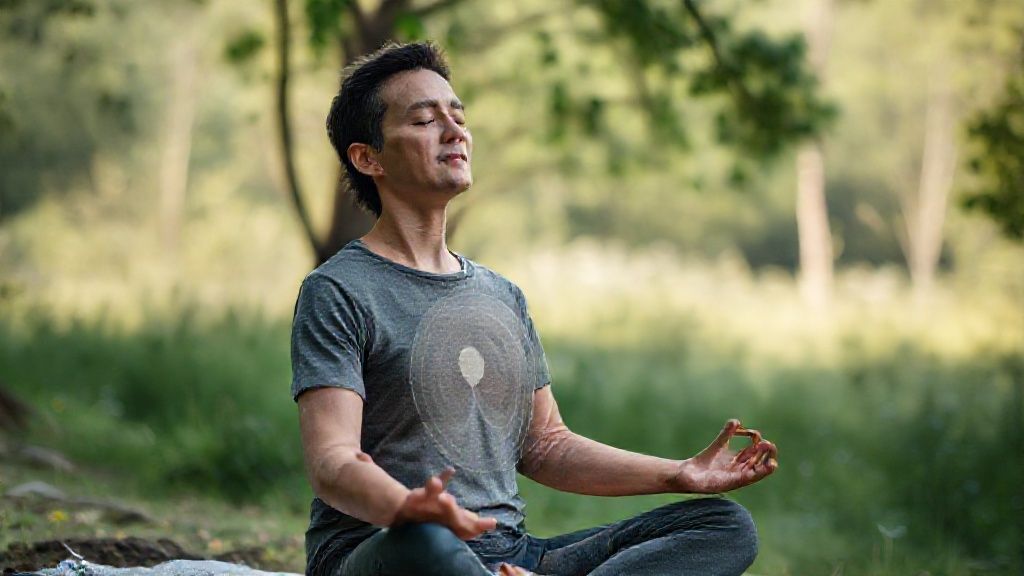
Regolazione del Respiro: La Guida Definitiva per Controllare il Tuo Respiro e Raggiungere l'Immediata Calma - Vita

That moment when your heart starts racing, your thoughts spiral, and you notice your breathing has become shallow and rapid—we’ve all been there. Whether it’s a tight deadline, a difficult conversation, or just the cumulative stress of modern life, our bodies often signal distress through our breath before our minds even catch up.
Breath regulation is the conscious practice of controlling the pace, depth, and pattern of your breathing to directly influence your nervous system. It is a foundational tool used in meditation, yoga, and modern psychology to reduce stress, improve focus, and enhance overall well-being.
This comprehensive guide will demystify the science behind why something as simple as breathing differently can transform your mental and physical state. More importantly, we’ll provide practical, accessible techniques you can implement anywhere—from a 1-minute exercise at your desk to a dedicated 20-minute meditation session.
Why Breath Regulation Works: The Science of Breathing
To understand why breath regulation is so powerful, we need to explore the autonomic nervous system—the part of your body that controls automatic functions like heartbeat, digestion, and yes, breathing.
Your autonomic nervous system has two main components: the sympathetic nervous system (your “fight or flight” response) and the parasympathetic nervous system (your “rest and digest” mode). When you’re stressed, anxious, or in danger, your sympathetic nervous system kicks in, releasing cortisol and adrenaline, increasing your heart rate, and preparing your body for action. This is why stress makes your breathing rapid and shallow—your body thinks it needs extra oxygen for fighting or fleeing.
The remarkable thing about breathing is that it’s unique among autonomic functions: it happens automatically, but we can also control it consciously. This gives us a rare opportunity—we can use controlled breathing as a manual override to signal our brain to switch from sympathetic to parasympathetic dominance.
When you practice slow, deep, regulated breathing, you’re essentially sending a message to your brain: “Everything is safe. We can relax now.” This triggers a cascade of physiological changes:
- Lowered heart rate and blood pressure
- Reduced cortisol levels (the primary stress hormone)
- Increased oxygen delivery to your brain and tissues
- Improved heart rate variability (a key marker of resilience)
- Activation of the vagus nerve, which plays a crucial role in calming your entire system
The benefits extend beyond momentary relaxation. Regular practice can rewire your nervous system to be more resilient to stress, improve your focus and cognitive function, and even enhance emotional regulation.
Foundational Breath Regulation Techniques to Start With
Diaphragmatic Breathing (Belly Breathing)
Diaphragmatic breathing, often called “belly breathing,” is the cornerstone of most breath regulation practices. It ensures you’re breathing deeply and efficiently, engaging your diaphragm—the dome-shaped muscle at the base of your lungs.
Step-by-Step Instructions:
- Find a comfortable position, either sitting upright with your back straight or lying on your back.
- Place one hand on your chest and the other on your belly.
- Inhale slowly through your nose for about 4 seconds, focusing on expanding your belly rather than your chest. The hand on your belly should rise, while the hand on your chest remains relatively still.
- Exhale slowly through your mouth or nose for about 6 seconds, feeling your belly fall.
- Continue this pattern for 5-10 cycles, maintaining your focus on the rise and fall of your belly.
For those dealing with anxiety, this technique is a core component of diaphragmatic breathing for anxiety.
The 4-7-8 Breathing Method for Sleep & Relaxation
Developed by Dr. Andrew Weil, the 4-7-8 technique is particularly effective for calming the nervous system and preparing for sleep. The extended exhalation is key to activating the parasympathetic response.
Step-by-Step Instructions:
- Sit with your back straight or lie down in bed.
- Place the tip of your tongue against the ridge of tissue behind your upper front teeth and keep it there throughout the exercise.
- Exhale completely through your mouth, making a whoosh sound.
- Close your mouth and inhale quietly through your nose for a count of 4.
- Hold your breath for a count of 7.
- Exhale completely through your mouth, making a whoosh sound, for a count of 8.
- This completes one cycle. Repeat for 3-4 cycles to start, gradually working up to 8 cycles.
This technique is perfect to incorporate into a nightly wind-down routine. Pair it with a dedicated meditazione guidata per il sonno for deeper rest.

Integrating Breath Regulation into Your Daily Life
The true power of breath regulation emerges when you move beyond occasional practice and integrate it into your daily routine. Here’s how to make breath work a natural part of your life.
For Instant Stress Relief (Under 5 Minutes)
When stress strikes unexpectedly, you don’t need a 30-minute meditation session to regain your equilibrium. Brief breath regulation practices can provide immediate relief.
The 1-Minute Reset: When you feel overwhelmed, pause and take just three deep, conscious breaths. Inhale for four counts, exhale for six counts. This simple practice can interrupt the stress response and give you a moment of clarity.
If you only have a moment, this esercizio di respirazione di 1 minuto is perfect.
The 5-Minute Reset: Find a quiet space (even a bathroom stall will work), set a timer for five minutes, and practice diaphragmatic breathing or the 4-7-8 method. This gives your nervous system enough time to shift into a calmer state.
For a slightly longer reset, follow this meditazione guidata di 5 minuti.
For a Focused Morning Routine
How you start your day often sets the tone for everything that follows. Incorporating breath regulation into your morning routine can help you approach the day with intention and calm clarity.
Try this: Before checking your phone or email, take five minutes for conscious breathing. Sit by a window if possible, and practice diaphragmatic breathing while setting an intention for your day. This simple practice can prevent you from being immediately reactive and instead help you approach your day proactively.
Start your day with clarity using a specific routine mattutina di meditazione guidata di 5 minuti.
For Managing Anxiety and Overthinking
When anxious thoughts begin to spiral, breath regulation serves as an anchor to the present moment. The physical sensation of breathing provides something tangible to focus on when your mind feels out of control.
The Anxiety Interruption Technique: When you notice anxiety building, immediately shift your attention to your breath. Don’t try to change it at first—just observe it. Then gradually begin to lengthen your exhalations. The extended exhalation is particularly effective for calming the nervous system.
Position breath work as a first-response tool for anxious thoughts. When feeling overwhelmed, a structured session can be incredibly helpful. Try this meditazione guidata di 20 minuti per ansia e rimuginio.
For Preparing for Sleep
Many people struggle with “monkey mind” at bedtime—when your thoughts won’t quiet down enough for sleep to come. Breath regulation is one of the most effective tools for transitioning from wakefulness to rest.
The Bedtime Breath Practice: Una volta a letto, spegni tutti gli schermi e le luci. Inizia con 5-10 cicli del metodo di respirazione 4-7-8. Se la tua mente vaga, riporta delicatamente l'attenzione sul conteggio e sulla sensazione del respiro. Questa pratica non solo calma il tuo sistema nervoso, ma offre anche alla tua mente indaffarata un compito semplice e ripetitivo su cui concentrarsi, invece di ruminare.
Combina queste tecniche di respirazione con una scansione corporea per rilasciare le tensioni fisiche. Scopri come in questo meditazione di scansione corporea per il sonno.

Approfondire la Tua Pratica con la Meditazione Guidata
Sebbene la regolazione del respiro possa essere praticata in autonomia, le meditazioni guidate possono migliorare significativamente la tua pratica—specialmente quando stai iniziando o desideri approfondire una pratica esistente.
Le meditazioni guidate forniscono una struttura e rimuovono il carico mentale dell'auto-guidarsi, permettendoti di concentrarti unicamente sul respiro e sul momento presente. Una guida esperta può offrire suggerimenti sottili che ti aiutano a notare aspetti della tua esperienza che altrimenti potresti trascurare.
Sessioni Brevi (5-10 Minuti)
Le brevi sessioni guidate sono perfette per stabilire una routine costante, specialmente nei giorni più impegnativi. Sono abbastanza lunghe da creare un cambiamento percettibile nel tuo stato, ma abbastanza brevi da inserirsi anche negli orari più pieni.
Sei nuovo alla pratica? Una breve breve meditazione guidata è un modo eccellente per iniziare.
Per un rapido reset dall'ansia, questa meditazione di 10 minuti per l'ansia è molto efficace.
Sessioni Lunghe (15-20 Minuti)
Le sessioni guidate più lunghe consentono un'esplorazione più profonda della regolazione del respiro. Danno al tuo sistema nervoso ampio tempo per assestarsi in uno stato di profondo rilassamento e possono essere particolarmente trasformative se praticate con regolarità.
Per costruire resilienza e calmare profondamente il tuo sistema nervoso, una sessione più lunga come questa meditazione mindfulness di 20 minuti è ideale.
FAQ sulla Regolazione del Respiro (Ottimizzate per Ricerca Vocale)
Qual è la Migliore Tecnica di Respirazione per l'Ansia?
La respirazione diaframmatica e il metodo 4-7-8 sono molto efficaci per l'ansia. La chiave sono espirazioni lente e profonde che attivano direttamente la risposta di rilassamento del corpo. Per una sessione guidata dedicata esclusivamente a questo, prova questa meditazione guidata per l'ansia.
Come Posso Regolare il Mio Respiro per Dormire?
Concentrati su tecniche che prolungano l'espirazione, come il metodo 4-7-8, e praticale mentre sei a letto per creare una forte associazione con il sonno. Una meditazione dedicata al sonno può guidarti in questo processo. Raccomandiamo questa meditazione guidata per il sonno profondo.
Quanto Tempo Occorre Perché la Regolazione del Respiro Faccia Effetto?
Puoi sentire un effetto calmante in appena 60-90 secondi. Una pratica quotidiana costante, anche di soli 5 minuti, costruisce una resilienza a lungo termine allo stress. Più pratichi regolarmente, più rapidamente ed efficacemente il tuo corpo risponderà alle tecniche di regolazione del respiro.
La Regolazione del Respiro Può Aiutare la Concentrazione?
Assolutamente sì. Calmando il sistema nervoso, la regolazione del respiro riduce il chiacchiericcio mentale e predispone il cervello a un'attenzione sostenuta, proprio come un esercizio di mindfulness. Migliora la tua concentrazione con specifiche esercizi per la concentrazione.

Conclusione e Invito all'Azione (CTA)
La regolazione del respiro è forse lo strumento più accessibile, potente e immediato che abbiamo per influenzare il nostro stato mentale ed emotivo. Non richiede attrezzature speciali, non costa nulla e può essere praticata ovunque, in qualsiasi momento. Più di una semplice tecnica di gestione dello stress, è un modo per riappropriarsi del controllo sul proprio sistema nervoso e coltivare una base di calma che supporta ogni aspetto della tua vita.
Le tecniche descritte in questa guida—dalle pratiche fondamentali come la respirazione diaframmatica alle applicazioni quotidiane integrate—offrono un percorso verso una maggiore resilienza, concentrazione e pace. Ma leggere sulla regolazione del respiro è solo il primo passo; la vera trasformazione avviene quando la rendi una pratica costante.
La tua chiamata all'azione è semplice: Scegli una tecnica di questa guida—forse il metodo 4-7-8 per il sonno o la respirazione diaframmatica per alleviare lo stress—e impegnati a praticarla oggi. Per un'esperienza completamente guidata per approfondire la tua pratica, esplora la nostra libreria di meditazioni guidate per ogni esigenza, dal sollievo dallo stress al sonno.
Pronto/a a provare una sessione guidata completa? Inizia con una delle nostre guide più popolari per una mente calma con questa meditazione guidata per una mente calma.