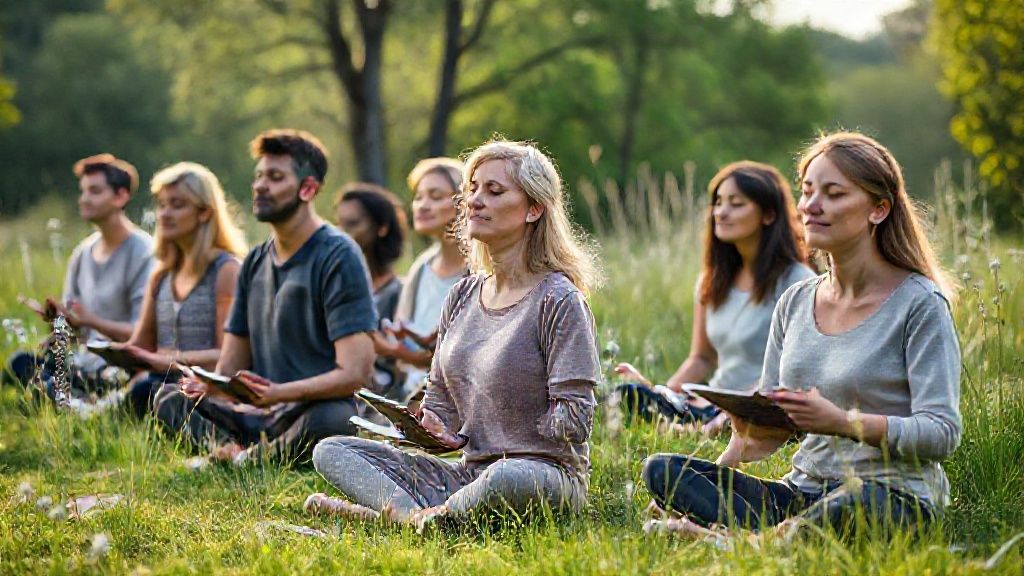
25 Attività Efficaci per Gestire l'Ansia (Supportate dalla Scienza)

That feeling is all too familiar: your heart races, your thoughts spiral, and your body tenses. Anxiety can feel like being trapped in a storm with no shelter in sight. But what if you had a toolkit of proven strategies to calm that storm? What if you could reclaim a sense of peace and control?
Anxiety is a natural response to stress, but when it becomes overwhelming, specific, actionable activities can provide immediate and long-term relief. These evidence-based techniques range from quick breathing exercises and mindfulness practices to physical movement and structured meditation, all designed to calm your nervous system and restore a sense of control.
In this comprehensive guide, we’ll explore 25 science-backed activities across multiple categories—from mindfulness and meditation to physical movement and creative expression—that can help you manage anxiety effectively.
Understanding Anxiety and How Activities Can Help
When you perceive a threat, your body activates its “fight or flight” response—an ancient survival mechanism that floods your system with stress hormones like cortisol and adrenaline. Your amygdala (the brain’s alarm system) sounds the alert, while your prefrontal cortex (responsible for rational thinking) takes a backseat.
The activities in this guide work by interrupting this anxiety cycle in several ways:
– They calm the overactive amygdala
– They engage the prefrontal cortex to restore rational thinking
– They regulate the nervous system through breath and movement
– They create new neural pathways that support calm instead of panic
Understanding this biological basis helps explain why these simple practices can be so profoundly effective.
Quick & Easy Mindfulness Activities for Instant Relief
When anxiety strikes suddenly, you need tools that work quickly. These mindfulness techniques can be done anywhere, in minutes, to bring you back to the present moment.
The 5-4-3-2-1 Grounding Technique
This powerful sensory exercise pulls you out of anxious thoughts and into your immediate environment. When you feel anxiety building:
- Name 5 things you can see (a lamp, a crack in the wall, your hands)
- Name 4 things you can feel (the chair beneath you, your clothing, the air on your skin)
- Name 3 things you can hear (the hum of a computer, distant traffic, your breath)
- Name 2 things you can smell (your shampoo, coffee, the air)
- Name 1 thing you can taste (the lingering flavor of your last meal, or simply the taste in your mouth)
This technique works by forcing your brain to focus on concrete sensory information rather than abstract worries. To practice a more structured version of this, use our 1 minute grounding meditation script.
One-Minute Breathing Space
Sometimes, all you need is sixty seconds of intentional breathing to reset your nervous system:
- Find a comfortable seated position or simply pause where you are
- Close your eyes if possible, or soften your gaze
- Bring your attention to your breath without trying to change it
- Notice the sensation of air entering and leaving your body
- If your mind wanders, gently return to the breath
- After one minute, slowly open your eyes and notice how you feel
For a slightly longer practice, try our guided esercizio di respirazione di 1 minuto.
The 5 Senses Mindfulness Exercise
Similar to grounding but more immersive, this practice helps you fully engage with your present-moment experience:
- Sight: Notice colors, shapes, light, and shadows without labeling
- Sound: Listen to nearby and distant sounds without judgment
- Smell: Bring awareness to any scents in your environment
- Touch: Notice textures, temperatures, and physical sensations
- Taste: Be aware of any tastes in your mouth or consider tasting something mindfully
Dive deeper into sensory awareness with these mindfulness dei 5 sensi exercises.

Meditation Practices for Lasting Calm
While quick techniques provide immediate relief, regular meditation builds your resilience to anxiety over time. Think of it as strength training for your mind.
Short Meditations for a Busy Schedule
You don’t need hours of silent sitting to benefit from meditation. Research shows that even brief, consistent practice can significantly reduce anxiety.
Five-minute practice: Set a timer for five minutes. Sit comfortably, close your eyes, and focus on your natural breath. When thoughts arise (and they will), acknowledge them without judgment and return to your breath. Ease into your practice with this Meditazione di 5 minuti per ansia e sonno.
Ten-minute practice: Extend your practice by incorporating a body awareness component. Spend the first five minutes focusing on breath, then gradually expand awareness to include physical sensations throughout your body. If you have 10 minutes, this meditazione di 10 minuti per l'ansia is perfectly tailored for relief.
Body Scan Meditations to Release Physical Tension
Anxiety doesn’t just live in your mind—it manifests as physical tension throughout your body. The body scan is a powerful technique for releasing this stored stress.
To practice:
1. Lie down or sit comfortably
2. Bring your attention to your feet, noticing any sensations
3. Slowly move your awareness up through your body—ankles, calves, knees, thighs
4. Continue scanning each body part with curious, non-judgmental awareness
5. When you notice tension, breathe into that area and imagine it releasing
Learn to release tension from head to toe with our pdf dello script per la scansione corporea di 5 minuti.
Guided Meditations for Focused Support
Guided meditations provide structure and direction, which can be especially helpful when you’re new to meditation or dealing with intense anxiety. The narrator’s voice gives your mind something to anchor to, making it easier to stay present.
For persistent, racing thoughts, this meditazione guidata di 20 minuti per ansia e rimuginio can be profoundly helpful.
Physical Activities to Burn Off Nervous Energy
Physical movement is one of the most effective ways to metabolize stress hormones and calm your nervous system. When anxiety has your body buzzing with unused energy, these activities provide a healthy outlet.
Diaphragmatic Breathing (Belly Breathing)
This isn’t just “taking deep breaths”—it’s a specific technique that activates the parasympathetic nervous system (your “rest and digest” mode).
How to practice:
1. Lie on your back with knees bent or sit comfortably
2. Place one hand on your chest, the other on your belly
3. Breathe in slowly through your nose, feeling your belly rise
4. Exhale slowly through pursed lips, feeling your belly fall
5. The hand on your chest should remain relatively still
Master the most effective breathing technique for anxiety with our guide to diaphragmatic breathing for anxiety.
Yoga and Gentle Movement
Yoga combines physical postures, breathing techniques, and meditation—making it a triple threat against anxiety. The focus on linking breath with movement creates a meditative state that soothes the nervous system.
Even simple stretches can release muscle tension that accumulates during anxious moments. Try gentle forward folds, chest-opening poses, or restorative postures like legs-up-the-wall.
Walking in Nature
The combination of rhythmic movement, fresh air, and natural surroundings makes walking in nature particularly effective for anxiety. Studies show that forest bathing (shinrin-yoku) can lower cortisol levels, reduce blood pressure, and improve mood.
Discover how a simple walk can combat low mood and worry in our article on camminata per la depressione.

Creative and Sensory Activities for Distraction and Focus
When anxious thoughts loop endlessly, engaging in creative activities can break the cycle by occupying your mind in a positive, flow-inducing way.
Journaling
Writing about your anxiety can provide perspective and emotional release. Try these approaches:
Stream-of-consciousness writing: Set a timer for 10 minutes and write continuously without editing or judging.
Gratitude journaling: List three things you’re grateful for each day—this practice literally rewires your brain to notice the positive.
Worry postponement: Designate a specific “worry time” each day and jot down anxious thoughts as they arise, saving them for that time.
Coloring or Doodling
The repetitive, focused nature of coloring or doodling creates a meditative state that calms the amygdala. The simplicity of the activity gives your overthinking mind a rest.
Listening to Calming Music
Music has direct access to our emotional brain centers. Slow-tempo music (around 60 beats per minute) can synchronize with brain waves to produce a calm, meditative state.
Create a soothing background atmosphere with our musica per meditazione di 10 minuti or this specially curated music for sleep and anxiety.
Building a Long-Term Anxiety Management Toolkit
While individual activities provide relief in the moment, the real transformation happens when you build a consistent practice that strengthens your resilience over time.
Developing a Consistent Meditation Habit
Consistency matters more than duration when building a meditation practice. Research shows that meditating for just 5-10 minutes daily is more beneficial than longer sessions done sporadically.
Tips for building consistency:
– Attach your practice to an existing habit (like after brushing your teeth)
– Start with just 2-5 minutes daily
– Use a meditation app for guidance and accountability
– Be compassionate with yourself when you miss a day
For beginners, finding the right guide is key. Start with the migliore meditazione guidata per l'ansia.
Using Technology Wisely: The Best Apps for Anxiety
While technology can contribute to anxiety, it can also be part of the solution when used intentionally. Meditation apps, breathing coaches, and mood trackers can provide valuable support.
Explore a range of supportive tools with our list of the best app gratuite per stress e ansia. For those focusing on sleep, we’ve also reviewed the top buone app per il sonno.
When to Seek Professional Help
While these activities are powerful tools for managing anxiety, they’re not a substitute for professional treatment when needed. Consider seeking help if:
- Anxiety significantly interferes with your daily life
- You experience panic attacks
- You’re using substances to cope
- You have thoughts of harming yourself
Se la tua ansia sembra ingestibile, scopri di più sulle migliore terapia per ansia e depressione.

Domande Frequenti sulle Attività per Ridurre l'Ansia
Qual è l'Attività Più Rapida per Ridurre l'Ansia?
L'esercizio di respirazione di 1 minuto o la tecnica di grounding 5-4-3-2-1. Entrambi possono fornire un sollievo immediato distogliendo la mente dal panico e attivando il sistema nervoso parasimpatico. Queste tecniche agiscono in pochi secondi o minuti e possono essere eseguite ovunque, rendendole ideali per i momenti di ansia acuta.
Quale Tipo di Meditazione è il Migliore per l'Ansia?
Le meditazioni guidate, i body scan e la meditazione mindfulness sono altamente efficaci in quanto forniscono una struttura e allenano il cervello a osservare i pensieri senza giudizio. La Riduzione dello Stress Basata sulla Mindfulness (MBSR) ha un supporto di ricerca particolarmente solido per la riduzione dell'ansia. Prova una sessione dalla nostra meditazione guidata per stress e ansia collezione.
L'Esercizio Fisico Può Davvero Aiutare con l'Ansia?
Assolutamente. L'attività fisica come camminata veloce, yoga o danza riduce gli ormoni dello stress come cortisolo e adrenalina e stimola le endorfine, gli elevatori naturali dell'umore del corpo. L'esercizio regolare migliora anche la qualità del sonno, aumenta l'autoefficacia e fornisce una distrazione sana dalle preoccupazioni, tutti fattori che contribuiscono a ridurre l'ansia.
Con Quale Frequenza Dovrei Praticare Queste Attività per Vedere Risultati?
La costanza è più importante della durata. Anche 5-10 minuti al giorno sono più benefici di un'ora una volta alla settimana. Cerca di incorporare una o due piccole pratiche nella tua routine quotidiana. La ricerca suggerisce che cambiamenti evidenti nei livelli di ansia si verificano tipicamente dopo 4-8 settimane di pratica costante, sebbene molte persone sperimentino benefici immediati dalle singole sessioni.
Conclusione e Invito all'Azione
Gestire l'ansia non significa eliminarla completamente, il che non è né possibile né desiderabile, poiché l'ansia svolge importanti funzioni protettive. Piuttosto, si tratta di sviluppare un kit di strategie che ti aiutino a rispondere all'ansia con abilità anziché esserne sopraffatto.
Le 25 attività in questa guida offrono molteplici percorsi verso la calma, dalle tecniche di grounding immediate alle pratiche di meditazione a lungo termine. Ciò che conta di più è trovare ciò che risuona con te e costruire una routine costante.
Ricorda che strumenti diversi funzionano per situazioni diverse. Potresti usare esercizi di respirazione per picchi improvvisi di ansia, la meditazione per la manutenzione quotidiana e attività creative quando ti senti bloccato nella ruminazione.
Pronto a costruire la tua calma personalizzata? Esplora la nostra libreria completa di script di meditazione guidata ed esercizi di mindfulness per trovare la pratica perfetta per te.