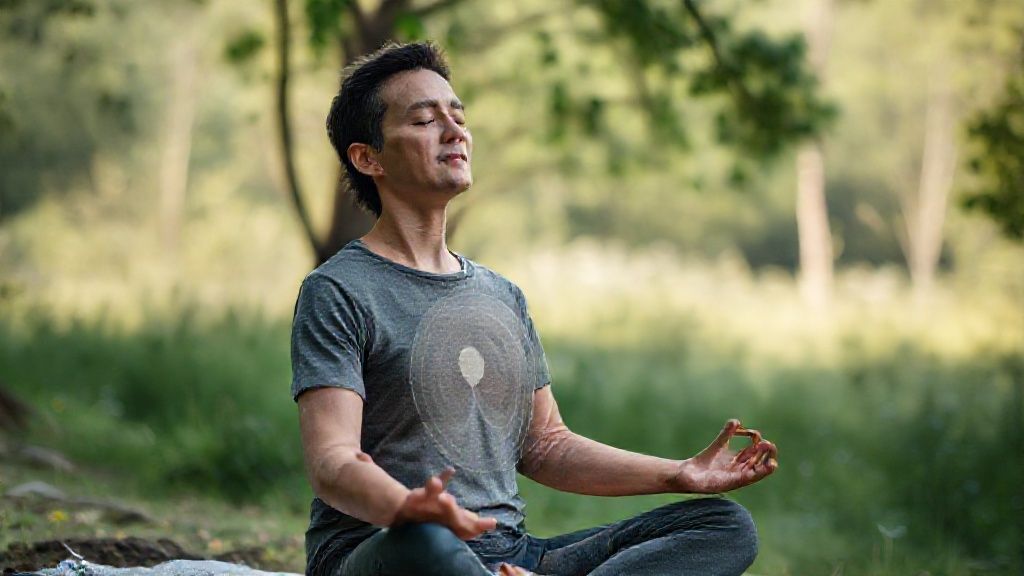
Regulasi Pernapasan: Panduan Utama untuk Mengendalikan Napas demi Ketenangan Instan - Life

That moment when your heart starts racing, your thoughts spiral, and you notice your breathing has become shallow and rapid—we’ve all been there. Whether it’s a tight deadline, a difficult conversation, or just the cumulative stress of modern life, our bodies often signal distress through our breath before our minds even catch up.
Breath regulation is the conscious practice of controlling the pace, depth, and pattern of your breathing to directly influence your nervous system. It is a foundational tool used in meditation, yoga, and modern psychology to reduce stress, improve focus, and enhance overall well-being.
This comprehensive guide will demystify the science behind why something as simple as breathing differently can transform your mental and physical state. More importantly, we’ll provide practical, accessible techniques you can implement anywhere—from a 1-minute exercise at your desk to a dedicated 20-minute meditation session.
Why Breath Regulation Works: The Science of Breathing
To understand why breath regulation is so powerful, we need to explore the autonomic nervous system—the part of your body that controls automatic functions like heartbeat, digestion, and yes, breathing.
Your autonomic nervous system has two main components: the sympathetic nervous system (your “fight or flight” response) and the parasympathetic nervous system (your “rest and digest” mode). When you’re stressed, anxious, or in danger, your sympathetic nervous system kicks in, releasing cortisol and adrenaline, increasing your heart rate, and preparing your body for action. This is why stress makes your breathing rapid and shallow—your body thinks it needs extra oxygen for fighting or fleeing.
The remarkable thing about breathing is that it’s unique among autonomic functions: it happens automatically, but we can also control it consciously. This gives us a rare opportunity—we can use controlled breathing as a manual override to signal our brain to switch from sympathetic to parasympathetic dominance.
When you practice slow, deep, regulated breathing, you’re essentially sending a message to your brain: “Everything is safe. We can relax now.” This triggers a cascade of physiological changes:
- Lowered heart rate and blood pressure
- Reduced cortisol levels (the primary stress hormone)
- Increased oxygen delivery to your brain and tissues
- Improved heart rate variability (a key marker of resilience)
- Activation of the vagus nerve, which plays a crucial role in calming your entire system
The benefits extend beyond momentary relaxation. Regular practice can rewire your nervous system to be more resilient to stress, improve your focus and cognitive function, and even enhance emotional regulation.
Foundational Breath Regulation Techniques to Start With
Diaphragmatic Breathing (Belly Breathing)
Diaphragmatic breathing, often called “belly breathing,” is the cornerstone of most breath regulation practices. It ensures you’re breathing deeply and efficiently, engaging your diaphragm—the dome-shaped muscle at the base of your lungs.
Step-by-Step Instructions:
- Find a comfortable position, either sitting upright with your back straight or lying on your back.
- Place one hand on your chest and the other on your belly.
- Inhale slowly through your nose for about 4 seconds, focusing on expanding your belly rather than your chest. The hand on your belly should rise, while the hand on your chest remains relatively still.
- Exhale slowly through your mouth or nose for about 6 seconds, feeling your belly fall.
- Continue this pattern for 5-10 cycles, maintaining your focus on the rise and fall of your belly.
For those dealing with anxiety, this technique is a core component of diaphragmatic breathing for anxiety.
The 4-7-8 Breathing Method for Sleep & Relaxation
Developed by Dr. Andrew Weil, the 4-7-8 technique is particularly effective for calming the nervous system and preparing for sleep. The extended exhalation is key to activating the parasympathetic response.
Step-by-Step Instructions:
- Sit with your back straight or lie down in bed.
- Place the tip of your tongue against the ridge of tissue behind your upper front teeth and keep it there throughout the exercise.
- Exhale completely through your mouth, making a whoosh sound.
- Close your mouth and inhale quietly through your nose for a count of 4.
- Hold your breath for a count of 7.
- Exhale completely through your mouth, making a whoosh sound, for a count of 8.
- This completes one cycle. Repeat for 3-4 cycles to start, gradually working up to 8 cycles.
This technique is perfect to incorporate into a nightly wind-down routine. Pair it with a dedicated meditasi terpandu untuk tidur for deeper rest.

Integrating Breath Regulation into Your Daily Life
The true power of breath regulation emerges when you move beyond occasional practice and integrate it into your daily routine. Here’s how to make breath work a natural part of your life.
For Instant Stress Relief (Under 5 Minutes)
When stress strikes unexpectedly, you don’t need a 30-minute meditation session to regain your equilibrium. Brief breath regulation practices can provide immediate relief.
The 1-Minute Reset: When you feel overwhelmed, pause and take just three deep, conscious breaths. Inhale for four counts, exhale for six counts. This simple practice can interrupt the stress response and give you a moment of clarity.
If you only have a moment, this latihan pernapasan 1 menit is perfect.
The 5-Minute Reset: Find a quiet space (even a bathroom stall will work), set a timer for five minutes, and practice diaphragmatic breathing or the 4-7-8 method. This gives your nervous system enough time to shift into a calmer state.
For a slightly longer reset, follow this meditasi terpandu 5 menit.
For a Focused Morning Routine
How you start your day often sets the tone for everything that follows. Incorporating breath regulation into your morning routine can help you approach the day with intention and calm clarity.
Try this: Before checking your phone or email, take five minutes for conscious breathing. Sit by a window if possible, and practice diaphragmatic breathing while setting an intention for your day. This simple practice can prevent you from being immediately reactive and instead help you approach your day proactively.
Start your day with clarity using a specific rutinitas pagi meditasi terpandu 5 menit.
Untuk Mengelola Kecemasan dan Overthinking
When anxious thoughts begin to spiral, breath regulation serves as an anchor to the present moment. The physical sensation of breathing provides something tangible to focus on when your mind feels out of control.
The Anxiety Interruption Technique: When you notice anxiety building, immediately shift your attention to your breath. Don’t try to change it at first—just observe it. Then gradually begin to lengthen your exhalations. The extended exhalation is particularly effective for calming the nervous system.
Position breath work as a first-response tool for anxious thoughts. When feeling overwhelmed, a structured session can be incredibly helpful. Try this meditasi terpandu 20 menit untuk kecemasan dan overthinking kami.
For Preparing for Sleep
Many people struggle with “monkey mind” at bedtime—when your thoughts won’t quiet down enough for sleep to come. Breath regulation is one of the most effective tools for transitioning from wakefulness to rest.
The Bedtime Breath Practice: Once you’re in bed, turn off all screens and lights. Begin with 5-10 cycles of the 4-7-8 breathing method. If your mind wanders, gently return your focus to the counting and the sensation of breathing. This practice not only calms your nervous system but also gives your busy mind a simple, repetitive task to focus on instead of ruminating.
Gabungkan teknik pernapasan ini dengan pemindaian tubuh untuk melepaskan ketegangan fisik. Pelajari caranya dalam Meditasi body scan untuk tidur.

Mendalami Praktik Anda dengan Meditasi Terpandu
Meskipun regulasi napas dapat dipraktikkan secara mandiri, meditasi terpandu dapat secara signifikan meningkatkan praktik Anda—terutama saat Anda baru memulai atau ingin memperdalam praktik yang sudah ada.
Meditasi terpandu memberikan struktur dan menghilangkan beban mental dari memandu diri sendiri, memungkinkan Anda fokus sepenuhnya pada napas dan momen saat ini. Pemandu yang terampil dapat memberikan isyarat halus yang membantu Anda menyadari aspek pengalaman yang mungkin terlewatkan.
Sesi Singkat (5-10 Menit)
Sesi terpandu singkat sangat ideal untuk membangun konsistensi, terutama di hari-hari yang sibuk. Sesi ini cukup panjang untuk menciptakan perubahan yang nyata dalam kondisi Anda, namun cukup singkat untuk dimasukkan ke dalam jadwal yang paling padat sekalipun.
Baru dalam praktik ini? Sebuah meditasi terpandu singkat singkat adalah cara yang sangat baik untuk memulai.
Untuk reset kecemasan yang cepat, coba meditasi 10 menit untuk kecemasan kami sangat efektif.
Sesi Panjang (15-20 Menit)
Sesi terpandu yang lebih lama memungkinkan eksplorasi regulasi napas yang lebih mendalam. Sesi ini memberi sistem saraf Anda waktu yang cukup untuk memasuki keadaan rileks yang dalam dan bisa sangat transformatif jika dipraktikkan secara teratur.
Untuk membangun ketahanan dan menenangkan sistem saraf Anda secara mendalam, sesi panjang seperti meditasi mindfulness 20 menit sangat ideal.
FAQ Regulasi Napas (Dioptimalkan untuk Pencarian Suara)
Apa Teknik Pernapasan Terbaik untuk Kecemasan?
Pernapasan diafragma dan metode 4-7-8 sangat efektif untuk kecemasan. Kuncinya adalah hembusan napas yang perlahan dan dalam yang secara langsung mengaktifkan respons relaksasi tubuh. Untuk sesi terpandu yang khusus berfokus pada ini, coba meditasi terpandu untuk kecemasan.
Bagaimana Cara Mengatur Pernapasan untuk Tidur?
Fokuslah pada teknik yang memperpanjang hembusan napas, seperti metode 4-7-8, dan praktikkan saat berbaring di tempat tidur untuk menciptakan asosiasi tidur yang kuat. Meditasi tidur khusus dapat memandu Anda melalui proses ini. Kami merekomendasikan meditasi terpandu tidur nyenyak ini.
Berapa Lama Waktu yang Dibutuhkan agar Regulasi Napas Berfungsi?
Anda dapat merasakan efek menenangkan hanya dalam 60-90 detik. Praktik harian yang konsisten, bahkan hanya 5 menit, membangun ketahanan jangka panjang terhadap stres. Semakin teratur Anda berlatih, semakin cepat dan efektif tubuh Anda merespons teknik regulasi napas.
Bisakah Regulasi Napas Membantu Fokus?
Tentu saja. Dengan menenangkan sistem saraf, regulasi napas mengurangi obrolan mental dan menyiapkan otak untuk perhatian yang berkelanjutan, mirip dengan latihan mindfulness. Tingkatkan fokus Anda dengan fokus perhatian.

Kesimpulan & Ajakan Bertindak (CTA)
Regulasi napas mungkin adalah alat yang paling mudah diakses, kuat, dan langsung yang kita miliki untuk memengaruhi kondisi mental dan emosional kita. Tidak memerlukan peralatan khusus, tidak berbiaya, dan dapat dipraktikkan di mana saja, kapan saja. Lebih dari sekadar teknik manajemen stres, ini adalah cara untuk mengambil kembali kendali atas sistem saraf Anda sendiri dan menumbuhkan fondasi ketenangan yang mendukung setiap aspek hidup Anda.
Teknik-teknik yang diuraikan dalam panduan ini—dari praktik dasar seperti pernapasan diafragma hingga aplikasi harian yang terintegrasi—menawarkan jalan menuju ketahanan, fokus, dan kedamaian yang lebih besar. Namun, membaca tentang regulasi napas hanyalah langkah pertama; transformasi sejati terjadi ketika Anda menjadikannya praktik yang konsisten.
Ajakan bertindak Anda sederhana: Pilih satu teknik dari panduan ini—mungkin metode 4-7-8 untuk tidur atau pernapasan diafragma untuk pereda stres—dan berkomitmenlah untuk mempraktikkannya hari ini. Untuk pengalaman terpandu penuh guna memperdalam praktik Anda, jelajahi perpustakaan meditasi terpandu kami untuk setiap kebutuhan, dari pereda stres hingga tidur.
Siap merasakan sesi terpandu lengkap? Mulailah dengan salah satu panduan paling populer kami untuk ketenangan pikiran melalui meditasi terpandu untuk ketenangan pikiran ini.