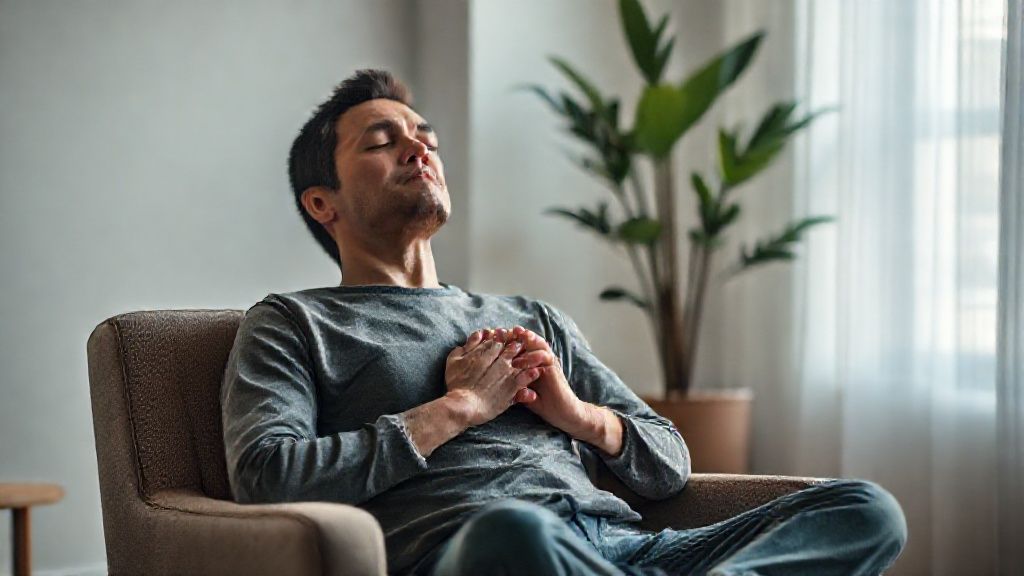
How Can I Relax Your Mind? 10 Science-Backed Techniques for Instant Calm
That feeling is all too familiar: your heart races, your thoughts spiral, and your shoulders creep up toward your ears. The noise in your head becomes so loud that finding a moment of peace feels impossible. In our constantly connected, high-pressure world, the question “How can I relax my mind?” isn’t just a casual query—it’s a desperate plea for mental respite.
To relax your mind, you need to engage the body’s natural relaxation response. The most effective ways include focused breathing exercises, guided meditations for calm, and simple mindfulness activities that ground you in the present moment. This guide will walk you through 10 accessible techniques you can start using today.
We’ll explore quick fixes you can use in a moment of panic, daily habits to build a more resilient nervous system, and resources to deepen your practice for lasting tranquility.

Understanding Your Mind’s Stress Response
Before we dive into the solutions, it helps to understand what’s happening inside you when you feel stressed. Your nervous system has two primary modes: the sympathetic (“fight or flight”) and the parasympathetic (“rest and digest”).
When you perceive a threat—whether it’s a looming deadline or a difficult conversation—your sympathetic nervous system kicks into high gear. It floods your body with cortisol and adrenaline, sharpening your focus, increasing your heart rate, and preparing you for action. This is incredibly useful when facing a real, physical danger. The problem is, our modern brains often interpret non-life-threatening situations as emergencies, keeping us locked in a state of chronic, low-grade stress.
The goal of all the techniques in this article is to consciously activate your parasympathetic nervous system—the “rest and digest” mode. This is your body’s built-in relaxation response. It slows your heart rate, lowers your blood pressure, and promotes a state of calm and recovery. By learning to trigger this response intentionally, you reclaim control over your mental state.
Quick & Easy Techniques for Instant Relief
These first few techniques are your emergency toolkit. They require no special equipment, can be done anywhere, and take less than two minutes to shift your state from frantic to focused.
一分钟呼吸重置法
Your breath is the most powerful and readily available tool for calming your nervous system. By changing your breathing pattern, you can send a direct signal to your brain that it’s safe to relax.
Box Breathing Technique:
– 用鼻子缓慢吸气,默数4拍。.
2. Hold your breath at the top for a count of 4.
– 用嘴巴缓慢呼气,默数4拍。.
4. Hold the emptiness at the bottom for a count of 4.
5. Repeat this cycle 3-5 times.
This technique, used by Navy SEALs to stay calm under pressure, is highly effective because it imposes a rhythm that disrupts the shallow, panicked breathing of stress. To follow a structured exercise, use this 浏览我们全面的引导冥想资源库,寻找与您共鸣的修行方式。.
The 5-Senses Grounding Method
When anxiety pulls you into a vortex of worries about the future, grounding brings you back to the safety of the present moment. The 5-4-3-2-1 method uses your senses to anchor you in the “here and now.”
Take a deep breath and slowly identify:
* 5 things you can * 5样他们能 (a pen, a light switch, a speck of dust on your desk).
* 4 things you can 的东西(例如:冰箱的嗡嗡声、窗外的鸟鸣)。 (衣服的质地,身下的椅子,皮肤上的空气)。.
* 3 things you can **触摸** (电脑的嗡鸣声,远处的车流声,你自己的呼吸声)。.
* 2 things you can * 3样他们能 (你的咖啡,房间里的空气,你自己的皮肤)。.
* 1 thing you can 的声音 (the lingering taste of a meal, or just the neutral taste in your mouth).
This is a powerful form of the 五感正念 practice, which you can explore further here.
The Power of a 60-Second Pause
Sometimes, you just need to stop everything and reset. This is a mini-meditation you can do at your desk, in your car, or in a bathroom stall.
- Close your eyes or soften your gaze.
- Take one deep, intentional breath in, and a long, slow breath out.
- Silently ask yourself, “What is my experience right now?” Acknowledge any feelings—stress, tension, worry—without judgment.
- Take one more deep breath, and as you exhale, imagine releasing that tension.
- Gently open your eyes and return to your day.
For a ready-to-use script, our 培养自我慈悲 is perfect for extending this practice.
Building a Daily Relaxation Practice with Meditation
While quick fixes are essential, building a consistent meditation practice is like installing a permanent stress-filter in your mind. It changes your baseline, making you less reactive and more resilient over time.
Starting with Short, Guided Sessions
The idea of “clearing your mind” can be intimidating. Guided meditation removes this pressure. A teacher’s voice leads you through the process, offering gentle reminders to return your focus when your mind wanders—which it will, for everyone.
The benefits are profound: reduced activity in the brain’s “me center” (the Default Mode Network), which is responsible for mind-wandering and self-referential thoughts, and increased gray matter in areas related to emotional regulation. If you’re new, start with the 最适合初学者的引导式冥想 to build confidence.
5-Minute Meditations for a Busy Schedule
You don’t need an hour of silent sitting to reap the benefits. A daily 5-minute practice can create significant shifts in your mental landscape. The key is consistency.
Try attaching your meditation to an existing habit. Right after you brush your teeth in the morning or right before you get into bed at night, commit to 5 minutes. This “habit stacking” makes it much easier to maintain. A 5分钟晨间引导冥想 routine can set a positive tone for your entire day. For targeted relief, try this 5分钟缓解焦虑与助眠冥想.
Deeper Sessions for Lasting Calm
As you become more comfortable, extending your practice can lead to deeper states of relaxation and insight. Longer sessions allow you to move beyond the initial settling-in period and access a more profound sense of peace and stillness.
Think of a 20-minute meditation not as a longer version of your 5-minute one, but as a deeper dive. It provides the space to thoroughly explore bodily sensations, work with challenging emotions, and cultivate qualities like compassion and patience. When you have more time, a 20分钟焦虑与思虑过多引导冥想 can help break persistent cycles of worry.

Relaxing the Mind by Calming the Body
The mind and body are inextricably linked. Mental stress creates physical tension, and physical tension reinforces mental stress. Breaking this cycle is a powerful path to peace.
Progressive Muscle Relaxation & Body Scans
This technique involves systematically tensing and then relaxing different muscle groups in your body. By first deliberately creating tension, you become more aware of what it feels like and can then release it more completely.
操作步骤:
1. Start with your feet. Curl your toes tightly for 5 seconds, then release completely, noticing the sensation of relaxation.
2. Move to your calves and thighs, squeezing the muscles for 5 seconds before releasing.
3. Continue this process up through your body: glutes, abdomen, hands, arms, shoulders, and even your face (clench your jaw and squint your eyes, then release).
This practice teaches you to recognize the subtle signs of tension in your body before they escalate into full-blown stress. For a guided version, a 睡眠身体扫描冥想 is excellent, even when you’re not in bed.
Mindful Movement and Walking
Meditation doesn’t have to be still. For many, focusing on the body in motion is a more accessible entry point. Mindful walking simply means walking with awareness.
Feel the sensation of your feet making contact with the ground. Notice the rhythm of your stride and the movement of your arms. When your mind wanders, gently bring it back to the physical sensations of walking. This combines well with other 简短正念练习 you can do throughout your day.
Creating a Relaxing Environment
Your surroundings have a significant impact on your mental state. A chaotic, cluttered, or overstimulating environment can subconsciously keep your nervous system on high alert.
- 整理你的空间: 整洁的环境有助于保持思绪清晰。你无需成为极简主义者,但清理一个表面(如书桌或床头柜)就能营造出一片视觉上的宁静绿洲。.
- 调动你的感官: 考虑使用柔和的灯光替代刺眼的主灯。通过香薰机或蜡烛引入薰衣草、檀香等舒缓香气。对于放松而言,最有效的感官工具通常是声音。在背景中使用 10分钟冥想音乐 能显著增强环境的镇静效果。.
善用工具与资源
获得恰当的支持能让你的心灵平静之旅更加顺畅愉快。.
高评分冥想应用
应用提供结构、多样性和指导。它们囊括数百个针对特定主题的冥想——从压力、睡眠到专注和焦虑——尽在你的掌中。像 Headspace(冥想星球) 和 Calm 这类应用是热门选择;你可以将它们与其他 类似Headspace的应用程序 以找到最适合你的方案。.
进行比较。
寻求专业指导 虽然自主练习效果显著,但有时个性化的指导正是你突破瓶颈或解决深层模式所需。若想采用更系统化的方法,可以考虑参加一门 在线冥想课程 **禅与正念常见问题(适用于语音搜索与精选摘要)**.

常见问题解答
或与一位
合作。.
放松思绪最快的方法是什么?
“1分钟呼吸重置法”或“5感 grounding 法”是打断压力、迅速恢复专注的最快途径。它们通过直接影响神经系统,将你的注意力从焦虑思绪中拉回当下时刻。 针对焦虑和抑郁的引导冥想 如何停止过度思考,让内心放松?.
停止过度思考需要打破思维循环。专注于接纳与放下的引导冥想非常有效,因为它们教你观察思绪而不卷入其中。我们的
正是为应对持续侵入性思维而设计。 锻炼相结合,以释放压力和焦虑,.
如何放松压力重重的内心?
压力状态下的内心需要系统方法:结合每日冥想来降低整体压力基线,运用快速呼吸练习应对急性紧张时刻,并采用身体放松技巧释放压力积存在体内的紧张感。关于此方面的全面指南,请参阅我们关于 10分钟睡眠冥想·平静 亲身体验。.
总结与行动呼吁
的文章。.
睡眠冥想能在白天帮助放松内心吗?. 当然可以。睡眠冥想专为深度放松设计,白天也可用于达到深度平静状态,尤其在休息时或感到不堪重负时。它们通常包含较慢的节奏和专注于身体的放松技巧,在任何时间都有效。可以尝试像我们的.
这样的短时练习。 平静心灵引导冥想 放松内心并非追求永恒的极乐状态,而是培养一种能力,以更从容的姿态、更少的痛苦面对生活中不可避免的压力。它像肌肉一样,通过持续微小的练习会变得更强。你无需在今天掌握全部10种技巧。.