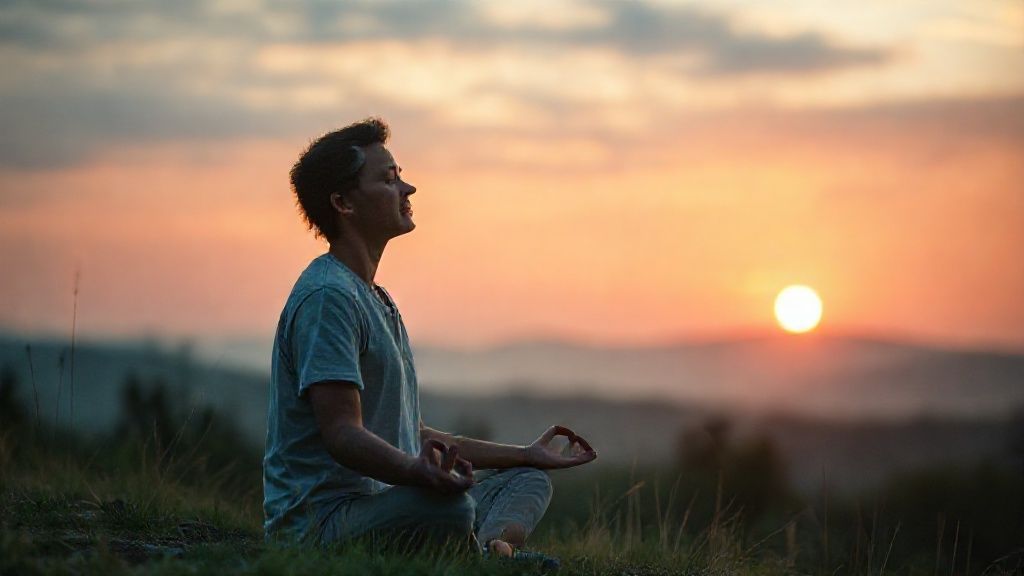
心境澄明:获得持久内在安宁的终极指南
In our fast-paced, constantly connected world, the search for mental tranquility has become more urgent than ever. Between work deadlines, social obligations, and the endless stream of digital notifications, our minds are perpetually in motion. You might find yourself lying awake at night with racing thoughts, reacting impulsively to minor stressors, or feeling mentally exhausted despite physical rest. This state of chronic mental agitation isn’t just uncomfortable—it takes a real toll on our health, relationships, and quality of life.
But what if you could access a deeper sense of peace regardless of external circumstances? The good news is that “calm of mind” isn’t an elusive state reserved for monks on mountaintops or those with perfectly arranged lives. It’s an achievable, trainable skill that anyone can develop through specific, evidence-based practices. This comprehensive guide will walk you through exactly what a calm mind entails, why it matters, and—most importantly—how you can cultivate it through practical techniques you can start implementing today.

What Does “Calm of Mind” Truly Mean?
A calm mind is often misunderstood as simply the absence of stress or a temporary state of relaxation. In reality, it’s something far more profound and sustainable. A truly calm mind is characterized by mental clarity, emotional equilibrium, and the capacity to respond thoughtfully rather than react impulsively to life’s challenges. It’s not about eliminating all thoughts or emotions, but rather changing your relationship with them—observing them without being swept away.
When you cultivate a calm mind, you’re not withdrawing from life; you’re engaging with it more fully and effectively. Decisions become clearer, creativity flows more freely, and you’re better equipped to handle difficulties with grace. The benefits extend beyond mere feeling—research shows that regular practice of calm-inducing techniques can lower blood pressure, improve immune function, reduce inflammation, and even slow the aging process at a cellular level.
The Science Behind a Peaceful State
The physiological basis for a calm mind lies in our nervous system. When we perceive threat or stress, our sympathetic nervous system triggers the “fight-or-flight” response, flooding our body with cortisol and adrenaline. While this is useful in genuinely dangerous situations, many of us live in a state of chronic, low-grade activation that keeps us perpetually on edge.
Practices that cultivate calm work by activating the parasympathetic nervous system—our body’s natural “rest-and-digest” mode. This shift isn’t just psychological; it’s measurable through reduced heart rate, lowered blood pressure, and changes in brain wave patterns. Neuroimaging studies show that regular meditation and mindfulness practices can actually strengthen the prefrontal cortex (associated with executive function) while reducing activity in the amygdala (our fear center).
Calmness vs. Apathy: Why It’s About Engagement, Not Avoidance
One common misconception is that a calm person is passive or detached. Nothing could be further from the truth. True mental calmness isn’t indifference; it’s engaged presence. Where apathy represents a withdrawal from experience, calmness allows for full participation without being overwhelmed by it.
Think of it this way: A turbulent ocean makes it difficult to see what lies beneath the surface, while calm waters provide clarity and transparency. Similarly, a calm mind doesn’t ignore problems—it sees them more clearly and responds more effectively. You maintain your values, passions, and concerns, but you’re not controlled by turbulent emotions when facing challenges.
Foundational Practices for a Calmer You
Building a calm mind begins with establishing simple, accessible practices that you can incorporate into your daily life. These foundational techniques work directly with your body’s physiology to create immediate shifts in your mental state.
Breathing Your Way to Peace
Your breath is the most powerful and always-available tool for regulating your nervous system. The simple act of changing your breathing pattern sends immediate signals to your brain that it’s safe to relax. Diaphragmatic breathing—sometimes called “belly breathing”—is particularly effective because it fully engages the diaphragm, stimulating the vagus nerve and triggering the relaxation response.
To practice: Place one hand on your chest and the other on your belly. Take a slow breath in through your nose, allowing your belly to rise while keeping your chest relatively still. Exhale slowly through your mouth or nose. Aim for a longer exhalation than inhalation, as this specifically activates the parasympathetic nervous system.
For a quick and effective practice you can do anywhere, follow this 浏览我们完整的引导冥想资源库,寻找与您共鸣的修行方式。. If you have a bit more time, this 5-minute meditation is perfect for resetting your day.
The Power of a Mindful Minute
You don’t need hours of meditation to begin cultivating calm. Even a single minute of mindful awareness, practiced consistently throughout your day, can significantly shift your mental landscape. The “mindful minute” is about intentionally bringing your attention fully into the present moment, without judgment.
Try this: Set a reminder on your phone for several points during the day. When it chimes, pause whatever you’re doing and take 60 seconds to simply notice. Notice the sensations in your body, the sounds around you, the quality of your breath. No need to change anything—just observe.
Use this simple 一分钟接地冥想脚本 to anchor yourself during moments of stress.

Guided Meditations Tailored for Your Needs
While foundational practices are essential, sometimes we need more specific guidance, especially when dealing with particular challenges or looking to establish a consistent routine. Guided meditations provide that structure and support, making them an excellent tool for both beginners and experienced practitioners.
用于即时缓解焦虑
When anxiety strikes, it can feel overwhelming and all-consuming. The right guided meditation can provide an anchor point, helping you ride the wave of anxiety without being pulled under by it. These practices typically focus on grounding techniques, body awareness, and compassionate acceptance of your experience.
When anxiety strikes, this **10分钟焦虑引导冥想** can help you find your center quickly. For deeper-seated worries, a longer session like this 20分钟焦虑与过度思考引导冥想 can be transformative.
For Cultivating Daily Calm
Consistency is key when building a calm mind, and incorporating short meditation sessions into your daily routine can create a foundation of tranquility that supports you throughout your day. Morning meditations set a positive tone, while evening practices help you release the day’s accumulated stress.
Incorporate tranquility into your morning routine with this 5分钟晨间引导冥想 session. End your day by releasing tension with a 睡前冥想 designed for deep rest.
For Deep Relaxation and Sleep
Quality sleep is both a cause and effect of a calm mind. When your mind is agitated, sleep suffers; when sleep is insufficient, mental calm becomes more difficult to maintain. Guided sleep meditations help break this cycle by guiding your nervous system into the deeply relaxed state conducive to restful sleep.
Drift off peacefully with this 治愈引导睡眠冥想 the body and mind. Sometimes, music alone can guide you to rest. Try this 10分钟冥想音乐 to quiet your thoughts.
Beyond Meditation: Holistic Habits for Mental Calm
While formal meditation practices are powerful, a truly calm mind is supported by a holistic approach that includes how we move through our daily lives. These complementary practices help integrate the benefits of meditation into your everyday experience.
Mindfulness Exercises for Everyday Life
Mindfulness is the practice of paying attention to the present moment with openness and curiosity. Unlike formal meditation, mindfulness can be practiced anywhere, anytime—while washing dishes, walking to your car, or even during a difficult conversation.
Discover a variety of 简短正念练习 you can weave into a busy schedule. For a sensory-based grounding technique, practice the 五感正念法 该应用将正念分解为四大支柱:觉察、联结、洞察与目标。每个部分都建立在前一部分之上,创造了可与付费应用媲美的全面正念教育。这款应用教授的不只是坐垫上的正念。要将此融入日常生活,请尝试我们的.
Cultivating Self-Compassion
Many of us have an inner critic that constantly judges our performance, appearance, and worth. This internal voice is a major source of mental agitation. Self-compassion—treating yourself with the same kindness you would offer a good friend—is a powerful antidote.
When you notice self-critical thoughts, try placing a hand on your heart and offering yourself words of comfort. Remember that imperfection is part of the shared human experience, not evidence of personal failure.
A critical part of inner peace is learning 自我慈悲方法. This guide walks you through the process.

支持你旅程的工具与资源
Establishing and maintaining a practice that cultivates calm of mind is easier with the right support. These resources can help you deepen your practice and navigate challenges along the way.
Finding the Right Guidance
With so many meditation approaches available, finding what resonates with you is key to developing a consistent practice. Some people prefer highly guided meditations with detailed instructions, while others thrive with minimal guidance and more silence.
If you’re new to this, start with the 最佳引导冥想 for beginners to build a solid foundation. For those who prefer to lead their own practice, learn the fundamentals of 您可以通过学习.
Deepening Your Practice
As your practice evolves, you may find yourself wanting to explore different techniques or understand the underlying principles more deeply. Structured learning can provide both inspiration and practical tools for taking your practice to the next level.
Consider exploring structured learning through the best 在线冥想课程. To understand the foundational concepts better, start with this article on 什么是引导式冥想.
Frequently Asked Questions About a Calm Mind
What is the fastest way to calm your mind?
While techniques vary, focused breathing is often the fastest. Try this 浏览我们完整的引导冥想资源库,寻找与您共鸣的修行方式。 用于即时缓解。4-7-8呼吸法(吸气4秒、屏息7秒、呼气8秒)能特别有效地快速激活副交感神经系统。.
冥想能否帮助改善过度思考?
当然可以。冥想训练大脑观察思绪而不陷入其中。这项练习 20分钟焦虑与过度思考引导冥想 正是为此目的设计。定期练习能增强您觉察思维模式的能力,避免不假思索地认同或追随这些念头。.
如何放松思绪以助睡眠?
身体扫描冥想极为有效。我们推荐通过此方法 睡眠身体扫描冥想 引导您进入深度休息。此外,建立规律的睡前程序、限制睡前屏幕使用时间以及营造舒适的睡眠环境,都能显著提升睡眠质量。.
情绪平和者有哪些表现?
情绪平和者通常展现出情感韧性——他们体验情绪而不被其淹没。他们深思熟虑后回应而非冲动反应,在挑战中保持洞察力,并践行自我关怀。其平和并非缺乏感受,而是全然接纳当下存在。.
结语:通往持久内心平和的旅程始于此刻
培养心境平和既非权宜之计,亦非终点目标。它是一种持续的修行——通过持之以恒的慈悲努力与自我建立的关系。现代生活的纷扰或许不会消失,但您与之相处的方式可以发生深刻转变。.
请谨记,培养内心平静的进程并非线性发展。某些日子您的思绪会如静湖般澄澈,另一些日子则似惊涛骇浪。关键不在于每时每刻都达到完美平静,而在于持续回归那些让您扎根的练习。每一次有意识的呼吸、每一分钟正念觉察、每一个自我关怀的瞬间,都是在编织更平和心境的经纬。.
准备好转变您的内心图景了吗?请从本指南中选择一项练习——或许是 5分钟正念练习——从今天开始践行。那个更平和、更从容的自我正在前方等候。.