
Mindful Meditation vs Transcendental: A Clear-Cut Guide to Choosing Your Path
If you’re comparing Transcendental Meditation (TM) and mindfulness meditation, you’re likely seeking a practice that fits your lifestyle and goals. The core difference is this: Mindfulness involves actively observing your present-moment thoughts and feelings without judgment, while TM uses a silent mantra to effortlessly transcend thought, promoting deep rest. Both practices offer profound benefits for mental wellbeing, but they approach meditation from fundamentally different angles. This comprehensive guide will break down exactly what sets them apart, their unique benefits, and how to determine which path aligns with your personality and objectives.

Understanding the Foundations: Two Philosophies, Two Approaches
Before diving into the comparison, it’s essential to understand the philosophical underpinnings of each practice. While both aim to cultivate mental peace and awareness, their approaches stem from different traditions and operate on distinct principles.
What Is Mindfulness Meditation?
Mindfulness meditation is the practice of purposefully paying attention to the present moment without judgment. It’s about cultivating awareness of what’s happening right here, right now—whether that’s your breath, bodily sensations, thoughts, or the environment around you.
Originating from Buddhist traditions dating back over 2,500 years, mindfulness has been widely secularized in contemporary practice. You don’t need to adopt any spiritual beliefs to benefit from mindfulness—it’s fundamentally a mental training technique.
The core principle of mindfulness is learning to observe your experience without getting caught up in it. When a thought arises, you acknowledge it without following it down a rabbit hole. When an emotion surfaces, you notice it without needing to suppress or express it. This creates a space between stimulus and response, giving you more choice in how you engage with your experience.
One of the most accessible mindfulness techniques is the méditation de balayage corporel, which you can explore through this 5 minute body scan script pdf.
What Is Transcendental Meditation (TM)?
Transcendental Meditation is a specific technique that involves silently repeating a personalized mantra to settle the mind into a state of restful alertness. Unlike mindfulness, TM doesn’t involve monitoring thoughts, controlling the mind, or concentrating. The practice is designed to be effortless—you simply think the mantra and allow your mind to naturally transcend toward quieter states of consciousness.
Developed by Maharishi Mahesh Yogi in the 1950s and derived from the ancient Vedic tradition of India, TM is taught through a standardized course by certified instructors. The technique gained popularity in the 1960s when The Beatles and other celebrities began practicing it.
The fundamental principle of TM is that by using a specific mantra assigned personally to you by a trained teacher, your mind can naturally settle inward, beyond the surface level of thinking, to experience what practitioners call “transcendental consciousness”—a state of pure awareness without content.
While TM traditionally involves a financial investment for proper instruction, you can learn about free TM resources to explore this practice further.
Head-to-Head Comparison: Key Differences Explained
Now that we understand the basic principles of each practice, let’s examine how they differ across several key dimensions. This comparison will help you identify which approach might better suit your temperament and goals.
Techniques & Mental Focus
The technical differences between these practices represent their most significant distinction:
Mindfulness Meditation typically involves:
– Anchoring attention on a specific object of focus (commonly the breath)
– Noticing when the mind has wandered
– Gently returning attention to the anchor without judgment
– Expanding awareness to include thoughts, emotions, and bodily sensations
– Developing a stance of curious observation toward all experience
Transcendental Meditation employs a different approach:
– Using a personalized mantra (a specific sound or vibration) provided by a teacher
– Allowing the mantra to repeat naturally in the mind without concentration or effort
– Settling inward as the mantra becomes increasingly subtle
– Eventually transcending the mantra itself to experience pure consciousness
– The practice is described as effortless and automatic
Goals & Primary Benefits
While both practices reduce stress and enhance wellbeing, they emphasize different outcomes:
Mindfulness Meditation aims to:
– Cultivate present-moment awareness in daily life
– Develop emotional regulation and resilience
– Reduce reactivity to challenging thoughts and feelings
– Enhance focus and concentration
– Foster acceptance and equanimity
Research has particularly supported mindfulness for managing anxiety, as it provides tools to work with anxious thoughts as they arise. If this is your primary concern, you might explore these méditation guidée pour l'anxiété .
Transcendental Meditation focuses on:
– Providing deep rest and dissolving accumulated stress
– Enhancing creativity and problem-solving abilities
– Promoting holistic brain development
– Increasing energy and vitality
– Accessing deeper states of consciousness
Studies on TM have shown significant reductions in cortisol (the stress hormone), lower blood pressure, and improved psychological wellbeing.
Learning & Accessibility
How you learn each practice differs considerably:
Mindfulness Meditation offers multiple entry points:
– Autodidacte grâce aux livres, applications et ressources en ligne
– Peut être pratiquée en groupe ou individuellement
– Diverses traditions et approches disponibles
– Très adaptable à différents emplois du temps et modes de vie
– De nombreuses ressources gratuites ou à faible coût disponibles
Si vous débutez dans la pratique, commencez par comprendre la méditation guidée comme point d'entrée accessible.
Transcendental Meditation suit un cheminement plus structuré :
– Traditionnellement apprise via un cours standardisé en 7 étapes
– Nécessite un enseignement par un professeur de MT certifié
– Implique l'attribution d'un mantra personnel
– Inclut des sessions de suivi et un accompagnement
– Généralement soumise à un paiement unique pour un accès à vie aux ressources
Temps & Pratique Quotidienne
L'engagement requis pour chaque pratique varie :
Mindfulness Meditation est remarquablement flexible :
– Peut être pratiquée pour toute durée – d'une minute à plusieurs heures
– La pratique formelle assise peut être complétée par une pratique informelle tout au long de la journée
– Peut être intégrée aux activités quotidiennes comme la marche, les repas ou les trajets
– Aucune règle stricte concernant l'horaire ou la fréquence
Pour ceux dont le temps est limité, une méditation de 5 minutes peut être un excellent moyen d'établir une pratique régulière.
Transcendental Meditation suit un protocole spécifique :
– Pratiquée 20 minutes, deux fois par jour
– Généralement effectuée le matin avant le petit-déjeuner et en fin d'après-midi
– Nécessite de s'asseoir confortablement les yeux fermés
– La durée standardisée est considérée comme importante pour des résultats optimaux
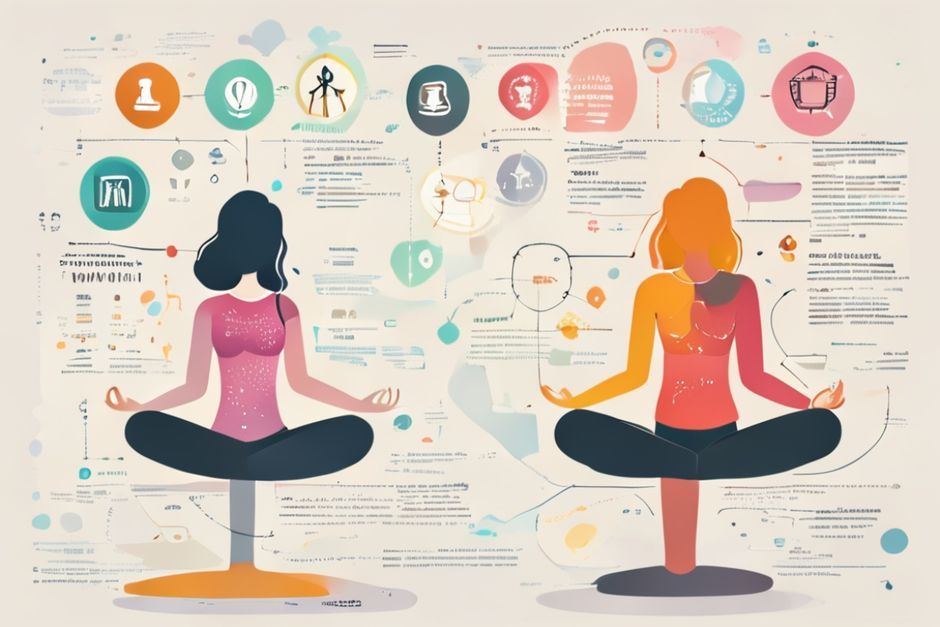
Quelle pratique de méditation vous convient ?
Maintenant que nous avons comparé ces pratiques en détail, comment déterminer celle qui correspond à votre personnalité, vos objectifs et votre mode de vie ? Considérez les lignes directrices suivantes :
Choisissez la Méditation de Pleine Conscience Si Vous…
- Souhaitez comprendre et gérer vos schémas de pensée: La pleine conscience offre d'excellents outils pour travailler avec les pensées et émotions difficiles.
- Cherchez des outils pour gérer le stress et l'anxiété en temps réel: Les compétences développées dans la pratique de la pleine conscience peuvent être appliquées tout au long de la journée dès que des situations difficiles surviennent.
- Préférez une pratique flexible et autodirigée: La pleine conscience peut être adaptée à tout emploi du temps et ne nécessite pas d'enseignement formel ni d'investissement financier.
- Accordez de l'importance à comprendre le “ comment ” et le “ pourquoi ” de votre pratique: La pleine conscience encourage l'investigation et la curiosité concernant vos processus mentaux.
- Souhaitez améliorer votre présence dans les activités quotidiennes: La pleine conscience peut être appliquée à l'alimentation, la conversation, le travail et pratiquement toute autre activité.
Lorsque le stress survient de manière inattendue, avoir un outil rapide peut être inestimable – envisagez d'apprendre cet exercice de respiration d'1 minute pour un calme instantané.
Choisissez la Méditation Transcendantale Si Vous…
- Recherchez une relaxation profonde et systémique et un relâchement du stress: La MT est particulièrement efficace pour accéder à des états de repos profond.
- Préférez une technique structurée et standardisée sans concentration active: La nature sans effort de la MT plaît à ceux qui ne veulent pas “ travailler ” pendant la méditation.
- Êtes à l'aise avec un processus d'apprentissage formel et enseigné: La MT nécessite une instruction initiale par un professeur certifié.
- Accordez de l'importance à la tradition et à une méthodologie spécifique: La MT est restée largement inchangée dans son enseignement pendant des décennies.
- Souhaitez une pratique qui ne nécessite pas de surveiller ses pensées: La MT vous permet de transcender la pensée plutôt que de l'observer.
Démarrer Votre Pratique
Quel que soit le chemin choisi, l'étape la plus importante est de commencer. Voici des moyens pratiques pour commencer à explorer chaque pratique :
Vos Premiers Pas en Pleine Conscience
- Commencez modestement: Débutez avec seulement 5 à 10 minutes par jour plutôt que de tenter des sessions plus longues qui pourraient être difficiles à maintenir.
- Utilisez des méditations guidées: Les applications et ressources en ligne peuvent fournir une structure et des instructions utiles, surtout au début.
- Établissez un horaire régulier: Lier votre pratique à une habitude existante (comme après vous être brossé les dents) peut aider à la régularité.
- Be patient and kind to yourself: It’s normal for the mind to wander—the practice is in gently returning, not in maintaining perfect focus.
A perfect starting point is this séance de pleine conscience de 10 minutes session designed specifically for beginners.
Exploring Transcendental Meditation Further
- Research official TM organizations: The Transcendental Meditation program has a structured teaching method with certified instructors worldwide.
- Attend a free introductory lecture: These sessions provide an overview of the technique and research behind it.
- Consider the investment: While TM involves financial commitment, many practitioners find the structured learning and ongoing support valuable.
- Connect with current practitioners: Speaking with people who practice TM can give you insight into the experience.
To find instruction near you, you can search for meditation teachers near me who specialize in Transcendental Meditation.

Questions Fréquemment Posées (FAQ)
Q: Can I practice both TM and mindfulness?
A: Yes, many people do. They are complementary rather than contradictory. TM provides deep rest and stress release, while mindfulness cultivates daily awareness and presence. Some people practice TM twice daily and bring mindfulness to their activities throughout the day.
Q: Which is better for anxiety: mindfulness or TM?
A: Both are highly effective for anxiety, and research supports both approaches. Mindfulness gives you tools to manage anxious thoughts as they arise, developing a different relationship with worry. TM helps reduce the underlying physiological stress that contributes to anxiety. The “better” option depends on whether you prefer working directly with anxious thoughts (mindfulness) or accessing a state that naturally reduces anxiety (TM). For more options, you can explore these pratiques de méditation spécifiques pour l'anxiété.
Q: Is TM really worth the cost?
A: This is subjective and depends on your resources and commitment. The cost covers personalized instruction from a certified teacher, follow-up sessions, and lifetime support. For many, the financial investment increases their commitment to the practice. Mindfulness has a much lower barrier to entry with many free resources available, though some people find the structure of TM helpful for consistency.
Q: How do I know if I’m meditating correctly?
A: In mindfulness, there’s no “wrong” way as long as you gently return your focus when you notice it has wandered. The attitude of kindness and curiosity is more important than perfect focus. In TM, correct practice is ensured through proper instruction from a qualified teacher. Generally, signs of effective practice in either method include increased calm, better stress management, improved sleep, and greater presence in daily life. For guidance on establishing consistency, these tips for establishing a consistent practice may be helpful.
Conclusion
Both mindfulness and Transcendental Meditation offer powerful pathways to greater peace, clarity, and wellbeing. The core distinction remains: mindfulness cultivates active awareness of the present moment, while TM uses a mantra to facilitate effortless transcending of thought.
Your choice ultimately depends on your personality, goals, and learning preferences. If you value flexibility, understanding your mind, and having tools for daily stress, mindfulness may be your ideal path. If you prefer a structured, effortless technique focused on deep rest and stress release, TM might better suit you.
Remember that the “best” meditation practice is the one you’ll actually do consistently. Both traditions have helped millions of people worldwide find greater peace and fulfillment.
Ready to experience the benefits for yourself? Regardless of the path you choose, the most important step is to begin. Explore our library of meilleures séances de méditation guidée sessions to start your journey today.
METADATA_START—
CATÉGORIE : Pleine conscience pour débutants
DISPLAY_TITLE: Mindful Meditation vs Transcendental: Choosing Your Practice
SEO_TITLE: Mindful vs Transcendental Meditation: Key Differences | 2025 Guide
META_DESC: Confused between mindful meditation vs transcendental? Our 2025 guide breaks down techniques, benefits & costs to help you choose the right practice.
IMG_PROMPT: A split scene showing two meditation approaches: left side shows mindfulness with person aware of surroundings, right side shows transcendental meditation with person in deep inner focus
IMG_ALT: Comparative visualization of mindful meditation vs transcendental meditation techniques and approaches
IMG_TITLE: mindful meditation vs transcendental – Visual Comparison
IMG_CAPTION: Two paths to peace: understanding the difference between mindful awareness and transcendental depth
IMG_DESC: This comparative illustration shows the distinct approaches of mindfulness meditation (observing present experience) and transcendental meditation (using a mantra to transcend thought)
—METADATA_END—