# What Is Guided Meditation? A Beginner's Guide to Finding Your Calm
In a world of constant noise and distraction, finding a moment of peace can feel impossible. Between notifications, deadlines and the endless to-do lists, our minds rarely get a true break. What if you had a personal guide to help you quiet your mind and find focus? Someone to gently lead you back when your thoughts wander, providing structure and support for your mental wellbeing? That's precisely what guided meditation offers.
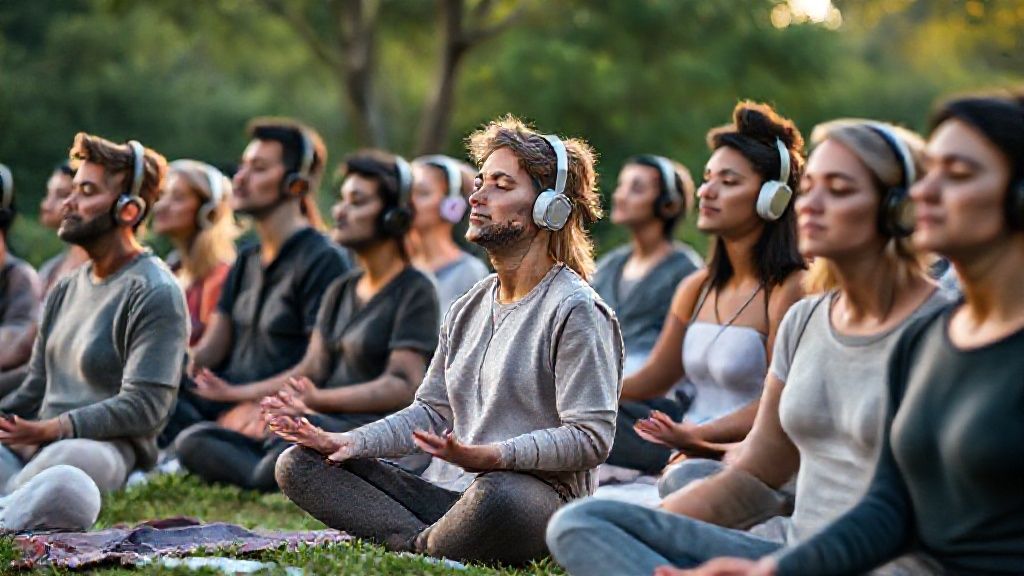
**Guided meditation is a practice where an experienced teacher or a recorded voice leads you through a series of mental visualizations and instructions, helping you achieve a state of relaxation, mindfulness, or specific therapeutic outcomes.** It's an ideal starting point for anyone new to meditation, providing structure and support for the wandering mind. Think of it as having a personal trainer for your mental fitness - they demonstrate the moves, correct your form, and encourage you when the mental muscles start to tire.

## Defining the Practice: How Guided Meditation Works
When you **define guided meditation**, it's essential to understand the beautiful simplicity of its mechanics. Unlike traditional silent meditation where you're navigating your inner landscape alone, guided meditation provides a verbal map and compass for your journey inward.
**The Role of the Guide** serves as your navigator through the meditation experience. This could be a live instructor, a recorded voice from an app, or an audio track. The guide's voice becomes your anchor, offering clear instructions about where to direct your attention, how to breathe, and what to visualize. A skilled guide uses pacing, tone, and carefully chosen words to create a safe container for your practice.
**The Listener's Experience** is one of surrendered focus. Your job isn't to "get it right" but simply to follow the verbal cues as they guide your awareness through different sensations, images, and mental states. You might be directed to notice the feeling of your breath, visualize a peaceful scene, or systematically relax different parts of your body. The guidance acts like training wheels - there when you need them, providing stability as you develop your meditation muscles.
**The Difference Between Guided and Unguided Meditation** comes down to structure versus independence. Guided meditation provides external direction, making it exceptionally accessible for beginners. Unguided meditation requires you to maintain focus and direction independently, which can feel daunting when you're just starting. Many practitioners use guided sessions as their foundation before gradually incorporating silent meditation. For those curious about what a guide actually says, we offer a [sample guided meditation script](https://mindfulnesspractices.life/guided-meditation-script) to demystify the process.
## The Core Benefits: Why Try Guided Meditation?
The growing popularity of guided meditation isn't just a wellness trend - it's backed by substantial research showing tangible benefits for mental, emotional, and even physical health. Here's what you can expect from a consistent practice.
### For Instant Stress Relief and a Calm Mind
Guided meditation provides an immediate refuge from the storm of stressful thoughts. The combination of focused breathing and calming narration activates your parasympathetic nervous system - your body's natural relaxation response. This physiological shift lowers cortisol levels, slows your heart rate, and reduces blood pressure. Instead of getting caught in cycles of worry about the future or regret about the past, the guide's voice continually brings you back to the present moment. For those dealing with persistent worry, our specialized [guided meditation for anxiety](https://mindfulnesspractices.life/guided-meditation-for-anxiety) offers targeted relief.
### For Deeper, More Restorative Sleep
Many people struggle with "monkey mind" at bedtime - that frustrating experience where your thoughts swing wildly from branch to branch just when you want to quiet down. Guided sleep meditations use soothing visualizations and body relaxation techniques to ease this mental chatter. By following the gentle guidance, you transition smoothly from wakefulness to sleep without the struggle. The structured approach gives your busy mind something constructive to focus on, preventing it from drifting into stressful thoughts. Discover how our [bedtime sleep meditation](https://mindfulnesspractices.life/sleep-meditation) can transform your nights.
### For Enhanced Self-Awareness and Emotional Balance
Regular guided meditation cultivates what psychologists call "metacognition" - the ability to observe your thoughts and feelings without immediately reacting to them. As you practice noticing thoughts arise without judgment (as the guide often reminds you), you create space between stimulus and response. This mental space is where emotional intelligence grows. You begin to recognize patterns in your thinking, understand your emotional triggers, and respond to challenges with greater wisdom rather than automatic reactions.

## What to Expect in a Typical Session
Knowing what to expect can ease any apprehension about your first guided meditation experience. While sessions vary in style and purpose, most follow a similar comforting structure.
Most sessions begin with **Finding a Quiet Space** where you're unlikely to be interrupted. This doesn't need to be perfectly silent - a corner of your bedroom, a parked car, or even a quiet office space can work. The goal is creating an environment where you can direct your attention inward without significant external distractions.
**Common Formats** you'll encounter include:
- **Body Scans**: Systematic attention to different parts of the body, noticing sensations without judgment
- **Visualizations**: Guided imagery to peaceful places or healing scenarios
- **Loving-Kindness (Metta)**: Cultivating feelings of goodwill toward yourself and others
- **Breath Awareness**: Using the breath as an anchor for present-moment awareness
### Session Lengths: From One Minute to One Hour
One of guided meditation's greatest strengths is its flexibility. You don't need to carve out hours from your busy schedule to experience benefits.
**Short sessions (1-10 minutes)** are perfect for quick resets during stressful days. These brief practices can lower your stress response before an important meeting, improve focus when mental fatigue sets in, or provide a moment of centering during emotional overwhelm. Our [brief grounding meditation script](https://mindfulnesspractices.life/2-minute-grounding-meditation-script) demonstrates how much transformation can happen in just two minutes.
**Medium sessions (10-20 minutes)** offer deeper immersion while remaining accessible for most schedules. This length allows time to settle into the practice, work with more detailed visualizations, and experience more profound relaxation effects. Many people find a daily 20-minute session creates noticeable improvements in their overall stress levels and emotional resilience. Experience the depth of a [20-minute mindfulness meditation](https://mindfulnesspractices.life/20-minute-mindfulness-meditation) for yourself.
**Long sessions (30-60+ minutes)** provide space for profound exploration and healing. These extended practices allow for working through layered emotional material, deep physical relaxation, and accessing states of consciousness that shorter sessions can't reach.
## Getting Started: Your First Guided Meditation
Beginning a meditation practice can feel intimidating, but guided meditation removes many of the common barriers. Here's how to take those first simple steps.
### How to Find Quality Guided Meditations
The digital age has made accessing excellent guidance easier than ever. Consider these sources:
**Meditation Apps** like Insight Timer, Calm, and Headspace offer vast libraries of guided sessions for every need and experience level. Most provide free content alongside premium subscriptions.
**YouTube channels** dedicated to meditation provide free access to thousands of guided practices. Search for specific needs like "anxiety relief" or "sleep meditation."
**Podcasts** offer meditation on-the-go, with many excellent teachers offering daily or weekly guided sessions.
When selecting guided meditations, pay attention to the teacher's voice and style. Different approaches resonate with different people. Our curated list of the [best guided meditations for beginners](https://mindfulnesspractices.life/best-guided-meditation) can help you find the perfect starting point.
### Tips for Your First Session
**Approach with curiosity, not expectations.** There's no "perfect" meditation, and your mind will wander - that's normal and expected. The practice is in gently returning your attention when you notice it has drifted.
**Get physically comfortable**, but not so comfortable you'll fall asleep (unless it's a sleep meditation). You can sit in a chair, on a cushion, or even lie down. The key is maintaining alertness while being comfortable enough to relax.
**Be kind to yourself.** If you find yourself critical of your performance, gently note that thought and return to the guide's voice. Every meditator - including experienced teachers - experiences distractions and restlessness.

## Exploring Different Types of Guided Meditation
As you become comfortable with basic guided meditation, you might discover that certain styles particularly resonate with your needs and preferences. The beauty of this practice is its incredible diversity.
### For Anxiety and Overthinking
Guided meditations for anxiety often include specific techniques like grounding (connecting with physical sensations), breath regulation, and cognitive reframing. The guide helps you relate to anxious thoughts as passing mental events rather than absolute truths. For those dealing with persistent worry patterns, our [extended meditation for anxiety and overthinking](https://mindfulnesspractices.life/20-minute-guided-meditation-for-anxiety-and-overthinking) provides comprehensive support.
### For Mindfulness and Presence
Mindfulness-focused guided meditations train your ability to stay present with whatever arises in your experience - pleasant, unpleasant, or neutral. These practices build your "mindfulness muscle" for everyday life, helping you become less reactive and more responsive. A regular [10-minute calming mindfulness practice](https://mindfulnesspractices.life/10-minute-mindfulness) can significantly enhance your daily presence.
### For Sleep and Relaxation
Sleep meditations use specific techniques like progressive muscle relaxation, guided imagery of restful scenes, and breath patterns that stimulate the relaxation response. The narration is typically slower and more soothing than mindfulness practices. Explore our [guided sleep meditation for physical healing](https://mindfulnesspractices.life/guided-sleep-meditation-for-healing-the-body) to support both rest and recovery.
### For Specific Techniques: Body Scans & Visualization
Body scan meditations systematically move your attention through different regions of the body, developing interoceptive awareness (sensitivity to internal sensations). This practice is particularly helpful for people who live "in their heads" and want to reconnect with physical presence. Visualization practices use the mind's innate capacity for imagery to create states of relaxation, confidence, or healing. Download our [free body scan meditation PDF](https://mindfulnesspractices.life/5-minute-body-scan-script-pdf) to experience this powerful technique.
## Frequently Asked Questions (FAQ)
### Is Guided Meditation Good for Beginners?
**Absolutely.** Guided meditation is widely considered the ideal starting point for beginners. The external guidance provides structure that prevents the mind from wandering aimlessly, offers reassurance when challenges arise, and demonstrates proper technique. It's like learning to swim with floatation devices before venturing into deep water alone.
### How Is Guided Meditation Different From Sleeping?
**While deeply relaxing, you remain in a state of conscious awareness during guided meditation, actively following the guidance, unlike the unconscious state of sleep.** You might dip into the threshold between waking and sleeping, but the intention is mindful presence rather than unconscious rest. That said, guided meditation can be an excellent preparation for sleep.
### Can I Lead a Guided Meditation for Others?
**Yes, with a little practice and a well-structured script.** Many people find leading guided meditations for friends, family, or even in professional settings deeply rewarding. The key is developing your own consistent practice first, then learning basic facilitation skills. If you're interested in sharing this practice, our guide on how to [learn how to lead a guided meditation](https://mindfulnesspractices.life/how-to-lead-a-guided-meditation) provides practical steps.
### What's the Best Time of Day for Guided Meditation?
**It depends on your goal.** A morning session can set a positive, centered tone for your day, while an evening session can promote restful sleep. Many people benefit from both - a shorter practice to start their day and a longer one to unwind. Experiment to discover what serves you best. Our [short morning guided meditation](https://mindfulnesspractices.life/5-minute-guided-meditation-morning) offers an perfect way to begin your day with intention.
## Conclusion & Call to Action
Guided meditation is a powerful, accessible tool for anyone looking to reduce stress, improve sleep, and cultivate mindfulness. It provides the supportive framework needed to build a consistent and rewarding practice, offering a personal guide for your journey inward. In our increasingly distracted world, this ancient practice adapted for modern life might be exactly what we need to remember how to be present with ourselves.
The benefits extend far beyond the meditation cushion - into how you handle stress, relate to others, and experience each moment of your precious life. Unlike many self-improvement approaches that require intense effort, meditation works through gentle, consistent presence.
**Ready to experience the benefits for yourself? You don't need to wait. Find a quiet space, press play on a short guided meditation, and give yourself the gift of presence today. Your journey to a calmer mind starts now.**