Régulation de la Respiration : Le Guide Ultime pour Contrôler Votre Souffle et Atteindre un Calme Immédiat - Life

That moment when your heart starts racing, your thoughts spiral, and you notice your breathing has become shallow and rapid—we’ve all been there. Whether it’s a tight deadline, a difficult conversation, or just the cumulative stress of modern life, our bodies often signal distress through our breath before our minds even catch up.
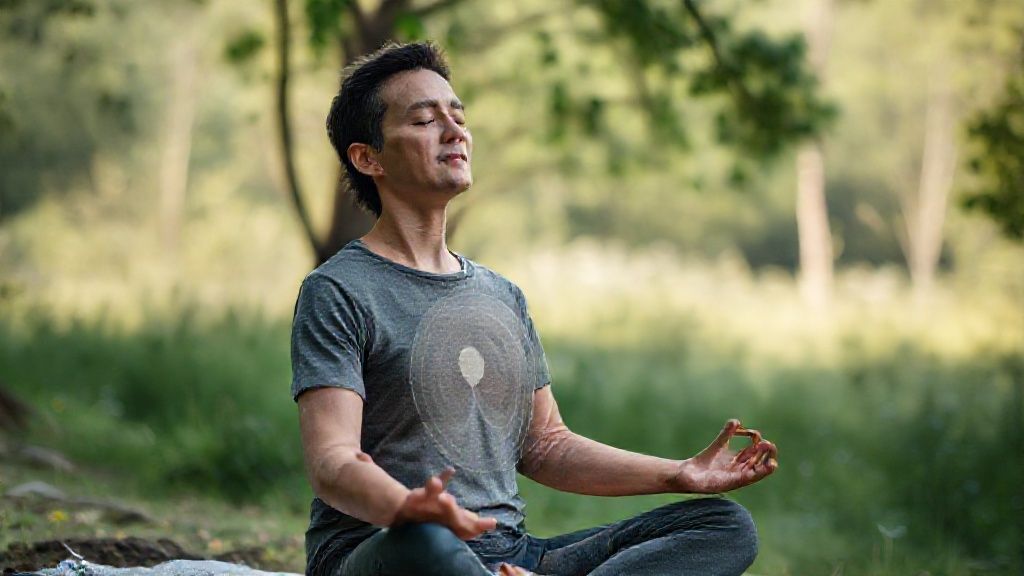
Breath regulation is the conscious practice of controlling the pace, depth, and pattern of your breathing to directly influence your nervous system. It is a foundational tool used in meditation, yoga, and modern psychology to reduce stress, improve focus, and enhance overall well-being.
This comprehensive guide will demystify the science behind why something as simple as breathing differently can transform your mental and physical state. More importantly, we’ll provide practical, accessible techniques you can implement anywhere—from a 1-minute exercise at your desk to a dedicated 20-minute meditation session.
Why Breath Regulation Works: The Science of Breathing
To understand why breath regulation is so powerful, we need to explore the autonomic nervous system—the part of your body that controls automatic functions like heartbeat, digestion, and yes, breathing.
Your autonomic nervous system has two main components: the sympathetic nervous system (your “fight or flight” response) and the parasympathetic nervous system (your “rest and digest” mode). When you’re stressed, anxious, or in danger, your sympathetic nervous system kicks in, releasing cortisol and adrenaline, increasing your heart rate, and preparing your body for action. This is why stress makes your breathing rapid and shallow—your body thinks it needs extra oxygen for fighting or fleeing.
The remarkable thing about breathing is that it’s unique among autonomic functions: it happens automatically, but we can also control it consciously. This gives us a rare opportunity—we can use controlled breathing as a manual override to signal our brain to switch from sympathetic to parasympathetic dominance.
When you practice slow, deep, regulated breathing, you’re essentially sending a message to your brain: “Everything is safe. We can relax now.” This triggers a cascade of physiological changes:
- Lowered heart rate and blood pressure
- Reduced cortisol levels (the primary stress hormone)
- Increased oxygen delivery to your brain and tissues
- Improved heart rate variability (a key marker of resilience)
- Activation of the vagus nerve, which plays a crucial role in calming your entire system
The benefits extend beyond momentary relaxation. Regular practice can rewire your nervous system to be more resilient to stress, improve your focus and cognitive function, and even enhance emotional regulation.
Foundational Breath Regulation Techniques to Start With
Diaphragmatic Breathing (Belly Breathing)
Diaphragmatic breathing, often called “belly breathing,” is the cornerstone of most breath regulation practices. It ensures you’re breathing deeply and efficiently, engaging your diaphragm—the dome-shaped muscle at the base of your lungs.
Step-by-Step Instructions:
- Find a comfortable position, either sitting upright with your back straight or lying on your back.
- Place one hand on your chest and the other on your belly.
- Inhale slowly through your nose for about 4 seconds, focusing on expanding your belly rather than your chest. The hand on your belly should rise, while the hand on your chest remains relatively still.
- Exhale slowly through your mouth or nose for about 6 seconds, feeling your belly fall.
- Continue this pattern for 5-10 cycles, maintaining your focus on the rise and fall of your belly.
For those dealing with anxiety, this technique is a core component of respiration diaphragmatique pour l'anxiété.
The 4-7-8 Breathing Method for Sleep & Relaxation
Developed by Dr. Andrew Weil, the 4-7-8 technique is particularly effective for calming the nervous system and preparing for sleep. The extended exhalation is key to activating the parasympathetic response.
Step-by-Step Instructions:
- Sit with your back straight or lie down in bed.
- Place the tip of your tongue against the ridge of tissue behind your upper front teeth and keep it there throughout the exercise.
- Exhale completely through your mouth, making a whoosh sound.
- Close your mouth and inhale quietly through your nose for a count of 4.
- Hold your breath for a count of 7.
- Exhale completely through your mouth, making a whoosh sound, for a count of 8.
- This completes one cycle. Repeat for 3-4 cycles to start, gradually working up to 8 cycles.
This technique is perfect to incorporate into a nightly wind-down routine. Pair it with a dedicated méditation guidée pour le sommeil for deeper rest.

Integrating Breath Regulation into Your Daily Life
The true power of breath regulation emerges when you move beyond occasional practice and integrate it into your daily routine. Here’s how to make breath work a natural part of your life.
For Instant Stress Relief (Under 5 Minutes)
When stress strikes unexpectedly, you don’t need a 30-minute meditation session to regain your equilibrium. Brief breath regulation practices can provide immediate relief.
The 1-Minute Reset: When you feel overwhelmed, pause and take just three deep, conscious breaths. Inhale for four counts, exhale for six counts. This simple practice can interrupt the stress response and give you a moment of clarity.
If you only have a moment, this exercice de respiration d’1 minute is perfect.
The 5-Minute Reset: Find a quiet space (even a bathroom stall will work), set a timer for five minutes, and practice diaphragmatic breathing or the 4-7-8 method. This gives your nervous system enough time to shift into a calmer state.
For a slightly longer reset, follow this méditation guidée de 5 minutes.
For a Focused Morning Routine
How you start your day often sets the tone for everything that follows. Incorporating breath regulation into your morning routine can help you approach the day with intention and calm clarity.
Try this: Before checking your phone or email, take five minutes for conscious breathing. Sit by a window if possible, and practice diaphragmatic breathing while setting an intention for your day. This simple practice can prevent you from being immediately reactive and instead help you approach your day proactively.
Start your day with clarity using a specific Méditation guidée de 5 minutes le matin.
Pour gérer l’anxiété et la rumination mentale
When anxious thoughts begin to spiral, breath regulation serves as an anchor to the present moment. The physical sensation of breathing provides something tangible to focus on when your mind feels out of control.
The Anxiety Interruption Technique: When you notice anxiety building, immediately shift your attention to your breath. Don’t try to change it at first—just observe it. Then gradually begin to lengthen your exhalations. The extended exhalation is particularly effective for calming the nervous system.
Position breath work as a first-response tool for anxious thoughts. When feeling overwhelmed, a structured session can be incredibly helpful. Try this méditation guidée de 20 minutes pour l'anxiété et la rumination.
For Preparing for Sleep
Many people struggle with “monkey mind” at bedtime—when your thoughts won’t quiet down enough for sleep to come. Breath regulation is one of the most effective tools for transitioning from wakefulness to rest.
The Bedtime Breath Practice: Once you’re in bed, turn off all screens and lights. Begin with 5-10 cycles of the 4-7-8 breathing method. If your mind wanders, gently return your focus to the counting and the sensation of breathing. This practice not only calms your nervous system but also gives your busy mind a simple, repetitive task to focus on instead of ruminating.
Combine these breathing techniques with a body scan to release physical tension. Learn how in this méditation par balayage corporel pour le sommeil.

Approfondir votre pratique avec la méditation guidée
Bien que la régulation respiratoire puisse être pratiquée indépendamment, les méditations guidées peuvent considérablement enrichir votre pratique—en particulier lorsque vous débutez ou souhaitez approfondir une pratique existante.
Les méditations guidées offrent une structure et allègent la charge mentale de l'auto-guidage, vous permettant de vous concentrer uniquement sur la respiration et l'instant présent. Un guide compétent peut fournir des indications subtiles qui vous aident à remarquer des aspects de votre expérience que vous pourriez autrement négliger.
Sessions courtes (5-10 minutes)
Les séances guidées brèves sont parfaites pour établir une régularité, surtout lors des journées chargées. Elles sont suffisamment longues pour créer un changement notable dans votre état, mais assez courtes pour s'intégrer même dans l'emploi du temps le plus rempli.
Nouveau dans la pratique ? Une brève Méditation guidée courte est un excellent moyen de commencer.
Pour un réajustement rapide de l'anxiété, cette méditation de 10 minutes pour l'anxiété est très efficace.
Sessions longues (15-20 minutes)
Les séances guidées plus longues permettent une exploration plus profonde de la régulation respiratoire. Elles donnent à votre système nerveux suffisamment de temps pour s'installer dans un état de profonde relaxation et peuvent être particulièrement transformatrices si elles sont pratiquées régulièrement.
Pour développer votre résilience et apaiser profondément votre système nerveux, une séance plus longue comme cette méditation de pleine conscience de 20 minutes est idéale.
FAQ sur la régulation respiratoire (Optimisée pour la recherche vocale)
Quelle est la meilleure technique de respiration pour l'anxiété ?
La respiration diaphragmatique et la méthode 4-7-8 sont très efficaces contre l'anxiété. La clé réside dans des expirations lentes et profondes qui activent directement la réponse de relaxation du corps. Pour une séance guidée axée spécifiquement sur cela, essayez cette méditation guidée pour l'anxiété.
Comment puis-je réguler ma respiration pour dormir ?
Concentrez-vous sur les techniques qui prolongent votre expiration, comme la méthode 4-7-8, et pratiquez-les en étant allongé dans votre lit pour créer une forte association avec le sommeil. Une méditation dédiée au sommeil peut vous guider dans ce processus. Nous recommandons cette méditation guidée pour un sommeil profond.
Combien de temps faut-il pour que la régulation respiratoire fasse effet ?
Vous pouvez ressentir un effet apaisant en seulement 60 à 90 secondes. Une pratique quotidienne régulière, même de seulement 5 minutes, renforce la résilience au stress à long terme. Plus vous pratiquez régulièrement, plus votre corps répondra rapidement et efficacement aux techniques de régulation respiratoire.
La régulation respiratoire peut-elle aider à la concentration ?
Absolument. En calmant le système nerveux, la régulation respiratoire réduit le bavardage mental et prépare le cerveau à un maintien de l'attention, un peu comme un exercice de pleine conscience. Améliorez votre concentration avec des exercices de concentration de l'attention.

Conclusion & Appel à l'Action (CTA)
La régulation respiratoire est peut-être l'outil le plus accessible, puissant et immédiat dont nous disposons pour influencer notre état mental et émotionnel. Elle ne nécessite aucun équipement spécial, ne coûte rien et peut être pratiquée n'importe où, à tout moment. Plus qu'une simple technique de gestion du stress, c'est un moyen de reprendre le contrôle de votre propre système nerveux et de cultiver un fond de calme qui soutient chaque aspect de votre vie.
Les techniques décrites dans ce guide—des pratiques fondamentales comme la respiration diaphragmatique aux applications quotidiennes intégrées—offrent un chemin vers une plus grande résilience, concentration et paix. Mais lire sur la régulation respiratoire n'est que la première étape ; la véritable transformation se produit lorsque vous en faites une pratique régulière.
Votre appel à l'action est simple : Choisissez une technique de ce guide—peut-être la méthode 4-7-8 pour le sommeil ou la respiration diaphragmatique pour soulager le stress—et engagez-vous à la pratiquer aujourd'hui. Pour une expérience entièrement guidée afin d'approfondir votre pratique, explorez notre bibliothèque de méditations guidées pour tous les besoins, du soulagement du stress au sommeil.
Prêt à vivre une séance guidée complète ? Commencez par l'un de nos guides les plus populaires pour un esprit calme avec cette méditation guidée pour un esprit calme.