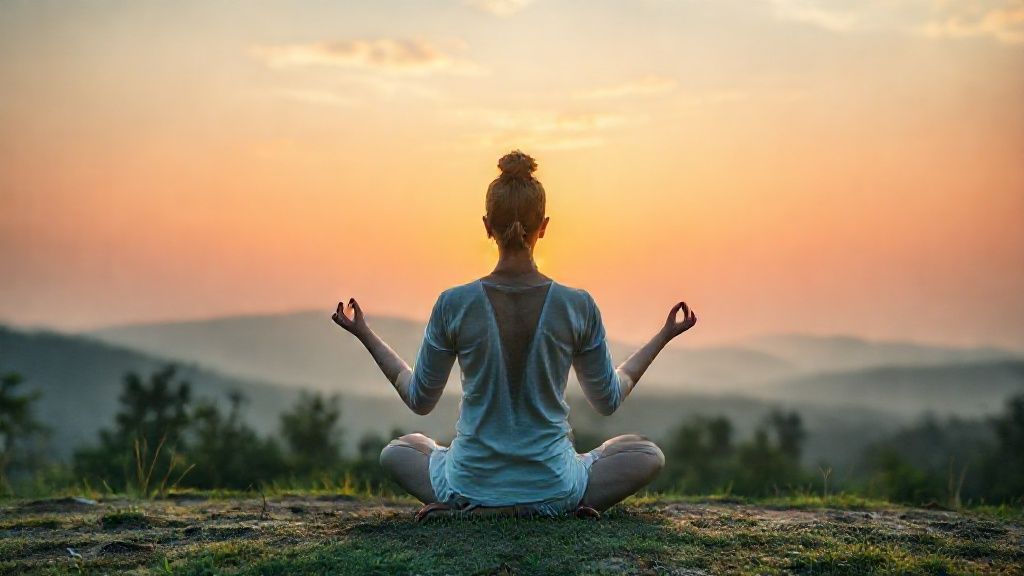
Finding Your Foundation: The Ultimate Guide to Buddhist Meditation Posture
Have you ever tried to meditate but found your mind racing, your back aching, or your legs falling asleep? You’re not alone. Many practitioners struggle with physical discomfort that distracts from their mental practice. The secret to a deeper, more comfortable meditation might not be in your mind, but in your posture.
A Buddhist meditation posture is a specific alignment of the body designed to promote alertness, stability, and mental clarity. The most recognized postures include the full lotus, half-lotus, Burmese, and Seiza, all of which prioritize a straight, relaxed spine to facilitate the free flow of energy and awareness.

Why Posture Is the Cornerstone of Buddhist Meditation
In Buddhist tradition, the body and mind are not separate entities but interconnected aspects of our experience. The physical container we create through posture directly influences the quality of our mental state. Think of your posture as the foundation of a house—without a stable base, the entire structure becomes shaky and unstable.
The Link Between Spine and Mind
Your spinal alignment serves as the central channel connecting physical stability to mental clarity. When you sit with a slumped back, your breathing becomes constricted and your mind tends toward drowsiness or distraction. An upright spine supports an alert, attentive mind by allowing your diaphragm to move freely and your nervous system to remain balanced between relaxation and vigilance.
Stability for Inner Exploration
Physical stability creates a container for emotional and mental stability. When your body feels grounded and secure, your mind can more easily settle into the present moment. This external steadiness provides the confidence to explore internal landscapes—thoughts, emotions, and sensations—without being swept away by them.
Facilitating the Flow of Energy (Prana)
In many Eastern traditions, the body contains subtle energy channels through which life force (known as prana or chi) flows. A proper meditation posture helps keep these channels open and aligned, allowing energy to circulate freely rather than becoming blocked or stagnant. This energetic balance supports deeper states of concentration and insight.
The 7 Essential Points of Posture: A Traditional Framework
The Buddha himself provided guidance on meditation posture, and these seven points have been refined over centuries by meditation masters across Buddhist traditions. Together, they create an integrated system that supports both physical comfort and mental awakening.
1. The Foundation: Seat & Legs (The Asana)
Your sitting base determines everything that follows. The ideal position provides three points of contact with the ground, creating a stable triangular foundation. Here are the primary positions, from most to least traditional:
- Full Lotus (Padmasana): Each foot rests on the opposite thigh, soles facing upward. This creates an extremely stable base but requires significant hip flexibility.
- Half-Lotus (Ardha Padmasana): One foot rests on the opposite thigh, while the other foot rests beneath the opposite knee. This offers similar stability with less flexibility required.
- Burmese Position: Both legs are folded in front of you with feet resting on the floor. This is often the most accessible cross-legged position for Western practitioners.
- Seiza (Kneeling): Kneeling with a meditation bench or cushion between your legs. Excellent for those with hip issues.
- Using a Chair: Sitting forward on a chair with feet flat on the floor and spine unsupported. Perfect for those with physical limitations.
Remember: comfort and a stable base are more important than achieving a “perfect” pose.
2. The Pillar: A Straight, Relaxed Spine
This is arguably the most crucial element. Your spine should be upright but not rigid, maintaining its natural S-curves. Imagine your vertebrae stacking gently one upon another, with the crown of your head reaching toward the sky. To find this alignment, gently rock forward and backward until you find the point where your body naturally balances with minimal muscular effort.
If you’re struggling with physical tension, our guided meditation for releasing physical tension can help you develop greater body awareness.
3. The Gateway: Hand Position (Mudra)
The classic Cosmic Mudra involves resting your hands in your lap, right palm cradled in left palm, with thumbs lightly touching to form an oval. This position symbolizes the integration of wisdom (right hand) and method (left hand), with the thumb connection maintaining just enough tension to keep you alert. Your hands should rest comfortably against your lower abdomen, about two finger-widths below your navel.
4. The Window: Softly Gazing Eyes
In most Buddhist traditions, eyes remain partially open, gazing softly downward at a 45-degree angle about three to four feet in front of you. This prevents drowsiness and maintains connection with your environment while minimizing visual distraction. If keeping eyes open feels too stimulating, you can begin with closed eyes and gradually work toward this practice.
5. The Alignment: Chin Slightly Tucked
Gently tucking your chin aligns your cervical spine and supports alertness. Imagine you’re holding a peach between your chin and your throat—enough space to breathe, but not so much that your head juts forward. This subtle adjustment prevents neck strain and supports the natural curvature of your spine.
6. The Anchor: Relaxed Shoulders
Many of us carry tension in our shoulders. Roll your shoulders up toward your ears, then back and down, settling into a natural, relaxed position. Your shoulder blades should gently draw toward each other, opening your chest slightly. This position allows for full, unrestricted breathing.
7. The Lock: Tongue on the Roof of the Mouth
Place the tip of your tongue lightly against the roof of your mouth, just behind your front teeth. This subtle energetic seal helps prevent excessive salivation and connects the central energy channels in your body. In some traditions, this is believed to prevent the dissipation of subtle energies during meditation.

Choosing Your Perfect Posture: A Practical Guide
With so many options, how do you choose what’s right for your body? Let’s explore which positions work best for different needs and body types.
For the Flexible Practitioner: Lotus & Half-Lotus
If you have open hips and flexible joints, the lotus positions offer exceptional stability. The locked leg position creates an immovable base that can support long meditation sessions. However, never force these positions—the goal is comfort, not achievement. If you feel any sharp pain in your knees or hips, immediately switch to a gentler position.
For Most Meditators: The Burmese Position
The Burmese position offers the stability of cross-legged sitting without requiring extreme flexibility. Both knees can comfortably reach the ground, creating a solid triangular base. This is often the ideal starting point for those new to floor sitting and remains the preferred position for many experienced practitioners.
For Those with Knee or Hip Issues: Seiza (Kneeling)
The Seiza position removes pressure from the hips and knees by directing your weight downward through your shins. Using a meditation bench elevates your seat, preventing compression in your ankles and feet. This position naturally encourages an upright spine and is excellent for those with physical limitations.
To complement your posture practice, try our meditación de escaneo corporal de 5 minutos to develop greater awareness of physical sensations.
Accessible to All: Meditation on a Chair
Chair meditation is a completely valid approach that anyone can practice. Choose a straight-backed chair and sit forward so your spine supports itself. Keep your feet flat on the floor, hip-width apart, with knees directly above ankles. You may place a cushion behind your lower back for support, but avoid leaning heavily against the chair back.
Common Posture Mistakes and How to Fix Them
Even with the best intentions, it’s easy to develop habits that undermine your meditation practice. Here are the most common posture mistakes and how to correct them.
Slouching vs. a Relaxed Spine
The Problem: Collapsing forward, rounding the shoulders, and tucking the pelvis under. This compresses the diaphragm and encourages mental dullness.
The Fix: Imagine a string attached to the crown of your head, gently pulling upward. Rock your pelvis slightly forward until you find the natural balance point where your spine supports itself with minimal effort.
Forzar la Postura del Loto (y Arriesgar Lesiones)
The Problem: Esforzarse a través del dolor para lograr lo que parece una postura de meditación “correcta”, pudiendo causar daño en rodillas o caderas.
The Fix: Respeta las limitaciones de tu cuerpo. Elige una posición que te permita sentarte cómodamente durante el tiempo de meditación previsto. Recuerda que la estabilidad y la comodidad siempre priman sobre la apariencia.
Tensar la Mandíbula y los Hombros
The Problem: Apretar inconscientemente los músculos de la mandíbula o elevar los hombros hacia las orejas, creando una tensión innecesaria que distrae de la meditación.
The Fix: Escanea periódicamente tu cuerpo en busca de tensión durante la meditación. Libera conscientemente la mandíbula, permitiendo un pequeño espacio entre los dientes superiores e inferiores. Deja que los hombros caigan lejos de las orejas.
Si la tensión física proviene de ansiedad mental, nuestra meditación guiada para la ansiedad puede ayudar a abordar ambas simultáneamente.
Apoyando tu Práctica: Accesorios y Preparación
Los soportes adecuados pueden transformar tu experiencia de meditación de una lucha a un placer. Estos son los accesorios esenciales que pueden ayudarte a mantener una alineación correcta.
Cojines de Meditación (Zafu): Estos cojines firmes y redondos elevan las caderas por encima de las rodillas, permitiendo que la pelvis se incline hacia adelante naturalmente. Esto ayuda a mantener la curva natural de la columna sin esfuerzo muscular.
Bancos de Meditación: Para posiciones de rodillas, un banco de meditación proporciona un excelente soporte mientras fomenta la alineación correcta de la columna. El asiento inclinado hace que la pelvis se incline hacia adelante automáticamente.
Mantas y Esterillas: Una esterilla de yoga o una alfombra bajo los tobillos y rodillas proporciona amortiguación, mientras que las mantas dobladas pueden ajustar la altura o brindar soporte adicional.
Para una orientación personalizada sobre postura y técnica, considera visitar uno de nuestros centros de meditación recomendados cerca de ti.

Más Allá del Cojín: Integrando la Conciencia Postural
Los beneficios de una postura de meditación correcta se extienden mucho más allá de tu práctica formal. La conciencia que cultivas en el cojín puede transformar cómo te sostienes durante todo el día.
Observa tu postura mientras trabajas en la computadora, haces fila o caminas por la calle. Los mismos principios se aplican: una columna erguida pero relajada, hombros liberados lejos de las orejas, barbilla ligeramente recogida. Esta atención plena postural continua convierte todo tu día en una oportunidad para practicar.
Para aprender más sobre cómo llevar la atención plena a todos los aspectos de tu vida, explora nuestra guía sobre qué es la meditación guiada y cómo puede apoyar tu práctica.
Preguntas Frecuentes (FAQ)
P: ¿Cuál es la parte más importante de una postura de meditación budista?
R: Una columna recta pero relajada es primordial, ya que equilibra el estado de alerta y la relajación, permitiendo una concentración más profunda. Todos los demás elementos apoyan esta alineación central.
P: No puedo sentarme con las piernas cruzadas. ¿Está bien meditar en una silla?
R: Absolutamente. La esencia de la postura es la alineación de la columna, no la posición de las piernas. Usar una silla es una forma completamente válida y efectiva de practicar. Muchos reconocidos maestros de meditación enseñan regularmente meditación en silla.
P: ¿Cuánto tiempo debo intentar mantener una postura de meditación?
R: Empieza poco a poco. Es mejor mantener una postura correcta durante 5 minutos que una dolorosa durante 20. A medida que tu cuerpo se adapta, extiende gradualmente tu tiempo de sentada. Puedes comenzar con una breve meditación guiada de 5 minutos para desarrollar tu resistencia postural cómodamente.
P: ¿Realmente la postura afecta la calidad de mi meditación?
R: Sí, significativamente. Una postura estable y cómoda reduce las distracciones físicas, permitiéndote enfocar tu conciencia hacia adentro, conduciendo a una mente más tranquila y concentrada. El contenedor físico influye directamente en tu experiencia mental y emocional. Para experimentar esta conexión directamente, prueba una meditación para la paz que incorpore estos principios posturales.
Conclusión y Llamado a la Acción
Tu postura de meditación es mucho más que cómo te sientas; es el fundamento sobre el cual se construye toda tu práctica. Los siete puntos de la postura crean un sistema integrado que apoya el estado de alerta, la estabilidad y la claridad mental. Recuerda que encontrar una posición sostenible y cómoda es un viaje personal, no se trata de lograr una forma idealizada.
Tu postura es la base de tu práctica. No solo leas sobre ello, experiméntalo. Te animamos a preparar tu asiento hoy. Para una práctica estructurada que incorpore estos principios posturales, comienza tu viaje de meditación guiada aquí con nuestras sesiones especialmente diseñadas para principiantes.