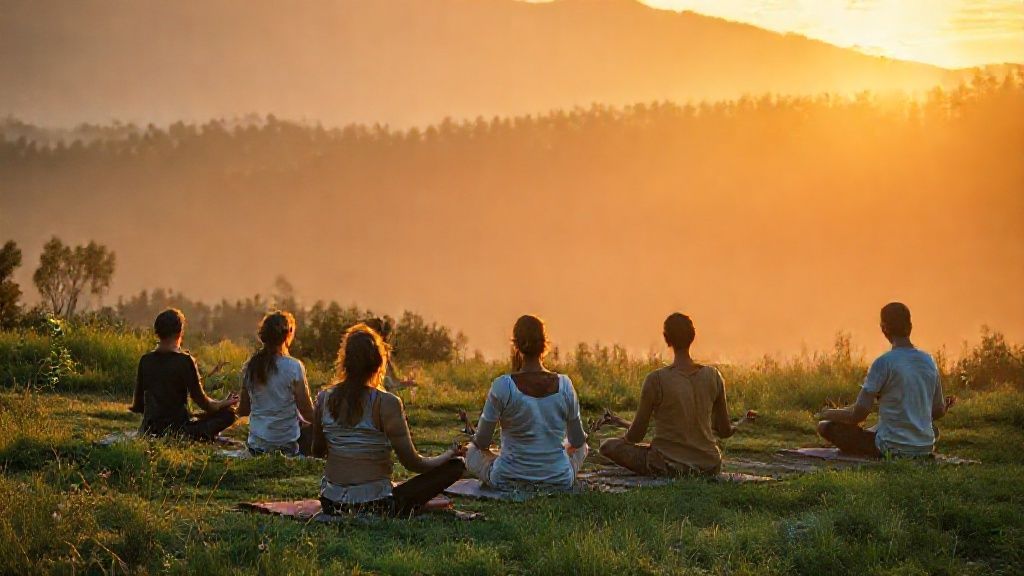
Finding Your Zen: The Ultimate Guide to the Best Meditation Types for You
In a world of constant noise, finding the best meditation practice can feel overwhelming. Is it mindfulness? Guided sessions? Or a silent retreat? The truth is, the “best” meditation is the one that fits your unique needs, lifestyle, and goals. This definitive guide will cut through the confusion, breaking down the most effective meditation types to help you build a sustainable practice that brings calm, focus, and peace into your daily life.

What Is Meditation, Really? Beyond the Stereotypes
Meditation isn’t about becoming a different person or emptying your mind completely. At its core, meditation is a practice for training attention and awareness. Think of it as mental fitness – just as you’d go to the gym to strengthen your body, meditation strengthens your mind’s ability to focus, remain present, and respond rather than react to life’s challenges.
Let’s debunk some common myths right away: You don’t need to sit in lotus position for hours, you don’t need to be spiritual or religious, and you certainly don’t need to stop your thoughts entirely. The goal is to notice your thoughts without getting swept away by them.
For readers completely new to the concept, we have a detailed explainer: Learn more about what guided meditation involves.
How to Choose the Best Meditation Practice for Your Goals
The most effective meditation practice is the one that addresses your specific needs. Here’s how to match your goals with the right technique:
For Stress and Anxiety Relief
When you’re feeling overwhelmed, anxious, or stressed, you need practices that ground you in the present moment and calm your nervous system. Focused-attention and mindfulness meditations are particularly effective because they interrupt the cycle of anxious thoughts and bring your awareness back to your body and breath.
To get started with immediate relief, try this: una meditación rápida de 5 minutos para la ansiedad. For a longer session, explore this: guided meditation specifically for stress.
For Better Sleep
If you struggle with falling asleep or staying asleep, meditation can be a game-changer. Body scan and guided sleep meditations help transition your brain from active beta waves to relaxed alpha and theta waves, preparing your body and mind for restful sleep.
If sleepless nights are your main concern, this resource is perfect: meditación de escaneo corporal para dormir. Or, wind down with this: a healing sleep meditation.
For Focus and Mindfulness
In our distraction-filled world, the ability to focus is becoming increasingly rare and valuable. Mindfulness and breath-awareness practices train your “attention muscle,” helping you stay present and concentrated throughout your day.
Sharpen your focus with a short, effective practice: un ejercicio de respiración de un minuto. For a more structured approach, try this: sesión de mindfulness de 10 minutos.
For Personal Growth and Compassion
Meditation isn’t just about calming your mind – it’s also about transforming your relationship with yourself and others. Loving-Kindness (Metta) and visualization meditations can help cultivate compassion, boost self-esteem, and work through emotional blocks.
Cultivate kindness with a classic script: Loving-Kindness (Metta) meditation script. Or, explore guided imagery here: guided visualization meditation.

A Deep Dive Into the Most Popular Types of Meditation
Now that you understand how to match meditation to your goals, let’s explore the most popular and effective meditation types in detail.
Mindfulness Meditation
Description: Mindfulness meditation involves anchoring your awareness in the present moment without judgment. You observe your thoughts, feelings, and bodily sensations as they arise, acknowledging them without getting caught up in them.
Best for: General stress reduction, emotional regulation, increasing self-awareness, and managing chronic pain.
How to start: Find a comfortable seated position, close your eyes or soften your gaze, and bring your attention to your breath. Notice the sensation of air entering and leaving your body. When your mind wanders (which it will), gently return your focus to your breath without criticizing yourself.
Guided Meditation
Description: In guided meditation, you follow the voice of a teacher or narrator who leads you through a meditation experience. This might involve visualization, body scans, or specific mindfulness instructions.
Best for: Beginners who need structure, people who struggle with silent meditation, and those working toward specific goals like confidence building or healing.
How to start: Find a quiet space, use headphones for better immersion, and select a guided meditation that matches your current need (sleep, anxiety, energy, etc.).
We have a vast library of guided sessions. Start with this popular one: las mejores meditaciones guiadas para principiantes. Or, find a session for your morning here: guided meditation to start your day.
Transcendental Meditation (TM)
Description: Transcendental Meditation involves silently repeating a specific mantra assigned by a certified TM teacher. The practice aims to transcend thinking and access a state of pure awareness or restful alertness.
Best for: Deep relaxation, reducing high blood pressure, accessing a restful state that’s deeper than sleep, and overall well-being.
How to start: TM requires formal instruction from a certified teacher who provides you with a personalized mantra. While this traditional approach has costs, the technique itself is practiced for 20 minutes twice daily.
Curious about learning TM? Discover more here: free resources on Transcendental Meditation.
Movement Meditation (Yoga, Walking)
Description: Movement meditation brings mindful awareness to physical activity. Rather than sitting still, you focus on the sensations of movement – the feeling of your feet touching the ground during walking meditation or the flow of breath and movement in yoga.
Best for: Those who find sitting still difficult, people who want to connect body and mind, and anyone looking to bring mindfulness into daily activities.
How to start: For walking meditation, find a quiet path and walk slowly, paying close attention to the sensation of each step. For yoga, begin with simple flows and focus on synchronizing your breath with movement.
Body Scan Meditation
Description: In body scan meditation, you systematically bring attention to different parts of your body, typically starting from your toes and moving upward to the crown of your head. The practice involves noticing sensations without trying to change them.
Best for: Sleep issues, grounding during anxiety or panic attacks, releasing physical tension, and developing body awareness.
How to start: Lie down comfortably on your back with your arms at your sides. Bring your attention to your toes, noticing any sensations there, then gradually move your awareness up through each part of your body.
Experience a body scan with our ready-to-use script: 5-minute body scan script (PDF).
Loving-Kindness Meditation (Metta)
Description: La meditación de bondad amorosa implica dirigir buenos deseos y compasión hacia ti mismo y hacia los demás. Normalmente, repites frases específicas (como “Que yo sea feliz, que yo esté sano”) mientras visualizas a diferentes personas en tu vida.
Best for: Reducir la ira y el resentimiento, mejorar las relaciones, aumentar la autoaceptación y cultivar la empatía.
How to start: Siéntate cómodamente y comienza dirigiendo deseos amables hacia ti mismo. Luego extiende estos deseos a un ser querido, a una persona neutral, a alguien con quien tengas dificultades y, finalmente, a todos los seres en todas partes.

Construyendo tu hábito de meditación sostenible
Conocer los diferentes tipos de meditación es una cosa; construir una práctica constante es otra. Así es como puedes hacer de la meditación una parte sostenible de tu vida:
Empieza con poco: el poder de 1 a 5 minutos
Muchos principiantes cometen el error de intentar sesiones largas de inmediato, y luego se sienten desanimados cuando no pueden mantener la práctica. El secreto para construir un hábito duradero es comenzar con sesiones tan cortas que parezcan casi demasiado fáciles.
¿No tienes mucho tiempo? La constancia es clave. Prueba esto: una meditación guiada simple de tres minutos.
Creando tu espacio sagrado
Aunque puedes meditar en cualquier lugar, tener un espacio dedicado le indica a tu cerebro que es hora de practicar. Esto no requiere una habitación especial, solo un rincón consistente con un cojín o una silla. Puedes añadir elementos que apoyen tu práctica, como una planta, una vela o un objeto significativo.
Usando aplicaciones y herramientas para mantener el rumbo
En la era digital, tenemos recursos increíbles al alcance de la mano. Las aplicaciones de meditación proporcionan estructura, variedad y comunidad, todos factores que apoyan la constancia.
Explora herramientas de alta calificación para apoyar tu viaje: aplicaciones como Headspace y Calm.
Preguntas frecuentes sobre la meditación
¿Cuál es el mejor tipo de meditación para la ansiedad?
La meditación de atención plena y las meditaciones guiadas centradas en la respiración y la conciencia corporal son muy efectivas para la ansiedad. Estas prácticas ayudan a interrumpir el ciclo de pensamientos ansiosos al anclarte en las sensaciones físicas y el momento presente, que es inherentemente menos amenazante que los escenarios futuros que la ansiedad a menudo crea.
Para practicar de inmediato, prueba esto: una meditación de 10 minutos para la ansiedad.
¿Cuánto tiempo debo meditar cada día?
Incluso 5-10 minutos diarios son más beneficiosos que una hora una vez a la semana. La constancia supera a la duración al construir un hábito de meditación. Las investigaciones muestran que las prácticas cortas y regulares crean cambios neurológicos duraderos, mientras que las sesiones largas esporádicas tienen menos impacto. Comienza con lo que te parezca manejable y aumenta gradualmente a medida que la práctica se vuelva más natural.
No puedo detener mis pensamientos durante la meditación. ¿Lo estoy haciendo mal?
¡No! Este es quizás el concepto erróneo más común sobre la meditación. El objetivo no es detener los pensamientos, sino notarlos sin juzgar y devolver suavemente tu enfoque. Cada vez que notas que tu mente ha divagado y la traes de vuelta, estás fortaleciendo tu músculo de la atención plena. Esta es la práctica en sí misma, no un fracaso de la misma.
¿Cuál es la Diferencia entre Mindfulness y Meditación?
La meditación es la práctica/entrenamiento formal de tu mente: el tiempo dedicado que apartas para desarrollar habilidades mentales específicas. La atención plena es la cualidad de conciencia que cultivas a través de esa práctica: la capacidad de estar presente, sin juzgar y atento, que luego puedes llevar a actividades cotidianas como comer, trabajar o conversar.
Tu viaje hacia la mejor meditación comienza ahora
Ahora tienes el mapa para navegar por el mundo de la meditación. Recuerda, la “mejor meditación” no es una sola técnica que funcione para todos; es la práctica que resuena contigo personalmente, aborda tus necesidades específicas y se adapta de manera sostenible a tu estilo de vida. La diversidad de tipos de meditación significa que realmente hay algo para todos, ya sea que busques aliviar el estrés, dormir mejor, mejorar la concentración o el crecimiento personal.
El paso más importante es el primero. Elige un tipo de esta guía que resuene contigo y comprométete a probarlo por solo una semana. Observa cómo te sientes antes y después de cada sesión. Sé paciente contigo mismo y recuerda que todo meditador, desde principiante hasta monje, experimenta pensamientos errantes. Lo que importa no es la perfección, sino la persistencia.
¿Listo para encontrar tu práctica perfecta? Explora nuestra extensa biblioteca de meditaciones guiadas, guiones y recursos de atención plena para comenzar tu viaje hoy. Tu camino hacia una mente más tranquila y enfocada está a solo un clic de distancia.