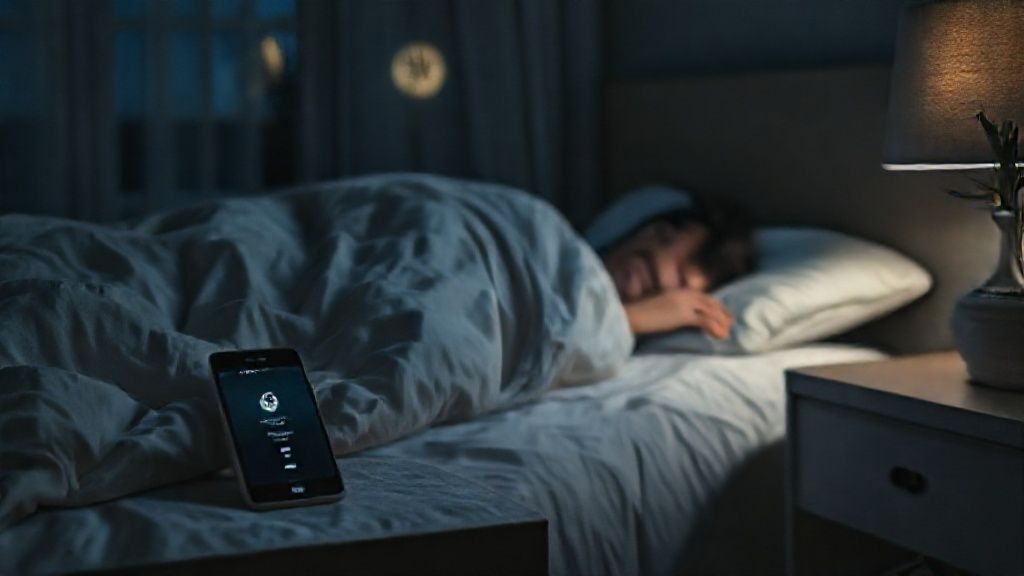
Your Ultimate Guide to Free Sleep Meditation for Restful Nights
Tossing and turning at 3 AM? Staring at the ceiling while your mind races through tomorrow’s to-do list? You’re not alone. Millions struggle with sleeplessness, but the solution might be simpler—and more affordable—than you think. Free sleep meditation is an accessible, evidence-based practice that uses guided audio to calm your mind and prepare your body for deep, restorative sleep—all without costing a dime. This comprehensive guide will walk you through the remarkable benefits, show you exactly how to get started, and direct you to the best free resources to transform your sleep tonight.

What Is Sleep Meditation and How Can It Help You?
Sleep meditation is a guided practice designed specifically to transition your mind and body from a state of wakefulness to sleep. Unlike silent meditation, which focuses on maintaining awareness, sleep meditation uses verbal guidance, calming narratives, and relaxation techniques to encourage the natural sleep process. The goal isn’t to “try” to sleep, but rather to create the optimal internal conditions where sleep can occur effortlessly.
The science behind why this works is compelling. When you’re stressed or anxious, your nervous system operates in “fight or flight” mode (sympathetic nervous system), releasing cortisol and keeping you alert. Sleep meditation actively works to shift your system into “rest and digest” mode (parasympathetic nervous system), slowing your heart rate, lowering blood pressure, and preparing your body for restoration.
The benefits of incorporating free sleep meditation into your nightly routine are substantial:
- Reduces Nighttime Anxiety: It provides a mental anchor, preventing your mind from spiraling into worry cycles.
- Quietens a Racing Mind: Guided focus gives your busy brain a single, calming point of attention.
- Improves Sleep Quality: By achieving deeper relaxation before sleep, you’re more likely to experience restorative, deep-sleep cycles.
- Helps You Fall Asleep Faster: Replacing stressful thoughts with calming guidance significantly shortens the time it takes to drift off.
For a deeper understanding of the practice itself, explore τι είναι η καθοδηγούμενη διαλογισμός.
How to Choose the Right Free Sleep Meditation for You
With countless options available, finding the right meditation can feel overwhelming. The key is to experiment and find what resonates with you personally. Your perfect free sleep meditation is one that you enjoy and look forward to each night.
Consider the Length: From Quick Resets to Deep Dives
The duration of your meditation should match your needs and schedule.
- For a Quick Reset (5-10 minute sessions): Ideal for nights when you’re tired but your mind won’t shut off, or when you’re short on time. These sessions are designed for a rapid relaxation response.
- If you only have a few minutes, try this 5-minute meditation for sleep and anxiety.
- For a Standard Routine (15-20 minute sessions): This is the sweet spot for many. It allows enough time to progressively relax the body and quiet the mind without feeling rushed.
- For a full wind-down routine, try this 20-minute sleep meditation.
- For Intense Sleeplessness (30+ minute sessions): If you’ve been struggling with insomnia or have high levels of stress, a longer session provides a more extensive and profound relaxation process.
Find Your Preferred Style
Different techniques work for different people. Here are the most common styles found in free sleep meditation:
- Body Scan Meditations: This technique involves mentally scanning your body from head to toe, bringing awareness to each part and consciously releasing tension.
- Experience a powerful body-focused technique with our body scan meditation for sleep.
- Guided Imagery & Visualizations: These meditations transport your mind to a peaceful setting—a quiet beach, a serene forest, or a starlit sky—using descriptive language to engage your senses.
- If you’re a visual person, guided imagery for sleep μπορεί να είναι πολύ αποτελεσματικές.
- Mindfulness-Based Sleep Meditations: These practices teach you to observe your thoughts and bodily sensations without judgment, allowing them to pass by like clouds in the sky, which reduces their power to keep you awake.
- Sleep-Specific Hypnosis: These sessions often use more direct suggestions and language aimed at reprogramming the subconscious mind for deep, automatic sleep.

Top Techniques Used in Effective Sleep Meditations
Understanding the core techniques can help you appreciate how a free sleep meditation works its magic. These are the foundational tools guides use to facilitate relaxation.
The Body Scan for Physical Relaxation
The body scan is a cornerstone of sleep meditation. It works by systematically directing your attention through different regions of the body. This process does two things: it breaks the habit of global tension holding, and it trains the mind to focus on physical sensations instead of mental chatter. As you bring awareness to your feet, legs, torso, and so on, you send a signal to the nervous system that it is safe to let go and release muscular tension, a primary physical barrier to sleep.
Breath Awareness to Calm the Mind
Your breath is a powerful bridge between your conscious and unconscious mind. In a state of stress, your breathing becomes shallow and rapid. Sleep meditation uses breath awareness to reverse this. By gently guiding you to notice the natural rhythm of your inhalation and exhalation—perhaps counting breaths or simply feeling the air move—the meditation gives your mind a simple, repetitive task. This acts as a “mental palate cleanser,” crowding out anxious thoughts and slowing down the cognitive processes that prevent sleep.
* To practice this foundational skill, try this simple 1-minute breathing exercise.
Loving-Kindness (Metta) for Emotional Ease
While it may seem counterintuitive, a meditation focused on cultivating feelings of kindness can be profoundly effective for sleep. Often, sleeplessness is fueled by emotional turbulence—regret about the past, frustration with oneself, or interpersonal anxiety. Loving-kindness meditation involves silently offering phrases of goodwill and wellness to yourself and others. This practice soothes the emotional centers of the brain, replacing feelings of agitation or sadness with warmth and connection, creating a more peaceful internal environment for sleep.
* Learn the basics of this practice with our Metta meditation script.
Where to Find the Best Free Sleep Meditations
You don’t need an expensive subscription to access high-quality sleep guidance. Here are the best places to find powerful free sleep meditation resources.
On Our Website: Curated Sessions for Every Need
We have built a library of professionally crafted sessions to address various sleep challenges, all completely free.
* For Beginners: If you’re new to the practice, start with our best guided meditations for beginners.
* For Anxiety-Induced Insomnia: When worry is the main culprit, a targeted approach works best. Try this free guided meditation for sleep and anxiety.
* For Deep Sleep: To encourage the most restorative sleep stages, explore our deep sleep guided meditation.
Exploring Helpful Apps and Podcasts
Many popular platforms offer free content that can be incredibly effective.
* Discover other platforms with these highly-rated sleep apps.
* For daily practice and variety, explore our daily meditation podcast.

Frequently Asked Questions About Free Sleep Meditation
How long before bed should I do a sleep meditation?
Ideally, begin your free sleep meditation about 20-30 minutes before you intend to be asleep. This gives you enough time to complete the session and transition smoothly into sleep without feeling rushed. It also helps establish a consistent wind-down routine that signals to your brain that it’s time to shut down.
Can sleep meditation help with anxiety?
Absolutely. Sleep meditation is a powerful tool for managing the anxious thoughts that often prevent sleep. The practice trains your brain to disengage from worry cycles and focus on the present moment, which is a core antidote to anxiety. Over time, this can rewire your brain’s default response to stress, leading to lower overall anxiety levels.
* For dedicated anxiety relief, explore our guided meditations for anxiety.
I’m new to meditation. Where should I start?
Start simple. Choose shorter sessions (5-10 minutes) with a guide whose voice you find naturally calming. Don’t worry if your mind wanders—that’s completely normal. The goal is not perfection, but gentle redirection back to the guidance. Consistency is far more important than duration.
* A perfect starting point is this 10-minute calming sleep meditation.
What if I fall asleep during the meditation?
Congratulations, that’s the goal! Falling asleep means the meditation is working perfectly. There is no need to fight it. The guidance is designed to lull you into sleep, so feel free to drift off at any point. Many free sleep meditation tracks will even have quiet music or nature sounds that continue after the voice guidance ends, ensuring a peaceful environment if you wake up later.
Συμπέρασμα & Πρόσκληση σε Δράση
Free sleep meditation is more than just a trend; it’s a proven, accessible path to better sleep. By consciously calming your nervous system and quieting your mind, you create the ideal internal conditions for deep, restorative rest. This practice empowers you to take control of your sleep health without financial barriers.
Ready to experience the difference? Start your journey tonight with our most popular session designed to guide you gently into a deep and peaceful sleep.
* Try Our Best Sleep Meditation Now.