Dr K Meditation: Unlocking Mental Clarity and Peace With a Modern Guide
Feeling overwhelmed by anxiety, distraction, or a restless mind? You’re not alone. In our hyper-stimulated world, traditional meditation advice often falls short. A unique voice in the meditation world, known as Dr. K (Dr. Alok Kanojia), has emerged with a powerful blend of psychiatry and ancient wisdom to address these very modern struggles.
Dr K meditation refers to the therapeutic and philosophical approach to mental well-being taught by Dr. Alok Kanojia through his platform HealthyGamerGG, which integrates Western psychiatry with Eastern meditation practices, particularly from the Hindu and Buddhist traditions, to specifically help with anxiety, ADHD, and existential issues, especially among gamers and young adults.
A Harvard-trained psychiatrist and former gamer himself, Dr. K has made it his mission to translate profound, often esoteric mental health tools into accessible, practical guidance for a generation struggling with digital burnout and mental fog.

Who Is Dr. K and What Makes His Meditation Approach Unique?
Dr. Alok Kanojia, universally known as “Dr. K,” is not your typical meditation teacher. His journey into the world of mental health is deeply personal. A former avid gamer who struggled with his own mental health, he eventually found his way to Harvard Medical School for psychiatric training while simultaneously studying under Hindu and Buddhist meditation masters in India.
This unique dual training forms the bedrock of his approach. While most meditation apps and teachers focus on technique alone, Dr. K delves into the why behind our mental patterns. His popular HealthyGamerGG platform, which began as a Twitch stream and YouTube channel, has grown into a massive mental health resource with millions of followers.
What truly sets the Dr K meditation method apart is its psychoeducational foundation. He doesn’t just tell you to focus on your breath; he explains the neuroscience of why your mind wanders, the psychology of why you feel anxious, and the philosophical underpinnings of why observing your thoughts reduces their power. This demystification process is particularly effective for analytical minds, skeptics, and those who have found traditional meditation frustratingly vague.
To understand the broader context of his teachings, it’s helpful to know τι είναι η καθοδηγούμενη διαλογισμός at its core.
Core Principles of the Dr K Meditation Philosophy
Dr. K’s meditation philosophy is built on several foundational principles that differentiate it from mainstream mindfulness. Understanding these concepts is crucial to effectively practicing his methods.
Understanding Your “Internal Weather”
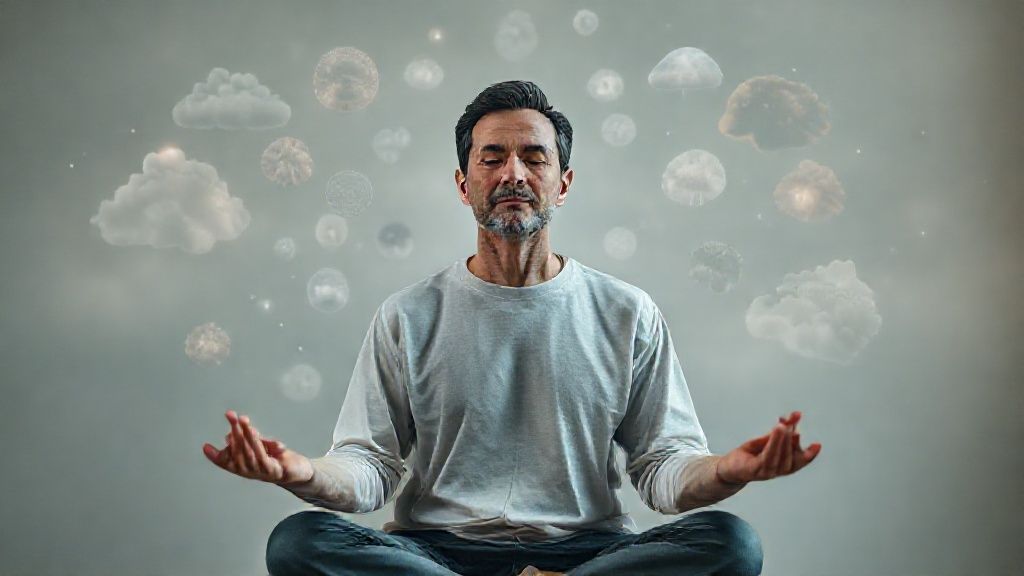
One of Dr. K’s most powerful analogies is that of “internal weather.” He teaches that your thoughts and emotions are like weather patterns—they come and go, change constantly, and aren’t a permanent part of you. You wouldn’t identify as “a rainstorm” just because it’s raining outside; similarly, you aren’t your anxiety just because you’re experiencing anxious thoughts.
This perspective creates crucial psychological distance from distressing mental content. When you practice Dr K meditation, you’re learning to observe your internal weather without getting swept away by it. This shift from identification to observation is transformative for those stuck in cycles of rumination and negative self-talk.
The Goal Is Awareness, Not Emptiness
A common frustration among meditation beginners is the inability to “clear the mind.” Dr. K directly addresses this by reframing the very purpose of meditation. The goal isn’t to stop thoughts—that would be like trying to stop the weather. The true aim is to develop awareness of your thoughts.
He often uses the analogy of a mirror: a mirror doesn’t judge or hold onto reflections; it simply reflects what passes before it. Similarly, in meditation, we cultivate a mind that can reflect thoughts without becoming entangled in them. This distinction liberates practitioners from the performance anxiety of “doing meditation right” and allows them to work with their actual experience rather than an idealized version of silence.
For those particularly struggling with persistent worries, exploring a guided meditation for an anxious mind can provide immediate relief while building this awareness muscle.
Key Dr K Meditation Techniques to Try Today
Dr. K’s teachings include several specific meditation techniques that embody his philosophical principles. These practices are designed to be accessible yet profoundly transformative.
The “Do Nothing” Meditation
This is perhaps the most fundamental Dr K meditation technique and serves as the cornerstone of his approach. Contrary to what the name might suggest, this isn’t about zoning out or passive daydreaming. It’s an active practice of non-interference with your mind.
How to practice “Do Nothing” meditation:
1. Sit comfortably with your eyes closed
2. Set the intention to not consciously do anything with your mind
3. When you notice your attention has been captured by a thought, sound, or sensation, gently acknowledge it
4. Make no effort to return your attention to your breath or any other anchor
5. Simply allow your awareness to wander freely without guidance or resistance
The profound insight this practice reveals is that awareness has a natural intelligence of its own when we stop trying to control it. For people who feel they’re constantly “managing” their thoughts, this practice can be incredibly liberating.
Breathing for Emotional Regulation
While Dr. K emphasizes understanding over technique, he does incorporate specific breathing practices, particularly for managing intense emotions. He teaches that different breathing patterns directly influence our nervous system and emotional state.
One of his key teachings is the relationship between breath retention and emotional intensity. He explains that pausing briefly after inhalation can increase alertness and focus, while pausing after exhalation can promote relaxation and calm. By consciously working with these patterns, you can develop the ability to regulate emotional states that previously felt overwhelming.
For a practical application of these principles, try μια απλή άσκηση αναπνοής ενός λεπτού to quickly center yourself during stressful moments. For a more comprehensive session, you can follow this 10-minute breathing meditation script.
Meditation for Specific Challenges
For Anxiety and Overthinking
Dr. K’s approach to anxiety is particularly revolutionary because it doesn’t fight against anxious thoughts. Instead, he teaches practitioners to develop a “relationship with anxiety” through meditation. By observing anxious thoughts with curiosity rather than resistance, we remove the secondary anxiety—the anxiety about being anxious—that often compounds our suffering.
His methods help you recognize that anxiety is just energy in your nervous system that your mind is trying to narrate. Through consistent practice, you learn to feel the physical sensations of anxiety without buying into the catastrophic stories your mind creates around them.
For dedicated practice, consider a dedicated 20-minute meditation for anxiety and overthinking that systematically applies these principles.
For Focus and ADHD
Dr. K often discusses attention as a muscle that can be trained, making his approach particularly valuable for those with ADHD or general focus issues. He distinguishes between “focus” (directed attention) and “awareness” (background monitoring), explaining that many focus problems stem from confusing these two systems.
His meditation techniques for focus involve practicing the skill of noticing when your attention has wandered and gently returning it—not as a failure, but as a successful repetition of the mental rep. This reframes distraction from being a meditation failure to being the very opportunity for strengthening your attention muscle.
How to Start Your Dr K-Inspired Meditation Practice
Beginning a sustainable meditation practice can be challenging, but Dr. K’s pragmatic approach makes it more accessible. Here’s how to build a foundation:
Start Small and Be Consistent: Dr. K emphasizes that five minutes of daily practice is far more valuable than an hour once a week. Consistency builds the neural pathways that make meditation increasingly effective over time.
Create a Dedicated Space: While not essential, having a specific chair or cushion where you meditate can help trigger the mental shift into practice mode. This conditions your mind to associate that space with meditation.
Adopt a Curious, Non-Judgmental Attitude: The most important element is approaching your practice with curiosity rather than expectation. Each session—whether calm or chaotic—provides valuable information about your mind.
Utilize Resources Wisely: Dr. K’s extensive free content on YouTube provides both education and guided practice. Watching his explanatory videos can deepen your understanding of why you’re practicing certain techniques.
For those completely new to meditation, exploring the best guided meditations for beginners can provide a gentle introduction. To establish a consistent routine, consider starting your day with a simple 5-minute morning meditation.

Beyond Meditation: Complementary Practices From Dr. K
Dr. K’s holistic model recognizes that meditation exists within a broader ecosystem of mental health. He consistently emphasizes that no amount of meditation can compensate for fundamental lifestyle imbalances.
Sleep as Foundation: Dr. K identifies sleep as perhaps the most critical factor in mental health, even calling it “the foundation of the pyramid.” Poor sleep disrupts emotional regulation, cognitive function, and stress resilience—undermining any benefits from meditation. He provides practical advice for improving sleep hygiene, often recommending effective sleep meditation practices to help with sleep onset and quality.
Diet and Digestion: Drawing from Ayurvedic principles, Dr. K discusses how diet affects mental states. He notes that heavy, hard-to-digest foods can increase mental lethargy and “brain fog,” while light, easily digested foods support clarity.
Physical Activity: Regular movement is presented as essential for managing the physical component of anxiety and depression. Exercise helps metabolize stress hormones and generates neurochemicals that support mood stability.
Digital Hygiene: Given his work with gamers and digital natives, Dr. K offers particularly insightful guidance on managing technology use. He explains how constant digital stimulation trains our brains for distraction and undermines our capacity for sustained attention.
For cultivating a more positive mental environment to complement your meditation practice, consider incorporating guided meditation for positive energy into your routine.
Frequently Asked Questions About Dr K Meditation
Is Dr K meditation free?
Yes, the vast majority of his content, including lengthy guided sessions and educational streams, is available for free on YouTube and the HealthyGamerGG website. He has committed to keeping core educational content accessible, though he does offer paid coaching programs for those seeking personalized guidance.
What is the best meditation for anxiety by Dr. K?
His “Do Nothing” meditation and specific guided sessions for anxiety are highly recommended for learning to observe anxious thoughts without being controlled by them. The key is consistent practice rather than seeking a single “magic bullet” technique. For additional approaches, you might explore other proven meditation practices for anxiety.
How does Dr K’s approach differ from apps like Calm or Headspace?
While apps like Calm are excellent for general mindfulness and sleep, Dr. K’s approach is more psychoeducational and therapeutic, often explaining the “why” behind mental phenomena. His method provides intellectual understanding alongside practical technique, which many find more compelling and sustainable. For context on what else is available, you can learn about popular apps like Headspace.
Can meditation help with depression?
Dr. K discusses meditation as a powerful tool for managing depressive symptoms, often in conjunction with other therapies. He explains that meditation helps create space between you and depressive thoughts, reducing identification with them. However, he consistently emphasizes that meditation should complement, not replace, professional treatment for clinical depression. To understand this relationship better, read about how meditation can help with depression.

Συμπέρασμα & Πρόσκληση σε Δράση
Dr. K’s unique integration of Western psychiatry and Eastern meditation practices offers a sophisticated yet accessible path to mental clarity and emotional resilience. His approach demystifies meditation while honoring its profound potential, making it particularly valuable for those who have struggled with more traditional methods.
The Dr K meditation method isn’t about achieving a perpetually calm state, but about developing a new relationship with your entire inner experience—including the difficult parts. This shift from control to understanding, from resistance to curiosity, can transform not just your meditation practice, but your experience of life itself.
Ready to explore deeper? Choose one technique from this guide—perhaps the ‘Do Nothing’ meditation or a short breathing exercise—and practice it for just five minutes today. Your journey to a calmer, more focused mind starts with a single breath. For immediate practice, you can Try a brief guided meditation now.