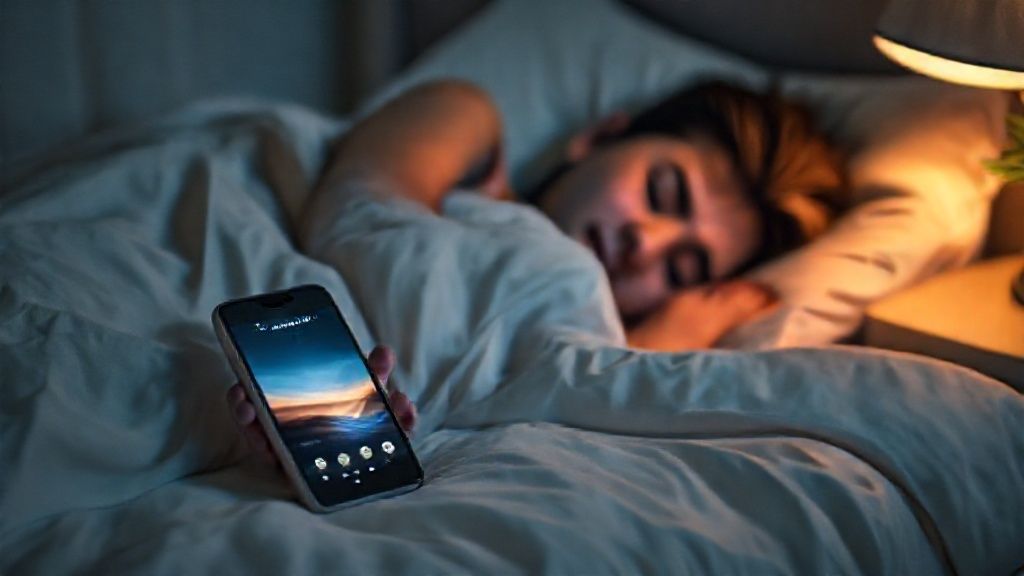
The Ultimate Deep Sleep Music App: Your Guide to Restful Nights
Tossing and turning, watching the clock, and waking up feeling exhausted—it’s a cycle that affects millions. You’ve tried everything from warm milk to counting sheep, but nothing seems to quiet your racing mind at 2 AM. What if the solution was as simple as pressing play?
A deep sleep music app is a specialized mobile application designed to use scientifically-backed soundscapes, binaural beats, and calming melodies to guide your brain into the restorative stages of deep sleep. This post will not only help you understand what makes a great deep sleep music app but will also guide you in choosing the perfect one for your specific needs, ensuring you wake up feeling truly refreshed.

Why You Need a Dedicated Deep Sleep Music App
Before we dive into features and recommendations, let’s explore why a specialized app might be the missing piece in your sleep puzzle. Many people try using regular music or white noise machines, but dedicated sleep apps offer something fundamentally different—and more effective.
The Science of Sound and Sleep
Your brain operates at different frequencies throughout the day and night. During deep sleep, your brain produces slow delta waves (0.5-4 Hz), which are crucial for physical restoration, memory consolidation, and hormonal regulation. The right auditory stimulation can actually encourage your brain to synchronize with these beneficial frequencies.
This phenomenon, known as brainwave entrainment, is why specialized sleep audio works where regular music falls short. While your favorite songs might be relaxing, they typically don’t contain the specific frequency patterns that actively promote deep sleep. In fact, familiar music can sometimes keep your brain more engaged as it anticipates familiar melodies and lyrics.
Deep sleep music apps use engineered audio tracks featuring:
– Binaural beats: When slightly different frequencies are played in each ear, your brain perceives a third tone that matches the difference between them
– Isochronic tones: Regular, distinct pulses of sound that gently guide brainwave patterns
– Pink and brown noise: Softer than white noise, these sounds effectively mask disruptive environmental noises
Benefits Beyond Just Falling Asleep
While helping you fall asleep faster is valuable, the real magic happens when you achieve consistent, high-quality deep sleep. The benefits extend far beyond simply feeling less tired in the morning:
- Improved sleep architecture: You’ll spend more time in the restorative deep and REM sleep stages
- Reduced sleep latency: The time it takes to fall asleep decreases significantly with regular use
- Enhanced daytime functioning: Better sleep means improved concentration, mood, and productivity
- Stress and anxiety reduction: The relaxing effects extend into your waking hours, creating a positive cycle of better mental health
- Stronger immune function: Deep sleep is when your body produces infection-fighting substances
Key Features to Look For in a Deep Sleep Music App
Not all sleep apps are created equal. When evaluating options, these are the features that separate the exceptional from the mediocre.
A Library of Specialized Sleep Soundscapes
A diverse, high-quality library is the foundation of any excellent sleep app. Look for apps that offer:
- Multiple categories: Nature sounds, ambient pads, binaural beats, and guided sleep sessions
- Scientific backing: Content developed in consultation with sleep researchers or neuroscientists
- Regular updates: Fresh content to prevent habituation and keep the experience engaging
- Varied durations: Tracks of different lengths to suit your needs, whether you want a quick nap or full night’s rest
The best apps understand that different people respond to different sounds. What relaxes one person might not work for another, so variety is essential. For a practical example of how sound can create immediate calm, try this 10 minute meditation music track.
Customizable Timers and Fade-Outs
This might seem like a small feature, but it’s crucial for uninterrupted sleep. The ideal app should allow you to:
- Set specific durations (30, 60, 90 minutes, or all night)
- Enable a gradual fade-out that doesn’t startle you awake
- Continue playing silently if you prefer all-night sound
- Automatically shut down to preserve battery life
Why does this matter? If music stops abruptly, it can disrupt your sleep cycle, even if you don’t fully wake up. A gentle fade-out respects your natural sleep patterns and prevents jarring transitions.
Offline Functionality for Uninterrupted Playback
Your sleep shouldn’t depend on a stable internet connection. Offline functionality is essential for:
- Travel: Use your app on planes, in hotels, or anywhere with unreliable Wi-Fi
- Data conservation: Stream music all night without consuming your mobile data
- Battery preservation: Download tracks once rather than streaming continuously
- Consistency: The same experience regardless of your location or connection
The best apps make downloading content intuitive and allow you to manage your offline library easily.
Integration with Other Relaxation Techniques
Sleep doesn’t exist in a vacuum. The most effective apps recognize that music works even better when combined with other relaxation methods. Look for apps that offer:
- Breathing exercises synchronized with audio
- Progressive muscle relaxation guides
- Sleep-friendly meditation practices
This integrated approach addresses sleep from multiple angles, making it more likely you’ll find what works for you. Many users find that combining music with guided meditation for deep sleep creates a powerful one-two punch against insomnia.

How Our App Stands Out for Deep Sleep
While there are many options available, our Relax Music App has been specifically engineered from the ground up to address the unique challenges of achieving deep, restorative sleep. Here’s what sets us apart:
- Proprietary Sound Sequences: Our audio tracks are designed in collaboration with neuroscientists to maximize their sleep-inducing properties
- Personalized Recommendations: The app learns which soundscapes work best for you and suggests new options accordingly
- Smart Volume Adjustment: Automatic volume normalization ensures consistent listening levels across different tracks
- Sleep Tracking Integration: Compatible with popular sleep trackers to correlate audio use with sleep quality metrics
- Family Accounts: Multiple user profiles under one subscription so everyone in your household can sleep better
For users who struggle specifically with sleep-onset anxiety, we offer specialized content, including this free guided meditation for sleep and anxiety designed to calm both mind and body.
Complement Your App with These Proven Sleep Techniques
A deep sleep music app is powerful, but it works even better when combined with good sleep hygiene and relaxation practices. Here’s how to create a comprehensive sleep routine.
Create a Pre-Sleep Wind-Down Ritual
Your body and mind need time to transition from wakefulness to sleep. A consistent wind-down ritual signals to your nervous system that it’s time to relax. An effective ritual might include:
- Dimming lights 60-90 minutes before bed
- Disconnecting from screens and stressful content
- Drinking caffeine-free herbal tea
- Gentle stretching or restorative yoga
- Journaling to empty your mind of worries
Even a brief mindfulness practice can make a significant difference. Consider incorporating this 5 minute meditation for anxiety and sleep into your evening routine.
Pair Your Music with a Body Scan Practice
The body scan is a powerful technique for releasing physical tension that might otherwise keep you awake. When combined with sleep music, it becomes even more effective. The practice involves:
- Systematically bringing attention to different parts of your body
- Noticing sensations without judgment
- Consciously releasing tension in each area
- Connecting physical relaxation with mental calm
This technique is particularly helpful for people who carry stress in their bodies. To learn the practice, try this dedicated body scan meditation for sleep.
Manage Evening Anxiety
For many people, bedtime anxiety is the primary barrier to good sleep. As the day quietens, anxious thoughts often grow louder. Effective strategies include:
- Scheduling “worry time” earlier in the day
- Practicing cognitive reframing of sleep-related anxieties
- Using breathing techniques to activate the relaxation response
- Creating a mental “parking lot” for thoughts to address tomorrow
If anxiety regularly disrupts your sleep, a dedicated guided meditation for anxiety can provide tools to quiet your mind at night.

Frequently Asked Questions (FAQ)
What Is the Best Type of Music for Deep Sleep?
It’s not traditional music, but rather soundscapes with slow tempos and specific frequencies like delta waves that encourage deep sleep. While classical or ambient music can be relaxing, specially engineered audio containing binaural beats, isochronic tones, and nature sounds tends to be more effective for actually promoting the brainwave patterns associated with deep sleep.
Can a Deep Sleep Music App Help With Insomnia?
While not a cure, it can be a highly effective tool within a broader sleep hygiene routine to quiet the mind and make it easier to fall and stay asleep. Many people with insomnia find that sleep music provides the mental distraction needed to break the cycle of sleep anxiety. For best results, combine app use with consistent bedtimes, limited screen time before bed, and other healthy sleep practices. A dedicated bedtime sleep meditation can further enhance these benefits.
Is It Safe to Use Headphones While Sleeping With These Apps?
It’s generally recommended to use low-volume speakers or specialized sleep headphones designed for side-sleeping to ensure safety and comfort. Traditional earbuds can be uncomfortable and potentially hazardous if cords become tangled. If you do use headphones, keep volume at a level where you can still hear important sounds like smoke alarms, and consider headphones specifically designed for sleep, which are typically flat and comfortable for side sleeping.
How Is a Deep Sleep App Different From a General Meditation App?
While there is overlap, a deep sleep app is hyper-specialized with all features—like long-form tracks, black screens, and sleep-specific sound profiles—focused solely on improving sleep quality, whereas a general meditation app serves a wider range of purposes. Meditation apps might include sleep content, but they’re typically designed for waking practice. For a deeper understanding of the distinction, read our guide on understanding guided meditation.
Conclusion & Call to Action
Achieving deep, restorative sleep is within your reach. By understanding the science behind sleep music, choosing an app with the right features, and complementing it with proven relaxation techniques, you can transform your relationship with sleep.
Remember that consistency is key—like any new habit, using a sleep app works best when you make it a regular part of your routine. Be patient as you explore different soundscapes and find what works for your unique needs.
Stop struggling with restless nights. Experience the difference a purpose-built soundscape can make. [Download Our Relax Music App Today] and start your journey to deeper, more restorative sleep.