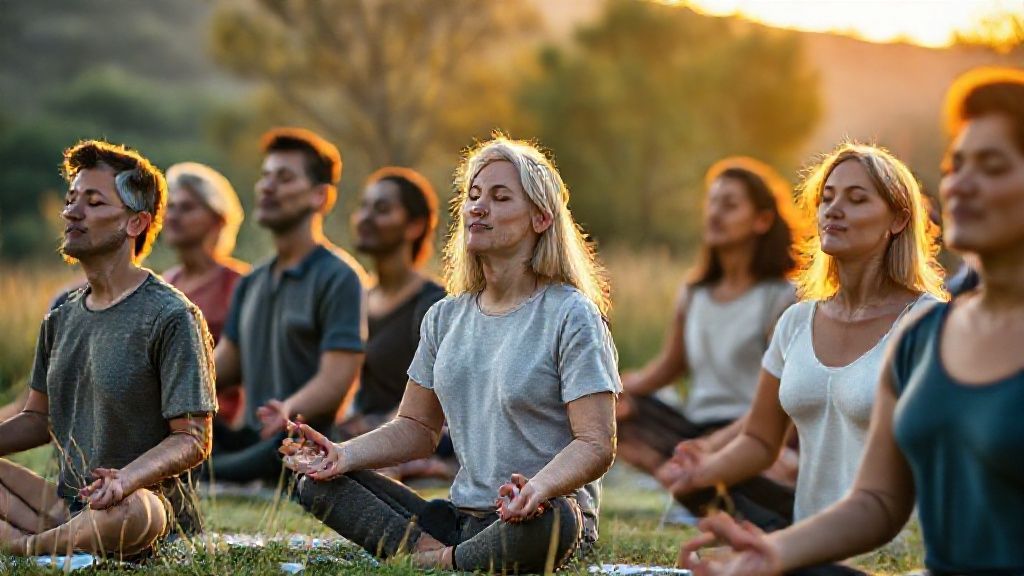
Geführte Meditation bei Stress: Ihr Weg zu sofortiger Ruhe und dauerhaftem Frieden
Do you ever feel like you’re constantly juggling too many balls at once? The work deadlines pile up, your phone buzzes with endless notifications, and personal responsibilities create a relentless undercurrent of pressure. This state of chronic stress isn’t just uncomfortable—it takes a real toll on your physical health, mental clarity, and emotional wellbeing. What if there was a simple, accessible tool that could help you find moments of peace amidst the chaos?
Guided meditation for stress is an evidence-based technique that uses verbal guidance and calming visuals to quiet the mind and activate the body’s relaxation response. Unlike trying to meditate in silence, guided meditation provides a supportive framework that makes stress relief accessible to everyone, especially beginners. This comprehensive guide will explain the science behind why it works so effectively, show you exactly how to get started, and provide specific recommendations for different stress scenarios you might be facing.
Why Guided Meditation Is a Powerful Antidote to Stress
When stress hits, your body enters “fight-or-flight” mode—a primitive survival response that floods your system with cortisol and adrenaline. While helpful in genuine emergencies, chronic activation of this response wreaks havoc on your health, contributing to everything from high blood pressure and digestive issues to anxiety and insomnia.
Guided meditation directly counters this stress response by activating the parasympathetic nervous system—your body’s built-in “rest and digest” mode. Research shows that regular practice can:
- Lower cortisol levels by up to 30% after consistent practice
- Reduce inflammatory responses linked to chronic diseases
- Decrease blood pressure and heart rate
- Improve heart rate variability, a key marker of resilience to stress
What makes guided meditation particularly effective for stress management compared to silent meditation is the external guidance. When you’re stressed, your mind is likely racing with thoughts, making it difficult to focus. A guide’s voice gives your busy mind something to anchor to, preventing frustration and making the practice more accessible. The structured approach also means you don’t have to wonder if you’re “doing it right”—you simply follow along.

How to Choose the Right Guided Meditation for Your Stress
Not all guided meditations are created equal, especially when it comes to addressing different types and intensities of stress. Finding the right fit can make the difference between a frustrating experience and a transformative one. Consider these factors when selecting your meditation:
Duration: Match the length to your current capacity and schedule. If you’re overwhelmed, even 5-10 minutes can provide reset. For those with more time and looking to build resilience, longer sessions offer deeper benefits. To help users find the perfect length, try this 10-minütige beruhigende Meditation, or for those with more availability, this 20-minute guided mindfulness session.
Voice and Guidance Style: The guide’s voice should feel comforting, not irritating. Some prefer gentle, soothing voices while others respond better to more direct, instructional tones. Sample different guides until you find one that resonates with you.
Meditation Style: Different techniques serve different purposes:
– Body scans are excellent for physical tension and sleep preparation
– Metta-Meditation (Liebende-Güte-Meditation) helps counter stress related to interpersonal conflicts
– Visualization techniques are powerful for creating mental escape from stressful environments
– Breath-focused practices provide immediate anchoring during anxiety spikes
Background Elements: Pay attention to music, soundscapes, and pacing. Some meditations use nature sounds or gentle instrumentation, while others prioritize silence with only vocal guidance.
A Beginner’s Step-by-Step Guide to Your First Session
Starting a guided meditation practice is simpler than you might think. Follow these five steps to ensure a positive first experience:
-
Create Your Space: Find a relatively quiet place where you won’t be interrupted for the duration of your meditation. This doesn’t need to be perfectly silent—just minimize major distractions. You can sit in a chair, on a cushion, or even lie down if you’re using meditation for sleep preparation.
-
Get Comfortable: Adopt a posture that balances alertness with comfort. If sitting, keep your back relatively straight but not rigid. Rest your hands on your lap or knees. Close your eyes or maintain a soft downward gaze.
-
Set Your Intention: Before pressing play, take a moment to acknowledge why you’re doing this. You might silently say to yourself, “I’m giving myself this time to find calm,” or “I’m open to whatever this experience brings.”
-
Follow the Guide: Once you start the recording, simply allow the guide’s voice to lead you. Your only job is to listen and gently follow the instructions. When your mind wanders (which it will), note where it went without judgment, and gently return your attention to the guide’s voice.
-
Transition Gently: When the meditation ends, don’t jump immediately back into activity. Take a few moments to notice how you feel. Slowly wiggle your fingers and toes, and when you’re ready, gradually open your eyes. Carry this calm awareness with you as you return to your day.
For users completely new to the concept, learn more about was geführte Meditation ist in our detailed guide.

Top Guided Meditation Techniques for Specific Stressors
Stress manifests differently depending on its source. Targeted approaches can address your specific needs more effectively than a one-size-fits-all method.
For Immediate Anxiety Relief
When anxiety strikes suddenly—that heart-pounding, breath-catching feeling—you need tools that work quickly. Short, grounding practices that anchor you in the present moment are most effective during these episodes.
Breathing Space Meditation: This three-step practice takes just 3-5 minutes. First, acknowledge what you’re experiencing without judgment. Second, gather your attention on your breath. Third, expand your awareness to include your entire body and surroundings.
5-4-3-2-1 Grounding Technique: This guided practice directs you to notice five things you can see, four things you can feel, three things you can hear, two things you can smell, and one thing you can taste. This sensory anchoring quickly brings you out of anxious thoughts and into the present.
For immediate relief, try this 5-minütige Meditation bei Angst or when you’re really pressed for time, this quick one-minute breathing exercise.
For Work-Related Stress and Overwhelm
Work stress often involves feeling overwhelmed, distracted, and mentally fragmented. Meditations that promote focus, perspective, and mental clarity are particularly helpful.
The STOP Method: This guided practice walks you through: Stop what you’re doing; Take a few breaths; Observe your experience (thoughts, emotions, bodily sensations); Proceed with more awareness.
Mountain Meditation: This visualization practice guides you to imagine yourself as a mountain—stable, grounded, and unaffected by the changing weather (representing your stressful thoughts and circumstances). It’s particularly effective for maintaining perspective during workplace challenges.
For recentering during a busy day, this Bibliothek mit beruhigenden geführten Meditationen. can help, while these exercises to improve focus can enhance your concentration over time.
For Stress-Induced Sleep Problems
The connection between daily stress and nighttime restlessness is well-established. When your nervous system remains in “fight-or-flight” mode, quality sleep becomes elusive. Guided meditations specifically designed for sleep can help break this cycle.
Body Scan for Sleep: This practice involves systematically moving your awareness through different parts of your body, releasing tension and inviting relaxation. The gradual progression naturally leads toward sleep.
Einschlafgeschichten-Meditationen: These combine gentle guidance with soothing narratives that engage your imagination just enough to distract from racing thoughts, but not so much that they keep you awake.
For those struggling with stress-related sleep issues, this Schlafmeditation zum Zubettgehen can be transformative, or try this body scan meditation to promote deep sleep.

Enhancing Your Practice: Tools and Resources
While guided meditation itself is simple, several resources can support and deepen your practice:
Meditation Apps: Many excellent apps offer libraries of guided meditations for stress, often categorized by specific needs and time constraints. These make practice convenient and accessible anywhere.
Quality Headphones: Good headphones can enhance immersion by blocking external distractions and delivering the guide’s voice clearly.
Meditation Cushions or Benches: While not necessary, supportive seating can make longer sessions more comfortable and help maintain alert posture.
Journal: Keeping a brief meditation journal where you note your experience before and after practice can help you track benefits and stay motivated.
To explore tool options, check out our guide to the Die besten Apps zur Stressreduktion, or for those who prefer reading, this free guided meditation script for relaxation allows you to guide yourself or others.
Frequently Asked Questions About Meditation for Stress
How long does it take for guided meditation to reduce stress?
Many people experience some calming effects even after a single session, as guided meditation directly activates the parasympathetic nervous system. However, for lasting changes to your stress response and resilience, consistency matters more than duration. Practicing for just 5-minütige geführte Meditation daily can yield noticeable benefits within 2-4 weeks, including lower baseline anxiety and improved stress recovery.
Ich kann meine Gedanken während der Meditation nicht abstellen. Mache ich etwas falsch?
This is one of the most common concerns, and the answer is reassuring: having thoughts during meditation is completely normal and doesn’t mean you’re doing it wrong. The practice isn’t about stopping thoughts, but rather changing your relationship to them. Each time you notice your mind has wandered and gently return to the guide’s voice, you’re actually strengthening your mindfulness “muscle.” For more strategies to work with a busy mind, explore these effective mindfulness techniques.
What’s the difference between meditation for stress and for anxiety?
While there’s significant overlap, stress typically arises in response to external pressures (work deadlines, relationship conflicts, financial worries), while anxiety often persists even without an immediate stressor. Meditation for stress often focuses on relaxation and perspective-shifting, while meditation for anxiety may include additional techniques for working with fearful thoughts and bodily sensations of panic. For those dealing specifically with anxiety, this resource on geführte Meditation bei Angst offers more targeted approaches.
Your Journey to a Calmer Life Starts Now
Guided meditation offers what so many of us desperately need in our stress-filled lives: a reliable sanctuary of calm that’s accessible anytime, anywhere. The beauty of this practice is that it meets you exactly where you are—whether you’re dealing with momentary frustration or chronic overwhelm—and provides a pathway back to your own inner stability.
The most profound benefits of guided meditation for stress emerge not from perfect practice, but from consistent practice. You don’t need to clear your mind of thoughts or achieve any special state. You simply need to show up and follow the guide.
Your path to lasting peace begins with a single session. Choose one of the linked meditations above, find a quiet moment today, and give yourself the gift of calm. Your mind and body will thank you.