
15 wirksame DBT-Aktivitäten für Erwachsene zur Emotionsregulation und Angstbewältigung - Life
Do you ever feel like your emotions are in the driver’s seat, leaving you reacting instead of responding? You’re not alone. Many adults struggle with overwhelming feelings, relationship conflicts, and anxiety that disrupt their daily lives. The good news is that there’s a proven, practical approach that can help you regain control: Dialectical Behavior Therapy (DBT).
Dialectical Behavior Therapy (DBT) is a proven skills-based approach that helps adults manage difficult emotions, improve relationships, and reduce anxiety. This guide provides 15 practical DBT activities and group exercises you can start using today to build a life worth living. Developed by psychologist Marsha Linehan, DBT combines cognitive-behavioral techniques with mindfulness practices, organized into four core modules: Mindfulness, Distress Tolerance, Emotion Regulation, and Interpersonal Effectiveness.
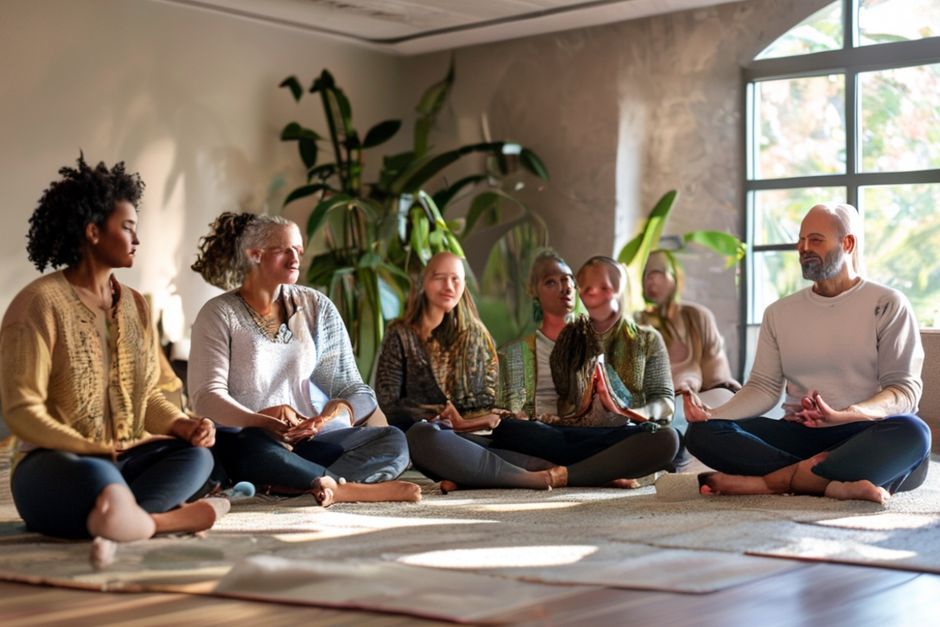
Understanding DBT: More Than Just Talk Therapy
Unlike traditional talk therapy that focuses primarily on exploring past experiences, DBT is a present-focused, skills-based approach that emphasizes building concrete capabilities to handle life’s challenges. The “dialectical” in DBT refers to the balance between acceptance and change—learning to accept yourself and your current situation while simultaneously working to make positive changes.
DBT has been extensively researched and proven effective for various conditions, including borderline personality disorder, depression, anxiety, PTSD, and substance abuse. But you don’t need a specific diagnosis to benefit from DBT skills—they’re practical tools anyone can use to enhance emotional resilience and improve their quality of life.
For those looking to deepen their practice, our ‘DBT mindfulness handouts’ provide excellent foundational resources.
The Core Four: DBT Skills Modules Explained
Before diving into specific activities, it’s helpful to understand the four modules that form the foundation of DBT:
- Mindfulness: Learning to observe, describe, and participate in the present moment without judgment
- Distress Tolerance: Developing skills to survive crisis situations without making them worse
- Emotion Regulation: Understanding, naming, and changing emotional responses
- Interpersonal Effectiveness: Asking for what you need, saying no, and maintaining relationships while preserving self-respect
Now, let’s explore practical activities within each module that you can start practicing today.
Mindfulness Activities: Anchoring in the Present
Mindfulness forms the core of all DBT skills—it’s the practice of being fully present and aware without judgment. These activities help you step out of automatic pilot mode and into conscious living.
Activity 1: The 5 Senses Grounding Technique
When emotions feel overwhelming, this exercise helps bring you back to the present moment by engaging all your senses:
- Pause whatever you’re doing and take one deep breath
- Look around and name five things you can see
- Notice four things you can feel (your feet on the floor, the texture of your clothing)
- Identify three things you can hear (distant traffic, your own breathing)
- Detect two things you can smell (coffee, fresh air)
- Name one thing you can taste (the aftertaste of your last meal or drink)
Practice this technique whenever you feel disconnected, anxious, or overwhelmed. For a guided version, you can ‘practice the 5 senses exercise’ with our step-by-step worksheet.
Activity 2: Non-Judgmental Observation
We often add layers of judgment to our experiences (“This is terrible,” “I shouldn’t feel this way”), which increases our suffering. This exercise helps strip away those judgments:
- Choose a natural object (a leaf, a stone, a cloud) or a neutral household item
- Observe it for 2-3 minutes, describing it in purely factual terms
- Whenever you notice a judgment arising (“It’s beautiful,” “It’s ugly”), gently note “That’s a judgment” and return to factual description
- Practice transferring this skill to observing your thoughts and emotions
Activity 3: One-Minute Breathing Space
This quick mindfulness practice can be done anywhere, anytime as an emotional reset:
- Acknowledge your current experience—thoughts, feelings, bodily sensations—without trying to change anything
- Gather your attention on the physical sensation of breathing
- Expand your awareness to include your whole body and your environment
- Return to your activity with expanded awareness
For those who prefer guidance, try our ‘follow a one-minute breathing exercise’ audio guide.

Distress Tolerance Activities: Surviving a Crisis Without Making It Worse
Distress tolerance skills help you navigate painful moments without resorting to behaviors that make the situation worse in the long term. These are particularly valuable when you’re facing situations that cannot be immediately changed.
Activity 4: TIP Skill: Changing Your Body Chemistry
The TIP skill works by activating the body’s dive reflex, which can quickly reduce emotional intensity:
- Tip the Temperature: Splash cold water on your face, hold an ice pack, or take a cold shower
- Intense Exercise: Engage in brief, intense physical activity (running in place, push-ups) for 10-20 minutes
- PKontrollierte Atmung: Verlangsamen Sie Ihre Atmung auf 5–6 Atemzüge pro Minute mit verlängerten Ausatmungen.
Diese Technik ist besonders wirksam, um Panik, Wut und überwältigende Ängste zu reduzieren. Weitere Anregungen zu körperbezogenen Ansätzen im Umgang mit Angst finden Sie in unseren Ressourcen zum Thema ‘Intensives Training zur Linderung von Angstzuständen’.’.
Aktivität 5: Selbstberuhigung durch die fünf Sinne
Diese bewusste Übung aktiviert Ihre Sinne, um in schwierigen Momenten Trost zu spenden:
- Sehen: Betrachten Sie schöne Bilder, sehen Sie beruhigende Naturszenen oder beobachten Sie Kunst.
- Hören: Hören Sie entspannende Musik, Naturklänge oder geführte Meditationen.
- Riechen: Verwenden Sie ätherische Öle, zünden Sie eine Duftkerze an oder bereiten Sie einen Kräutertee zu.
- Schmecken: Genießen Sie ein kleines Stück dunkle Schokolade, eine Minze oder ein wärmendes Getränk.
- Fühlen: Hüllen Sie sich in eine weiche Decke, nehmen Sie ein warmes Bad oder praktizieren Sie Selbstmassage.
Erstellen Sie ein “Selbstberuhigungs-Set” mit Gegenständen, die jeden Sinn ansprechen, für den einfachen Zugriff in schwierigen Momenten.
Aktivität 6: Den Moment VERBESSERN (IMPROVE)
Diese Fertigkeit hilft Ihnen, eine belastende Situation mental durch verschiedene Strategien neu zu bewerten:
- IImagination: Visualisieren Sie einen sicheren, friedlichen Ort oder stellen Sie sich eine positive Lösung der Situation vor.
- MBedeutung: Finden Sie einen Sinn oder eine Bedeutung in der aktuellen Schwierigkeit.
- PGebet: Verbinden Sie sich mit etwas Größerem als Ihnen selbst, sei es spirituell oder philosophisch.
- REntspannung: Praktizieren Sie progressive Muskelentspannung oder tiefes Atmen.
- OEine Sache nach der anderen: Konzentrieren Sie sich nur auf den gegenwärtigen Moment, nicht auf die gesamte überwältigende Situation.
- VAuszeit: Gönnen Sie sich eine kurze mentale Pause – selbst 5 Minuten Ablenkung können helfen.
- EErmutigung: Feuern Sie sich selbst mit positivem Selbstgespräch an.
Emotionsregulations-Aktivitäten: Gefühle verstehen und benennen
Emotionsregulationsfertigkeiten helfen Ihnen, die Funktion von Emotionen zu verstehen, die Anfälligkeit für negative Emotionen zu verringern und positive emotionale Erfahrungen zu steigern.
Aktivität 7: Das “Fakten prüfen”-Arbeitsblatt
Emotionen werden oft durch Gedanken ausgelöst, die die Realität möglicherweise nicht genau widerspiegeln. Diese Übung hilft, diese Annahmen zu hinterfragen:
- Identifizieren Sie die Emotion, die Sie fühlen, und ihre Intensität.
- Beschreiben Sie das Ereignis, das die Emotion ausgelöst hat.
- Listen Sie Ihre Interpretationen oder Gedanken zum Ereignis auf.
- Prüfen Sie die Fakten: Welche Beweise stützen Ihre Interpretation? Welche Beweise widersprechen ihr?
- Ziehen Sie alternative Interpretationen in Betracht.
- Bewerten Sie die Emotion neu, basierend auf einer ausgewogeneren Perspektive.
Aktivität 8: Gegenläufiges Handeln
Wenn Emotionen nicht zu den Fakten einer Situation passen oder nicht hilfreich sind, können Sie sie ändern, indem Sie entgegengesetzt zum emotionalen Impuls handeln:
- Wenn Sie Wut fühlen und den Impuls zum Angriff haben, üben Sie stattdessen sanfte Freundlichkeit.
- Wenn Sie Angst fühlen und vermeiden wollen, nähern Sie sich der Situation stattdessen schrittweise.
- Wenn Sie Traurigkeit fühlen und sich zurückziehen wollen, nehmen Sie stattdessen an angenehmen Aktivitäten teil.
- Wenn Sie Scham fühlen und sich verstecken wollen, zeigen Sie sich stattdessen angemessen.
Aktivität 9: Positive Erfahrungen aufbauen
Die Steigerung positiver Emotionen macht Sie widerstandsfähiger gegenüber negativen. Erstellen Sie einen geplanten Zeitplan, um Freude zu integrieren:
- Kurzfristig: Listen Sie kleine angenehme Aktivitäten auf, die Sie täglich tun können (Lieblingsmusik hören, einen besonderen Tee genießen).
- Langfristig: Identifizieren Sie größere Ziele oder wertebasierte Aktivitäten, auf die Sie hinarbeiten.
- Soziale Verbindung: Planen Sie regelmäßige positive soziale Interaktionen.
- Kompetenzerleben: Nehmen Sie Aktivitäten auf, die Ihnen ein Gefühl der Leistung vermitteln.
Zwischenmenschliche Wirksamkeits-Aktivitäten: Gesündere Beziehungen aufbauen
Diese Fertigkeiten helfen Ihnen, Beziehungen effektiver zu gestalten – Ihre Bedürfnisse durchzusetzen, Beziehungen zu erhalten und Ihren Selbstrespekt zu wahren.
Aktivität 10: Übung der DEAR MAN-Fertigkeit
Dieser strukturierte Ansatz hilft Ihnen, effektiv Bitten zu äußern oder Nein zu sagen:
- DBeschreiben: Schildern Sie klar die Fakten der Situation.
- EAusdrücken: Teilen Sie Ihre Gefühle und Meinungen zur Situation mit.
- ABehaupten: Fragen Sie klar nach dem, was Sie wollen, oder sagen Sie Nein.
- RBestärken: Erklären Sie die positiven Auswirkungen, wenn Sie bekommen, was Sie wollen.
- MAchtsam: Bleiben Sie auf Ihr Ziel fokussiert, lassen Sie sich nicht ablenken.
- ASelbstbewusst auftreten: Verwenden Sie einen selbstsicheren Tonfall und Körpersprache.
- NVerhandeln: Seien Sie bereit, etwas zu geben, um etwas zu erhalten.
Üben Sie zunächst in risikoarmen Situationen, z. B. indem Sie in einem Restaurant um einen anderen Tisch bitten.
Aktivität 11: GIVE für harmonische Beziehungen
These skills help maintain and improve relationships:
- Gentle: Use respectful language, avoid attacks and threats
- Interested: Listen actively, show interest through body language and questions
- Validate: Acknowledge the other person’s feelings and perspective
- Easy manner: Use humor, smile, be light-hearted
Activity 12: FAST for Self-Respect
These skills help you maintain your self-respect during interactions:
- Fair: Be fair to both yourself and the other person
- Apologies: Don’t over-apologize or apologize for being alive
- Stick to values: Don’t compromise your values to be liked or avoid conflict
- Truthful: Don’t lie, exaggerate, or act helpless

Putting It All Together: Sample DBT Group Exercises
While individual practice is valuable, DBT is often taught in groups where members can learn from each other’s experiences and practice skills in a supportive environment. These exercises simulate that group dynamic.
Activity 13: The “Mindful Listening” Dyad
This powerful exercise develops mindfulness and validation skills:
- Pair up with a partner
- Speaker talks for 3-5 minutes about a current mild-moderate challenge
- Listener practices mindful presence—maintaining eye contact, noticing the urge to interrupt or problem-solve without acting on it
- Listener then summarizes what they heard and validates the speaker’s experience
- Switch roles and repeat
Activity 14: “Distress Tolerance” Role-Play
Practice applying distress tolerance skills in simulated challenging situations:
- Group members brainstorm common distress-provoking scenarios
- In pairs or small groups, role-play these scenarios
- The “client” practices using TIP, self-soothing, or IMPROVE skills
- Observers provide feedback on skill application
- Rotate roles so everyone gets practice
Activity 15: “Emotion Regulation” Chain Analysis
As a group, break down a specific problematic behavior to identify skill application points:
- One person describes a recent incident where they engaged in problematic behavior
- The group helps identify: prompting event → vulnerabilities → links in the chain (thoughts, feelings, actions) → consequences
- For each link, brainstorm where DBT skills could have been applied differently
- Create a revised “chain” with skillful responses
Enhancing Your DBT Practice with Complementary Tools
While DBT skills are powerful on their own, several complementary approaches can enhance your practice and support your emotional health journey.
Technology can be a valuable ally in your DBT practice. Consider exploring ‘top-rated mental wellness apps’ that offer guided mindfulness exercises, mood tracking, and skill reminders to support your between-session practice.
For those moments when anxiety feels particularly overwhelming, combining DBT skills with ‘guided meditation for anxiety’ can provide additional support and help you access the wise mind state more readily.
If you’re considering taking your DBT knowledge to a professional level—whether to enhance your career or to help others more effectively—our resources on ‘mindfulness therapy training programs’ can guide you toward appropriate certification and education paths.

DBT Activities FAQ (Optimized for Voice Search)
What are the most effective DBT exercises for anxiety?
Distress Tolerance skills like the TIP technique (especially temperature change and paced breathing) and mindfulness exercises like the 5 Senses Grounding are highly effective for immediate anxiety relief. For longer-term management, Emotion Regulation skills like Check the Facts help address anxiety at its cognitive roots.
Can you practice DBT by yourself?
Yes, many DBT skills like mindfulness, emotion regulation, and some distress tolerance techniques can be practiced individually. However, a therapy group or individual therapist provides crucial coaching, feedback, and support—especially for interpersonal effectiveness skills and addressing more challenging behaviors.
What is the difference between DBT and mindfulness?
Mindfulness is one of the four core modules of DBT. While traditional mindfulness practices focus primarily on present-moment awareness, DBT is a comprehensive therapy that builds on mindfulness to include distress tolerance, emotion regulation, and interpersonal effectiveness skills.
How do you run a DBT group session?
A typical DBT group session involves a brief mindfulness practice, reviewing homework from the previous week, teaching a new skill, and practicing it through exercises and role-plays. The leader provides coaching and ensures the environment remains supportive and non-judgmental.
Fazit & Handlungsaufforderung
Dialectical Behavior Therapy offers a practical, powerful toolkit for taking control of your emotional life and building the relationships you want. Remember that these skills are like muscles—they develop with consistent practice, not perfection. Start small, be compassionate with yourself when you struggle, and celebrate each skillful choice you make.
Ready to move from understanding to action? The journey begins with a single step. Choose one activity from this list to practice today. Whether it’s the 5 Senses Grounding technique when you feel overwhelmed or practicing DEAR MAN in a low-stakes situation, taking that first step builds momentum toward meaningful change.
For a deeper dive into the mindfulness skills that form the foundation of DBT, ‘explore more mindfulness therapy techniques here’.