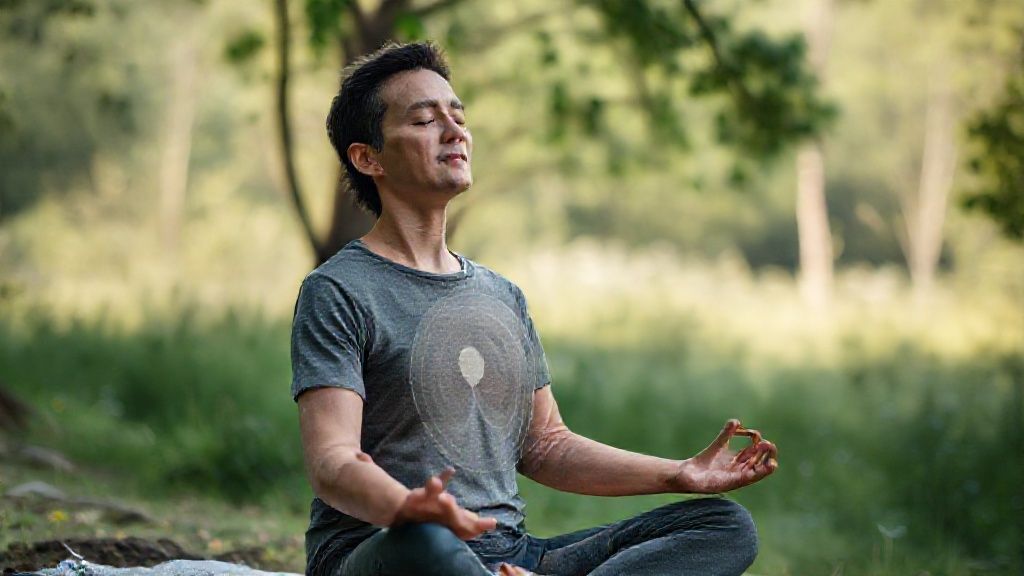
Atemregulation: Der ultimative Leitfaden zur Kontrolle Ihres Atems für sofortige Ruhe - Leben

That moment when your heart starts racing, your thoughts spiral, and you notice your breathing has become shallow and rapid—we’ve all been there. Whether it’s a tight deadline, a difficult conversation, or just the cumulative stress of modern life, our bodies often signal distress through our breath before our minds even catch up.
Breath regulation is the conscious practice of controlling the pace, depth, and pattern of your breathing to directly influence your nervous system. It is a foundational tool used in meditation, yoga, and modern psychology to reduce stress, improve focus, and enhance overall well-being.
This comprehensive guide will demystify the science behind why something as simple as breathing differently can transform your mental and physical state. More importantly, we’ll provide practical, accessible techniques you can implement anywhere—from a 1-minute exercise at your desk to a dedicated 20-minute meditation session.
Why Breath Regulation Works: The Science of Breathing
To understand why breath regulation is so powerful, we need to explore the autonomic nervous system—the part of your body that controls automatic functions like heartbeat, digestion, and yes, breathing.
Your autonomic nervous system has two main components: the sympathetic nervous system (your “fight or flight” response) and the parasympathetic nervous system (your “rest and digest” mode). When you’re stressed, anxious, or in danger, your sympathetic nervous system kicks in, releasing cortisol and adrenaline, increasing your heart rate, and preparing your body for action. This is why stress makes your breathing rapid and shallow—your body thinks it needs extra oxygen for fighting or fleeing.
The remarkable thing about breathing is that it’s unique among autonomic functions: it happens automatically, but we can also control it consciously. This gives us a rare opportunity—we can use controlled breathing as a manual override to signal our brain to switch from sympathetic to parasympathetic dominance.
When you practice slow, deep, regulated breathing, you’re essentially sending a message to your brain: “Everything is safe. We can relax now.” This triggers a cascade of physiological changes:
- Lowered heart rate and blood pressure
- Reduced cortisol levels (the primary stress hormone)
- Increased oxygen delivery to your brain and tissues
- Improved heart rate variability (a key marker of resilience)
- Activation of the vagus nerve, which plays a crucial role in calming your entire system
The benefits extend beyond momentary relaxation. Regular practice can rewire your nervous system to be more resilient to stress, improve your focus and cognitive function, and even enhance emotional regulation.
Foundational Breath Regulation Techniques to Start With
Diaphragmatic Breathing (Belly Breathing)
Diaphragmatic breathing, often called “belly breathing,” is the cornerstone of most breath regulation practices. It ensures you’re breathing deeply and efficiently, engaging your diaphragm—the dome-shaped muscle at the base of your lungs.
Step-by-Step Instructions:
- Find a comfortable position, either sitting upright with your back straight or lying on your back.
- Place one hand on your chest and the other on your belly.
- Inhale slowly through your nose for about 4 seconds, focusing on expanding your belly rather than your chest. The hand on your belly should rise, while the hand on your chest remains relatively still.
- Exhale slowly through your mouth or nose for about 6 seconds, feeling your belly fall.
- Continue this pattern for 5-10 cycles, maintaining your focus on the rise and fall of your belly.
For those dealing with anxiety, this technique is a core component of diaphragmatic breathing for anxiety.
The 4-7-8 Breathing Method for Sleep & Relaxation
Developed by Dr. Andrew Weil, the 4-7-8 technique is particularly effective for calming the nervous system and preparing for sleep. The extended exhalation is key to activating the parasympathetic response.
Step-by-Step Instructions:
- Sit with your back straight or lie down in bed.
- Place the tip of your tongue against the ridge of tissue behind your upper front teeth and keep it there throughout the exercise.
- Exhale completely through your mouth, making a whoosh sound.
- Close your mouth and inhale quietly through your nose for a count of 4.
- Hold your breath for a count of 7.
- Exhale completely through your mouth, making a whoosh sound, for a count of 8.
- This completes one cycle. Repeat for 3-4 cycles to start, gradually working up to 8 cycles.
This technique is perfect to incorporate into a nightly wind-down routine. Pair it with a dedicated geführte Schlafmeditation for deeper rest.

Integrating Breath Regulation into Your Daily Life
The true power of breath regulation emerges when you move beyond occasional practice and integrate it into your daily routine. Here’s how to make breath work a natural part of your life.
For Instant Stress Relief (Under 5 Minutes)
When stress strikes unexpectedly, you don’t need a 30-minute meditation session to regain your equilibrium. Brief breath regulation practices can provide immediate relief.
The 1-Minute Reset: When you feel overwhelmed, pause and take just three deep, conscious breaths. Inhale for four counts, exhale for six counts. This simple practice can interrupt the stress response and give you a moment of clarity.
If you only have a moment, this 1-minütigen Atemübung is perfect.
The 5-Minute Reset: Find a quiet space (even a bathroom stall will work), set a timer for five minutes, and practice diaphragmatic breathing or the 4-7-8 method. This gives your nervous system enough time to shift into a calmer state.
For a slightly longer reset, follow this 5-minütigen geführten Meditation.
For a Focused Morning Routine
How you start your day often sets the tone for everything that follows. Incorporating breath regulation into your morning routine can help you approach the day with intention and calm clarity.
Try this: Before checking your phone or email, take five minutes for conscious breathing. Sit by a window if possible, and practice diaphragmatic breathing while setting an intention for your day. This simple practice can prevent you from being immediately reactive and instead help you approach your day proactively.
Start your day with clarity using a specific 5-minütige geführte Morgenmeditation.
For Managing Anxiety and Overthinking
When anxious thoughts begin to spiral, breath regulation serves as an anchor to the present moment. The physical sensation of breathing provides something tangible to focus on when your mind feels out of control.
The Anxiety Interruption Technique: When you notice anxiety building, immediately shift your attention to your breath. Don’t try to change it at first—just observe it. Then gradually begin to lengthen your exhalations. The extended exhalation is particularly effective for calming the nervous system.
Position breath work as a first-response tool for anxious thoughts. When feeling overwhelmed, a structured session can be incredibly helpful. Try this 20-minütige geführte Meditation gegen Ängste und Grübeln.
For Preparing for Sleep
Many people struggle with “monkey mind” at bedtime—when your thoughts won’t quiet down enough for sleep to come. Breath regulation is one of the most effective tools for transitioning from wakefulness to rest.
The Bedtime Breath Practice: Sobald Sie im Bett sind, schalten Sie alle Bildschirme und Lichter aus. Beginnen Sie mit 5–10 Zyklen der 4-7-8-Atemmethode. Wenn Ihre Gedanken abschweifen, lenken Sie Ihre Aufmerksamkeit sanft zurück auf das Zählen und die Empfindung des Atems. Diese Praxis beruhigt nicht nur Ihr Nervensystem, sondern gibt Ihrem aktiven Geist auch eine einfache, repetitive Aufgabe, auf die er sich konzentrieren kann, anstatt zu grübeln.
Kombinieren Sie diese Atemtechniken mit einem Bodyscan, um körperliche Verspannungen zu lösen. Erfahren Sie hier, wie das geht Bodyscan-Meditation zum Einschlafen.

Vertiefen Sie Ihre Praxis mit geführter Meditation
Während die Atemregulation eigenständig praktiziert werden kann, können geführte Meditationen Ihre Praxis erheblich bereichern – besonders wenn Sie gerade beginnen oder eine bestehende Praxis vertiefen möchten.
Geführte Meditationen bieten Struktur und nehmen die mentale Belastung der Selbstführung, sodass Sie sich rein auf den Atem und den gegenwärtigen Moment konzentrieren können. Ein erfahrener Guide kann subtile Hinweise geben, die Ihnen helfen, Aspekte Ihrer Erfahrung wahrzunehmen, die Ihnen sonst entgehen könnten.
Kurze Einheiten (5–10 Minuten)
Kurze geführte Sitzungen sind ideal, um Regelmäßigkeit zu etablieren, besonders an stressigen Tagen. Sie sind lang genug, um eine spürbare Veränderung Ihres Zustands zu bewirken, aber kurz genug, um selbst in den vollsten Zeitplan zu passen.
Neu in der Praxis? Eine kurze kurze geführte Meditation ist ein hervorragender Einstieg.
Für einen schnellen Reset bei Angstzuständen ist diese 10-minütigen Meditation bei Angst äußerst wirksam.
Längere Einheiten (15–20 Minuten)
Längere geführte Sitzungen ermöglichen eine tiefgründigere Erkundung der Atemregulation. Sie geben Ihrem Nervensystem ausreichend Zeit, sich in einen tief entspannten Zustand einzupendeln, und können bei regelmäßiger Praxis besonders transformativ wirken.
Um Resilienz aufzubauen und Ihr Nervensystem tief zu beruhigen, ist eine längere Sitzung wie diese 20-minütige Achtsamkeitsmeditation ideal.
FAQ zur Atemregulation (für die Sprachsuche optimiert)
Was ist die beste Atemtechnik bei Angst?
Zwerchfellatmung und die 4-7-8-Methode sind bei Angst sehr wirksam. Der Schlüssel sind langsame, tiefe Ausatmungen, die direkt die Entspannungsreaktion des Körpers aktivieren. Für eine geführte Sitzung, die sich ganz darauf konzentriert, probieren Sie diese geführte Meditation bei Angst.
Wie kann ich meine Atmung für den Schlaf regulieren?
Konzentrieren Sie sich auf Techniken, die Ihre Ausatmung verlängern, wie die 4-7-8-Methode, und praktizieren Sie diese im Liegen im Bett, um eine starke Schlafassoziation zu schaffen. Eine spezielle Schlafmeditation kann Sie durch diesen Prozess führen. Wir empfehlen diese geführte Meditation für tiefen Schlaf.
Wie lange dauert es, bis die Atemregulation wirkt?
Eine beruhigende Wirkung können Sie bereits in 60–90 Sekunden spüren. Konsistente tägliche Praxis, selbst wenn sie nur 5 Minuten dauert, baut langfristige Resilienz gegen Stress auf. Je regelmäßiger Sie üben, desto schneller und effektiver reagiert Ihr Körper auf Atemregulationstechniken.
Kann Atemregulation bei der Konzentration helfen?
Absolut. Durch die Beruhigung des Nervensystems reduziert die Atemregulation das mentale Gedankenchaos und bereitet das Gehirn auf anhaltende Aufmerksamkeit vor, ähnlich wie eine Achtsamkeitsübung. Verbessern Sie Ihre Konzentration mit spezifischen Aufmerksamkeitsfokus-Übungen.

Fazit & Handlungsaufforderung (CTA)
Atemregulation ist vielleicht das zugänglichste, wirkungsvollste und unmittelbarste Werkzeug, das wir haben, um unseren mentalen und emotionalen Zustand zu beeinflussen. Sie erfordert keine besondere Ausrüstung, kostet nichts und kann überall und jederzeit praktiziert werden. Mehr als nur eine Stressmanagement-Technik ist sie ein Weg, die Kontrolle über Ihr eigenes Nervensystem zurückzugewinnen und eine Grundlage der Ruhe zu kultivieren, die jeden Aspekt Ihres Lebens unterstützt.
Die in diesem Leitfaden beschriebenen Techniken – von grundlegenden Praktiken wie der Zwerchfellatmung bis hin zu integrierten täglichen Anwendungen – bieten einen Weg zu größerer Resilienz, Konzentration und innerem Frieden. Doch das Lesen über Atemregulation ist nur der erste Schritt; die wahre Transformation geschieht, wenn Sie sie zu einer regelmäßigen Praxis machen.
Ihr Handlungsaufruf ist einfach: Wählen Sie eine Technik aus diesem Leitfaden – vielleicht die 4-7-8-Methode für den Schlaf oder Zwerchfellatmung zur Stressbewältigung – und nehmen Sie sich vor, sie noch heute zu praktizieren. Für eine vollständig geführte Erfahrung, um Ihre Praxis zu vertiefen, erkunden Sie unsere Bibliothek mit geführten Meditationen für jeden Bedarf, von Stressabbau bis zum Schlaf.
Bereit für eine vollständige geführte Sitzung? Beginnen Sie mit einem unserer beliebtesten Guides für einen ruhigen Geist mit dieser geführten Meditation für einen ruhigen Geist.