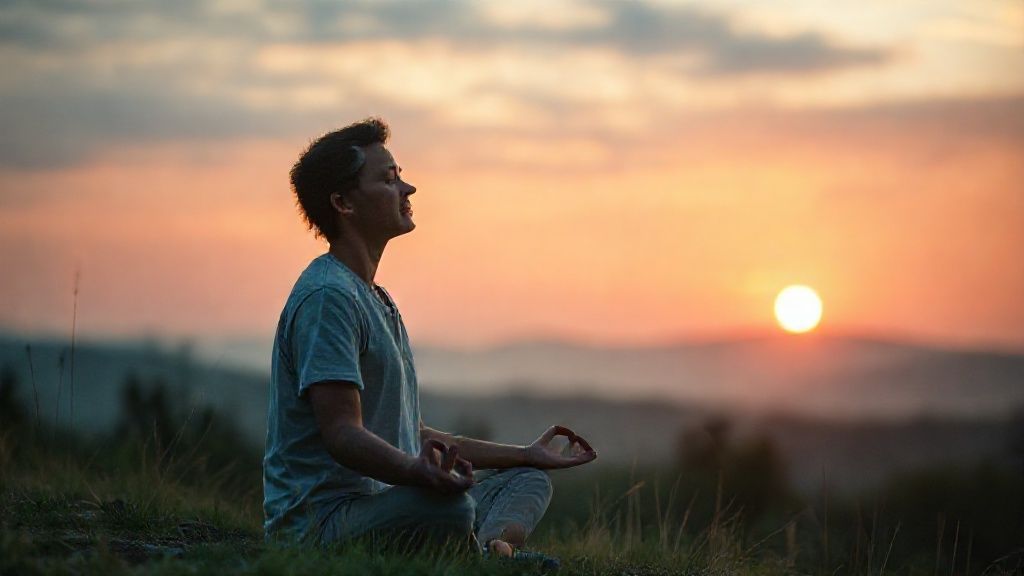
Ruhe des Geistes: Ihr ultimativer Leitfaden zu dauerhaftem inneren Frieden
In our fast-paced, constantly connected world, the search for mental tranquility has become more urgent than ever. Between work deadlines, social obligations, and the endless stream of digital notifications, our minds are perpetually in motion. You might find yourself lying awake at night with racing thoughts, reacting impulsively to minor stressors, or feeling mentally exhausted despite physical rest. This state of chronic mental agitation isn’t just uncomfortable—it takes a real toll on our health, relationships, and quality of life.
But what if you could access a deeper sense of peace regardless of external circumstances? The good news is that “calm of mind” isn’t an elusive state reserved for monks on mountaintops or those with perfectly arranged lives. It’s an achievable, trainable skill that anyone can develop through specific, evidence-based practices. This comprehensive guide will walk you through exactly what a calm mind entails, why it matters, and—most importantly—how you can cultivate it through practical techniques you can start implementing today.

What Does “Calm of Mind” Truly Mean?
A calm mind is often misunderstood as simply the absence of stress or a temporary state of relaxation. In reality, it’s something far more profound and sustainable. A truly calm mind is characterized by mental clarity, emotional equilibrium, and the capacity to respond thoughtfully rather than react impulsively to life’s challenges. It’s not about eliminating all thoughts or emotions, but rather changing your relationship with them—observing them without being swept away.
When you cultivate a calm mind, you’re not withdrawing from life; you’re engaging with it more fully and effectively. Decisions become clearer, creativity flows more freely, and you’re better equipped to handle difficulties with grace. The benefits extend beyond mere feeling—research shows that regular practice of calm-inducing techniques can lower blood pressure, improve immune function, reduce inflammation, and even slow the aging process at a cellular level.
The Science Behind a Peaceful State
The physiological basis for a calm mind lies in our nervous system. When we perceive threat or stress, our sympathetic nervous system triggers the “fight-or-flight” response, flooding our body with cortisol and adrenaline. While this is useful in genuinely dangerous situations, many of us live in a state of chronic, low-grade activation that keeps us perpetually on edge.
Practices that cultivate calm work by activating the parasympathetic nervous system—our body’s natural “rest-and-digest” mode. This shift isn’t just psychological; it’s measurable through reduced heart rate, lowered blood pressure, and changes in brain wave patterns. Neuroimaging studies show that regular meditation and mindfulness practices can actually strengthen the prefrontal cortex (associated with executive function) while reducing activity in the amygdala (our fear center).
Calmness vs. Apathy: Why It’s About Engagement, Not Avoidance
One common misconception is that a calm person is passive or detached. Nothing could be further from the truth. True mental calmness isn’t indifference; it’s engaged presence. Where apathy represents a withdrawal from experience, calmness allows for full participation without being overwhelmed by it.
Think of it this way: A turbulent ocean makes it difficult to see what lies beneath the surface, while calm waters provide clarity and transparency. Similarly, a calm mind doesn’t ignore problems—it sees them more clearly and responds more effectively. You maintain your values, passions, and concerns, but you’re not controlled by turbulent emotions when facing challenges.
Foundational Practices for a Calmer You
Building a calm mind begins with establishing simple, accessible practices that you can incorporate into your daily life. These foundational techniques work directly with your body’s physiology to create immediate shifts in your mental state.
Breathing Your Way to Peace
Your breath is the most powerful and always-available tool for regulating your nervous system. The simple act of changing your breathing pattern sends immediate signals to your brain that it’s safe to relax. Diaphragmatic breathing—sometimes called “belly breathing”—is particularly effective because it fully engages the diaphragm, stimulating the vagus nerve and triggering the relaxation response.
To practice: Place one hand on your chest and the other on your belly. Take a slow breath in through your nose, allowing your belly to rise while keeping your chest relatively still. Exhale slowly through your mouth or nose. Aim for a longer exhalation than inhalation, as this specifically activates the parasympathetic nervous system.
For a quick and effective practice you can do anywhere, follow this 1-minütigen Atemübung. If you have a bit more time, this 5-minute meditation is perfect for resetting your day.
The Power of a Mindful Minute
You don’t need hours of meditation to begin cultivating calm. Even a single minute of mindful awareness, practiced consistently throughout your day, can significantly shift your mental landscape. The “mindful minute” is about intentionally bringing your attention fully into the present moment, without judgment.
Try this: Set a reminder on your phone for several points during the day. When it chimes, pause whatever you’re doing and take 60 seconds to simply notice. Notice the sensations in your body, the sounds around you, the quality of your breath. No need to change anything—just observe.
Use this simple 1 minute grounding meditation script to anchor yourself during moments of stress.

Guided Meditations Tailored for Your Needs
While foundational practices are essential, sometimes we need more specific guidance, especially when dealing with particular challenges or looking to establish a consistent routine. Guided meditations provide that structure and support, making them an excellent tool for both beginners and experienced practitioners.
For Immediate Anxiety Relief
When anxiety strikes, it can feel overwhelming and all-consuming. The right guided meditation can provide an anchor point, helping you ride the wave of anxiety without being pulled under by it. These practices typically focus on grounding techniques, body awareness, and compassionate acceptance of your experience.
When anxiety strikes, this 10-minütigen geführten Meditation bei Angst can help you find your center quickly. For deeper-seated worries, a longer session like this 20-minütige geführte Meditation gegen Ängste und Grübeln can be transformative.
For Cultivating Daily Calm
Consistency is key when building a calm mind, and incorporating short meditation sessions into your daily routine can create a foundation of tranquility that supports you throughout your day. Morning meditations set a positive tone, while evening practices help you release the day’s accumulated stress.
Incorporate tranquility into your morning routine with this 5-minütige geführte Morgenmeditation session. End your day by releasing tension with a Schlafenszeit-Meditation designed for deep rest.
For Deep Relaxation and Sleep
Quality sleep is both a cause and effect of a calm mind. When your mind is agitated, sleep suffers; when sleep is insufficient, mental calm becomes more difficult to maintain. Guided sleep meditations help break this cycle by guiding your nervous system into the deeply relaxed state conducive to restful sleep.
Drift off peacefully with this geführte Schlafmeditation zur Heilung the body and mind. Sometimes, music alone can guide you to rest. Try this 10-minütigen Meditationsmusik- to quiet your thoughts.
Beyond Meditation: Holistic Habits for Mental Calm
While formal meditation practices are powerful, a truly calm mind is supported by a holistic approach that includes how we move through our daily lives. These complementary practices help integrate the benefits of meditation into your everyday experience.
Mindfulness Exercises for Everyday Life
Mindfulness is the practice of paying attention to the present moment with openness and curiosity. Unlike formal meditation, mindfulness can be practiced anywhere, anytime—while washing dishes, walking to your car, or even during a difficult conversation.
Discover a variety of kurzen Achtsamkeitsübungen you can weave into a busy schedule. For a sensory-based grounding technique, practice the 5 senses mindfulness exercise.
Cultivating Self-Compassion
Many of us have an inner critic that constantly judges our performance, appearance, and worth. This internal voice is a major source of mental agitation. Self-compassion—treating yourself with the same kindness you would offer a good friend—is a powerful antidote.
When you notice self-critical thoughts, try placing a hand on your heart and offering yourself words of comfort. Remember that imperfection is part of the shared human experience, not evidence of personal failure.
A critical part of inner peace is learning how to self compassion. This guide walks you through the process.

Werkzeuge und Ressourcen zur Unterstützung Ihrer Reise
Establishing and maintaining a practice that cultivates calm of mind is easier with the right support. These resources can help you deepen your practice and navigate challenges along the way.
Finding the Right Guidance
With so many meditation approaches available, finding what resonates with you is key to developing a consistent practice. Some people prefer highly guided meditations with detailed instructions, while others thrive with minimal guidance and more silence.
If you’re new to this, start with the besten geführten Meditationen for beginners to build a solid foundation. For those who prefer to lead their own practice, learn the fundamentals of wie man eine geführte Meditation anleitet,.
Vertiefung Ihrer Praxis
Während sich Ihre Praxis entwickelt, möchten Sie vielleicht verschiedene Techniken erkunden oder die zugrunde liegenden Prinzipien tiefer verstehen. Strukturiertes Lernen kann sowohl Inspiration als auch praktische Werkzeuge bieten, um Ihre Praxis auf die nächste Stufe zu heben.
Erwägen Sie, strukturiertes Lernen durch die besten Online-Meditationskurse. zu erkunden. Um die grundlegenden Konzepte besser zu verstehen, beginnen Sie mit diesem Artikel über was geführte Meditation ist.
Häufig gestellte Fragen zu einem ruhigen Geist
Was ist der schnellste Weg, um den Geist zu beruhigen?
Obwohl die Techniken variieren, ist fokussierte Atmung oft der schnellste Weg. Probieren Sie diese 1-minütigen Atemübung für sofortige Linderung. Die 4-7-8-Technik (4 Zähler einatmen, 7 halten, 8 ausatmen) ist besonders effektiv, um das parasympathische Nervensystem schnell zu aktivieren.
Kann Meditation bei Grübeln helfen?
Absolut. Meditation trainiert das Gehirn, Gedanken zu beobachten, ohne sich in ihnen zu verfangen. Diese 20-minütige geführte Meditation gegen Ängste und Grübeln ist speziell dafür konzipiert. Regelmäßige Praxis stärkt Ihre Fähigkeit, Gedankenmuster zu bemerken, ohne ihnen automatisch zu glauben oder zu folgen.
Wie kann ich meinen Geist zum Schlafen entspannen?
Eine Body-Scan-Meditation ist sehr wirksam. Wir empfehlen diese Bodyscan-Meditation zum Einschlafen , um Sie in tiefe Ruhe zu führen. Zusätzlich können eine regelmäßige Schlafenszeit-Routine, begrenzte Bildschirmzeit vor dem Schlafengehen und eine angenehme Schlafumgebung die Schlafqualität erheblich verbessern.
Was sind die Merkmale einer ruhigen Person?
Ruhige Personen zeigen typischerweise emotionale Widerstandsfähigkeit – sie erleben Emotionen, ohne von ihnen überwältigt zu werden. Sie reagieren besonnen statt impulsiv, bewahren in Herausforderungen die Perspektive und praktizieren Selbstmitgefühl. Ihre Ruhe ist nicht die Abwesenheit von Gefühl, sondern die Präsenz mit dem, was ist.
Fazit: Ihre Reise zu nachhaltigem Frieden beginnt jetzt
Einen ruhigen Geist zu kultivieren ist weder eine schnelle Lösung noch ein Ziel, das erreicht wird. Es ist eine fortlaufende Praxis – eine Beziehung, die Sie durch beständige, mitfühlende Anstrengung zu sich selbst aufbauen. Die Turbulenzen des modernen Lebens mögen nicht verschwinden, aber Ihre Beziehung zu ihnen kann sich tiefgreifend verwandeln.
Denken Sie daran, dass Fortschritt bei der Entwicklung geistiger Ruhe nicht linear verläuft. An manchen Tagen wird Ihr Geist wie ein stiller See sein; an anderen wird er stürmischen Meeren gleichen. Wichtig ist nicht, jeden Moment perfekte Ruhe zu erreichen, sondern immer wieder zu den Praktiken zurückzukehren, die Sie erden. Jeder bewusste Atemzug, jede achtsame Minute, jeder Moment des Selbstmitgefühls ist ein Stich im Gewebe eines friedlicheren Geistes.
Bereit, Ihre mentale Landschaft zu verwandeln? Wählen Sie eine Praxis aus diesem Leitfaden – vielleicht die 5-minütige Achtsamkeitsübung– und nehmen Sie sich heute vor, sie umzusetzen. Ihr ruhigeres, zentrierteres Selbst wartet.